Source sew-on flatback bridal belt for Bags, Shoes, and Dresses
Find and compare 30 sew-on flatback bridal belt options featuring rhinestone, glass stone, and alloy materials. These motifs are designed for sewing or sticking onto bags, garments, and wedding dresses, with customization and sample support available from Chinese suppliers.
Key considerations
Products List

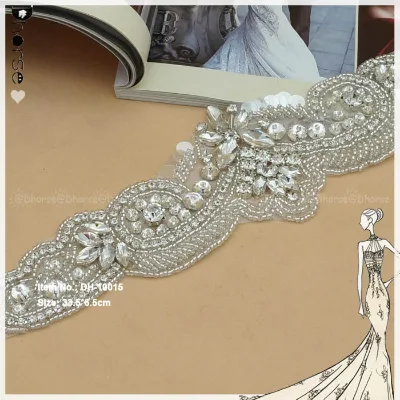
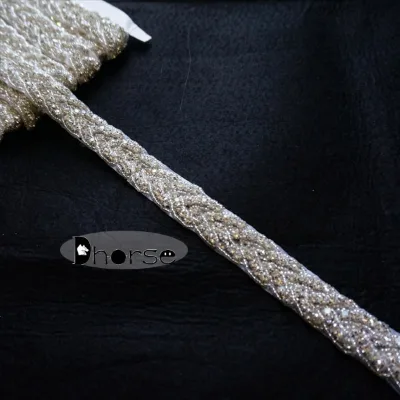


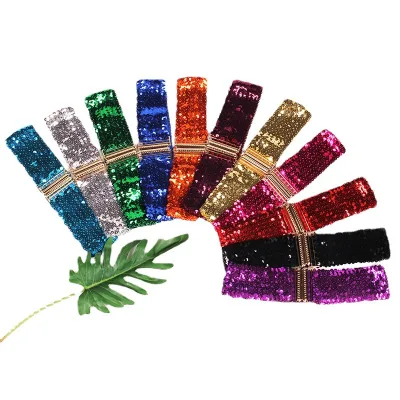


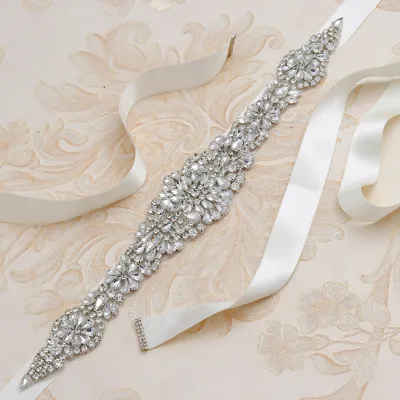
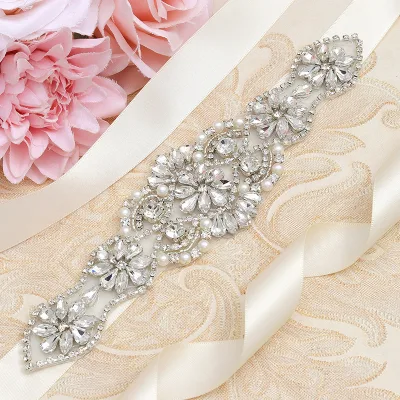
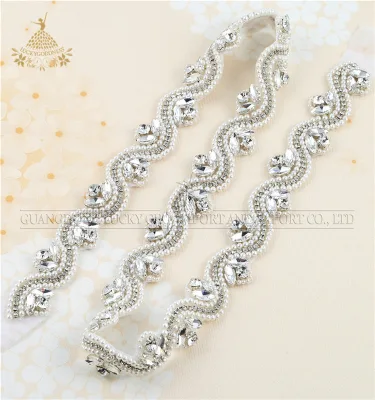


Fashion Wrap Around Wide Waistband Soft Leather Knotted Women's Belt for Dress
$11.50 - $13.20
MOQ: 50 Pieces


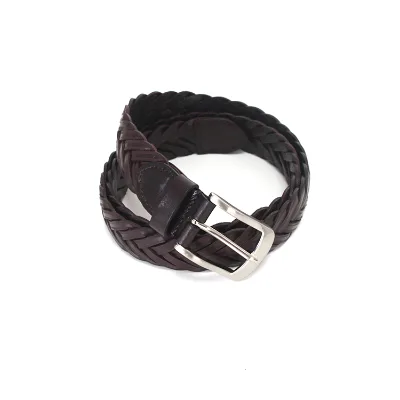


Comprehensive Sourcing Guide
Sew-On Flatback Bridal Belt Sourcing Guide
Sourcing sew-on flatback bridal belts requires a nuanced understanding of the intersection between structural garment accessories and decorative embellishment components. Unlike standard leather belts, bridal variants often serve as focal points for wedding dresses, evening gowns, and high-fashion accessories, demanding a balance between aesthetic brilliance and secure attachment. The term "sew-on flatback" specifically refers to the mounting style of the decorative elements, which are designed to be stitched directly onto fabric rather than adhered with glue or snapped into place. This distinction is critical for procurement teams, as it influences the material selection, the durability of the finish, and the labor intensity required during the final garment assembly. Buyers must recognize that these items are not merely belts but complex assemblies of rhinestones, glass stones, and alloy components that require precise engineering to maintain their sparkle and structural integrity under the stress of wear.
The procurement landscape for these specialized items is characterized by a high degree of customization and a wide variance in product specifications. Suppliers often offer models that range from simple leather bases with minimal embellishment to intricate motifs featuring hundreds of individual crystal stones. The observed market signals indicate that buyers can expect significant flexibility in design, with many manufacturers supporting custom shapes, colors, and packaging. However, this flexibility comes with the responsibility of rigorous specification definition. Procurement teams must clearly articulate whether the priority is the belt’s structural function as a waist cincher or its role as a purely decorative motif that may be sewn onto other garments. Understanding this dual nature helps in filtering suppliers who specialize in mass-produced standard items versus those capable of handling bespoke, high-value bridal orders.
Product Scope and Observed Listing Signals
The current market for sew-on flatback bridal belts encompasses a diverse array of product types, including loose rhinestones, motif rhinestones, and complete belt assemblies. Listings frequently highlight materials such as crystal, glass stone, and alloy, often combined with leather or fabric bases for the belt structure itself. The observed product models, such as DH-10015 and DH-1150, suggest a tiered approach to inventory, where some items are pre-designed motifs ready for application, while others are complete accessory pieces like the Beaded Belt-057D or Leather Belt-048L. These signals indicate that buyers should not assume all "bridal belts" are identical; some are intended to be sewn onto a dress as a standalone decorative element, while others are functional belts that incorporate flatback stones as their primary aesthetic feature. The presence of "flatback" in the description confirms that the stones are designed for surface application, which is a key differentiator from rhinestones with pre-attached pins or glue backs.
Application scope is another critical signal observed in product listings, with common uses including bags, garments, shoes, wedding dresses, and fashion accessories. This versatility suggests that the supply chain for these items is not limited to bridal wear but extends into broader fashion and accessory markets. Buyers should note that some suppliers offer products with specific applications in mind, such as nail art or hat decoration, which may influence the size and durability of the stones used. The "sew-on" technique is explicitly mentioned in several listings, reinforcing the need for buyers to verify the attachment method. Whether the product is a loose motif or a pre-assembled belt, the sewing requirement implies that the final product must withstand the tension of stitching without losing stones or damaging the underlying material. This observation helps buyers align their sourcing strategy with their specific end-use, whether it is for mass-market fashion or high-end custom bridal design.
Technical Specifications to Verify
When evaluating technical specifications, the first priority is to verify the dimensions and physical attributes of the product. Listings provide specific size data, such as 33.56.5 cm for certain models, and packing dimensions like 10070*70, which are essential for logistics planning. Buyers must confirm whether these dimensions refer to the individual stone motifs or the entire belt assembly. Additionally, the number of facets, such as the 16-facet design noted in some listings, is a critical technical detail that affects the light reflection and overall brilliance of the product. For bridal applications, higher facet counts are generally preferred to maximize sparkle, but this must be balanced against the risk of chipping during handling and sewing. Procurement teams should request detailed technical drawings or high-resolution images to verify the exact placement of stones and the quality of the flatback finish, ensuring that the adhesive or sewing holes are positioned correctly for secure attachment.
Material composition and construction quality are equally important technical factors. The core materials often include crystal, glass stone, and alloy, with some products featuring leather or fabric bases. Buyers should verify the grade of the crystal or glass, as lower-quality materials may appear cloudy or dull after cleaning or exposure to moisture. The "sew-on" attribute requires that the stones have reinforced holes or a flat surface that can withstand the pressure of a needle without cracking. For belt structures, the buckle type, such as non-automatic buckles, and the gender and age suitability must be confirmed to ensure the product meets the target demographic's needs. Furthermore, the "customized" nature of many products means that technical specifications can vary significantly between orders. Buyers must establish a clear specification sheet that includes material grades, stone counts, color codes, and dimensional tolerances to prevent discrepancies between the sample and the bulk production.
Compliance and Safety Documentation
Compliance and safety documentation for sew-on flatback bridal belts primarily revolves around material safety and chemical regulations, particularly if the products are intended for direct skin contact or close proximity to the wearer. While the provided facts do not specify exact certification statuses, buyers should proactively request documentation regarding the absence of harmful substances such as lead, cadmium, and nickel, which are common concerns in alloy and metal-based accessories. For bridal wear, which is often worn for extended periods, ensuring that the materials are hypoallergenic is crucial to prevent skin irritation. Buyers should verify that the suppliers adhere to relevant international standards for accessory safety, such as REACH in Europe or CPSIA in the United States, depending on the target market. Although specific test results are not provided in the listing data, the expectation is that reputable suppliers will have internal quality control processes, such as the "100% Double Check" mentioned in some listings, to ensure that materials meet these safety thresholds.
Another aspect of compliance involves the labeling and packaging requirements, which vary by destination market. Buyers must ensure that the products are labeled correctly with material composition, care instructions, and any necessary warnings. The "Stander Export Carton" packaging mentioned in some listings suggests a level of professionalism in handling, but buyers should verify that the packaging materials themselves are compliant with environmental regulations, such as restrictions on certain plastics or inks. For bridal products, which are often considered luxury items, the presentation and unboxing experience can also be part of the compliance with brand standards. Buyers should work with suppliers to ensure that the packaging protects the delicate flatback stones from damage during transit, as broken stones can lead to customer complaints and returns. It is also important to verify that the supplier’s claims about "custom design" and "customized color" are accurately reflected in the final product, as misrepresentation can lead to contractual disputes.
Cost Drivers and Commercial Terms
The cost of sew-on flatback bridal belts is driven by several key factors, including the complexity of the design, the quality of materials, and the level of customization required. Products with intricate motifs, high facet counts, and premium crystal materials will naturally command higher prices. The observed price range of 0.1-13.2 USD indicates a wide spectrum of options, from simple, mass-produced items to high-end, custom-designed pieces. Buyers should understand that the "customized" attribute often comes with a premium, as it involves additional design work, pattern making, and potentially lower production runs. The supply ability of 500,000 pieces per month suggests that suppliers have the capacity for large orders, but buyers should clarify whether this capacity applies to standard items or if custom orders will have different lead times and cost structures. Understanding these cost drivers helps buyers budget effectively and negotiate better terms based on their volume and customization needs.
Commercial terms, including MOQ, payment terms, and lead times, are critical components of the procurement process. The observed MOQ range of 2-600 pieces offers flexibility, but buyers should note that lower MOQs may come with higher unit prices. The "50pcs" MOQ mentioned in some listings suggests that suppliers are willing to accommodate smaller test orders, which is useful for quality verification before committing to large volumes. Payment terms such as T/T, Western Union, PayPal, and Money Gram provide various options, but buyers should consider the security and convenience of each method. Lead times, such as the "5-8 Days" delivery time noted in some listings, are generally fast, but this may vary for custom orders. Buyers should also inquire about sample lead times, as the "7_days_sample_order_lead_time" support indicates that samples can be produced relatively quickly. Clear communication of these commercial terms helps in planning production schedules and managing cash flow effectively.
Supplier Qualification and Quality Control
Supplier qualification for sew-on flatback bridal belts should focus on their manufacturing capabilities, quality control processes, and track record in the bridal and fashion accessory markets. Buyers should verify the supplier’s origin, with Guangdong, China, being a common hub for such products, indicating access to a robust supply chain for materials like crystal, glass, and alloy. The "100% Double Check" quality control attribute is a positive signal, but buyers should request more detailed information about the QC process, including how defects are identified and handled. It is also important to assess the supplier’s ability to handle custom designs, as this requires skilled artisans and precise machinery. Buyers should ask for references or case studies of previous bridal orders to gauge the supplier’s reliability and attention to detail. A supplier with a strong reputation in the bridal sector is more likely to understand the specific requirements for durability and aesthetics that these products demand.
Quality control should extend beyond the final product to include raw material inspection and in-process checks. Buyers should verify that the supplier uses high-quality crystals and alloys that are resistant to tarnishing and chipping. The "sew-on" nature of the product requires that the stones are securely attached to the base, so buyers should request samples to test the strength of the attachment. Additionally, the "flatback" design must be perfectly flat to ensure even sewing and a smooth finish on the garment. Buyers should also consider the supplier’s packaging practices, as proper packaging is essential to prevent damage during shipping. The "Inner:Poly Bag Outer:Stander Export Carton" packaging is a good start, but buyers should ensure that the stones are protected from friction and impact. Establishing a strong relationship with a qualified supplier who prioritizes quality control helps in maintaining consistent product quality and reducing the risk of defects in bulk orders.
Long-Term Procurement Checks
Long-term procurement of sew-on flatback bridal belts requires ongoing monitoring of supplier performance, market trends, and product innovation. Buyers should establish key performance indicators (KPIs) to track supplier reliability, including on-time delivery rates, defect rates, and responsiveness to issues. Regular audits of the supplier’s quality control processes can help identify potential problems before they impact production. It is also important to stay informed about changes in material costs and supply chain dynamics, as these can affect pricing and availability. Buyers should maintain open communication with their suppliers to discuss future design trends and potential improvements. By building a collaborative relationship
FAQs
How can I customize the design of the bridal belt?
Custom designs are welcome for this product line. You can request specific shapes like flowers or motifs, and the supplier supports custom color options to match your wedding theme requirements.
What is the minimum order quantity for these belts?
The minimum order quantity varies by product model, ranging from 50 pieces to 600 pieces. Specific models like DH-10015 require 50 pieces, while others may have higher thresholds depending on customization.
Which materials are used to make these flatback belts?
These belts are crafted from rhinestones, glass stones, and alloy components. Some variations also utilize crystal materials to ensure a sparkling appearance suitable for bridal and fashion accessory applications.
Can I get samples before placing a bulk order?
Yes, sample orders are supported with a lead time of 7 days. Some listings indicate that samples may be free, allowing you to verify quality and design before committing to a larger purchase.
How long does it take to deliver the order?
The standard delivery time is typically 5 to 8 days after order confirmation. Shipping is handled via major carriers like UPS, DHL, FedEx, and TNT from the Guangzhou port in China.
What payment terms are accepted for this product?
Accepted payment methods include T/T, Western Union, PayPal, and MoneyGram. These options provide flexibility for international buyers to secure their orders for bridal belts and related accessories.
Where are these bridal belts manufactured?
The products originate from Guangdong, China, with dispatch from the Guangzhou port. This location supports a supply ability of up to 500,000 pieces per month for various belt models.