Source sew-on flatback rhinestone fabric for dresses, bags, and shoes
Compare 30 listings for sew-on flatback rhinestone fabric suitable for dresses, bags, and shoes. Buyers can review material types like K9 glass and crystal, along with customization options and packaging details for garment and jewelry applications.
Key considerations
Products List


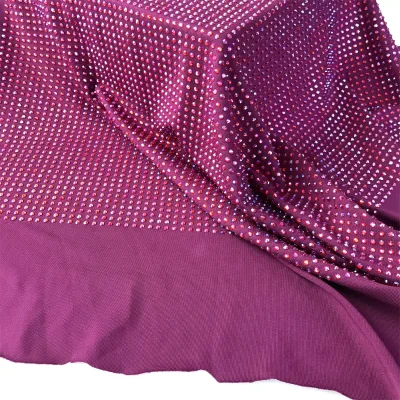
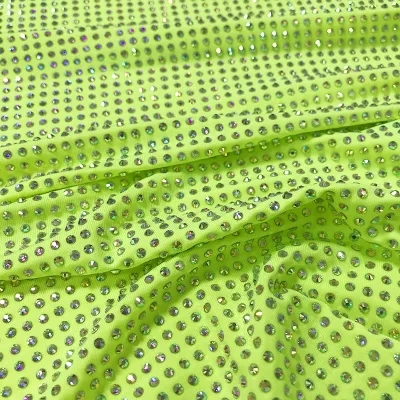
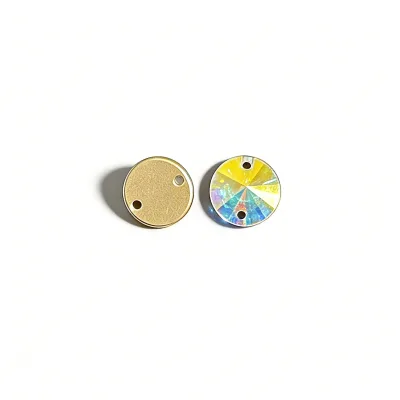
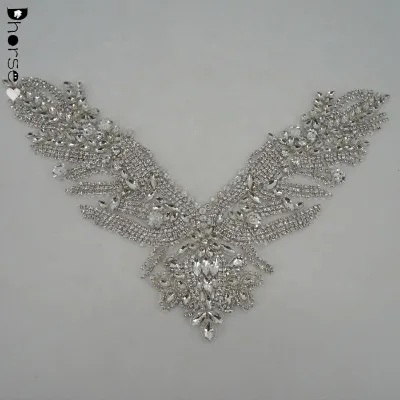
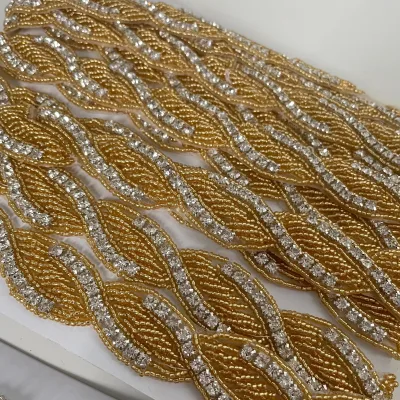


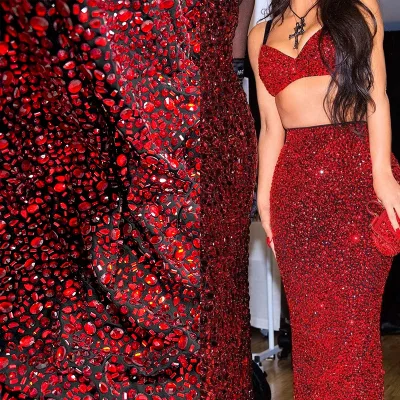

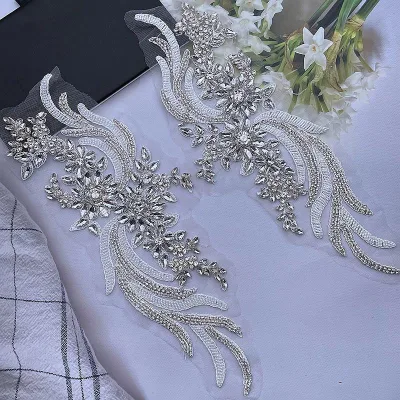
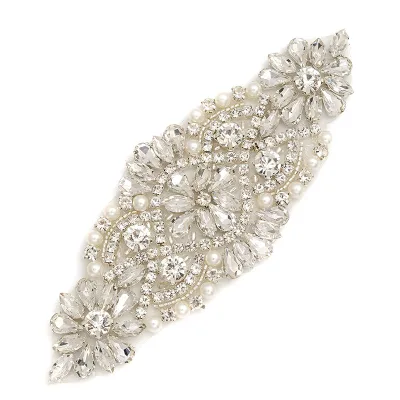
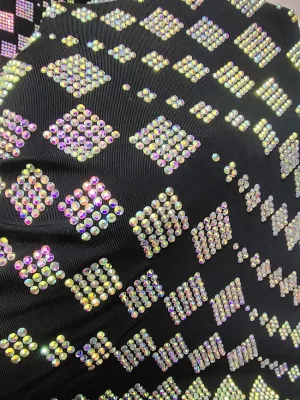
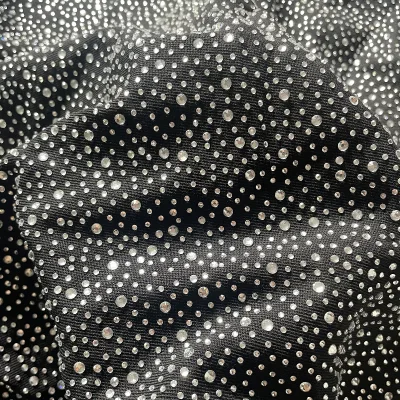
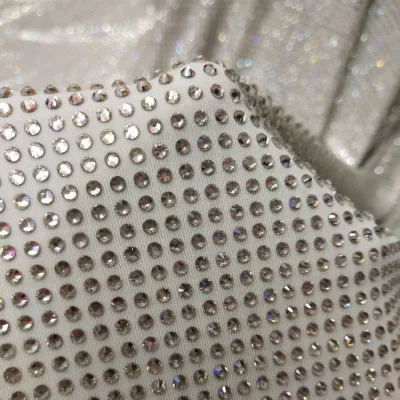
Comprehensive Sourcing Guide
Strategic Sourcing Guide for Sew-On Flatback Rhinestone Fabric
The global market for decorative textile elements has seen a significant surge in demand for high-precision embellishments, particularly within the fashion, footwear, and accessory sectors. For procurement professionals, the specific niche of sew-on flatback rhinestone fabric represents a complex intersection of material science, aesthetic design, and supply chain logistics. Unlike loose stones that require manual application, fabric-integrated rhinestones offer a streamlined manufacturing process for designers. This guide provides a comprehensive, evidence-based framework for sourcing these materials, focusing on technical specifications, compliance verification, cost analysis, and quality assurance protocols derived from current market data.
Technical Specifications and Material Composition
Understanding the fundamental technical attributes of the product is the first step in any successful procurement strategy. The core material for high-end rhinestone applications is often K9 glass or crystal, which offers superior light refraction compared to acrylic alternatives. In the current market, suppliers frequently list "Glass" and "Crystal" as primary material descriptors, with specific models such as KT-SO01, KSS101, and KK307 indicating distinct product lines. The physical configuration is critical; the "flatback" style is essential for fabric applications, allowing the stone to sit flush against the textile surface without creating an uneven profile that could cause discomfort or snagging.
The attachment method defines the "sew-on" classification. While some market segments utilize hot-fix adhesives, the specific requirement for sew-on flatback rhinestones implies a mechanical fixation method. The presence of a "Gold Plated" back is a common specification that enhances both the aesthetic appeal and the durability of the setting. Buyers must verify the facet count, as this directly influences the sparkle and visual depth of the final product. Data indicates that 12-facet configurations are standard for premium applications, maximizing light dispersion. Furthermore, the size of the crystals, often denoted in SS (Size Stone) measurements like SS10, must align with the intended design scale. For fabric applications, the substrate itself is equally important; some products feature crystals embedded in elastic stretch fabric, while others utilize mesh trimming or rigid backing to maintain shape. The single package size and gross weight, such as a 10x10x2 cm package weighing 1.600 kg, are vital for calculating shipping costs and warehouse storage requirements.
Compliance, Certification, and Safety Standards
In the B2B procurement landscape, compliance is not merely a formality but a risk mitigation strategy. When sourcing rhinestone fabrics, buyers must rigorously verify the certifications held by potential suppliers. While some market listings explicitly mention "SGS" as a standard, this should be treated as a specific data point rather than a universal guarantee for all products. Procurement teams must request current, valid certification documents for every batch purchased. The "High Quality" designation often found in product descriptions is a qualitative claim that requires objective verification through third-party testing.
Safety standards regarding chemical composition are paramount, especially for products intended for children's wear or items in close contact with skin. Buyers should verify that the materials comply with international regulations such as REACH (Registration, Evaluation, Authorisation and Restriction of Chemicals) in Europe or CPSIA (Consumer Product Safety Improvement Act) in the United States. Although specific test results are not universally listed in general product catalogs, the presence of a "Luxury" quality tier often implies adherence to stricter environmental and safety protocols. Suppliers originating from major manufacturing hubs like Guangzhou, China, or Guangdong, China, are subject to varying levels of regulatory oversight. It is the buyer's responsibility to ensure that the "Place of Origin" aligns with the required compliance jurisdiction. Additionally, the "Standard Box and Cartons" or "Plastic Tray" packaging must be evaluated for sustainability and safety, ensuring that no hazardous materials are used in the packaging process itself.
Cost Drivers and Pricing Dynamics
The pricing structure for sew-on flatback rhinestone fabric is influenced by a confluence of factors, including material purity, manufacturing complexity, and order volume. The observed price range in the market spans from $0.02 to $153.80, a variance that reflects differences in crystal quality, brand reputation, and order quantity. The "Luxury" and "K9 Glass" designations typically command a premium over standard glass or acrylic alternatives. The "Gold Plated" back adds a layer of cost due to the metal finishing process, which must be durable enough to withstand sewing operations without tarnishing.
Minimum Order Quantity (MOQ) is a significant driver of unit cost. Market data shows MOQs ranging from 1 box to 7,560 units, with specific listings citing 6 boxes or 5 meters per color as standard thresholds. Smaller MOQs, such as 1 box, often result in higher per-unit costs due to the fixed overheads of production and packaging. Conversely, larger orders allow for economies of scale but require significant capital outlay and storage capacity. The "White Box" or "Plastic Tray" packaging also impacts cost; specialized packaging that protects the delicate crystals during transit adds to the final price. Buyers should also consider the "Shipping" costs associated with carriers like DHL, UPS, FedEx, and TNT. These logistics costs can vary significantly based on the "Single package size" and "Single gross weight," making accurate freight estimation a critical component of the total landed cost analysis.
Typical Applications and Design Integration
The versatility of sew-on flatback rhinestone fabric makes it suitable for a wide array of applications across multiple industries. The primary use cases include dresses, bags, shoes, and jewelry, as indicated by standard product usage tags. The "mesh trimming" and "elastic stretch fabric" variations are particularly valuable for garment construction where flexibility is required, such as in wedding dresses, evening gowns, and athletic wear. The "Motif Rhinestones" category suggests that these materials are often used for creating specific patterns or decorative elements rather than full-surface coverage.
For the footwear industry, the flatback design ensures that the stones do not protrude excessively, preventing discomfort for the wearer. In the bag and accessory sector, the durability of the sew-on attachment is crucial to withstand the friction and stress of daily use. The "Shinning" feature is a key selling point for luxury goods, where the visual impact of the product is a primary driver of consumer value. The available color palette, including options like "White," "lt green," "aquamarine," "Blue with Sapphire," and "Black Crystal AB," allows designers to match specific brand aesthetics or seasonal trends. The ability to customize colors and designs is a significant advantage, as "Customization" is listed as an available attribute, enabling bespoke solutions for high-end fashion houses.
Supplier Evaluation and Verification Protocols
Selecting the right supplier requires a systematic evaluation process that goes beyond surface-level product descriptions. Buyers should prioritize suppliers who provide transparent information regarding their "prod_origin," such as Guangzhou or Guangdong, and verify their production capabilities. The presence of specific model numbers like FB002 or KT-SO01 indicates a standardized production line, which can be a proxy for consistency and reliability. However, buyers must be cautious of generic claims and insist on seeing physical samples before committing to large orders.
The "7 days sample order lead time" is a positive indicator of a supplier's agility and readiness to support the design process. However, this should be balanced against the "lead time" for bulk production, which is not explicitly defined in general listings but is a critical factor for project planning. Payment terms such as T/T, Western Union, and PayPal offer flexibility, but buyers should establish secure payment channels to mitigate financial risk. The "Brand Name" associated with the product, such as HORAE, can serve as a reference point for brand reputation, but buyers should not rely solely on brand recognition without verifying the specific manufacturer's track record. A robust supplier evaluation should include a review of their quality control processes, their ability to meet "High Quality" standards, and their responsiveness to customization requests.
Quality Control and Long-Term Procurement Considerations
Ensuring consistent quality is the cornerstone of a successful long-term procurement relationship. The "Quality" attribute, often described as "Luxury" or "K9 Glass," must be validated through rigorous inspection protocols. Buyers should implement a quality control plan that includes visual inspections for facet clarity, color consistency, and the integrity of the gold plating. The "Shinning" feature should be tested under various lighting conditions to ensure it meets the design specifications. For fabric-integrated products, the tensile strength of the mesh or elastic backing must be verified to prevent breakage during the sewing process.
Long-term procurement considerations involve building a resilient supply chain that can adapt to market fluctuations. The availability of "Customization" allows buyers to differentiate their products, but it also introduces complexity in managing inventory and production schedules. Buyers should establish clear communication channels with suppliers to manage changes in design or material requirements. The "Standard Box and Cartons" packaging should be evaluated for its ability to protect the product during long-term storage and international shipping. Finally, buyers should maintain a relationship with suppliers that supports continuous improvement, ensuring that the "High Quality" standard is maintained over time. By focusing on these strategic elements, procurement professionals can secure a reliable supply of high-performance sew-on flatback rhinestone fabric that meets the demanding requirements of the modern fashion and accessory industries.
FAQs
What materials are used for sew-on flatback rhinestone fabric?
The primary materials are K9 glass and crystal, often set on elastic stretch fabric or mesh trimming. These materials ensure superior light refraction and durability for applications in dresses, bags, and shoes.
Can I customize the color and size of the rhinestones?
Yes, customization is available for specific colors and designs. Buyers can select from options like White, lt green, or Black Crystal AB, with crystal sizes such as SS10 available for specific model requirements.
What is the minimum order quantity for these products?
Minimum order quantities vary by supplier, ranging from 1 box to 6 boxes or 5 meters per color. Some listings also specify higher thresholds up to 7560 units depending on the specific product model and packaging.
Which certifications should I verify for quality assurance?
Some suppliers list SGS as a standard, while others claim High Quality or Luxury tiers. Buyers must request valid certification documents for every batch to ensure compliance with international safety regulations like REACH or CPSIA.
How is the product packaged for shipping?
Products are typically packed in White Boxes, Plastic Trays, or Standard Cartons. The single package size is often 10x10x2 cm with a gross weight of 1.600 kg, which affects shipping cost calculations.
Where are the manufacturers located?
Manufacturers are primarily located in Guangzhou, China, and Guangdong, China. These regions are major hubs for textile embellishments, offering access to a wide range of specifications and production capacities.
What is the lead time for sample orders?
Sample order lead time is supported within 7 days for many suppliers. This allows buyers to verify quality and design before committing to larger bulk production orders with longer delivery schedules.