Source Shantui Bulldozer Excavator Idler for Construction Mining Repair
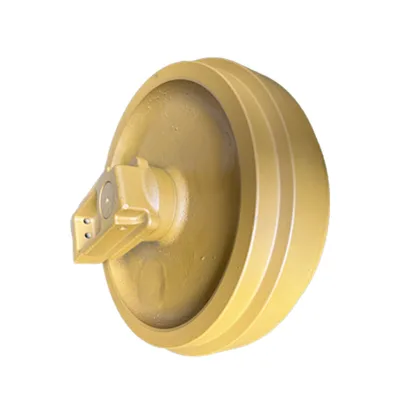
Find 30 Shantui Bulldozer Excavator Idler units from verified Chinese suppliers. Compare models like SD16, D8, and Hitachi variants with prices ranging from 19.9 to 1999 USD and MOQs from 1 to 100 pieces.
Key considerations
Products List


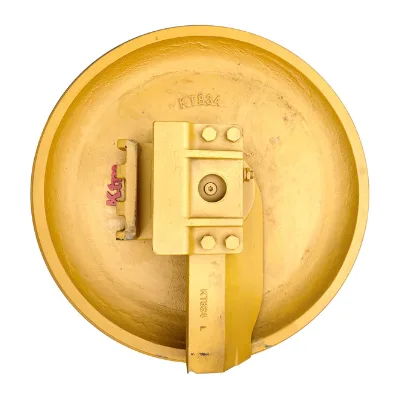


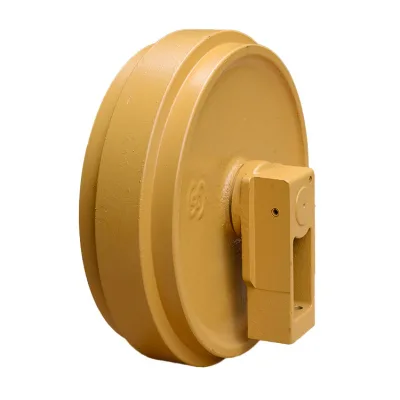
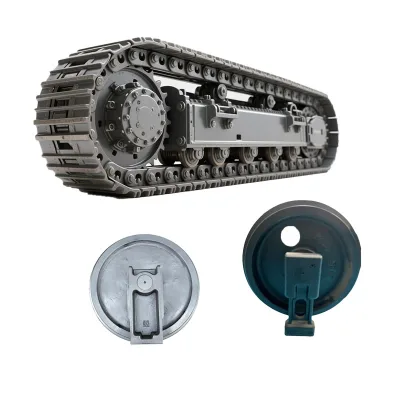
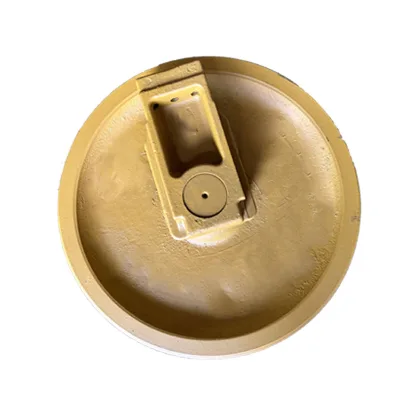


Comprehensive Sourcing Guide
Strategic Sourcing Guide for Shantui Bulldozer and Excavator Idlers
Navigating the global market for heavy machinery components requires a disciplined approach, particularly when sourcing critical undercarriage parts like idlers for Shantui bulldozers and excavators. The idler is a pivotal component that maintains track tension and guides the track chain, directly influencing machine stability and operational efficiency. For procurement professionals, the current landscape presents a diverse array of options, ranging from single-piece orders to bulk industrial shipments. This guide synthesizes available market data to provide a structured framework for evaluating suppliers, verifying product specifications, and ensuring long-term operational reliability without relying on unverified claims.
Understanding Component Specifications and Compatibility
The primary challenge in sourcing idlers lies in the vast array of model compatibility. The market data indicates that idlers are manufactured to fit a wide spectrum of heavy equipment models, including specific Shantui series and international brands. Buyers must verify that the product model numbers align precisely with their machinery fleet. The observed specifications include models such as D8, D9, and D11, which are common in heavy-duty bulldozer applications. Furthermore, specific variants like the D155-3/5, D155A-3, and D155AX-5 represent distinct generations of machinery that require tailored undercarriage components.
Compatibility extends beyond the bulldozer category to excavator applications as well. The data highlights a significant segment of products designed for excavators, with model references including SD13, SD16, SD18, SD20, SD22, SD24, SD26, SD32, SD42, and SD52. Additionally, specific part numbers such as 131-1647, 4I7337, and 20Y-30-00641 are listed, suggesting compatibility with specific OEM designs. It is crucial to note that some listings reference international brands like Hitachi, Kobelco, Volvo, and Hyundai, indicating that the supply chain serves a multi-brand market. However, buyers should treat these cross-compatibility claims as observations to be verified against their specific machine serial numbers rather than universal guarantees. The part name "Front Idler" and general "Idler" classifications appear frequently, but the physical dimensions and spline configurations can vary significantly even within the same model series.
Material Integrity and Manufacturing Processes
The longevity of an idler is fundamentally tied to the raw materials and the manufacturing method employed. High-quality idlers are essential for withstanding the abrasive and high-load conditions typical of construction and mining environments. The available product attributes specify the use of specialized steel alloys, specifically 35MnBH and 40Mn2. These materials are selected for their high tensile strength and wear resistance, which are critical for the idler's roller and bushing surfaces.
Manufacturing methods also play a decisive role in the structural integrity of the component. The market data identifies two primary production techniques: forging and casting. Forging generally produces a denser grain structure, offering superior toughness and resistance to impact loads, which is often preferred for heavy-duty bulldozer idlers. Casting, while cost-effective for certain geometries, may present different fatigue characteristics. Buyers should request detailed metallurgical reports to confirm that the stated material grades (35MnBH/40Mn2) are actually utilized in the final product. The distinction between these methods is not merely semantic; it dictates the maintenance intervals and the overall lifespan of the undercarriage system.
Compliance, Certification, and Quality Standards
In the B2B procurement of industrial machinery parts, compliance with international standards is a non-negotiable requirement for risk mitigation. The observed market data lists certifications such as CE and ISO9001. The presence of these certifications suggests that the manufacturing facilities adhere to specific quality management systems and safety directives. However, the data also notes that some products are manufactured "As customer requestment," indicating a high degree of customization where standard certifications might be secondary to specific client requirements.
Buyers must verify the validity of these certifications independently. The "CE" marking implies conformity with health, safety, and environmental protection standards for products sold within the European Economic Area, while "ISO9001" indicates a certified quality management system. It is important to distinguish between products that are fully certified and those that may only claim compliance. The data mentions "High Quality" and "High Guarantee" as attributes, but these are subjective marketing terms. A rigorous procurement strategy requires requesting copies of the actual certificates and verifying their scope to ensure they cover the specific manufacturing processes used for the idler. Furthermore, the standard "Standard Exporting Packing" and "Standard Pallet" options suggest that packaging is designed to protect the component during international transit, but the specific handling instructions should be confirmed to prevent damage upon arrival.
Cost Drivers and Procurement Economics
The pricing structure for idlers is influenced by several variables, including material costs, manufacturing complexity, and order volume. The observed price range in the market spans from $19.9 to $1999 USD. This wide disparity reflects the difference between small, lightweight components for lighter machinery and heavy, robust idlers for large bulldozers like the D11 or D155 series. The Minimum Order Quantity (MOQ) also varies significantly, with observed ranges from 1 piece to 100 pieces.
For buyers requiring immediate replacement of a single failed part, the availability of a 1-piece MOQ is advantageous, though the unit cost may be higher. Conversely, for fleet maintenance programs, ordering in bulk (up to 100 pieces) can yield significant economies of scale. The payment terms observed include T/T, Money Gram, Western Union, and Paypal, offering flexibility but also highlighting the need for secure transaction protocols. The "Selling Units" are listed as "Single item," which reinforces the market's readiness for both spot purchases and larger contracts. Buyers should be aware that "Hot Product 2024" and "Ordinary Product" marketing tags may influence pricing strategies, with high-demand items potentially commanding a premium. Understanding these cost drivers allows procurement teams to budget accurately and negotiate effectively based on volume and urgency.
Supplier Evaluation and Operational Verification
Selecting the right supplier requires a multi-faceted evaluation process that goes beyond the initial product listing. The data indicates that suppliers are located in various regions of China, including Quanzhou, Guangdong, and Fujian. While these locations are known manufacturing hubs, the specific origin should be verified to ensure logistical feasibility and supply chain stability. A critical aspect of supplier evaluation is the availability of video outgoing-inspection. Some listings offer this service, allowing buyers to visually verify the product condition before shipment, while others state it is "Not Available."
Buyers should prioritize suppliers who provide video inspections and machinery test reports, as these serve as tangible proof of quality. The data notes that "Machinery Test Report" is "Not Avaliable" for some products, which necessitates a more rigorous on-site inspection or third-party verification upon receipt. Additionally, the availability of OEM services is a key differentiator. Suppliers offering "OEM Services Provided" or "OEM Avaliable" can often produce parts that match original equipment specifications more closely, ensuring better fit and performance. The "Warranty" period of 1 year is a standard offering, but buyers should clarify the terms of coverage, including what constitutes a defect versus normal wear and tear.
Quality Control and Long-Term Procurement Strategy
Ensuring consistent quality over time is the ultimate goal of any procurement strategy. The "Video Outgoing-Inspection" feature, when available, acts as a preliminary quality control checkpoint. However, a comprehensive quality control plan should also include post-delivery verification. Buyers should establish clear acceptance criteria based on the material specifications (35MnBH/40Mn2) and the manufacturing method (Forging/Casting). The "High Guarantee" attribute suggests a commitment to quality, but this must be backed by a clear return or replacement policy.
Long-term procurement considerations involve building a relationship with suppliers who can provide consistent lead times. The observed delivery window of 3-30 days offers flexibility, but buyers should negotiate specific timelines based on their operational needs. For critical components like idlers, which can halt entire construction projects if failed, relying on a single supplier with a 30-day lead time might be risky. Diversifying the supplier base and maintaining a strategic inventory of spare parts can mitigate downtime risks. Furthermore, the "Customization" availability allows buyers to tailor specifications to their specific machine conditions, such as operating in extreme temperatures or abrasive environments. By leveraging these customization options, procurement teams can optimize the performance and lifespan of their undercarriage systems.
Conclusion
Sourcing idlers for Shantui bulldozers and excavators requires a meticulous approach that balances technical specifications, compliance verification, and supplier reliability. The market offers a wide range of options, from single-piece orders to bulk shipments, with varying levels of certification and quality assurance. By focusing on verified material grades, manufacturing methods, and supplier transparency, buyers can secure components that ensure operational continuity and cost efficiency. The key to success lies in rigorous due diligence, utilizing available data to validate claims, and establishing clear communication channels with suppliers to manage expectations regarding lead times and quality standards.
FAQs
What materials are used for Shantui Bulldozer Excavator Idler production?
The idlers are manufactured using 35MnBH or 40Mn2 steel alloys. These materials are selected for their high tensile strength and wear resistance to withstand heavy loads.
Which manufacturing methods are available for these idler components?
Both forging and casting production methods are utilized for manufacturing these parts. Buyers should verify which specific method applies to their required model and application.
Can I find Shantui Bulldozer Excavator Idler suppliers with CE certification?
Yes, some listings indicate the availability of CE and ISO9001 certifications. Buyers must verify the validity of these certificates independently to ensure compliance with safety standards.
What is the typical delivery time for Shantui Bulldozer Excavator Idler orders?
The observed delivery window ranges from 3 to 30 days depending on the supplier. Lead times vary based on order volume and specific customization requirements requested by the buyer.
Which packaging options are standard for shipping these idler parts?
Standard options include carton, standard pallet, wooden case, or custom packaging according to customer requirements. The specific packing method depends on the supplier and product size.
Can buyers order single pieces of Shantui Bulldozer Excavator Idler?
Yes, the minimum order quantity can be as low as one piece for single item sales. Bulk orders up to 100 pieces are also available for fleet maintenance programs.
What warranty period is typically offered for these heavy machinery parts?
A standard warranty period of 1 year is commonly provided for these components. Buyers should clarify specific coverage terms regarding defects versus normal wear and tear.