Source Shape Memory Nitinol Wire for Medical, Industrial, Electronics
Compare 30 listings for Shape Memory Nitinol Wire with varying grades, diameters, and surface finishes. Buyers can evaluate specifications like superelasticity, tolerance, and supply forms from verified Chinese manufacturers; compare the available evidence and request quotations based on your requirements.
Key considerations
Products List


0.1-6.0mm Nitinol Shape Memory Alloy Wire Nickel Titanium Wire for Medical
$150.00 - $200.00
MOQ: 1 kg


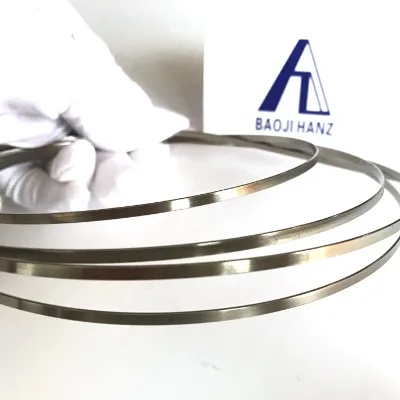
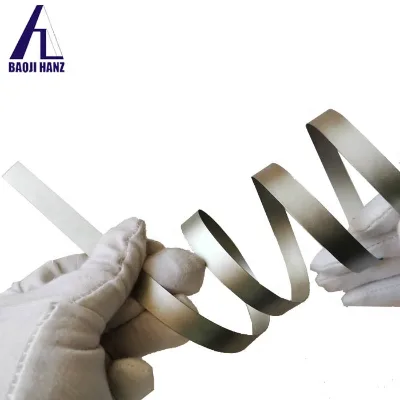


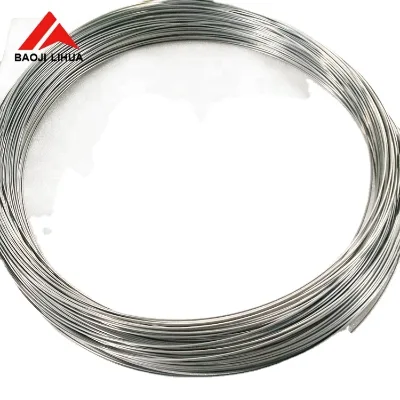
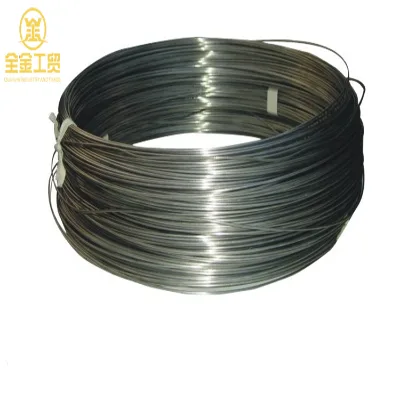


Comprehensive Sourcing Guide
Shape Memory Nitinol Wire Sourcing Guide
Product Scope and Observed Listing Signals
Buyers should first distinguish between standard nickel wire and specialized shape memory alloys, as the market listings often conflate these distinct material categories. The observed data indicates a wide variance in product types, ranging from generic industrial nickel wire to specific nitinol variants with superelastic properties. It is critical to verify whether the supplier is offering true shape memory functionality or merely high-strength elastic wire, as the application requirements for medical devices differ significantly from general industrial uses.
The observed price range of $0.03 to $280 USD suggests a fragmented market with varying quality tiers and minimum order quantities. Some listings specify an MOQ of 10kg, while others require 500 meters, indicating that procurement strategies must align with production volume needs. Buyers must carefully review the supply form, which may be offered as spool wound, straightened, or cold-worked, to ensure the physical format matches their manufacturing equipment and assembly processes.
Technical Specifications to Verify
Verification of diameter and tolerance is paramount, as observed specifications range from 0.1mm to 2.5mm with tight tolerances of ±0.001mm. Buyers must confirm that the supplier can consistently maintain these dimensional accuracies, particularly for micro-scale medical applications where slight deviations can impact device performance. The surface finish options, including black oxidized, lightly oxidized, or bright finishes, should be selected based on corrosion resistance requirements and aesthetic needs for the final product.
The mechanical properties and processing techniques also require strict validation, with options including cold rolled, hot rolled, or straightened superelastic conditions. Buyers should request material test reports to confirm the strength, such as the observed 1300 MPa for certain nickel wires, and ensure the shape memory effect is properly activated. The grade designation, often listed as Niti or specific models like BKNT-I, must be cross-referenced with the desired phase transformation temperatures and elastic recovery rates.
Compliance and Safety Documentation
For medical and aviation applications, compliance with international standards is non-negotiable, with ASTM F2063 and GB/T 24627-2023 being frequently cited references. Buyers must ensure that the supplier provides certificates of conformity that explicitly state adherence to these standards, rather than generic claims. The presence of ISO9001 certification is a baseline indicator of quality management, but it does not guarantee biocompatibility or specific medical device regulatory compliance.
Documentation should also include detailed material traceability and chemical composition analysis to verify the nickel-titanium ratio. Buyers should inquire about additional certifications such as ISO 13485 for medical device manufacturing, although this is not universally present in all listings. Ensuring that the supplier can provide full batch traceability is essential for auditing purposes and for meeting the stringent regulatory requirements of healthcare and aerospace industries.
Cost Drivers and Commercial Terms
The final cost is influenced by multiple factors, including the complexity of the surface finish, the precision of the diameter tolerance, and the specific supply form required. Buyers should anticipate that customized tolerances and specialized packaging, such as wooden cases or DIN spools, will incur additional charges. The observed price term options of EXW, FOB, and CIF indicate that logistics costs can vary significantly depending on the chosen Incoterm and destination port.
Payment terms typically involve a 30% deposit with the balance due before shipment, which is a standard practice for industrial metal products. Buyers must factor in the lead time of 10-15 days into their production planning, as delays in raw material availability or processing can impact delivery schedules. It is advisable to negotiate clear penalties for late delivery and to confirm the exact packaging specifications to prevent damage during transit, especially for delicate wire spools.
Supplier Qualification and Quality Control
Evaluating supplier capability requires assessing their production facilities and quality control processes, with origins in Shanghai, Jiangsu, and Changzhou being common hubs. Buyers should verify that the supplier has dedicated equipment for cold working and straightening, as these processes significantly affect the final mechanical properties of the wire. The ability to offer ODM and OEM services indicates a level of flexibility, but buyers must ensure that the supplier maintains strict control over their proprietary processes.
Quality control measures should include in-process inspections and final testing for diameter, tensile strength, and surface defects. Buyers should request samples for preliminary testing to validate the shape memory effect and superelasticity before committing to large orders. It is also important to confirm the supplier’s ability to handle customized orders, as many listings indicate that standards and dimensions can be tailored to specific client requirements.
Long-Term Procurement Checks
Establishing a long-term partnership requires regular audits of the supplier’s quality management system and consistency in product delivery. Buyers should monitor the supplier’s ability to maintain stable pricing and lead times, as market fluctuations in nickel and titanium can impact costs. Regular communication regarding any changes in standards or manufacturing processes is essential to ensure continued compliance with regulatory requirements.
Continuous improvement initiatives should be encouraged, with feedback loops established to address any quality issues or delivery delays promptly. Buyers should also assess the supplier’s capacity to scale production if demand increases, ensuring that they can meet future volume requirements without compromising quality. Building a robust supply chain involves diversifying suppliers where possible to mitigate risks associated with single-source dependencies and geopolitical factors.
FAQs
What is the purity level of Shape Memory Nitinol Wire?
The Shape Memory Nitinol Wire typically features a purity level exceeding 99.5%. This high-grade material ensures consistent superelastic properties and reliable shape memory effects. It is suitable for demanding applications in medical, industrial, and electronic sectors where material integrity is critical for performance and safety standards.
Which standards does the nitinol wire comply with?
The wire complies with major international standards including ASTM F2063, AISI, ASTM, JIS, and GB/T 24627-2023. These certifications ensure the material meets rigorous quality and safety requirements. Customized standards are also available to meet specific project needs, providing flexibility for diverse industrial and medical applications.
Can the wire be customized for specific projects?
Yes, customization is available for Shape Memory Nitinol Wire. Buyers can request specific diameters ranging from 0.1mm to 2.5mm and customized tolerances. The supplier accepts ODM and OEM requests, allowing for tailored specifications in shape, surface finish, and packaging to suit unique industrial or medical device requirements.
What are the delivery time and payment terms?
The standard delivery time is 10 to 15 days after order confirmation. Payment terms typically require a 30% TT deposit, with the remaining 70% paid before shipment. These terms ensure secure transactions while maintaining efficient production schedules for both small and large volume orders across global markets.
What packaging options are provided for the wire?
Packaging options include DIN spools, cartons, and wooden cases. These methods protect the wire during transit and storage. Wooden cases are often used for bulk shipments, while spools and cartons suit smaller quantities. Proper packaging ensures the wire remains straight or wound as specified, preventing damage before installation.
What is the minimum order quantity for this wire?
The minimum order quantity varies, with some listings starting at 10kg or 500 meters. Buyers should check specific supplier requirements as MOQs can range from 1 to 1000 units depending on the product type and customization needs. This flexibility accommodates both prototype development and large-scale industrial production runs.