Source Shark Cartilage Extract Powder for Cosmetics Food Health Care
Compare 30 listings of Shark Cartilage Extract Powder from verified Chinese suppliers. Options include varying purity levels, mesh sizes, and extraction methods suitable for medicine, food, and cosmetics applications.
Key considerations
Products List


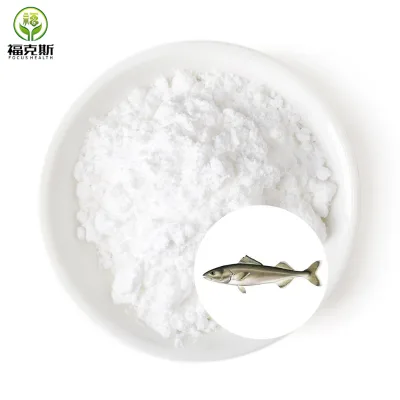
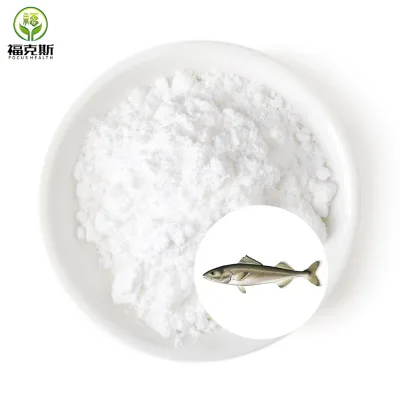
Bulk Fish Cartilage Powders Marine Cartilage Powder Fish Cartilage Extracts
$16.24 - $25.38
MOQ: 1 Minimum


Comprehensive Sourcing Guide
Strategic Sourcing Guide for Shark Cartilage Extract Powder
Understanding Product Specifications and Physical Attributes
When sourcing Shark Cartilage Extract Powder, buyers must first establish a clear understanding of the physical and chemical specifications that define the raw material. The core product is identified as Shark Chondroitin Sulfate Sodium or Shark Cartilage Powder, typically appearing as a white to off-white powder. This physical state is consistent across the majority of listings, though some variations may exist in granular forms. The particle size is a critical parameter for downstream processing; observed specifications indicate that the powder should pass through an 80-mesh screen, with some suppliers offering a broader range of 20 to 120 meshes to accommodate different manufacturing needs.
The extraction process is a primary differentiator in this category. While some product data points to a physical extraction method, others reference chemical extraction or solvent extraction techniques. Buyers must verify the specific method employed by a potential supplier, as this directly impacts the chemical profile and purity of the final extract. The source material is explicitly identified as seafood, specifically shark cartilage, which is often sourced from wild cultivation methods. This distinction is vital for supply chain transparency and sustainability assessments.
Purity levels are another essential specification. Market observations show a range of purity claims, including 90%, 95%, 98%, and values exceeding 99%. The ability to customize purity is frequently noted as an available attribute, allowing manufacturers to tailor the product to specific formulation requirements. Additionally, the solubility of the extract is a key functional property; the product is generally described as water-soluble, which facilitates its integration into various liquid and solid dosage forms. The CAS number 9007-28-7 serves as a standard identifier for this chemical substance, ensuring that buyers are referencing the correct molecular structure during procurement.
Compliance, Certification, and Regulatory Standards
Navigating the regulatory landscape is paramount when importing Shark Cartilage Extract Powder for use in food, cosmetics, or pharmaceutical applications. The product data indicates a robust array of certifications that suppliers may hold, including FDA, HACCP, ISO, GMP, and USP standards. Specifically, the USP (United States Pharmacopeia) standard is frequently cited, with some listings referencing USP40, which denotes a specific grade of purity and quality control. The presence of ISO 9001 certification suggests that the supplier adheres to international quality management systems, while HACCP (Hazard Analysis and Critical Control Points) indicates a focus on food safety protocols.
Buyers must treat these certifications as observations rather than universal guarantees for every listed product. It is the responsibility of the procurement team to request current, valid certificates of analysis (COA) and certification documents directly from the supplier. The standard verification process should include checking the expiration dates of these certifications and ensuring they cover the specific manufacturing facility. Furthermore, the product standard is often listed as a combination of USP, EP (European Pharmacopoeia), and enterprise standards. This implies that while the product may meet pharmacopeial requirements, it also adheres to specific internal quality benchmarks set by the manufacturer.
The origin of the product is another critical compliance factor. The supplied data identifies China as the primary production location. Sourcing from this region requires a thorough understanding of local export regulations and the specific import requirements of the destination country. For instance, if the product is intended for the European market, compliance with REACH regulations and specific food additive approvals is necessary. Similarly, for the United States, FDA registration and adherence to Current Good Manufacturing Practices (cGMP) are mandatory. Buyers should not assume that a product labeled with "FDA" certification is automatically approved for sale in the US without verifying the specific registration status of the facility.
Cost Drivers and Pricing Structures
The pricing of Shark Cartilage Extract Powder is influenced by several dynamic factors, including purity levels, extraction methods, and order volume. The observed price range in the market spans from $2.30 to $300.00 USD per unit, a significant variance that reflects differences in product grade, packaging, and supplier positioning. Lower price points typically correspond to bulk raw materials with standard purity (e.g., 90%) and minimal processing, while higher price points are associated with high-purity grades (e.g., >99%), custom specifications, and pharmaceutical-grade certifications.
Minimum Order Quantity (MOQ) is a substantial driver of unit cost. The observed MOQ range is between 1 and 100 units, offering flexibility for small-scale buyers while potentially incentivizing larger orders through volume discounts. However, buyers must be cautious of suppliers who set high MOQs without providing corresponding price reductions or quality assurances. The packaging method also affects the final cost; standard packaging is typically 25kg drums, but options such as plastic containers or vacuum packing may incur additional charges.
Lead times and logistics costs are often hidden variables in the total cost of ownership. While specific lead times are not provided in the general data, the distance from the origin (China) to the destination market will significantly impact shipping costs and delivery schedules. Buyers should request detailed Incoterms to understand who bears the risk and cost during transit. Additionally, the shelf life of the product, observed to be two years, should be factored into inventory planning to prevent waste and ensure product efficacy upon receipt.
Typical Applications and Market Segments
Shark Cartilage Extract Powder serves a diverse range of industries, driven by its functional properties and perceived health benefits. The primary application sectors identified include medicine, health care products, food, and cosmetics. In the pharmaceutical and health care sectors, the extract is utilized for its potential anti-inflammatory and joint-support properties, often formulated into dietary supplements for the elderly, children, and adults. The specific suitability for these demographic groups highlights the product's versatility in addressing various health needs.
In the food industry, the powder is incorporated into health foods and functional beverages. Its water solubility and off-white appearance make it an ideal ingredient for enhancing the nutritional profile of food products without altering their sensory characteristics significantly. The cosmetic industry also leverages this extract, utilizing its properties in skin care formulations aimed at maintaining skin elasticity and hydration. The "All Seasons" attribute suggests that the product is stable and effective regardless of the time of year, making it suitable for year-round production cycles.
The dosage form is another critical consideration for application. The product is available in powder or granule forms, which allows for flexibility in manufacturing. Whether the end product is a capsule, tablet, liquid supplement, or topical cream, the extract can be adapted to fit the required dosage form. This adaptability makes shark cartilage extract a valuable asset for manufacturers looking to expand their product lines or develop new formulations.
Supplier Evaluation and Quality Control Protocols
Evaluating a supplier for Shark Cartilage Extract Powder requires a rigorous due diligence process that goes beyond surface-level marketing claims. Buyers should prioritize suppliers who demonstrate transparency in their extraction processes and raw material sourcing. Since the cultivation method is often listed as "wild," buyers must inquire about the sustainability of the fishing practices and the traceability of the shark species used. This is particularly important given the global scrutiny on shark conservation and the potential for environmental regulations to impact supply chains.
Quality control is the backbone of a reliable supply chain. The test method specified in the data is High-Performance Liquid Chromatography (HPLC), which is a standard and reliable technique for analyzing the purity and composition of the extract. Buyers should insist on HPLC test reports for every batch of product received. Additionally, the storage method is critical; the product must be stored in a cool, dry place to maintain its stability and prevent degradation. Suppliers who fail to provide adequate storage conditions or documentation regarding their storage facilities pose a significant risk to product quality.
When assessing suppliers, buyers should also consider the brand reputation and the specific product models offered. While specific brand names like "Focus" appear in the data, the focus should remain on the supplier's ability to meet the technical specifications rather than brand loyalty. The model number, such as "Shark cartilage powder" or "USP40," serves as a reference point for the specific grade and quality of the product. Buyers should verify that the supplier can consistently deliver products that match the requested model number and associated specifications.
Long-Term Procurement and Supply Chain Stability
Securing a long-term supply of Shark Cartilage Extract Powder requires strategic planning and a focus on supply chain resilience. The variability in extraction processes, from physical to chemical methods, means that a single supplier may not be able to meet all future needs if product requirements change. Therefore, buyers should consider diversifying their supplier base to mitigate the risk of supply disruptions. Establishing relationships with multiple suppliers who can offer different extraction methods or purity levels can provide the flexibility needed to adapt to market changes.
Contractual agreements should clearly define the terms of quality assurance, including the frequency of testing, the acceptance criteria for purity and particle size, and the procedures for handling non-conforming products. The shelf life of two years provides a reasonable window for inventory management, but buyers should implement a first-in, first-out (FIFO) system to ensure that older stock is used before it expires. Regular audits of the supplier's facilities and quality management systems can help maintain high standards and identify potential issues before they impact production.
Finally, buyers must stay informed about evolving regulations and market trends. The shark cartilage industry is subject to changing environmental and health regulations, which can affect the availability and cost of the raw material. Proactive engagement with industry associations and regulatory bodies can provide early warnings of potential changes and allow buyers to adjust their procurement strategies accordingly. By maintaining a proactive and informed approach, buyers can ensure a stable and reliable supply of high-quality Shark Cartilage Extract Powder for their operations.
FAQs
What certifications do Shark Cartilage Extract Powder suppliers typically hold?
Suppliers often hold FDA, HACCP, ISO, GMP, and USP certifications. These standards ensure food safety and quality management, but buyers must verify current certificates of analysis directly from the vendor before procurement.
How is the extraction process for shark cartilage powder performed?
The extraction process varies between physical, chemical, and solvent methods. Buyers should verify the specific technique used by a supplier as it impacts the final chemical profile and purity of the resulting powder.
What purity levels are available for Shark Cartilage Extract Powder?
Purity levels range from 90% to over 99% depending on the grade. Customized purity options are frequently available to meet specific formulation requirements for pharmaceutical or cosmetic applications.
Can Shark Cartilage Extract Powder be customized for specific applications?
Yes, customization is available for particle size, purity, and packaging. Buyers can request specific mesh sizes like 80 mesh or 100% through 80 mesh to suit their manufacturing needs.
What is the typical shelf life of Shark Cartilage Extract Powder?
The product generally has a shelf life of two years when stored correctly. It must be kept in a cool, dry place to maintain stability and prevent degradation of the active ingredients.
Which packaging options are standard for shipping shark cartilage powder?
Standard packaging includes 25kg drums, plastic containers, or vacuum-packed units. These options protect the powder during transit and are suitable for bulk industrial distribution.
How is the particle size of Shark Cartilage Extract Powder specified?
Particle size is typically specified as 100% passing through an 80 mesh screen. Some suppliers offer a broader range of 20 to 120 meshes to accommodate different processing requirements.