Source Ship Plate Galvanized Steel Coil for Ships, Containers, and Boilers
Find 30 Ship Plate Galvanized Steel Coil options from Chinese suppliers. Compare hot rolled and cold rolled grades like CGCC and Dx51d, available in thicknesses from 0.17mm to 3.0mm with galvanized or prepainted surface treatments for industrial applications.
Updated
Key considerations
Products List

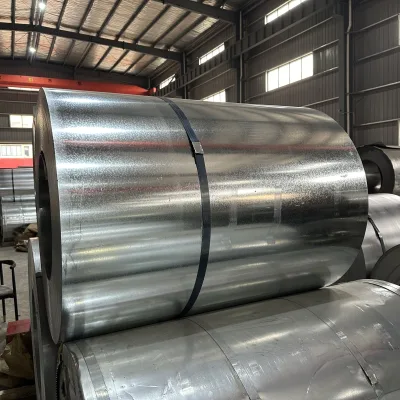
Galvanized Steel Coil Price Galvanized Iron Plate Galvanised Steel Plate
$500.00 - $750.00
MOQ: 25 Tons


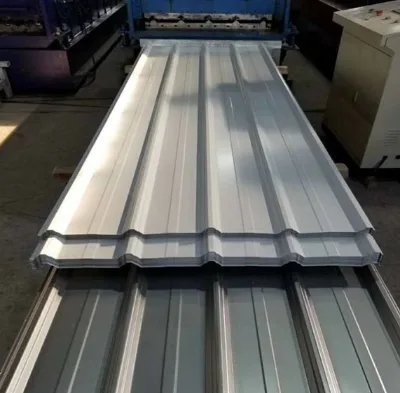
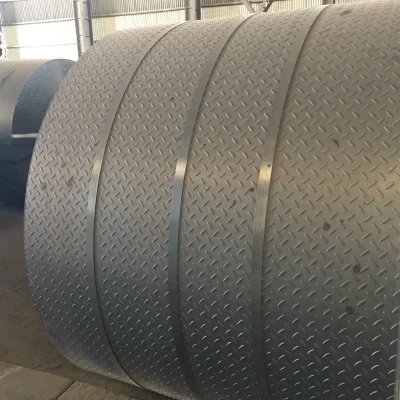
PPGI Coil for Ship Compartment Plate Marine-Grade Corrosion Resistant
$462.9706 - $565.853
MOQ: 1 tons
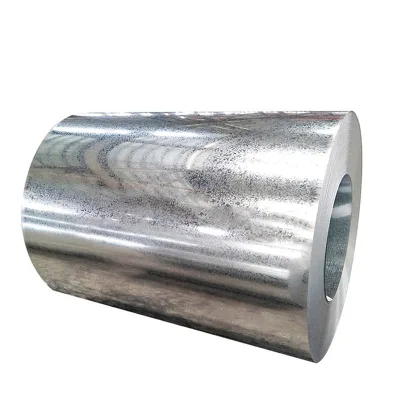
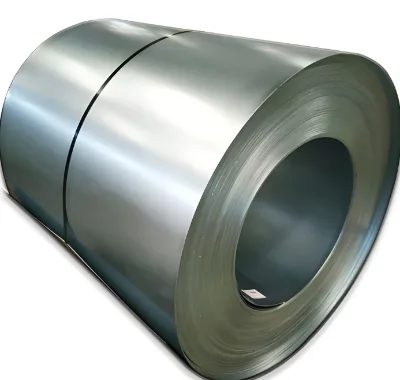


$700.00 - $800.00
MOQ: 1 Tons


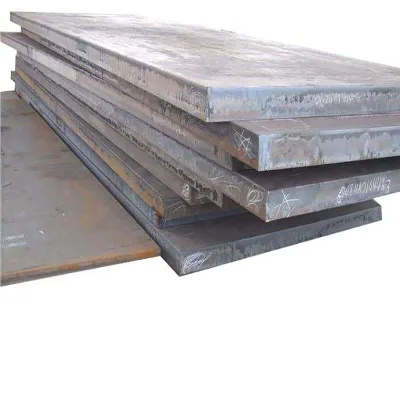

Comprehensive Sourcing Guide
Ship Plate Galvanized Steel Coil Sourcing Guide
Procurement professionals must first distinguish between stock availability and custom production runs when sourcing ship plate galvanized steel coils. The market data indicates a split inventory where some listings offer immediate stock availability while others operate on a non-stock basis with specific lead times. Buyers should verify the "Stock" attribute for each supplier to determine if immediate delivery is feasible or if a production cycle of 10 to 30 days is required. This distinction directly impacts project timelines and inventory planning strategies for maritime construction projects.
The observed price range of 390 to 900 USD suggests significant variance based on thickness, coating type, and order volume. While specific unit costs fluctuate, the minimum order quantity (MOQ) typically ranges from 1 unit to 50 units, with some heavy industrial suppliers requiring a minimum of 25 tons. Buyers must align their procurement volume with these thresholds to avoid prohibitive per-unit costs or logistical inefficiencies. Understanding these commercial baselines is essential before initiating contact with potential vendors to ensure budget alignment.
Product Scope and Observed Listing Signals
The product scope for ship plate galvanized steel coils encompasses a variety of grades including CGCC, Dx51d, Dx52D, SGCC, and Sghc, often available in both hot rolled and cold rolled techniques. Surface treatments are critical, with options ranging from galvanized and aluzinc to prepainted finishes in all RAL colors. Buyers should confirm the specific surface treatment and coating type required for their application, as the choice between galvanized and prepainted affects corrosion resistance and aesthetic requirements for marine environments.
Listing signals reveal that these coils are frequently categorized by specific models such as gsc-001 or RELONG1118, with thicknesses spanning from 0.17mm up to 3.0mm or even thicker custom ranges. The edge finish is another key variable, with options including slit edges and mill edges, which influence downstream processing capabilities. Procurement teams must cross-reference the listed model numbers and edge types against their manufacturing specifications to ensure compatibility with existing shipbuilding machinery and assembly lines.
Technical Specifications to Verify
Thickness verification is paramount, as the supply chain offers standardized ranges like 0.3mm to 3.0mm alongside custom options and specific bands such as 0-1mm or 4-5mm. Buyers must explicitly confirm the exact thickness tolerance and whether the product meets the specific requirements for ship plates, which often demand higher structural integrity than standard coils. The standard width options include 610mm, 750mm, 914mm, and up to 1500mm, requiring precise matching to the vessel's hull design or component dimensions.
Material grade and standard compliance are equally critical, with suppliers citing ASTM, AISI, BS, DIN, GB, and JIS standards. The product origin is predominantly China, with specific hubs like Shanghai, which may influence logistics and quality control protocols. Buyers should request mill test certificates that explicitly reference the applicable standards for the specific grade, such as CGCC or Full Hard, to validate that the material properties meet the rigorous demands of marine applications and high-strength requirements.
Compliance and Safety Documentation
Certification verification is a non-negotiable step, as the market data confirms the presence of ISO, IBR, and RoHS certifications among listed products. These documents serve as proof that the manufacturing process adheres to international quality and environmental standards, which is particularly vital for shipbuilding where safety regulations are stringent. Procurement teams must ensure that the specific certification listed for a product matches the regulatory requirements of the destination country and the classification society overseeing the vessel construction.
Safety documentation also extends to the packaging and handling specifications, with options ranging from export standard packing to containerized delivery and standard seaworthy packing. The surface treatment, such as galvanized coating, must be verified to ensure it remains intact during transit to prevent premature corrosion. Buyers should require detailed packing lists and handling instructions to guarantee that the galvanized finish is protected from damage, ensuring the material arrives in a condition suitable for immediate fabrication.
Cost Drivers and Commercial Terms
Payment terms and delivery timelines are primary cost drivers, with suppliers typically accepting T/T or L/C and offering delivery windows ranging from 10 to 30 days after advanced payment. The price term, often listed as EXW, FOB, CIF, or CFR, significantly affects the final landed cost and the buyer's responsibility for freight and insurance. Understanding these Incoterms is essential for accurate budgeting, as the choice between EXW and CIF determines who bears the risk and cost during the shipping process.
Volume-based pricing and minimum order quantities further influence the total cost of ownership, with some suppliers enforcing a 25-ton MOQ while others allow smaller orders. The customization of thickness and width can also introduce additional costs, as non-standard specifications may require dedicated production runs. Buyers should negotiate based on their projected annual volume to secure more favorable pricing tiers and ensure that the commercial terms align with their cash flow and inventory management strategies.
Supplier Qualification and Quality Control
Supplier qualification requires a rigorous assessment of their production capabilities, specifically their ability to handle hot rolled and cold rolled techniques with precise surface treatments. The presence of specific models like Hot Rolled Galvanized Steel Coil indicates a specialized production line, but buyers must verify the supplier's capacity to maintain consistency across large batches. Quality control should include checks on the edge finish, whether slit or mill, to ensure it meets the dimensional tolerances required for ship plate fabrication.
Quality assurance protocols must also cover the packaging integrity, as the product is often shipped in containers or strips with specific seaworthy packing standards. Buyers should request evidence of past performance in similar applications, such as container plates or boiler plates, to gauge the supplier's reliability. Establishing a clear communication channel for real-time updates on production status and delivery schedules is crucial to mitigate risks associated with supply chain disruptions and ensure timely project completion.
Long-Term Procurement Checks
Establishing a long-term relationship with suppliers involves regular audits of their certification status and adherence to evolving international standards like ASTM and GB. The market shows a mix of stock and non-stock items, so buyers must maintain a flexible procurement strategy that can adapt to supply fluctuations. Continuous monitoring of the supplier's ability to meet lead times and maintain quality consistency is essential for preventing delays in shipbuilding projects that rely on precise material specifications.
Future procurement checks should also focus on the supplier's ability to provide customized solutions as project requirements evolve. The availability of various grades and thicknesses suggests that suppliers can adapt to changing design needs, but this requires proactive communication and updated technical agreements. Buyers should periodically review the supplier's performance against key metrics such as delivery time, defect rates, and compliance with safety documentation to ensure a sustainable and reliable supply chain for future vessel construction.
FAQs
What certifications are available for Ship Plate Galvanized Steel Coil?
Ship Plate Galvanized Steel Coil is available with ISO, IBR, and RoHS certifications. These credentials ensure compliance with international quality and safety standards. Buyers can verify specific documentation directly with suppliers to confirm that the material meets the required regulatory frameworks for shipbuilding and industrial applications.
Can I customize the thickness of galvanized steel coils?
Yes, customization is available for thickness, ranging from 0.17mm to 3.0mm depending on the product type. Some models offer specific ranges like 0.3mm to 3.0mm. Buyers should specify their exact requirements during the inquiry process to ensure the manufacturer can produce the precise dimensions needed for their project.
What is the typical delivery time for these steel coils?
Delivery times typically range from 10 to 30 days after receiving advanced payment. Some suppliers offer faster turnaround within 15 days, while others may take up to a month. The exact lead time depends on stock availability and the specific customization requirements agreed upon during the order confirmation stage.
Which standards apply to galvanized steel coil production?
Production follows ASTM, GB, JIS, AISI, BS, and DIN standards. These standards govern the chemical composition, mechanical properties, and surface treatment quality. Buyers should specify the required standard in their purchase order to ensure the material meets the technical specifications necessary for their specific industrial or marine application.
What are the MOQ and payment terms for orders?
The minimum order quantity is often 25 tons, though some suppliers list MOQs between 1 and 50 units. Payment terms typically include T/T or L/C. Buyers should confirm the specific MOQ and payment structure with the supplier, as these terms can vary based on the product model and order volume.
How is the steel coil packaged for export?
Packaging includes export standard packing, container loading, and standard seaworthy packing. Some items are packed by strip to prevent damage during transit. The packaging ensures the galvanized surface remains intact and protected from moisture and physical impact, meeting the rigorous requirements for international shipping and long-distance logistics.