High Strength Corrugated Steel Sheet Suppliers and Manufacturers
Find 29 verified suppliers offering High Strength Corrugated Steel Sheet with varying lead times, certifications, and locations. Compare response times, MOQs, and price ranges to select the right partner for your project needs today; review the available evidence before requesting comparable quotations from suitable candidates.
Updated
Suppliers List

Hebei Guanhong Trading Co., Ltd.
- Trading Company
- China Hebei
- Lead time30 days
- Avg. response≤ 3h
Main productsRoofing Materials, Galvanized Steel, Construction Material, Sheet Metal, PPGI, Zinc Sheet, Metal Sheet, Galvanized Roofing Sheet, Steel Coil, High Speed Guardrail
Main marketsSouth America,Africa,Southeast Asia/ Mideast

Anti-Corrosion Color Coated Corrugated Sheet High Strength Material Sheet
$400.00 - $700.00
MOQ: 20 Tons


Shandong Fenghong New Material Technology Co., Ltd.
- Verified by SGS
- Combined
- China Shandong
- Lead time23 days
- Avg. response≤ 2h
Main productsStainless Steel Plate
Main marketsAfrica,Domestic

High-Strength Galvanized Steel Sheet - Reliable Corrugated Building Material
$480.00 - $700.00
MOQ: 1 Tons


Shandong Liaocheng Jinzheng Steel Pipe Co., Ltd.
- Verified by SGS Group
- Manufacturer, Trading Company
- Lead time15 days
- Avg. response≤ 2h
Main productsSteel Pipe
Main marketsDomestic Market(80%), Southeast Asia(3%), Africa(3%)

Hangzhou Sukalp Trading Co., Ltd.
- Verified by TUVRHEINLAND
- Trading Company,Manufacturer/Factory
- China Zhejiang
- Lead time0 days
- Avg. response≤ 11h
Main productsPrepainted Steel Coil, Galvanized Steel Coil, Galvalume Steel Coil, Corrugated Steel Sheet, Metal Roofing/Wall Sheet, Sandwich Panel, Steel Strips, C & Z Purlin, Steel Pipes, Galvanized Steel Pipes

Shanghai Sunnyda Industry Co., Ltd.
- Trading Company,Manufacturer/Factory
- China Shanghai
- Lead time23 days
- Avg. response≤ 1h
Main productsContainer House, Steel Structure, Sandwich Panel, Warehouse, PU Sandwich Panel, Mobile Toilet, EPS Sandwich Panel, Rock Wool Sandwich Panel, Cold Room, Container Refeer
Main marketsSouth America,Eastern Europe,Mid East,North America,Southeast Asia,Eastern Asia,Oceania,Western Europe,Africa


Fireproof Corrugated Steel Sheet Corrugated Color Galvanized Steel Sheet
$540.00 - $570.00
MOQ: 1 Tons


Shijiazhuang Sanhe Steel Structure Co., Ltd.
- Verified by SGS Group
- Manufacturer, Trading Company
- Lead time50 days
- Avg. response≤ 1h
Main productsSteel Structure, Prefabricated Warehouses Construction, Metal Workshops, Agricultural Prefab Poultry Farm Shed, Industrial Storage Shed
Main marketsNorth America(19%), Africa(18%), South America(15%)
- Verified by TüVRheinland
- Trading Company
- Lead time20 days
- Avg. response≤ 1h
Main productsGalvalume Steel, Galvanized Steel, Pre-painted Steel Coil, Roll Steel Forming Machine, Capsule House
Main marketsMid East(25%), South America(20%), Africa(20%)
Qingdao Besino Industry And Trade Co., Ltd.
- Verified by TüVRheinland
- Manufacturer, Trading Company
- Lead time10 days
- Avg. response≤ 1h
Main productsSandwich Panel, Corrugated Steel Sheet, Container House, Steel Structure, PPGI Steel Coil
Main marketsOceania(30%), South America(20%), Western Europe(20%)
Zhejiang Certeg International Co., Ltd.
- Trading Company
- Zhejiang, China
- Lead time15 days
- Avg. response≤ 5h
Main productsSteel pipe,Steel coil,Roofing sheet,Steel profile,Sandwich panel
Main marketsAfrica(30.00%), Southeast Asia(30.00%), South America(10.00%), Mid East(10.00%), Oceania(10.00%), Eastern Europe(6.50%), North America(2.00%), South Asia(1.00%), Eastern Asia(0.50%)
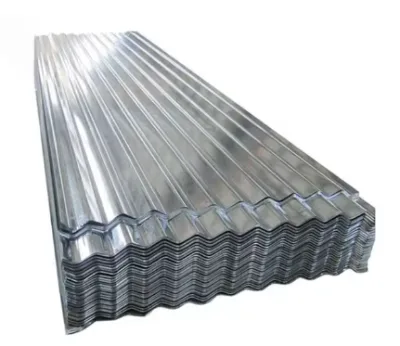
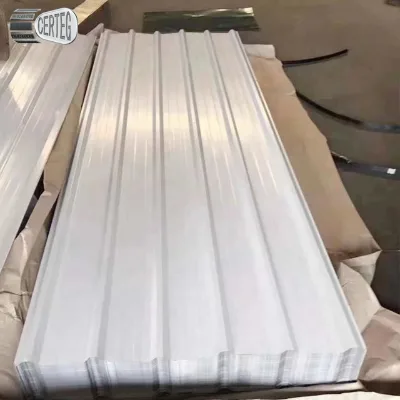
Middle East Anti-Sand Storm Resistant Zinc-Coated Corrugated Steel Sheet
$1.0396 - $3.1173
MOQ: 100 Minimum

Shandong Xingtongda Steel Co., Ltd
- Verified by SGS
- Trading Company
- China Shandong
- Lead time15 days
- Avg. response≤ 2h
Main productsSteel Coil, Steel Pipe, Steel Plate/Sheet, Stainless, Aluminum, Color Coated Steel Coil, Section Steel, Copper, Steel Wire Rpoe, Steel Wire
Main marketsEurope

QINGDAO QINYUAN STEEL CO., LTD.
- Trading Company
- China Shandong
- Lead time15 days
- Avg. response≤ 5h
Main productsGalvanized Steel Coil, Color Coated Steel Coil, PPGI, Gi, Roofing Sheet, Stone Coated Roof Tile
Main marketsSouth America,Southeast Asia/ Mideast
Liangang International Trade (shandong) Co., Ltd.
- Verified by SGS Group
- Trading Company
- Lead time30 days
- Avg. response≤ 3h
Main productsCarbon Steel, Galvanized Steel, Color Coated Steel, hot rolled steel, cold rolled steel
Main marketsMid East(40%), Southeast Asia(35%), Eastern Europe(20%)

Liaocheng Everbright Import And Export Co., Ltd.
- Manufacturer, Trading Company
- Shandong, China
- Lead time15 days
- Avg. response≤ 1h
Main productsCold Rolled Steel Coil,Galvanized Steel Coil,Galvalume Steel Coil,Prepainted Steel Coil,Galvanized Corrugated Steel Sheet
Main marketsAfrica(60.00%), Southeast Asia(20.00%), Central America(5.00%), Mid East(5.00%), Domestic Market(5.00%), Western Europe(3.00%), Oceania(2.00%)
Shaanxi Baizhuo Steel Co., Ltd.
- Verified by SGS Group
- Trading Company
- Lead time15 days
- Avg. response≤ 1h
Main productsCarbon Steel Sheet/Coil, Rebar, Galvanized Steel Plate / Coil, Seamless Steel Pipe, Stainless Steel Sheet / Coil
Main marketsDomestic Market(40%), North America(30%), Western Europe(30%)
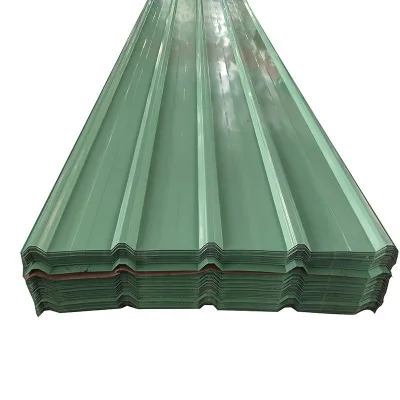
Corrugated Steel Sheet for Container Roofing Sandwich Panel
$490.00 - $522.00

SHIJIAZHUANG QIAZHENG INTERNATIONAL TRADE CO., LTD
- Verified by BV
- Trading Company
- China Hebei
- Lead time15 days
- Avg. response≤ 5h
Main productsLead Sheet, Lead Glass, Lead Door, Lead Barriar /Screen, Hot Tapping Machine, X Ray Protect Lead Apron, Pipeline Stopping Machine, Pipeline Equipment
Main marketsOthers(foreignTradeCapacity.exportBusinessCapacityMarketOther)

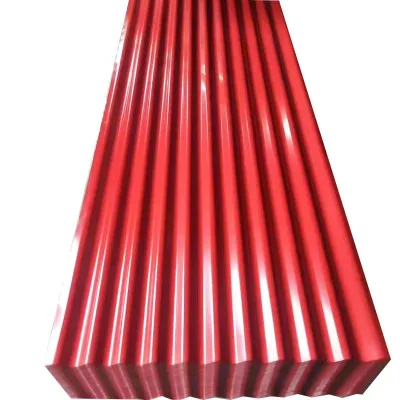
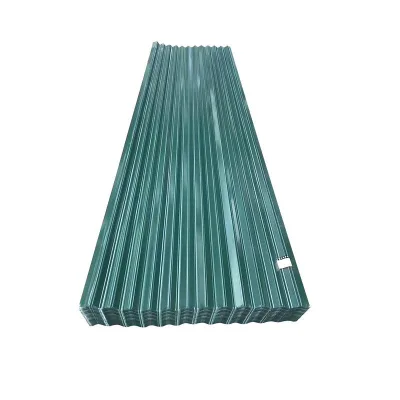
High Quality 0.4mm 0.5mm 0.6mm Thickness with Rust Resistance Corrugated Color Coated Steel Sheet
$500.00 - $800.00
MOQ: 10 Tons


Zhejiang Zhong Ding Iron and Steel Co., Ltd.
- Verified by CTI
- Trading Company
- China Zhejiang
- Lead time15 days
- Avg. response≤ 6h
Main products304 Stainless Steel Plate
Main marketsSoutheast Asia/ Mideast
Angang Metal Products (shandong) Co., Ltd.
- Verified by Intertek
- Trading Company
- Lead time7 days
- Avg. response≤ 10h
Main productsCarbon Steel Plate, Galvanized Plate, Galvanized Steel Pipe, Structural Steel, Stainless Steel
Main marketsSoutheast Asia(25%), Africa(20%), South Asia(20%)
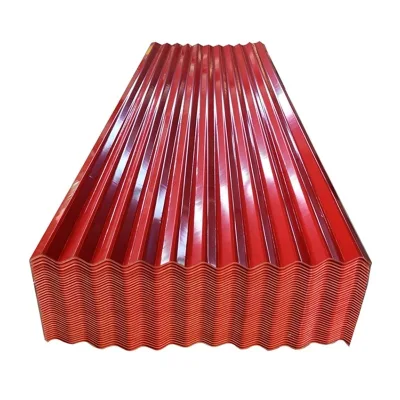
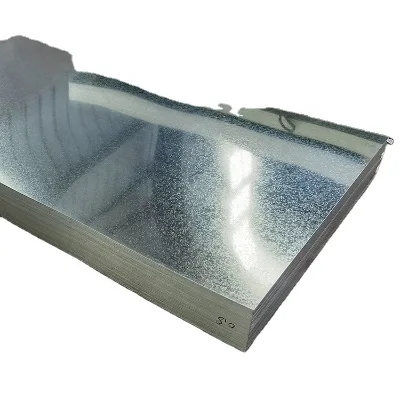
HDG Corrugated Galvanized Steel Sheet Custom Length for Roof Tile Building Projects
$420.00 - $450.00
MOQ: 1
Jiangsu Tisco Industrial Co., Ltd.
- Verified by SGS Group
- Manufacturer, Trading Company
- Lead time7 days
- Avg. response≤ 5h
Main productsStainless Steel Sheet, Stainless Steel Pipe, Stainless Steel Bar, Stainless Steel Coil, Stainless Steel Profile
Main marketsMid East(30%), Southeast Asia(25%), Domestic Market(10%)
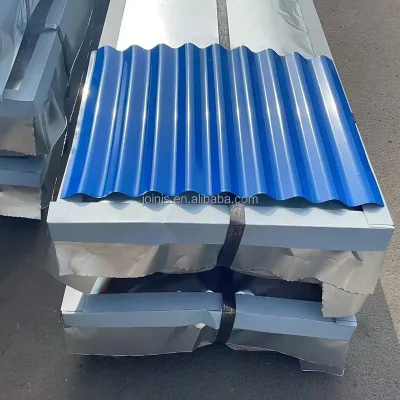
Galvanized Corrugated Steel Sheet Tole/corrugated Steel Sheet/painted Corrugated Board
$515.00 - $560.00
MOQ: 4
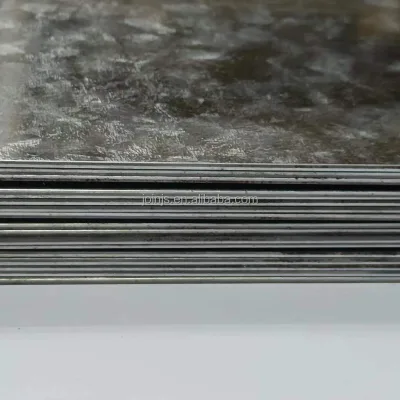
Galvanized Steel Sheet rust Resistant Outdoor Sheet
$599.00 - $760.00

Shanghai Changzeng Metal Co., Ltd.
- Verified by SGS
- Trading Company
- China Shanghai
- Lead time15 days
- Avg. response≤ 3h
Main productsSquare Tube, PPGI, Steel Plate/Coil, Flat Bar, Stainless Steel, Steel Channel, H Beam, Angle Bar, Round Pipe
Main marketsSouth America,Southeast Asia/ Mideast,East Asia(Japan/ South Korea)

Dezhou Hualude Hardware Products Co., Ltd.
- Verified by BV
- Trading Company
- China Shandong
- Lead time15 days
- Avg. response≤ 7h
Main productsIron Nail, Iron Wire, Fence Post, Fence Gate, Wire Mesh, Galvanized Corrugated Sheet, Galvanized Coil, Roll Forming Machine, Concrete Accessory, PPGI Coils
Main marketsSoutheast Asia/ Mideast,Europe,Australia,North America
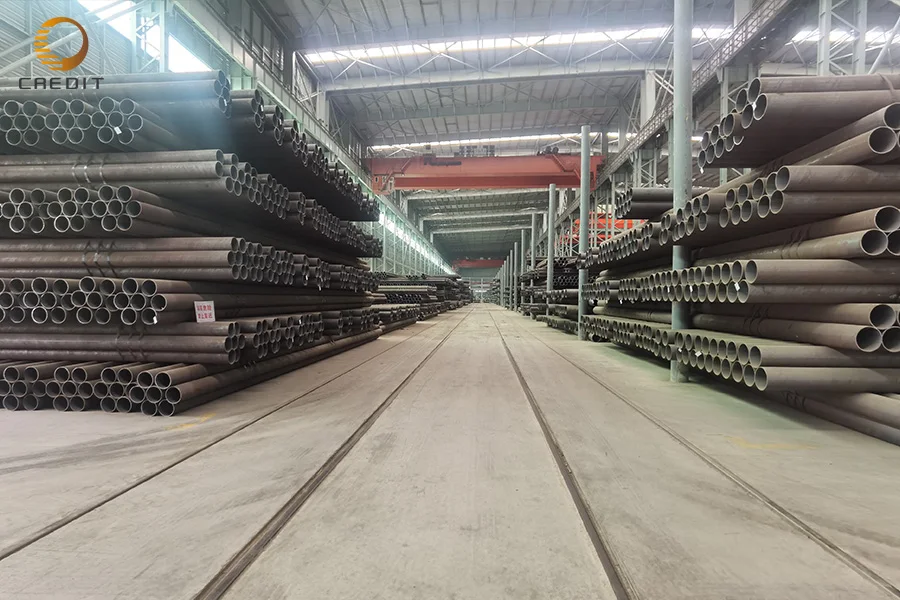
Guangdong Credit Supply Chain Co., Ltd.
- Trading Company
- Guangdong, China
- Lead time0 days
- Avg. response≤ 2h
Main productsSeamless Steel Pipe,Galvanized Steel Pipe,Welded Steel Pipe,Steel Coil,Steel Sheet
Main marketsDomestic Market(10.00%), South Asia(10.00%), Northern Europe(10.00%), Central America(10.00%), Eastern Asia(10.00%), Mid East(10.00%), Africa(10.00%), Southeast Asia(10.00%), South America(10.00%), North America(10.00%)
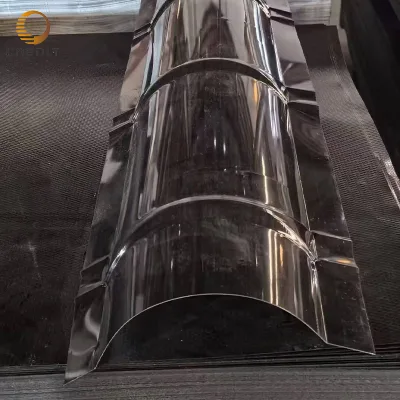
UV Resistant Color Coated Corrugated Sheet 0.4mm-0.7mm for Tropical Climate
$541.00 - $601.00
MOQ: 10 tons
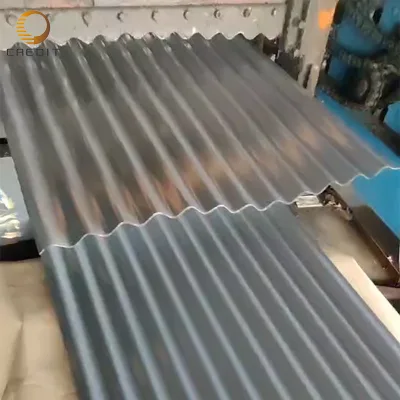
High Quality Decorative Galvanized Corrugated Roofing Steel Sheet ASTM Standard for Insulated Roof
$635.7003 - $666.4587
MOQ: 10 tons
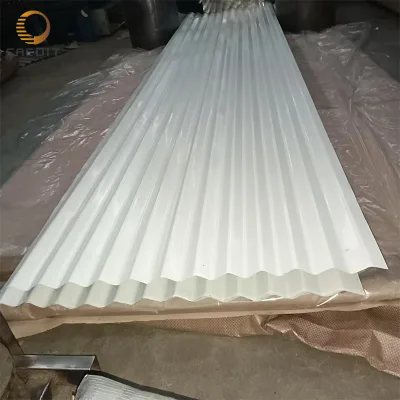
Thick 0.6mm Wide 840mm Long 6m Corrugated Sheet for Warehouse Roofing in Middle East
$571.2983 - $624.2526
MOQ: 10 tons
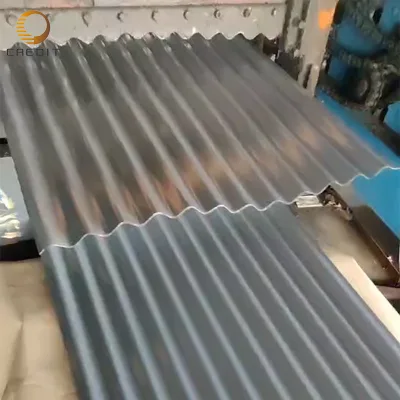
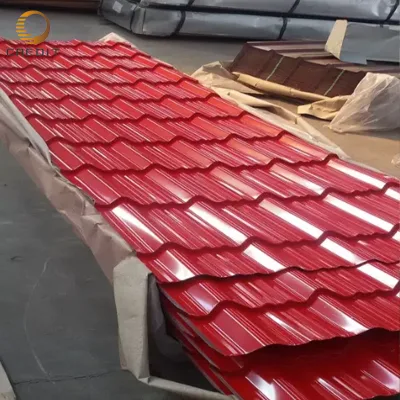
Pre-Painted Galvanized Steel Corrugated Sheet 0.6mm 6m Length for Middle East Projects
$541.00 - $603.00
MOQ: 10 tons
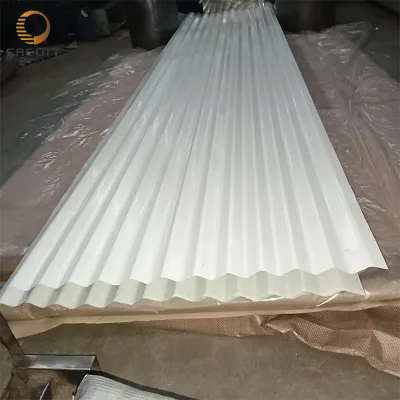
$579.3066 - $656.2064
MOQ: 10 tons
- Verified by TüVRheinland
- Trading Company
- Lead time21 days
- Avg. response≤ 2h
Main productsCarbon Steel Coil, Steel Plate, Galvanized Steel Coil, Stainless Steel Coil, Aluminium Sheet
Main marketsNorth America(50%), Mid East(16%), South America(10%)
Kaitai (shandong) Steel Co., Ltd.
- Verified by TüVRheinland
- Trading Company
- Lead time0 days
- Avg. response≤ 2h
Main productsSteel Sheet, Steel Coil, PPGI, Steel Bar, Steel Profile
Main marketsNorth America(15%), Oceania(15%), South America(10%)
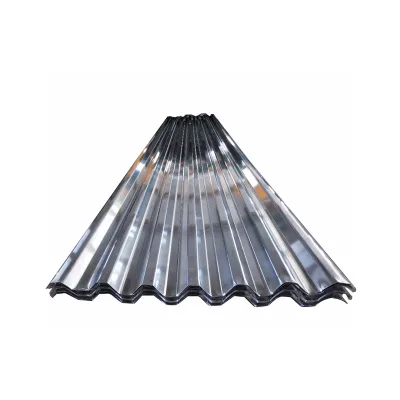
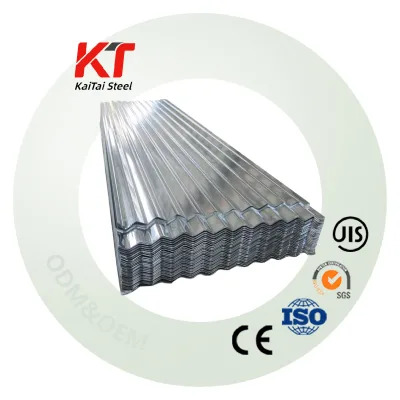
GI/GL Corrugated Galvanized Steel Roofing Sheets 1000/1100mm Width for Shed & Warehouse Roofing
$500.00 - $536.00
MOQ: 1 tons
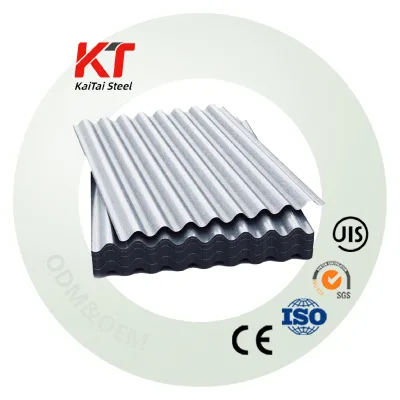
Henan Gdd Metal Materials Co., Ltd.
- Verified by TüVRheinland
- Trading Company
- Lead time20 days
- Avg. response≤ 2h
Main productsCarbon Steel, Stainless Steel, Tinplate, PPGI/PPGL, Galvanized Steel
Main marketsMid East(30%), North America(22%), Southeast Asia(15%)
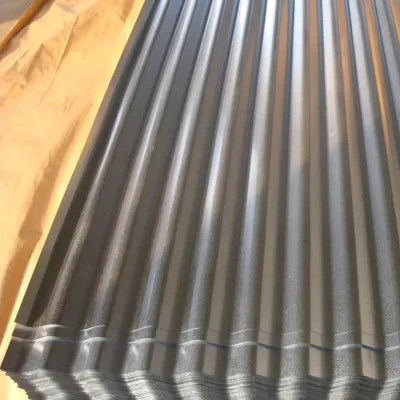
$454.5696 - $659.126
MOQ: 1 tons
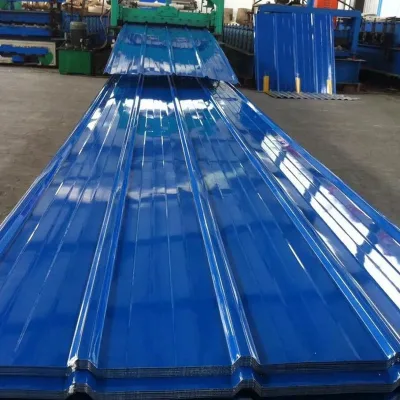
Standard Size Color-Coated Corrugated Steel Sheet Competitive Price with Cutting Processing Service
$490.00 - $688.00
MOQ: 1 tons
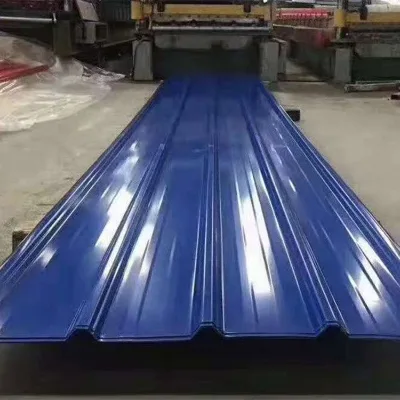
Custom Size and Color Corrugated Galvanized Steel Sheets 0.30mm to 0.70mm Thickness
$490.00 - $688.00
MOQ: 1 tons

TIANJIN SHENGTENG INTERNATIONAL TRADING CO., LTD.
- Trading Company
- China Tianjin
- Lead time23 days
- Avg. response≤ 12h
Main productsSteel Tube/Pipe, Solar Steel Brackets/Accessories, Steel Coil/Sheet, Steel Nail, Pet Iron Cage, Roofing Sheet, Hose Clamps, Angle Bar, Fence Post, Pipe Fitting
Main marketsSouth America,Africa,Southeast Asia/ Mideast,Domestic,Australia,North America
Xi'an Junlin Chicheng Metal Products Co., Ltd.
- Verified by TüVRheinland
- Manufacturer, Trading Company
- Lead time30 days
- Avg. response≤ 2h
Main productsCarbon Steel, Stainless Steel, Aluminum
Main marketsSouth America(30%), Mid East(30%), Southeast Asia(20%)
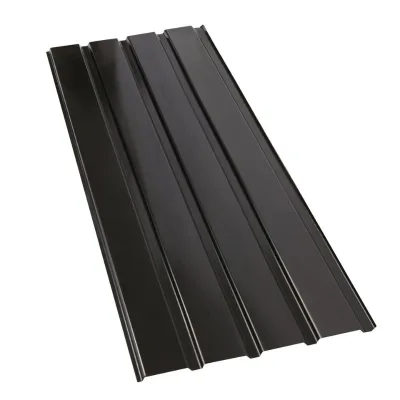
Factory Wholesale Best Price Corrugated Steel Sheet and Galvanized Steel Coil,
$400.00 - $480.00
MOQ: 5
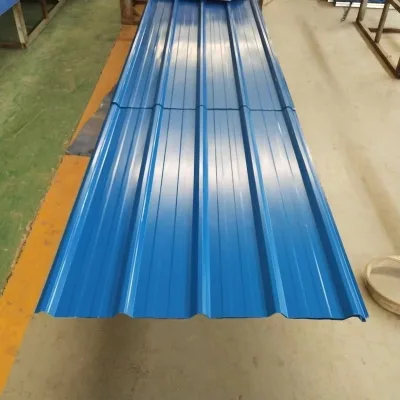
Factory Supplier Aluzinc Coated Corrugated Steel Sheet Corrugated Sheets 48x96 for Home Application
$440.00 - $450.00
MOQ: 5 tons

Hangzhou Tedun Building Materials Co., Ltd.
- Verified by TUVRHEINLAND
- Combined
- China Zhejiang
- Lead time30 days
- Avg. response≤ 22h
Main productsStanding Seam Roofing Panel, Corrugated Steel Sheet, Floor Deck, Flat-Lock Roofing Sheets, Steel Roof Tile, Copper Roofing, Galvanized Zinc Sheets, Sandwich Panels, Interlocking Shingles Panel, Customized Roofing and Wall Sheets
Main marketsSouth America,Southeast Asia/ Mideast,Australia

Liaocheng Haoshuntong Metal Materials Co., Ltd.
- Verified by SGS
- Trading Company
- China Shandong
- Lead time15 days
- Avg. response≤ 2h
Main productsRebar, Carbon Steel Products, Stainless Steel Products, PPGI, Galvanized Steel Products
Main marketsAfrica,Domestic

Color Plate Color Corrugated Sheets, Weather-Resistant Durable, Manufacturer
$450.00 - $660.00
MOQ: 3 Tons


Tianjin Jinnuo Steel Pipe Co., Ltd.
- Combined
- China Tianjin
- Lead time30 days
- Avg. response≤ 9h
Main productsSteel Pipe, Carbon Steel Pipe, Galvanized Steel Pipe, Welded Steel Pipe, Gi Pipe, Seamless Steel Pipe, Steel Plate, Steel Coil, Steel Strip, Steel Profile
Main marketsSouth America,Africa,Southeast Asia/ Mideast,East Asia(Japan/ South Korea),Domestic,Europe,Australia,North America
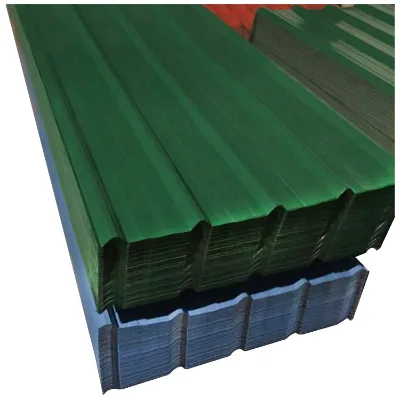








Comprehensive Sourcing Guide
High Strength Corrugated Steel Sheet Supplier Concentration and Factory Types
The current supplier landscape for High Strength Corrugated Steel Sheet reveals a distinct concentration of manufacturing and trading entities within specific Chinese provinces, notably Hebei and Shandong. These regions serve as critical hubs for steel production, offering buyers access to a dense network of potential partners who specialize in metal fabrication and coating processes. The presence of suppliers in these locations suggests established industrial clusters where raw material availability and logistical infrastructure support large-scale production. Buyers evaluating this market should recognize that geographic proximity to these hubs often correlates with competitive pricing and faster turnaround times, as the supply chain for zinc, steel coils, and coating materials is deeply integrated within these provincial economies. Understanding this geographic distribution allows procurement teams to prioritize suppliers who can leverage local resources to maintain consistent quality and volume, which is essential for large construction or industrial projects requiring high strength materials.
Within this concentrated market, the types of companies vary significantly, ranging from pure trading companies to combined entities that may include manufacturing capabilities. Trading companies often act as intermediaries, aggregating products from multiple factories to offer a broader catalog, while combined entities might possess direct control over production lines or have exclusive partnerships with mills. This distinction is crucial for buyers because it impacts transparency, quality control, and communication efficiency. A trading company might offer flexibility in sourcing different grades or finishes, whereas a combined entity or direct manufacturer might provide more technical support and customization options for specific high-strength requirements. Buyers must carefully assess the company type to determine if their needs align with the supplier’s operational model, ensuring that the chosen partner can deliver the specific technical specifications and volume commitments required for High Strength Corrugated Steel Sheet applications without unnecessary layers of communication or markup.
How to Verify High Strength Corrugated Steel Sheet Suppliers
Verifying the legitimacy and capability of suppliers requires a multi-layered approach that goes beyond basic company profiles. Buyers should prioritize suppliers who display third-party verification badges, such as SGS, which indicates that an independent agency has audited the company’s operations and product quality. This verification is a strong indicator of reliability, as it confirms that the supplier has met specific standards for business practices and product integrity. Additionally, examining the response time of potential suppliers provides insight into their operational efficiency and customer service commitment. A rapid response time, such as under three hours, suggests a well-staffed and organized team that can address technical queries and order details promptly, which is vital for maintaining project timelines. Buyers should use these metrics as initial filters to identify suppliers who are not only legitimate but also responsive and engaged in the procurement process.
Beyond verification badges and response speeds, buyers must scrutinize the technical documentation and certifications provided by suppliers. High strength corrugated steel sheets often require specific certifications, such as ISO, RoHS, or IBR, to ensure compliance with international standards and safety regulations. Buyers should request detailed product data sheets that outline the steel grade, thickness tolerance, zinc coating weight, and surface treatment specifications. It is essential to verify that the stated certifications match the actual products being supplied, as discrepancies can lead to compliance issues in the destination country. Furthermore, buyers should inquire about the supplier’s quality control processes, including whether they provide mill test certificates or SGS reports for each batch. This due diligence ensures that the high strength properties of the steel sheet are genuinely achieved and documented, protecting the buyer from receiving substandard materials that could compromise structural integrity.
What to Compare Across High Strength Corrugated Steel Sheet Suppliers
When evaluating multiple suppliers, buyers must compare key operational metrics such as lead time, minimum order quantity (MOQ), and price ranges to determine the best fit for their project. Lead times can vary significantly, with some suppliers offering production cycles of around 23 to 30 days, which impacts inventory planning and project scheduling. Buyers should align their order timelines with the supplier’s stated lead times to avoid delays, especially for large-volume orders. Similarly, MOQs can range from small quantities suitable for testing or small projects to large tonnage requirements that favor bulk purchasing. Understanding these thresholds helps buyers negotiate terms that balance cost efficiency with inventory management, ensuring they do not overstock or face stockouts. Comparing these operational details allows buyers to select suppliers whose logistical capabilities match their supply chain requirements.
Price and product specifications are equally critical factors in supplier comparison. Prices for high strength corrugated steel sheets can fluctuate based on raw material costs, coating specifications, and order volume, with ranges often spanning from $400 to $900 per ton depending on the product grade and finish. Buyers should compare not just the base price but also the value proposition, including customization options, surface treatments, and additional services like packaging or shipping assistance. Product attributes such as thickness, width, zinc coating weight, and hardness levels should be meticulously compared across suppliers to ensure they meet the technical requirements of the end application. By creating a detailed comparison matrix that includes these variables, buyers can objectively assess which suppliers offer the best combination of cost, quality, and service, leading to more informed and strategic sourcing decisions.
Common High Strength Corrugated Steel Sheet Sourcing Risks
One of the primary risks in sourcing high strength corrugated steel sheets is the potential discrepancy between advertised specifications and actual product quality. Suppliers may claim high strength grades or specific zinc coating weights that do not meet the required standards, leading to structural failures or premature corrosion in the final application. Buyers must be vigilant in verifying these claims through independent testing or by requesting detailed mill test certificates for each batch. Another risk is the inconsistency in surface treatments and finishes, which can affect the durability and aesthetic appeal of the steel sheets. Variations in paint thickness, spangle patterns, or coating uniformity can arise from differences in manufacturing processes or quality control practices. Buyers should establish clear quality benchmarks and communicate them explicitly to suppliers to mitigate the risk of receiving products that do not meet their expectations.
Logistical and compliance risks also pose significant challenges in international sourcing. Shipping delays, damage during transit, or non-compliance with import regulations in the destination country can disrupt projects and incur additional costs. Buyers must ensure that suppliers adhere to proper packaging standards to prevent damage, especially for corrugated sheets which are susceptible to bending or scratching. Additionally, buyers should verify that the suppliers’ products comply with relevant international standards and certifications required in their market, such as ASTM, DIN, or JIS standards. Failure to do so can result in customs holds or rejection of goods upon arrival. By proactively addressing these risks through thorough supplier vetting, clear contractual terms, and rigorous quality checks, buyers can safeguard their projects against potential disruptions and ensure the successful delivery of high strength corrugated steel sheets.
High Strength Corrugated Steel Sheet Regional Sourcing and Logistics
Sourcing from regions like Hebei and Shandong offers logistical advantages due to their proximity to major ports and industrial infrastructure. These areas are well-connected to global shipping routes, facilitating efficient export of steel products. Buyers should consider the logistical implications of sourcing from these regions, including transit times to major ports and the availability of reliable freight forwarders. The concentration of suppliers in these hubs can also lead to competitive shipping rates, as carriers often service these areas with regular schedules. However, buyers must also account for potential regional disruptions, such as weather conditions or local policy changes, which could impact production and shipping. Understanding the logistical landscape of these regions helps buyers plan their supply chain more effectively, ensuring timely delivery and minimizing transit-related risks.
In addition to regional logistics, buyers should evaluate the supplier’s packaging and handling practices to ensure product integrity during transit. High strength corrugated steel sheets require robust packaging to prevent damage from moisture, impact, or shifting during transport. Suppliers in these regions may offer various packaging options, such as striping or custom crating, which can be tailored to the buyer’s specific needs. Buyers should discuss packaging requirements with suppliers early in the sourcing process to ensure that the chosen method aligns with their shipping and storage capabilities. Furthermore, buyers should consider the environmental impact of packaging materials and seek suppliers who offer sustainable options if applicable. By integrating logistical considerations into their sourcing strategy, buyers can optimize their supply chain for efficiency, cost-effectiveness, and product protection.
High Strength Corrugated Steel Sheet Commercial Terms and Order Planning
Commercial terms and order planning are critical components of successful sourcing for high strength corrugated steel sheets. Buyers must negotiate clear payment terms, such as letters of credit or escrow services, to protect their financial interests and ensure secure transactions. Escrow services can provide an additional layer of security by holding funds until the buyer confirms receipt and quality of the goods. Additionally, buyers should establish detailed order specifications, including quantity, delivery schedule, and quality acceptance criteria, to avoid misunderstandings and disputes. Clear communication of these terms helps align expectations between the buyer and supplier, fostering a collaborative relationship that supports long-term partnership. By formalizing these commercial terms, buyers can mitigate financial risks and ensure a smooth procurement process.
Order planning also involves forecasting demand and managing inventory levels to align with production schedules. Buyers should work closely with suppliers to develop a reliable supply plan that accounts for lead times, seasonal variations, and potential supply chain disruptions. This planning helps ensure that high strength corrugated steel sheets are available when needed, preventing project delays and production stoppages. Buyers should also consider the flexibility of their suppliers in handling order changes or rush requests, as this can be crucial in dynamic market conditions. By integrating robust order planning with flexible commercial terms, buyers can enhance their supply chain resilience and maintain operational continuity. This strategic approach to commercial terms and order planning ultimately supports the successful execution of projects that rely on high strength corrugated steel sheets.
FAQs
What is the typical lead time for corrugated steel sheets?
Suppliers generally require 30 days to manufacture and ship standard orders. Some facilities in Shandong Province offer faster turnaround times of approximately 23 days. Buyers should confirm specific delivery schedules with the supplier before placing the order to ensure production aligns with project timelines.
What certifications are available for high strength steel sheets?
Common certifications include ISO, RoHS, and IBR standards. These documents verify that the materials meet international quality and safety requirements. Buyers should request these certificates to ensure compliance with local building codes and industry regulations for construction and roofing applications.
What is the minimum order quantity for these products?
Minimum order quantities typically start at 20 tons for bulk industrial purchases. Some suppliers may accept smaller orders with a minimum of one unit. Buyers should verify the specific MOQ with the supplier to determine the most cost-effective purchasing strategy for their needs.
What is the price range for corrugated steel sheets?
Prices generally range from 400 to 900 per metric ton depending on specifications. Factors such as zinc coating weight, thickness, and surface treatment influence the final cost. Buyers should request detailed quotes to compare pricing based on their exact material requirements and order volume.
What response times can buyers expect from suppliers?
Response times vary, with some suppliers replying within 2.84 hours and others within 1.17 hours. Faster response times often indicate more active sales teams. Buyers should prioritize suppliers with quick response rates to ensure efficient communication throughout the sourcing and negotiation process.
What thickness options are available for these sheets?
Thickness options typically range from 0.12mm to 5.0mm for various applications. Specific products may offer thinner gauges starting at 0.105mm or thicker plates up to 5mm. Buyers should select the appropriate thickness based on structural requirements and intended use for roofing or construction.