API 3PE Carbon Steel Pipe Suppliers and Manufacturers
Find 31 verified sources for API 3PE Carbon Steel Pipe with options in Tianjin and Sichuan. Compare response times, lead times, certifications, and price ranges to select the right partner. Contact suppliers directly to request quotes; review the available evidence before requesting comparable quotations from suitable candidates.
Updated
Suppliers List

Tianjin Boer King Steel Import and Export Co., Ltd.
- Trading Company
- China Tianjin
- Lead time30 days
- Avg. response≤ 11h
Main productsCasing Pipe, Seamless Steel Pipe, High Pressure Boiler Tube, Spiral Steel Pipe, Stainless Steel Pipe, Drill Pipe, Rectangle Hollow Section, ERW Steel Pipe, Galvanized Steel Pipe, Steel Coil/Sheet/Plate
Main marketsSouth America,Southeast Asia/ Mideast,Europe,North America

Tianjin RuiTong Iron & Steel Co., LTD.
- Verified by BV
- Combined
- China Tianjin
- Lead time15 days
- Avg. response≤ 21h
Main productsSteel
Main marketsAustralia

- Verified by SGS
- Trading Company,Manufacturer/Factory
- China Sichuan
- Lead time23 days
- Avg. response≤ 3h
Main productsSteel Pipe, Stainless Steel, Steel Plate, Fitting, Flange
Main marketsSouth America,Eastern Europe,Mid East,North America,Southeast Asia,Eastern Asia,Oceania,Western Europe,Africa

Cangzhou Chengsheng Pipeline Equipment Co., Ltd.
- Verified by TUVRHEINLAND
- Trading Company
- China Hebei
- Lead time15 days
- Avg. response≤ 3h
Main productsMetal Part, Steel Pipe, Pipe Fitting
Main marketsEast Asia(Japan/ South Korea),Domestic


Building Material API Steel Pipe High Quality API Carbon Seamless Steel Pipe
$450.00 - $520.00
MOQ: 5 Tons


Durable Seamless Steel Pipes - API Certified Carbon Pipes for Global Buyers
$450.00 - $520.00
MOQ: 5 Tons


Guangzhou Kingmetal Steel Industry Co., Ltd.
- Verified by BV
- Trading Company
- China Guangdong
- Lead time60 days
- Avg. response≤ 4h
Main productsSteel Pipes, Pipes Fittings, Socket Fittings, Flange, Angle Bar, C Chanel, Steel Coils, Steel Plate, Valves, Grooved Fittings
Main marketsSouth America,Africa,Southeast Asia/ Mideast,Europe,North America

Zhejiang Zhong Ding Iron and Steel Co., Ltd.
- Verified by CTI
- Trading Company
- China Zhejiang
- Lead time15 days
- Avg. response≤ 6h
Main products304 Stainless Steel Plate
Main marketsSoutheast Asia/ Mideast

API 5L*70 Welded 3PE Coated Carbon Spiral Welded Steel Pipe for Oil and Gas Line
$550.00 - $750.00
MOQ: 1 Tons

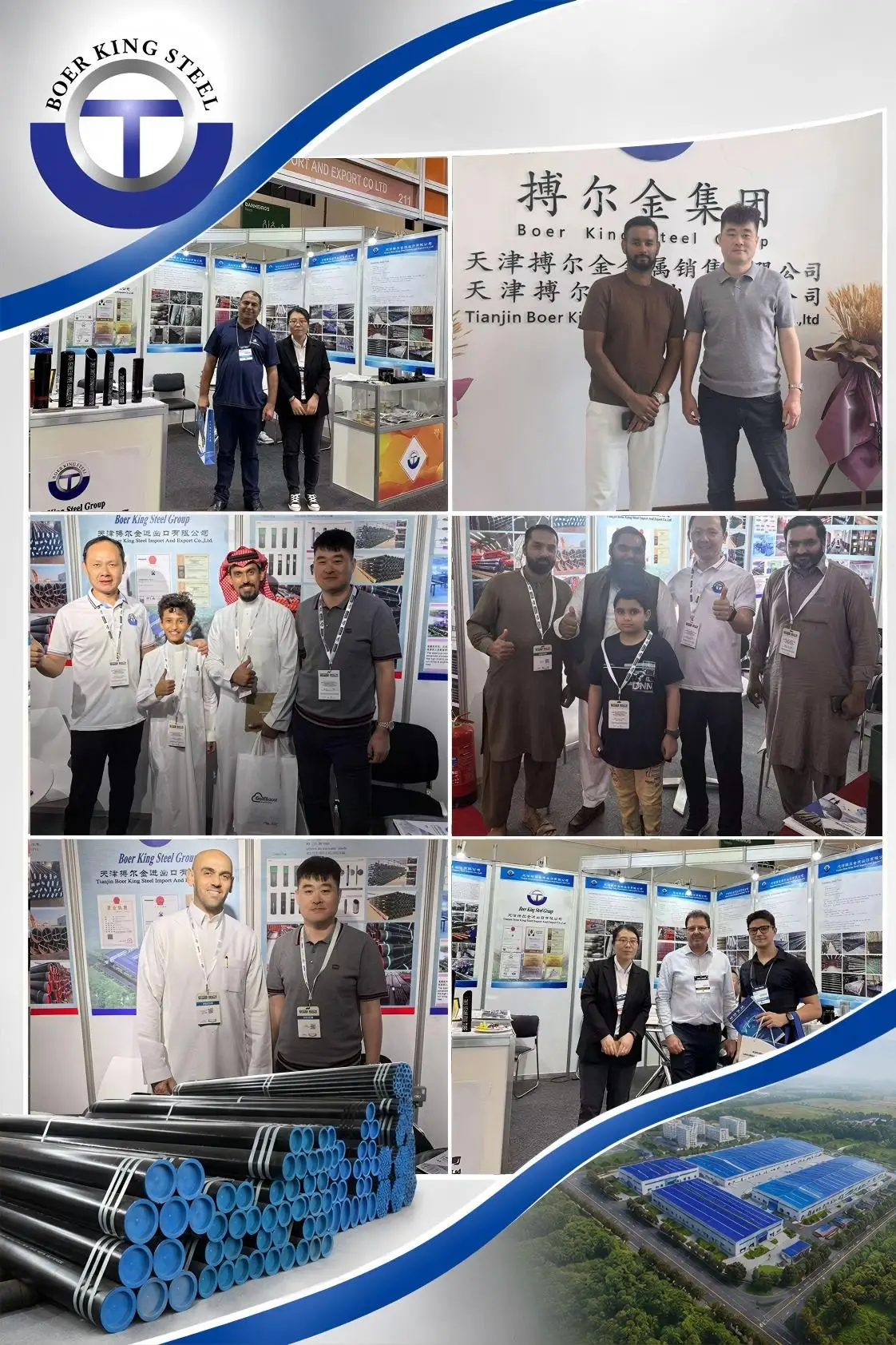
Tianjin Boer King Steel Import And Export Co., Ltd.
- Trading Company
- Tianjin, China
- Lead time20 days
- Avg. response≤ 5h
Main productsSeamless Steel Pipes,API Oil Casing Pipe,welded pipe,ssaw pipe,Pipe Fittings
Main marketsSouth America(30.00%), Domestic Market(25.00%), Mid East(10.00%), Eastern Asia(10.00%), Southeast Asia(10.00%), Eastern Europe(5.00%), Central America(5.00%), Africa(5.00%)

Shandong Rosenwell Petroleum Technology Co., Ltd.
- Verified by TUVRHEINLAND
- Trading Company
- China Shandong
- Lead time15 days
- Avg. response≤ 1h
Main productsMud Pump, Top Drive, Power Tongs, Cement Tools, Solid Control, Bop&Well Head, Handing Tools, Flowline Products, OCTG, Ironrough Parts
Main marketsSoutheast Asia/ Mideast


Seamless Pipe for API Oil and Gas Carbon Steel Welded Pipe Applications
$500.00 - $600.00
MOQ: 25 Tons


Tianjin Tianyingtai Steel Pipe Co., Ltd.
- Verified by SGS
- Trading Company,Manufacturer/Factory
- China Tianjin
- Lead time0 days
- Avg. response≤ 4h
Main productsGalvanized Pipe, Scaffolding Shoring Props, ERW Welded Steel Pipe, Black Square Tube, Hollow Section, API Pipe, Angle Steel, Galvanized Sheet/Plate, Channel Steel, Beam
Main marketsSouth America,Eastern Europe,Mid East,North America,Southeast Asia,Eastern Asia,Oceania,Western Europe,Africa
Jinan Huaping Economic And Trade Co., Ltd.
- Verified by SGS Group
- Trading Company
- Lead time20 days
- Avg. response≤ 2h
Main productsStainless Steel, Carbon Steel, Galvanized Steel, Copper, Aluminum
Main marketsSoutheast Asia(20%), Mid East(20%), South America(10%)
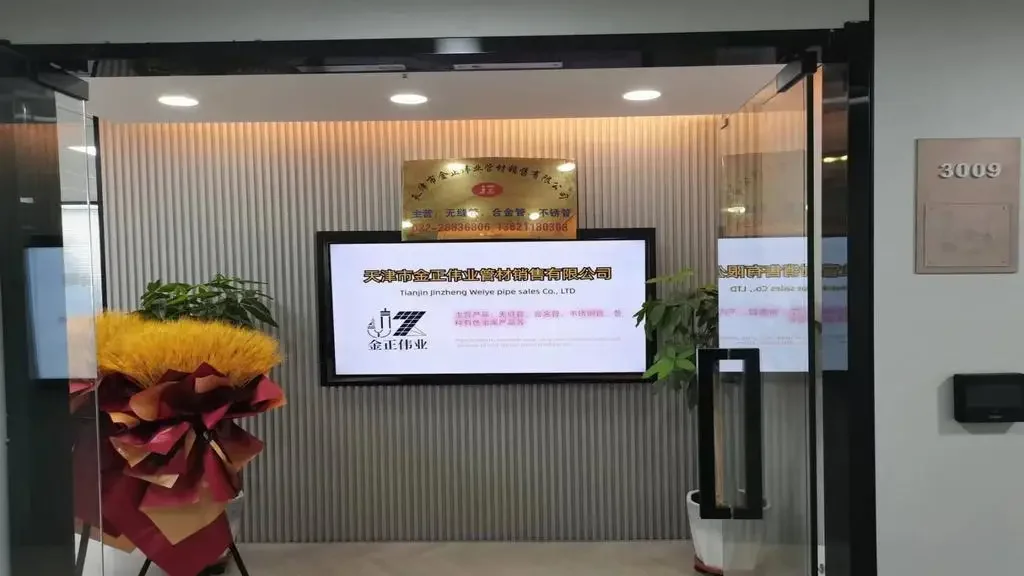
Tianjin Jinzheng Weiye Pipe Sales Co., Ltd.
- Trading Company
- Tianjin, China
- Lead time0 days
- Avg. response≤ 19h
Main productsSeamless Pipe,Stainless Pipe,Carbon Steel Pipe,Prepainted Galvanized Steel Product,Container Houses
Main marketsMid East(50.00%), Southeast Asia(20.00%), North America(20.00%), South America(10.00%)
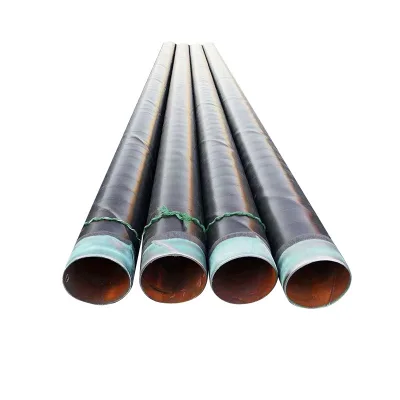
$506.9217 - $636.2395
MOQ: 5 tons
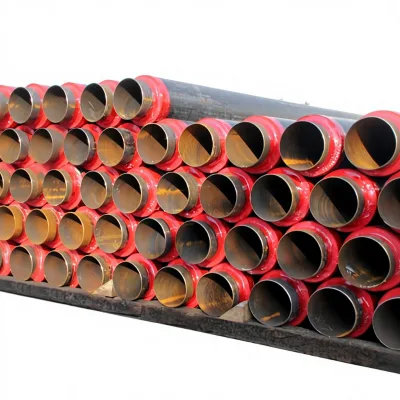
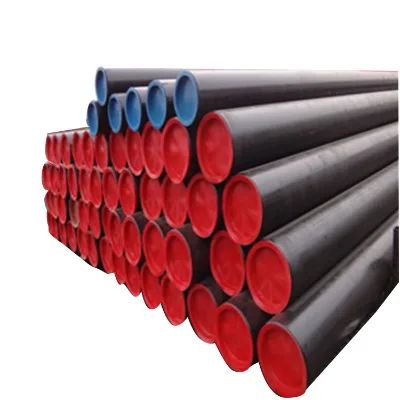
Hot Sales Seamless Carbon Steel Pipe Astm A106 A53 Gr B API 5L API 5CT Manufacturer
$583.00 - $685.00
MOQ: 10
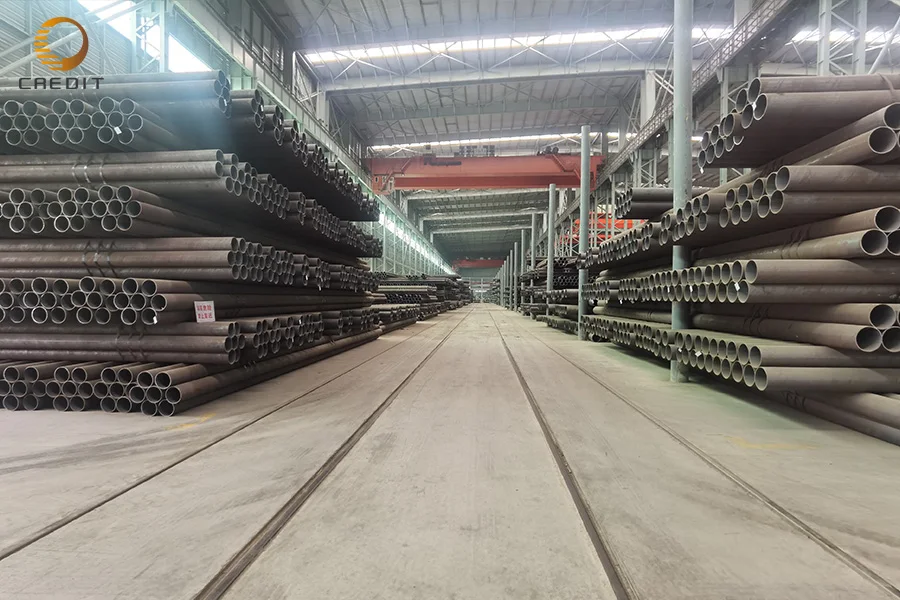
Guangdong Credit Supply Chain Co., Ltd.
- Trading Company
- Guangdong, China
- Lead time0 days
- Avg. response≤ 2h
Main productsSeamless Steel Pipe,Galvanized Steel Pipe,Welded Steel Pipe,Steel Coil,Steel Sheet
Main marketsDomestic Market(10.00%), South Asia(10.00%), Northern Europe(10.00%), Central America(10.00%), Eastern Asia(10.00%), Mid East(10.00%), Africa(10.00%), Southeast Asia(10.00%), South America(10.00%), North America(10.00%)
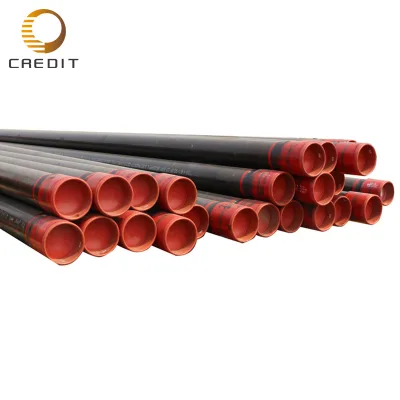
$483.00 - $542.00
MOQ: 5 metric
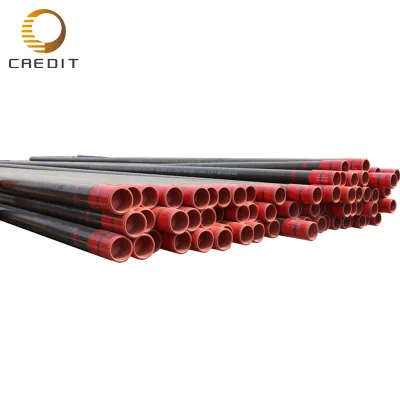
Precision Carbon Tube Seamless Steel Pipe 219mm API 5L X42 Hot Rolled for Gas Pipelines
$470.00 - $560.00
MOQ: 5 tons
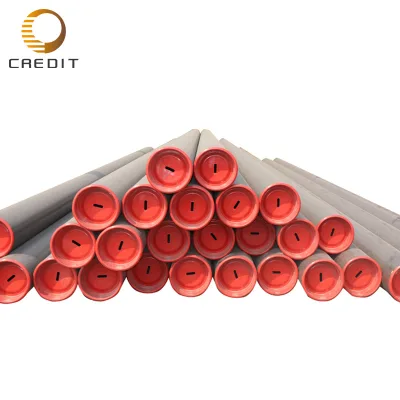
Seamless Carbon Steel Pipe OCTG Sufficient Stock ASTM A106 A53 API 5L GR.B
$502.4082 - $553.6743
MOQ: 25 metric
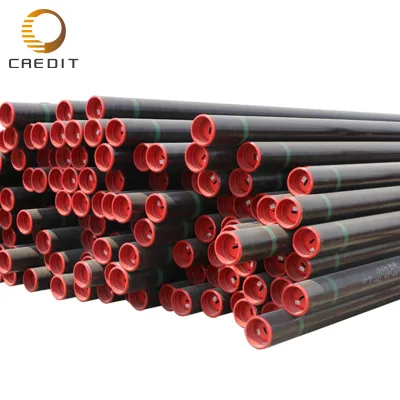
Durable Seamless Carbon Steel Pipe Tube OEM & ODM Supported for Oil and Gas Industry
$475.00 - $550.00
MOQ: 5 tons
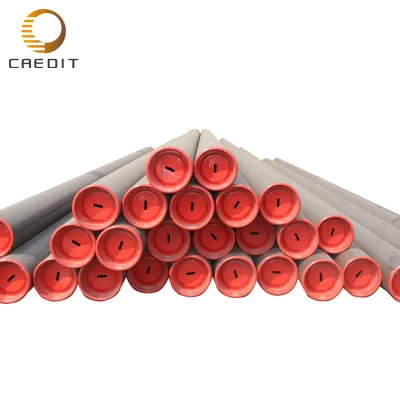
$486.00 - $555.00
MOQ: 5 metric
Tianjin Kunyu Juyixiang Technology Co., Ltd.
- Verified by Intertek
- Manufacturer, Trading Company
- Lead time7 days
- Avg. response≤ 1h
Main productsColor Coated Roll , Galvanized Coil, Galvanized Pipe, Galvanized Sheet, H-Section Steel
Main marketsSoutheast Asia(40%), Mid East(30%), Africa(10%)
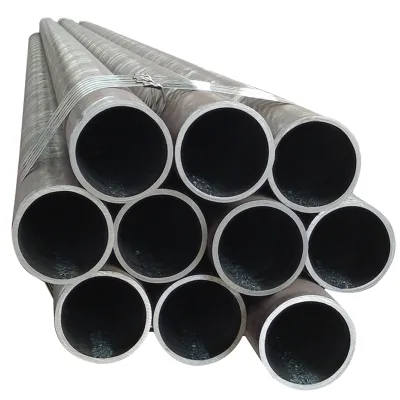
Hot Selling Carbon Steel Pipe High-strength and Durable Carbon Steel Pipe
$500.00 - $530.00
MOQ: 5 tons
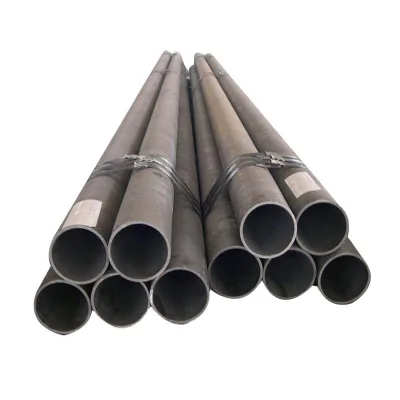
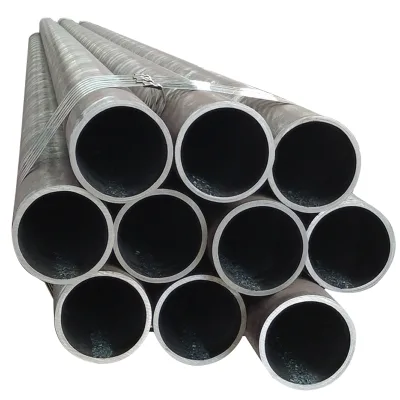
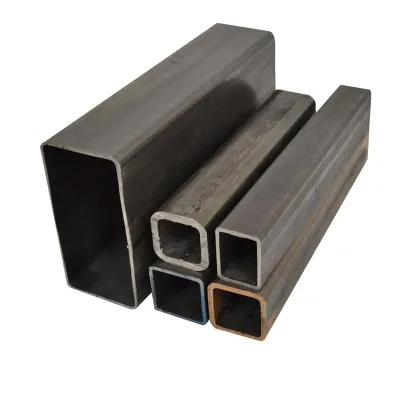
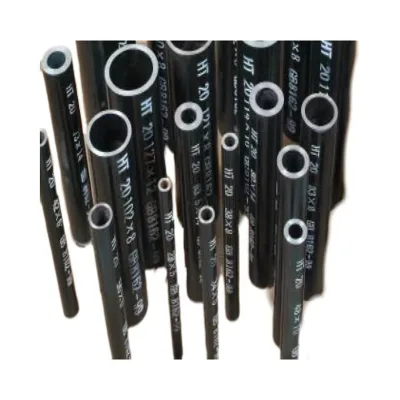
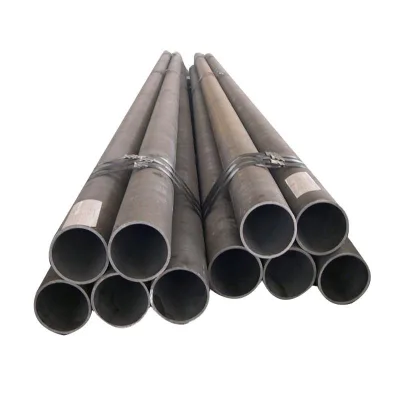
Reliable Black and Galvanized Carbon Steel Round Pipes for Various Uses
$516.9074 - $527.2466
MOQ: 1 tons
Shanxi Yobest Metal Products Co., Ltd.
- Trading Company
- Shanxi, China
- Lead time21 days
- Avg. response≤ 3h
Main productsMetal Building Materials,Hardware Products,Metal Materials
Main marketsNorth America(35.00%), Southeast Asia(15.00%), South America(15.00%), Eastern Europe(10.00%), Northern Europe(10.00%), Western Europe(10.00%), Oceania(5.00%)
Shandong Liaocheng Jinzheng Steel Pipe Co., Ltd.
- Verified by SGS Group
- Manufacturer, Trading Company
- Lead time15 days
- Avg. response≤ 2h
Main productsSteel Pipe
Main marketsDomestic Market(80%), Southeast Asia(3%), Africa(3%)
- Trading Company
- Jiangsu, China
- Lead time0 days
- Avg. response≤ 4h
Main productsCarbon Steel,Tool Steel,Alloy Steel,Copper Alloy,Aluminium Alloy
Main marketsSouth America(30.00%), Mid East(20.00%), Central America(10.00%), North America(10.00%), Africa(10.00%), Southeast Asia(10.00%), Eastern Europe(10.00%)
Liaocheng Zhentong Steel Pipe Co., Limited
- Verified by TüVRheinland
- Manufacturer, Trading Company
- Lead time7 days
- Avg. response≤ 2h
Main productsSeamless Steel Pipe, Galvanized Steel, Steel Profile, Stainless Steel, Steel Bar
Main marketsDomestic Market(50%), Mid East(11%), South America(10%)
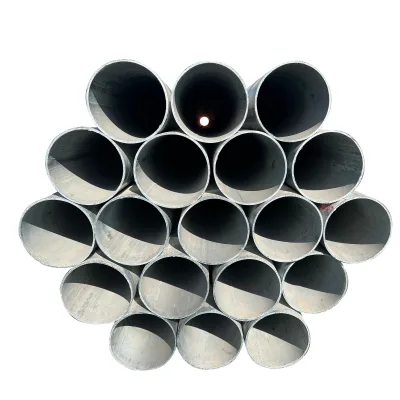
Seamless Carbon Steel Pipe Oil Gas Transport Pipe 5.16 mm Wall Thickness Carbon Seamless Steel Pipe
$460.00 - $550.00
MOQ: 1 tons

Henan Steel Guang International Trade Co., Ltd.
- Verified by BV
- Trading Company,Manufacturer/Factory
- China Henan
- Lead time23 days
- Avg. response≤ 11h
Main productsSteel Plate, Steel Tube, Angle Steel Bar, Round Bar, CNC Cutting Service, Steel Plate Cutting, Flame Cutting Service, Cutting Steel Plate, Seamless Steel Tube, Wear Resistant Steel Plate
Main marketsSouth America,Mid East,North America,Southeast Asia,Eastern Asia,Western Europe,Africa

Tianjin Youfa International Trade Co., Ltd.
- Verified by SGS
- Combined
- China Tianjin
- Lead time30 days
- Avg. response≤ 5h
Main productsSteel Pipe, Steel Tube, Welded Steel Pipe, ERW Pipe, Galvanized Welded Steel Pipe, Square and Rectangular Tube, Gi Pipe, Galvanized Pipe, Square Tube, Rectangular Tube
Main marketsSouth America,Southeast Asia/ Mideast,North America


Galvanized Carbon Steel Pipe Round 1200mm Diameter Carbon Steel Pipe 18 Inch Carbon Steel Pipe
$550.00 - $610.00
MOQ: 1 Tons
Shandong Kehuan Petroleum Equipment Co., Ltd.
- Verified by TüVRheinland
- Manufacturer, Trading Company
- Lead time15 days
- Avg. response≤ 3h
Main productsSteel Pipe, Steel Plate And Sheets, Round Bar, Section Steel And Angle Steel, Stainless Steel Pipe
Main marketsDomestic Market(70%), Southeast Asia(6%), Mid East(4%)
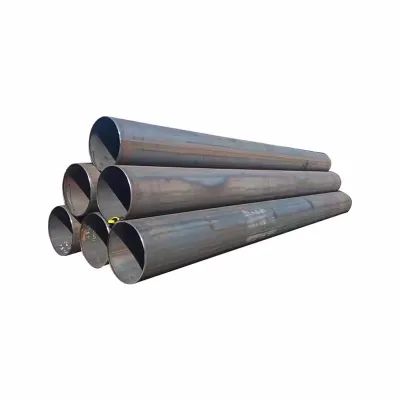
Factory Direct Factory Price S275JR A53 Carbon Steel Customized Carbon Steel Pipe
$442.00 - $448.00
MOQ: 1
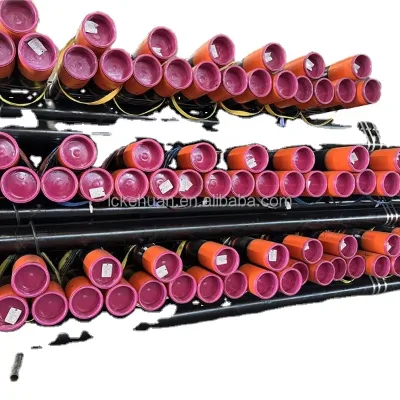
Hot-sale ASTM API 5L A106 A36 Oil and Gas Pipeline Stainless Steel Seamless Carbon Steel Pipe
$500.00 - $550.00
MOQ: 20
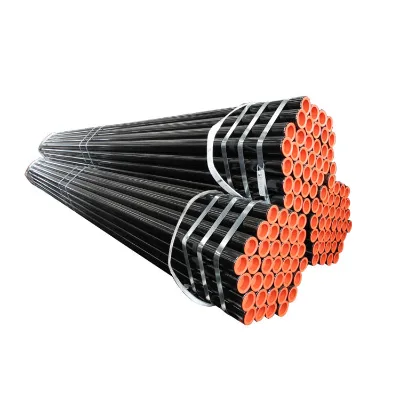
Satisfaction Guarantee Astm A106 A53 Api 5l Low Carbon Seamless Black Steel Pipe
$525.00 - $550.00
MOQ: 20
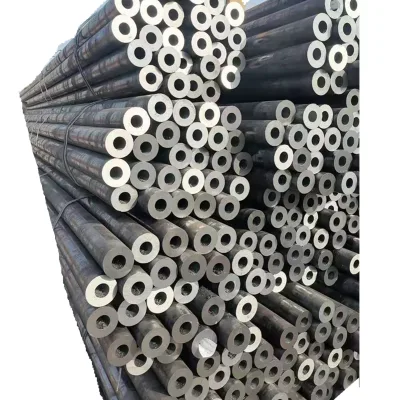
High Quality 10# 20# 45# Seamless Round Carbon Steel Pipe for Oil and Gas Pipeline f
$359.00 - $429.00
MOQ: 1

SHUIFU HANYANG MACHINERY TECHNOLOGY CO., LTD
- Verified by TUVRHEINLAND
- Trading Company
- China Yunnan
- Lead time30 days
- Avg. response≤ 3h
Main productsManufacturing Processing Machinery, Sheet Metal Stamping, Springs, Stud Bolt, Clamp, Washer, Nut, Screw, Rivets, Stainless Steel
Main marketsSoutheast Asia/ Mideast,Europe,North America
Liaocheng Jiaxiang Steel Pipe Co., Ltd.
- Verified by SGS Group
- Trading Company
- Lead time15 days
- Avg. response≤ 1h
Main productsStainless Steel, Galvanized and PPGI Steel, Steel Pipes, Steel Structure, Highway Guardrail
Main marketsEastern Europe(30%), Southeast Asia(20%), South Asia(10%)
$536.2615 - $636.6815
MOQ: 10 tons

- Verified by SGS
- Trading Company,Manufacturer/Factory
- China Jiangsu
- Lead time23 days
- Avg. response≤ 12h
Main productsStainless Steel Sheet, Steel Plate, Stainless Steel Coil, Stainless Steel Pipe, Steel Pipe, Alloy Steel, Stainless Steel Bar, Steel Strip, Cold Rolled Coil, Seamless Steel Pipe
Main marketsSouth America,Eastern Europe,Mid East,North America,Southeast Asia,Eastern Asia,Oceania,Western Europe,Africa
Shanghai Fenggang Steel Group Co., Ltd.
- Trading Company
- Shanghai, China
- Lead time0 days
- Avg. response≤ 7h
Main productsStainless Steel Plate,Stainless Steel Pipe,Stainless Steel Strip,Carbon Steel Plate,PPGI
Main marketsSoutheast Asia(20.00%), Mid East(20.00%), South America(20.00%), North America(20.00%), Eastern Europe(5.00%), Southern Europe(5.00%), Northern Europe(5.00%), Western Europe(5.00%)
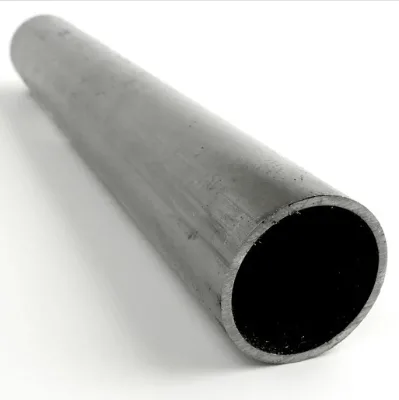
Seamless API Q235 Q345 inch carbon steel pipe for telecommunication tower
$672.9151 - $724.677
MOQ: 1 tons
- Trading Company
- Jiangsu, China
- Lead time0 days
- Avg. response≤ 14h
Main productsSquare Pipe,Steel Pipe,Steel Coil,Steel Plate
Main marketsSoutheast Asia(37.00%), Mid East(20.00%), South America(14.00%), Africa(13.00%), Eastern Europe(12.00%), Domestic Market(4.00%)
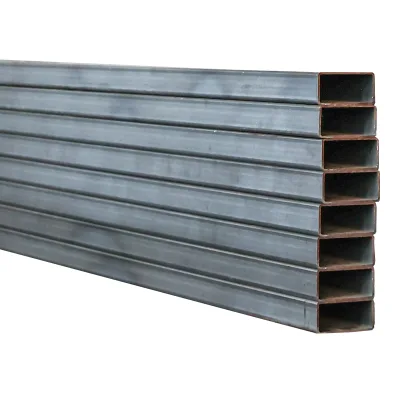
Q195 Q235 Mild Steel Pipe Carbon Steel square Tube Sae 1006 Carbon Steel Rectangular Pipe
$582.00 - $630.00
MOQ: 25
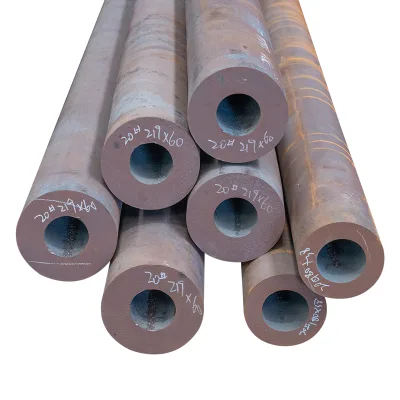
$462.9794 - $565.8635
MOQ: 10 tons

Shanghai Ali-Mama Steel Trading Co., Ltd.
- Verified by BV
- Trading Company,Manufacturer/Factory
- China Shanghai
- Lead time23 days
- Avg. response≤ 5h
Main productsSteel Tube and Pipe, Steel Construction, Carbon Steel Pipe, Stainless Steel Pipe, PVC Pipe and PE Pipe, Longitudinal Seam Steel Pipe, Spiral Seam Steel Pipe, Stainless Steel Plate, PPGI, Galvanized Zin Coating
Main marketsSouth America,Mid East,Southeast Asia,Oceania,Africa


Hot Selling! API 5L Grade B Seamless Pipe Carbon Steel Pipe Carbon High Quality
$500.00 - $600.00
MOQ: 10 Tons

Xi'an Dongmeng Group Co., Ltd.
- Verified by SGS Group
- Manufacturer, Trading Company
- Lead time15 days
- Avg. response≤ 3h
Main productsAluminum series, Galvanized series, Stainless steel series, Carbon steel Products
Main marketsNorth America(30%), Western Europe(30%), South America(20%)
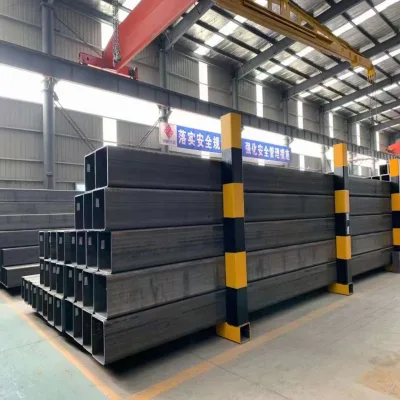
Carbon Steel Seamless Pipe for Boiler Drill Applications Welding Processed Chinese Factories
$350.00 - $390.00
MOQ: 25
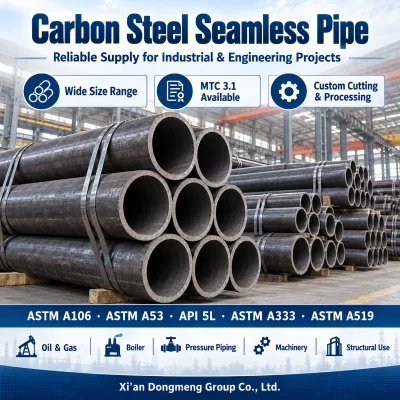
Carbon Steel Seamless Pipe for Oil Gas Boiler Machinery Structural and Pressure Applications
$405.00 - $450.00
MOQ: 3
Ketuo (shandong) Steel Co., Ltd.
- Verified by TüVRheinland
- Trading Company
- Lead time15 days
- Avg. response≤ 2h
Main productsHot Rolled Steel Coil, Cold Rolled Steel Sheet, Stainless Steel Coil, PPGI / PPGL, Aluminum Sheet
Main marketsMid East(23%), Eastern Asia(20%), Southeast Asia(15%)
- Verified by TüVRheinland
- Trading Company
- Lead time21 days
- Avg. response≤ 2h
Main productsCarbon Steel Coil, Steel Plate, Galvanized Steel Coil, Stainless Steel Coil, Aluminium Sheet
Main marketsNorth America(50%), Mid East(16%), South America(10%)

Shandong Xingtongda Steel Co., Ltd
- Verified by SGS
- Trading Company
- China Shandong
- Lead time15 days
- Avg. response≤ 2h
Main productsSteel Coil, Steel Pipe, Steel Plate/Sheet, Stainless, Aluminum, Color Coated Steel Coil, Section Steel, Copper, Steel Wire Rpoe, Steel Wire
Main marketsEurope

Black Carbon Steel Seamless Pipe45# Carbon Steel Seamless Steel Pipe Oil Pipe
$600.00 - $880.00
MOQ: 1 Tons


Haihong (jiangsu) Steel International Trade Co., Ltd.
- Trading Company
- Jiangsu, China
- Lead time10 days
- Avg. response≤ 3h
Main productsRoofing Sheet Color Coated,Color Steel Plates,Galvanized Steel Coil,Prepainted Galvanized Steel Coil,Steel Plates
Main marketsSoutheast Asia(30.00%), Eastern Europe(20.00%), North America(10.00%), Central America(10.00%), Eastern Asia(9.00%), South America(5.00%), Western Europe(4.00%), South Asia(3.00%), Mid East(3.00%), Northern Europe(3.00%), Oceania(1.00%), Southern Europe(1.00%), Africa(1.00%)
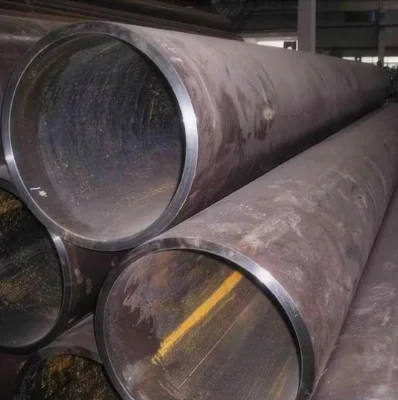
ISO 9001 Certified High-Strength Carbon Steel Pipe for Construction and Industrial Applications
$595.0955 - $800.3005
MOQ: 1 tons
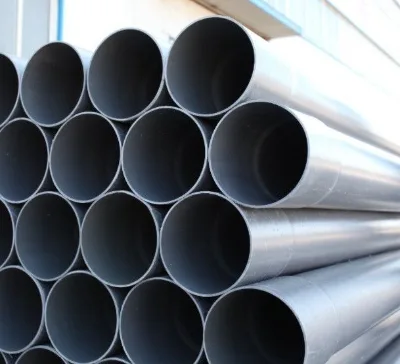
$717.7248 - $820.2569
MOQ: 1 Minimum




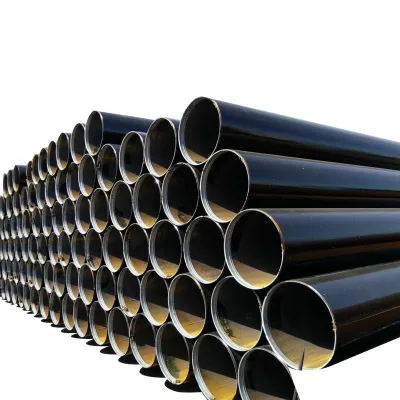
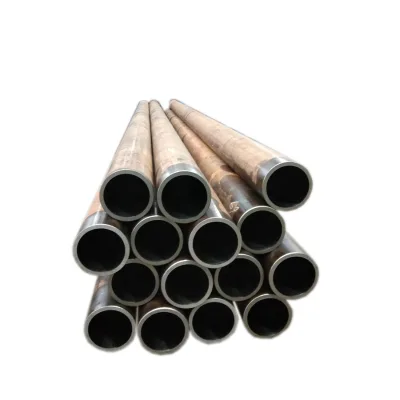


Comprehensive Sourcing Guide
API 3PE Carbon Steel Pipe Supplier Concentration and Factory Types
The current supplier landscape for API 3PE Carbon Steel Pipe reveals a distinct concentration of manufacturing and trading entities within specific industrial hubs in China. Data indicates that a significant portion of these suppliers are located in Tianjin, a region historically known for its robust steel production infrastructure. This geographic clustering suggests that buyers seeking API 3PE Carbon Steel Pipe will likely encounter vendors operating out of this primary manufacturing base. The presence of suppliers in other regions, such as Sichuan, adds diversity to the available supply chain, though Tianjin remains a prominent focal point for this specific product category. Understanding this geographic distribution is crucial for buyers, as it influences logistics costs, lead times, and the overall availability of raw materials. The concentration of factories in Tianjin implies a mature ecosystem with established supply chains for carbon steel, seamless pipes, and spiral welded pipes, which are essential components in the production of api 3pe coated products. Buyers should consider this geographic reality when evaluating potential partners, as proximity to these hubs may offer advantages in terms of production speed and material sourcing. However, it is also important to note that not all suppliers are located in these primary hubs, and some may operate from different regions, potentially affecting their operational dynamics.
In terms of company structure, the market for API 3PE Carbon Steel Pipe features a mix of trading companies, manufacturers, and combined entities. Trading companies often serve as intermediaries, offering a broader range of products such as casing pipes, high-pressure boiler tubes, and stainless steel pipes alongside api 3pe carbon steel pipes. This diversification can be beneficial for buyers who require multiple steel products from a single source. On the other hand, manufacturer-focused suppliers may provide more direct control over the production process, including the application of the 3pe coating. Some suppliers are identified as combined entities, capable of handling both manufacturing and trading functions, which can streamline the procurement process. The presence of trading companies does not necessarily indicate a lack of manufacturing capability, as many may have close ties with factories or operate their own production facilities. Buyers should carefully assess the company type to determine whether they prefer a direct manufacturer relationship or the flexibility offered by a trading company. The main products listed by suppliers often include various forms of steel pipes, such as erw steel pipes, galvanized steel pipes, and rectangle hollow sections, indicating a broad capability in steel product manufacturing. This variety suggests that suppliers are well-equipped to handle diverse order requirements, but buyers must verify the specific expertise in api 3pe coating to ensure quality standards are met.
How to Verify API 3PE Carbon Steel Pipe Suppliers
Verifying the credibility and capabilities of API 3PE Carbon Steel Pipe suppliers requires a multi-faceted approach that goes beyond simple product listings. One critical step is to check for third-party verification badges, such as BV verification, which indicates that the supplier has undergone a rigorous assessment of their business legitimacy and operational capabilities. This verification provides a layer of confidence that the supplier is a legitimate entity, reducing the risk of dealing with fraudulent operators. Additionally, buyers should examine the supplier's certifications, particularly ISO9001:2015 and ISO14001:2015 certificates, which demonstrate adherence to international quality and environmental management standards. These certifications are essential for ensuring that the manufacturing process meets consistent quality benchmarks, which is crucial for api 3pe carbon steel pipes used in critical infrastructure projects. Buyers should request copies of these certificates and verify their validity through the issuing bodies. Furthermore, the presence of specific product standards, such as ASTM, ASME, DIN, and EN, in the supplier's product attributes indicates a commitment to producing pipes that meet recognized industry specifications. Buyers should ensure that the supplier can provide test reports and material certificates that align with these standards, particularly for api 5l gr. b and other relevant grades.
Another important aspect of verification is assessing the supplier's response time and communication efficiency. Data shows that response times can vary, with some suppliers responding within approximately 10.95 hours and others taking up to 20.91 hours. A faster response time often indicates a more responsive and organized sales team, which is beneficial for addressing technical queries and negotiating terms. Buyers should also look for suppliers who offer customization options, as this suggests flexibility in meeting specific project requirements. The availability of customization for api 3pe carbon steel pipes allows buyers to specify dimensions, coatings, and other parameters that may differ from standard offerings. Additionally, buyers should verify the supplier's production capacity and lead times, as these factors directly impact project timelines. Suppliers with established production lines and clear lead times, such as 15 to 30 days, are generally more reliable for large-scale orders. It is also advisable to check the supplier's main products to ensure they have a strong focus on steel pipes rather than a disparate range of unrelated items. A focused product portfolio often indicates deeper expertise and better quality control in the specific area of api 3pe carbon steel pipes. Buyers should not rely solely on online information but should also conduct due diligence through direct communication and, if possible, factory audits to confirm the supplier's claims.
What to Compare Across API 3PE Carbon Steel Pipe Suppliers
When evaluating multiple suppliers for API 3PE Carbon Steel Pipe, buyers must compare several key dimensions to identify the most suitable partner. One of the primary factors is the price range, which can vary significantly based on product specifications, coating quality, and order volume. Current data indicates price ranges from approximately $400 to $950 per ton, depending on the specific product type, such as seamless pipes versus welded pipes, and the thickness and diameter requirements. Buyers should request detailed quotations that break down costs for materials, coating, and logistics to understand the true value proposition. Another critical comparison point is the minimum order quantity (MOQ), which can range from as low as 1 ton to 20 tons or more. Suppliers with lower MOQs may be more suitable for smaller projects or trial orders, while those with higher MOQs might offer better pricing for bulk purchases. Buyers should also compare lead times, which can vary from 15 to 30 days or more, depending on the supplier's production schedule and current order backlog. Faster lead times are crucial for projects with tight deadlines, but buyers must balance this with the supplier's ability to maintain quality under pressure.
In addition to price and lead times, buyers should compare the technical specifications and standards offered by each supplier. Some suppliers may specialize in api 5l gr. b pipes with 3pe coating, while others may offer a wider range of grades and standards, including ASTM A53 and DIN specifications. The availability of different surface treatments, such as black, varnishing, or galvanized finishes, is also an important consideration, as it affects the pipe's suitability for specific environments. Buyers should also compare the supplier's customization capabilities, including options for section shape, material grade, and special usage requirements like oil/gas drilling or chemical industry applications. The response time of the supplier's sales team is another practical metric to compare, as it impacts the efficiency of the negotiation and order placement process. Suppliers with faster response times can provide quicker clarifications on technical details and commercial terms. Furthermore, buyers should assess the supplier's packaging and shipping methods, as proper packaging is essential to prevent damage during transit. Some suppliers offer bundled packaging with steel strips and waterproof tarpaulins, which provides better protection for the pipes. By systematically comparing these factors, buyers can make an informed decision that aligns with their project requirements and budget constraints.
Common API 3PE Carbon Steel Pipe Sourcing Risks
Sourcing api 3pe carbon steel pipes involves several inherent risks that buyers must actively manage to ensure project success. One significant risk is the potential for quality inconsistencies in the 3pe coating application. The 3pe coating is a complex process involving epoxy powder, adhesive, and polyethylene, and any deviation in the manufacturing process can compromise the pipe's corrosion resistance and mechanical properties. Buyers must ensure that suppliers adhere strictly to the specified standards, such as api 5l psl1 and psl2, and provide comprehensive test reports for each batch. Without proper verification, there is a risk of receiving pipes with inadequate coating thickness or poor adhesion, which can lead to premature failure in service. Another risk is the discrepancy between the quoted specifications and the actual delivered product. Suppliers may sometimes list a wide range of capabilities, but their actual production capacity may be limited to certain sizes or grades. Buyers should verify the supplier's ability to produce the exact dimensions and specifications required for their project, particularly for large diameter pipes or special thickness requirements.
Logistical risks are also prevalent in the sourcing of api 3pe carbon steel pipes, given the heavy and bulky nature of the product. Delays in shipping, damage during transit, and customs clearance issues can disrupt project timelines and increase costs. Buyers should carefully review the supplier's shipping terms, such as FOB, CFR, or CIF, and ensure that the logistics plan is clearly defined. The choice of packaging is critical, as improper packaging can lead to damage, especially for pipes with sensitive coatings. Some suppliers offer robust packaging solutions, such as steel strip bundling and waterproof tarpaulins, which help mitigate these risks. Additionally, buyers should be aware of the financial risks associated with payment terms. Suppliers may require upfront payments or letters of credit, which can expose buyers to financial loss if the supplier fails to deliver. Using secure payment methods, such as escrow services, can provide an additional layer of protection. Buyers should also consider the risk of currency fluctuations, especially when dealing with international suppliers, and factor this into their cost calculations. Finally, there is a risk of intellectual property infringement or unauthorized use of brand names, so buyers should ensure that all contracts clearly define ownership and usage rights for any custom designs or specifications.
API 3PE Carbon Steel Pipe Regional Sourcing and Logistics
The regional sourcing of api 3pe carbon steel pipes is heavily influenced by the geographic distribution of manufacturing hubs, with China, particularly Tianjin, emerging as a dominant center for production. This concentration offers buyers access to a dense network of suppliers with established supply chains for raw materials and finished products. Sourcing from Tianjin can provide logistical advantages due to the region's proximity to major ports, facilitating efficient export operations. However, buyers should also consider suppliers located in other regions, such as Sichuan, which may offer different logistical dynamics and potentially lower transportation costs for certain destinations. The choice of sourcing region should be based on a comprehensive analysis of total landed costs, including manufacturing, packaging, and shipping expenses. Buyers must also evaluate the reliability of the local infrastructure, including road and rail networks, which can impact the timely delivery of goods from the factory to the port. In regions with well-developed logistics networks, buyers can expect smoother operations and fewer delays in the supply chain.
Logistics planning for api 3pe carbon steel pipes requires careful attention to the specific requirements of the product, such as weight, dimensions, and handling instructions. These pipes are typically shipped in bundles, and the packaging must be designed to withstand the stresses of ocean freight and handling at ports. Buyers should work closely with their suppliers to ensure that the packaging meets international shipping standards and provides adequate protection against moisture and physical damage. The choice of shipping method, whether by sea or land, will depend on the destination and the urgency of the order. Sea freight is generally the most cost-effective option for large volumes, but it involves longer transit times. Buyers should also consider the impact of seasonal factors, such as monsoon seasons or holiday periods, which can affect shipping schedules and port congestion. Additionally, buyers must be
FAQs
What is the price range for API 3PE carbon steel pipes?
Prices typically range from $400 to $750 per metric ton depending on specifications. Costs vary based on wall thickness, diameter, and coating requirements. Buyers should request quotes for specific grades like API 5L to get accurate pricing for their project needs.
What is the minimum order quantity for these pipes?
Minimum order quantities generally start at 1 ton for some suppliers, while others require 20 tons. This depends on whether the supplier is a trading company or manufacturer. Buyers should confirm MOQs early to ensure alignment with their procurement volume and logistics planning.
How long does production and delivery take?
Lead times typically range from 15 to 30 days after order confirmation. Some suppliers offer faster delivery within 8 to 21 days for standard items. Buyers should verify current production schedules and shipping methods to ensure timely arrival at their destination port or site.
Where are these pipes manufactured?
Manufacturing locations are primarily in China, specifically in Tianjin and Sichuan provinces. These regions are known for steel production and export capabilities. Buyers should verify factory locations to assess logistics costs and ensure the supplier meets their regional sourcing preferences or compliance requirements.
What certifications do suppliers hold?
Suppliers often hold ISO9001:2015 and ISO14001:2015 certifications. Some products comply with ASTM, ASME, DIN, and EN standards. Buyers should request valid certificates and verify third-party inspections like BV to ensure quality assurance and compliance with international project specifications and safety regulations.
What surface treatments are available?
Common treatments include 3PE coating, black finish, varnishing, and hot-dip galvanizing. The 3PE coating provides excellent corrosion resistance for underground pipelines. Buyers should select treatments based on the intended usage environment, such as chemical industry, construction, or oil and gas transportation applications.