Source Shock Absorbent Sublimation Phone Case for protection, design, and branding
Compare 30 Shock Absorbent Sublimation Phone Case options from verified suppliers. These cases offer waterproof and anti-slip features with customizable logos for diverse mobile device brands.
Key considerations
Products List

Shockproof Mobile Phone Case Sublimation TPU PC Phone Case for iPhone 17 Air
$1.45 - $1.55
MOQ: 300 Pieces








Comprehensive Sourcing Guide
Strategic Sourcing Guide for Shock Absorbent Sublimation Phone Cases
The global demand for personalized mobile accessories has driven a surge in the procurement of shock absorbent sublimation phone cases. These products combine protective functionality with high-definition customization capabilities, making them a staple for retailers, corporate gifting programs, and promotional agencies. Sourcing these items requires a nuanced understanding of material science, supply chain logistics, and compliance standards. This guide provides a structured approach for buyers to navigate the market, focusing on verified product attributes and procurement best practices without relying on unverified supplier claims.
Understanding Material Composition and Protective Mechanisms
The core value proposition of a Shock Absorbent Sublimation Phone Case lies in its material architecture. Based on observed product data, the most prevalent construction involves a hybrid of Polycarbonate (PC) and Thermoplastic Polyurethane (TPU). This combination is critical for balancing rigidity and flexibility. The PC layer provides a hard shell that resists deformation and protects against impact, while the TPU layer acts as a shock absorber, dissipating energy from drops and preventing the rigid PC from shattering.
When evaluating technical specifications, buyers should look for indicators of "Partial Hard" hardness ratings, which suggest a balance between structural integrity and the ability to flex under stress. The design often features a "Magnetic" capability, allowing for compatibility with magnetic car mounts or wallets, a feature increasingly demanded by modern users. The sublimation process itself requires a specific surface treatment; the case must be coated or manufactured from a material that accepts dye-sublimation ink effectively. This ensures that the printed design does not peel or fade, maintaining the aesthetic quality over time.
The physical dimensions of the single package are also a key technical consideration. Observed data indicates single package sizes ranging from approximately 17x8x1 cm to 25x19x1 cm, depending on the specific model and packaging density. The weight per unit varies significantly, with some listings indicating a gross weight of roughly 5g to 75g per piece. This variance suggests that buyers must verify the weight specifications for their specific order, as heavier cases may offer superior protection but incur higher shipping costs.
Compliance, Certification, and Regulatory Standards
In the B2B sector, compliance is non-negotiable. When sourcing phone cases, particularly those intended for export to North America and Europe, verifying certifications is essential. The supply chain data indicates that reputable manufacturers often hold certifications such as CE, RoHS, FCC, ISO9001, and BSCI. These credentials serve as third-party validations of the product's safety and the manufacturer's ethical standards.
The CE mark indicates conformity with health, safety, and environmental protection standards for products sold within the European Economic Area. RoHS (Restriction of Hazardous Substances) compliance ensures that the materials used in the case, including the inks and plastics, do not contain specific hazardous substances like lead or mercury. FCC certification is relevant for products with electronic components or magnetic features that might interfere with radio frequencies, though it is less critical for passive cases.
ISO9001 certification demonstrates that the supplier adheres to a recognized quality management system, ensuring consistent production processes. BSCI (Business Social Compliance Initiative) certification is a vital indicator of ethical labor practices, confirming that the factory maintains safe working conditions and fair wages. Buyers should request valid certificates for these standards rather than accepting verbal assurances. It is important to note that while these certifications are frequently observed, their validity must be confirmed for each specific supplier and production batch.
Cost Drivers and Pricing Dynamics
The pricing of shock absorbent sublimation phone cases is influenced by several variable factors. The observed price range in the market spans from $0.12 to $10.00 USD. This wide disparity is not arbitrary; it reflects differences in material quality, order volume, customization complexity, and shipping terms.
The primary cost driver is the Minimum Order Quantity (MOQ). Data suggests that standard MOQs can range from 50 pieces to 300 pieces per model, with some suppliers requiring 100 pieces per color. Ordering at the lower end of the MOQ spectrum typically results in a higher unit cost due to the fixed costs of setup and machine calibration. Conversely, bulk orders that meet higher volume thresholds allow suppliers to optimize production runs, significantly reducing the per-unit price.
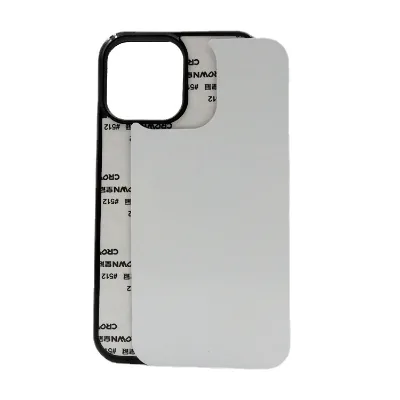
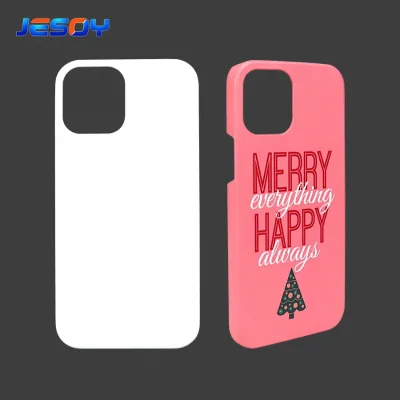
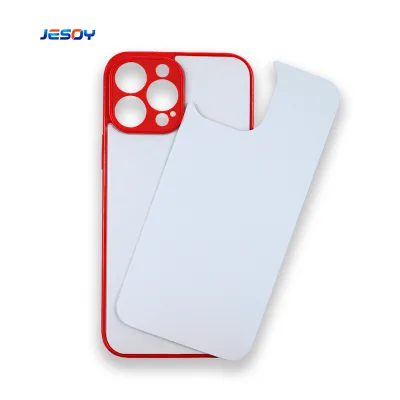
Another significant cost factor is the customization method. Sublimation printing requires a pre-printed or coated blank case. The availability of "Blank" color options versus pre-colored cases affects pricing. Additionally, the "Logo" printing method, whether printed directly or via OEM (Original Equipment Manufacturer) processes, adds to the cost. The complexity of the design, such as full-coverage patterns versus simple logos, also impacts the final price. Buyers must balance the desire for low unit costs with the necessity of meeting their specific volume requirements to avoid excessive per-unit pricing.
Supplier Evaluation and Logistics Capabilities
Selecting the right supplier involves more than just comparing unit prices; it requires a thorough assessment of logistical capabilities and production capacity. The supply chain data highlights that many manufacturers are located in Guangdong, China, a region known for its robust electronics manufacturing ecosystem. The export ports typically utilized include Guangzhou, Shenzhen, and Hong Kong, facilitating efficient global distribution.
Buyers should evaluate the supplier's warehouse inventory capacity. A warehouse size of 4000 square meters indicates a substantial ability to hold stock, which can be crucial for ensuring supply continuity during peak seasons. The "Covered Countries" metric, observed at over 200, suggests that the supplier has experience navigating diverse international trade regulations and shipping routes.
Lead times are another critical evaluation point. Standard delivery times for production range from 7 to 15 days after deposit, with sample times typically taking 3 to 5 days. Buyers must verify these timelines against their own project schedules. The shipping methods offered, including DHL, UPS, FedEx, TNT, and EMS, provide flexibility for different urgency levels. However, the "G.W. Per Carton" (Gross Weight) varies, with observations of 20kg to 24kg per carton. This variation affects freight calculations, and buyers should confirm the exact carton dimensions (e.g., 50x40x40 cm or 42x42x32 cm) to optimize container loading and reduce shipping costs.
Quality Control and Inspection Protocols
Ensuring the quality of sublimation phone cases requires a multi-stage inspection protocol. The "Shock Absorbent" and "Anti-slip" attributes must be verified through physical testing. Buyers should request test reports that demonstrate the case's ability to withstand drops and resist dirt accumulation. The "Automatic Sleep" function, often integrated with the case design, must be tested for reliability to ensure the phone enters sleep mode correctly when the case is closed.
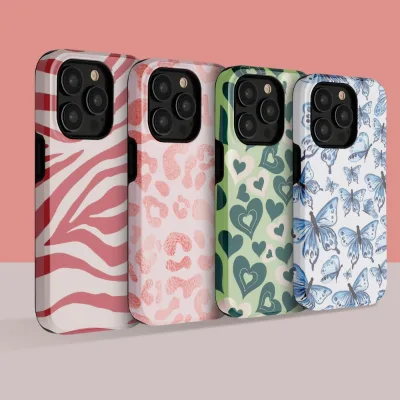
Visual inspection is paramount for sublimation products. The "Design" should be crisp, with no color bleeding or fading. The "Style" attributes, such as "Minimalist," "Trendy," or "Cartoon," must match the approved samples exactly. Buyers should verify the "Color" consistency, noting that while "Red" and "Green" are observed options, the specific shade must be matched to the brand guidelines.
The packaging quality is also a critical quality control point. The standard packing method observed is 1 piece per OPP bag, with 200 pieces per carton. This packaging must be robust enough to prevent damage during transit. The "Single Package Size" and "Single Gross Weight" must be accurate to ensure that the shipping documentation matches the physical goods. Any deviation in weight or dimensions can lead to customs delays or additional freight charges.
Long-Term Procurement and Compatibility Considerations
For long-term procurement success, buyers must consider the compatibility and lifecycle of the products. The "Compatible Brand" list is extensive, covering major manufacturers such as Xiaomi, VIVO, Sony-Ericsson, Samsung, OPPO, Motorola, LG, iPhone, Huawei, and HTC. This versatility allows buyers to source a single supplier for multiple product lines, simplifying the supply chain.
However, the rapid evolution of smartphone models means that compatibility is time-sensitive. Buyers should verify the specific "Model Number" (e.g., For iPhone 13 Pro) and ensure that the supplier can adapt to new releases quickly. The "Production Standard" of 100G suggests a specific material thickness or density, which buyers should confirm aligns with the protection needs of newer, heavier devices.
Sustainability is becoming a growing concern in procurement. The "Eco-Friendly" style attribute indicates that some suppliers offer sustainable options. Buyers should inquire about the recyclability of the PC and TPU materials and the environmental impact of the sublimation inks. Additionally, the "Design" style options, including "Cultural" and "Patterned," allow for seasonal or regional marketing strategies, which can extend the product lifecycle and reduce inventory obsolescence.
Conclusion
Sourcing shock absorbent sublimation phone cases is a complex process that demands attention to material science, regulatory compliance, and logistical efficiency. By focusing on verified attributes such as the PC+TPU construction, specific certification requirements, and clear MOQ structures, buyers can mitigate risks and secure high-quality products. The wide range of compatible brands and design styles offers significant opportunities for customization, but success depends on rigorous supplier evaluation and quality control. As the market continues to evolve, maintaining a focus on verified data and transparent communication with suppliers will ensure a resilient and profitable procurement strategy.
FAQs
What materials are used for shock absorbent sublimation phone cases?
These cases typically use a hybrid of Polycarbonate and Thermoplastic Polyurethane. This PC+TPU combination balances rigidity with flexibility to absorb shock while allowing high-quality sublimation printing on the surface.
Which certifications should I verify for compliant phone case manufacturers?
Reputable suppliers often hold CE, RoHS, FCC, ISO9001, and BSCI certifications. These credentials validate safety standards, restrict hazardous substances, and ensure ethical labor practices in the production facility.
How does the Minimum Order Quantity affect the unit price?
MOQs typically range from 50 to 300 pieces per model or 100 pieces per color. Ordering closer to the lower limit often increases unit costs due to setup fees, while bulk orders reduce the price significantly.
Can I customize the logo or design on these phone cases?
Yes, customization is available with options for printed or OEM logos. The sublimation process allows for various styles including minimalist, trendy, or patterned designs, provided the case surface accepts dye-sublimation ink.
What is the standard lead time for production and delivery?
Production usually takes 7 to 15 days after receiving a deposit, with samples ready in 3 to 5 days. Buyers should confirm specific timelines as they depend on order volume and customization complexity.
Which smartphone brands are compatible with these shock absorbent cases?
These cases are compatible with major brands including iPhone, Samsung, Xiaomi, Huawei, and OPPO. Specific model numbers like iPhone 13 Pro must be verified to ensure a precise fit for the device.