Source Shirt and Shorts Set for Travel, Gym, and Daily Wear
Explore 30 verified listings for the Shirt and Shorts Set, comparing features like material, printing methods, and customization options. Buyers can evaluate MOQs ranging from 1 to 500 units and lead times for sample orders across various styles including cotton blends and polyester.
Key considerations
Products List
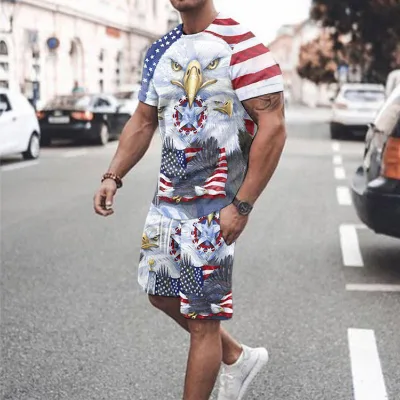
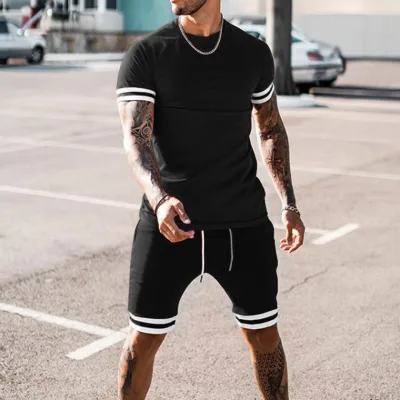


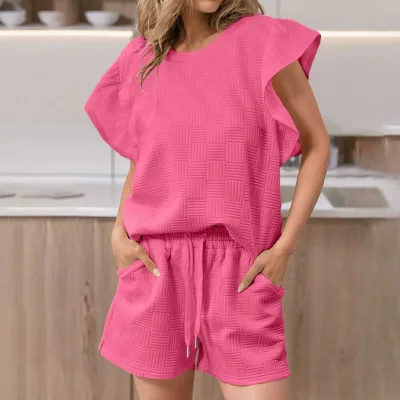



Comprehensive Sourcing Guide
Strategic Sourcing Guide for Men's Shirt and Shorts Sets
Understanding Product Variants and Technical Specifications
The market for men's shirt and shorts sets is characterized by a diverse range of configurations, each tailored to specific usage scenarios ranging from casual leisure to active sports. Based on current market observations, the core product category encompasses "shirts and shorts sets" that often feature a coordinated design aesthetic. Buyers must distinguish between sets designed for summer wear, which prioritize breathability, and those intended for active wear, which may require specific fabric blends for moisture management. The technical specifications for these items vary significantly depending on the intended function. For instance, some listings describe the product as a "men tee shirt short sets" or "active wear short sleeve sets," indicating a focus on comfort and movement.
Material composition is a primary differentiator in this category. The observed product landscape includes sets constructed from 100% Polyester, which offers durability and ease of care, as well as Cotton blended fabrics that provide a softer hand feel and enhanced breathability. The choice between these materials directly impacts the thermal properties and maintenance requirements of the final garment. Polyester variants are often associated with "Digital printing" techniques, allowing for complex, full-color graphic designs that are vibrant and fade-resistant. In contrast, Cotton blended options may utilize "Heat-Transfer Printing" or "Silk Screen Printing," methods that are particularly effective for logo placement and custom branding.
Size availability is another critical technical parameter. The standard sizing spectrum observed includes M, L, XL, 2XL, and 3XL, catering to a broad demographic of adult male consumers. However, buyers should note that specific models may have restricted size runs, such as a single size L being highlighted in certain listings. Furthermore, the physical dimensions of the product are standardized for logistics; typical single package sizes are recorded around 40x25x3 cm, with a single gross weight ranging from 0.600 kg to 0.700 kg. These metrics are essential for calculating shipping costs and warehouse storage requirements. The "Standard" or "Thin" thickness of the fabric also plays a role in the seasonal suitability, with most items classified specifically for Summer use to ensure comfort in warmer climates.
Compliance, Certification, and Standard Verification
When sourcing men's shirt and shorts sets, verifying compliance with international standards is paramount, even though specific certification documents are not universally listed for every SKU. The supply chain for these garments often originates from regions like Guangdong, China, or Nanchang, where manufacturing capabilities are robust. Buyers must understand that while some products list "Cotton" as a standard, others operate under "as requirements" standards, indicating a high degree of customization. This variability necessitates a rigorous verification process before finalizing any order.
Buyers should explicitly request documentation regarding fiber content accuracy. If a product is marketed as a "Cotton blended" set, the supplier must provide a test report confirming the percentage of cotton versus synthetic fibers. Similarly, for Polyester items, verification of the fabric's origin and chemical treatment processes is necessary to ensure they meet safety regulations for textiles. The presence of "Customized Logo Printing" and "Customized Track Suit" options implies that the production process involves additional steps that must adhere to quality control standards regarding ink adhesion and color fastness.
Regarding safety and environmental compliance, buyers should verify that the printing methods used, such as Digital or Silk Screen printing, utilize non-toxic inks that comply with regulations like REACH in Europe or CPSIA in the United States. Although specific certification numbers are not provided in general listings, the "Supply Type" often indicates whether the supplier offers OEM services, which typically implies a higher level of quality assurance and compliance readiness. It is crucial to confirm that the "Single package" method, often described as "1set/Polybag," uses materials that are safe for food contact if the packaging is intended for direct consumer interaction, or at least meets general environmental disposal standards.
Cost Drivers and Pricing Dynamics
The pricing structure for men's shirt and shorts sets is influenced by a complex interplay of material costs, production techniques, and order volume. The observed price range in the current market spans from $3 to $27.99 USD, reflecting the vast difference between basic, mass-produced items and premium, custom-designed sets. The lower end of this spectrum typically corresponds to standard Polyester or Cotton blended sets with minimal customization, utilizing high-volume production lines. Conversely, the higher price points are associated with complex designs, such as "Fashion design" sets featuring intricate digital prints, or those requiring specific "Customized Logo Printing" and tailored fit adjustments.
Minimum Order Quantity (MOQ) is a significant factor in determining the unit cost. The market data indicates an MOQ range from 1 to 500 units. For buyers seeking to test the market or fulfill small retail needs, an MOQ of 2 pieces or even a single item is available, though the unit price will be significantly higher. However, for bulk procurement, the "Customize MOQ" for specialized items like track suits or sets with custom logos often starts at 50 sets. This tiered pricing structure rewards larger orders with lower per-unit costs, making it essential for buyers to align their inventory strategy with their financial capacity and sales projections.
Additional cost drivers include the complexity of the "Technics" employed. Digital printing, while offering superior color fidelity, can be more expensive than traditional silk screen printing for large runs due to setup and ink costs. The "Supply Type" also affects pricing; "In-Stock Items" generally offer a lower cost basis as they do not require new production runs, whereas "OEM Service" items involve custom manufacturing, which incurs additional setup fees and potentially longer lead times. Buyers must also factor in the "Single gross weight" and packaging requirements into their total landed cost calculations, as heavier or more complex packaging can increase shipping expenses, particularly for air freight.
Typical Applications and Market Segmentation
Men's shirt and shorts sets serve a variety of applications, primarily driven by the seasonal and functional requirements of the end-user. The primary market segment is summer leisure wear, where the "Summer" classification of the product is a key selling point. These sets are designed for casual outings, beach vacations, and warm-weather social events. The "Breathable" and "Washable" features highlighted in product attributes are critical for this segment, ensuring that the garments remain comfortable and hygienic in hot conditions.
A secondary but growing market segment is active wear. The listings describing "active wear short sleeve sets" and "mens short shirt set" indicate a demand for clothing that supports physical activity. These sets often feature "Cotton blended" or lightweight Polyester fabrics that wick moisture and allow for a full range of motion. The "Side" pocket type mentioned in the specifications is particularly useful for active users who need to carry small items like keys or phones during exercise or outdoor activities.
Furthermore, the "Customized" nature of many of these sets opens up opportunities for corporate branding and team uniforms. Companies looking for promotional merchandise or team apparel can leverage the "Customized Logo Printing" and "Customized Track Suit" options to create cohesive branding. The "Fashion design" aspect also appeals to boutique retailers and fashion-forward consumers who seek unique, patterned sets that stand out from generic offerings. The "Character" pattern type observed in some listings suggests a trend towards playful or themed designs, which can be highly effective for targeting younger demographics or specific subcultures.
Supplier Evaluation and Sourcing Strategy
Evaluating suppliers for men's shirt and shorts sets requires a multi-faceted approach that goes beyond price comparison. Buyers should prioritize suppliers who demonstrate flexibility in their "Supply Type," offering both "In-Stock Items" for immediate needs and "OEM Service" for custom projects. The ability to support a "7 days sample order lead time" is a strong indicator of a responsive and efficient supply chain, allowing buyers to validate product quality before committing to large orders.
When assessing potential partners, buyers must verify the "Place of Origin" and ensure it aligns with their quality expectations. While Guangdong and Nanchang are known manufacturing hubs, the specific factory capabilities can vary. A reliable supplier will provide transparent information regarding their "Single package size" and "Single gross weight," as these details reflect their attention to logistics and packaging standards. Additionally, the availability of "Customization" options, such as specific "Printing Methods" and "Logo" placement, should be confirmed through direct communication to ensure the supplier has the necessary equipment and expertise.
Buyers should also scrutinize the "Brand Name" and "Design" capabilities of the supplier. While some products are listed under generic names like "ALi," others may offer "Fashion design" services that allow for unique product development. The "Model Number" variations, such as AL6024 or 5401, can serve as identifiers for specific product lines, helping buyers track consistency across orders. It is advisable to request samples of different "Pattern Type" options, including "Character" and "Customized" designs, to evaluate the print quality and color accuracy firsthand.
Quality Control and Long-Term Procurement Considerations
Implementing a robust quality control (QC) protocol is essential for maintaining product integrity in the men's Shirt and Shorts Set category. Given the variability in materials, from Polyester to Cotton blends, buyers must establish clear acceptance criteria for fabric quality, stitching, and print durability. The "Standard" thickness and "Thin" variations should be verified against the agreed-upon specifications to ensure the product meets the intended seasonal performance requirements. Regular inspections should focus on the "Feature" set, specifically checking for breathability and washability to prevent customer complaints regarding fabric degradation after laundering.
For long-term procurement, building a strategic relationship with suppliers who offer "OEM Service" and flexible "Customization" is beneficial. This approach allows buyers to adapt their product offerings to changing market trends, such as shifting from standard "Character" patterns to more sophisticated "Fashion design" aesthetics. The ability to adjust the "Customize MOQ" based on sales performance can help manage inventory risks and cash flow. Additionally, buyers should consider the environmental impact of their sourcing decisions, prioritizing suppliers who use sustainable printing methods and eco-friendly packaging materials.
The "Product Name" and "Style" consistency are also critical for brand building. Ensuring that the "mens shirts and shorts set" or "shorts and t shirt set men" maintains a consistent style across different production runs helps in building brand recognition and customer loyalty. Buyers should work closely with suppliers to document all "Technical" and "Specification" details, including "Model Number" and "Size" charts, to minimize errors in future orders. By maintaining a proactive approach to quality control and supplier management, buyers can secure a reliable supply of high-quality men's shirt and shorts sets that meet the demands of the competitive global market.
FAQs
What materials are used for men's shirt and shorts sets?
The sets are primarily made from Polyester or Cotton blended fabrics. Polyester offers durability and is often paired with digital printing, while Cotton blends provide a softer feel and may use heat-transfer or silk screen printing methods.
Can I order a single sample item for this product?
Yes, sample orders are supported with a lead time of 7 days. While some items have a minimum order quantity of 2 pieces, custom track suits typically require a minimum of 50 sets for personalized production runs.
Which printing methods are available for custom designs?
Available printing techniques include Digital printing, Heat-Transfer Printing, and Silk Screen Printing. These methods support customized logo printing and character patterns, allowing for vibrant designs on both Polyester and Cotton blended materials.
What is the typical price range for these sets?
The observed price range spans from 3 to 27.99 USD depending on the model and customization level. Basic in-stock items generally fall at the lower end, while fashion designs with complex digital prints or custom logos command higher prices.
Where are these men's sets manufactured?
Products originate from manufacturing hubs in Guangdong, China, and Nanchang. These locations support both in-stock supply and OEM services, ensuring robust production capabilities for various seasonal and active wear requirements.
How is the product packaged for shipment?
Items are typically packed as one set per polybag. The single package size is standardized around 40x25x3 cm with a gross weight between 0.600 kg and 0.700 kg, facilitating efficient logistics and storage calculations.