Source Shock Absorbent Minimalist Mobile Cover for daily use, travel, and work
Find 30 Shock Absorbent Minimalist Mobile Cover options from verified suppliers. Compare features like waterproofing, anti-slip design, and customization to select the right case for your needs.
Key considerations
Products List


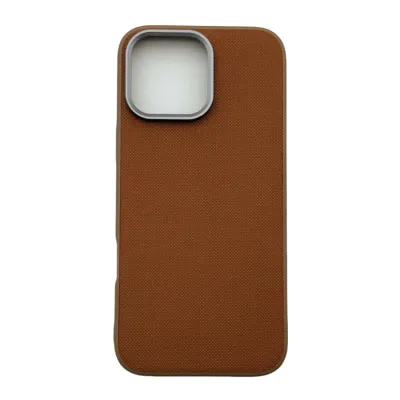


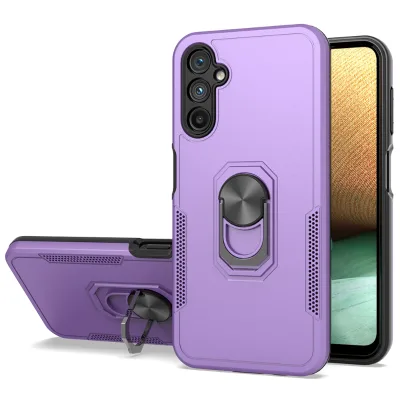

Hot Selling Carbon Fiber with Long Holder Mobile Phone Case Shockproof Phone Cover
$1.90 - $1.95
MOQ: 100 Pieces


Best Quality Woven Case for iPhone 17/16/15 Mobile Phone Cover with Neckstrap
$3.37 - $3.51
MOQ: 100 Pieces


$12.80 - $14.00
MOQ: 300 Pieces


Comprehensive Sourcing Guide
Shock Absorbent Minimalist Mobile Cover Sourcing Guide
Sourcing shock absorbent minimalist mobile covers requires a careful balance between protective performance and aesthetic restraint. Buyers must navigate a market where "minimalist" often conflicts with the bulkiness required for high-level impact resistance. The core challenge lies in selecting materials and designs that offer genuine shock absorption without compromising the sleek, unobtrusive profile that defines the minimalist style. This guide provides evidence-based procurement strategies to help buyers identify suppliers who can deliver on both functional durability and design simplicity.
The following sections outline the critical technical, commercial, and compliance factors that influence sourcing decisions. By focusing on verified product attributes and standard industry practices, buyers can mitigate risks associated with quality inconsistencies and supply chain disruptions. This approach ensures that the final product meets both the functional requirements of end-users and the aesthetic expectations of the brand.
Product Scope and Observed Listing Signals
The observed product landscape for shock absorbent minimalist mobile covers reveals a diverse range of materials and design philosophies. Listings indicate the use of various materials, including plastic, PU, TPU, and composite blends such as TPU+Leather+Metal. These material choices directly influence the cover’s hardness, with "Medium Soft" being a noted attribute, suggesting a balance between flexibility and structural integrity. The presence of "Shock Absorbent" and "Anti-slip" functions confirms that protection is a primary selling point, while "Minimalist" and "Simplicity" styles indicate a preference for clean lines and reduced visual clutter.
Color and customization options further define the scope of available products. While "Yellow" is listed as a specific color, the availability of "Customized" logos, designs, and OEM services suggests that buyers can tailor the aesthetic to their brand identity. The gender-neutral positioning, with attributes for "Male," "Female," and "Unisex," broadens the target market. Additionally, the absence of car holders and other bulky accessories aligns with the minimalist ethos, ensuring the cover remains slim and functional. Buyers should verify that the chosen supplier can maintain this balance between customization and minimalist design integrity.
Technical Specifications to Verify
Verifying technical specifications is crucial to ensuring that the mobile cover meets the required performance standards. Buyers should focus on the material composition, as TPU and PU offer different levels of shock absorption and durability. TPU, for instance, is known for its flexibility and impact resistance, making it suitable for minimalist designs that still need to protect against drops. The "Medium Soft" hardness attribute suggests a material that can absorb impact without being too rigid, which might crack under stress. Buyers must confirm that the material thickness and density are optimized for shock absorption without adding unnecessary bulk.
Compatibility with specific smartphone brands is another critical technical aspect. Listings mention compatibility with iPhone, Samsung, Xiaomi, Huawei, Honor, and Google devices, indicating a broad market reach. However, buyers must ensure that the cover fits the specific model precisely, as even minor deviations can compromise protection and aesthetics. The "Without Car Holder" and "Without holder" attributes confirm that the design prioritizes simplicity over additional functionality. Buyers should request samples to verify the fit, finish, and actual shock absorption capabilities, ensuring that the product meets the expected standards for each compatible device.
Compliance and Safety Documentation
Compliance and safety documentation are essential for mitigating legal and reputational risks in the mobile accessory market. While some listings mention "RoHS" and "ISO9001" certifications, buyers must verify the validity and scope of these certifications with the supplier. RoHS compliance ensures that the product does not contain hazardous substances, which is critical for consumer safety and regulatory adherence in many markets. ISO9001 certification indicates that the supplier follows quality management principles, which can be a good indicator of consistent product quality. Buyers should request copies of these certificates and verify their authenticity through the issuing bodies.
In addition to certifications, buyers should inquire about other relevant standards and testing protocols. While specific test results are not provided in the listings, buyers should ask for evidence of drop tests, abrasion resistance tests, and material safety assessments. The "Standard" and "Customized" standard attributes suggest that suppliers may offer different levels of quality assurance. Buyers should define their own quality requirements and ensure that the supplier can meet them through rigorous testing and quality control processes. This proactive approach helps prevent issues related to product failure or non-compliance in the target market.
Cost Drivers and Commercial Terms
Understanding the cost drivers and commercial terms is vital for effective procurement planning. The observed price range of $0.2 to $14 USD reflects the variability in material quality, design complexity, and order volume. Higher prices may correlate with premium materials like leather or metal accents, while lower prices might indicate basic plastic or TPU constructions. The MOQ range of 5 to 1000 pieces offers flexibility for different order sizes, but buyers should consider the impact of volume on unit costs. Larger orders typically result in lower per-unit prices, but buyers must balance this with inventory holding costs and demand forecasts.
Customization services, such as OEM projects and personalized designs, often incur additional costs. Buyers should clarify the pricing structure for custom logos, packaging, and design modifications. The "Standard" and "PVC box" packaging options suggest varying levels of protection and presentation, which can also affect costs. Buyers should negotiate clear terms regarding payment methods, shipping responsibilities, and lead times. Understanding these commercial terms helps in budgeting accurately and avoiding unexpected expenses during the procurement process.
Supplier Qualification and Quality Control
Supplier qualification is a critical step in ensuring the reliability and consistency of the mobile cover supply. Buyers should assess the supplier’s manufacturing capabilities, quality control processes, and track record. The "Guangdong, China" origin indicates a major manufacturing hub, but buyers must verify the specific factory’s credentials. Requesting factory audits or third-party inspections can provide insights into the supplier’s production environment and quality management systems. Suppliers with ISO9001 certification are generally more reliable, but buyers should also look for evidence of consistent product quality and on-time delivery.
Quality control measures should be integrated into the procurement process to minimize defects and returns. Buyers should define clear quality standards and inspection criteria, such as material thickness, color accuracy, and fit precision. Implementing pre-shipment inspections can help identify and rectify issues before the products are dispatched. Buyers should also establish a communication channel with the supplier for addressing any quality concerns promptly. By prioritizing supplier qualification and robust quality control, buyers can ensure that the mobile covers meet the expected standards and satisfy end-users.
Long-Term Procurement Checks
Long-term procurement checks involve continuous monitoring and evaluation of the supply chain to ensure sustained performance and value. Buyers should regularly review supplier performance metrics, such as delivery times, defect rates, and responsiveness to issues. Establishing a scorecard system can help track these metrics and identify areas for improvement. Regular communication with the supplier can foster a collaborative relationship, leading to better problem-solving and innovation. Buyers should also stay informed about market trends and technological advancements in mobile accessories to remain competitive.
Additionally, buyers should periodically reassess their sourcing strategy to adapt to changing market conditions and customer preferences. This may involve exploring new suppliers, materials, or design options to enhance product offerings. Evaluating the cost-effectiveness of current suppliers and considering alternative sourcing locations can help optimize the supply chain. By maintaining a proactive approach to long-term procurement, buyers can ensure that their mobile cover sourcing remains efficient, reliable, and aligned with business goals. This continuous improvement mindset is key to sustaining success in the dynamic mobile accessory market.
FAQs
What materials are used for shock absorbent minimalist mobile covers?
These covers are commonly made from plastic, PU, or TPU materials. Some advanced options combine TPU with leather and metal for enhanced durability while maintaining a minimalist aesthetic suitable for various phone models.
Can I get a customized logo on these mobile phone cases?
Yes, customization is available for logos and designs on these products. Suppliers accept OEM projects and can create personalized custom designs to meet specific branding requirements for bulk orders.
Which brands are compatible with these shock absorbent phone covers?
These covers are designed to be compatible with major brands including iPhone, Samsung, Xiaomi, Huawei, Honor, and Google. Specific models are listed to ensure a precise fit for each device type.
What is the minimum order quantity for these mobile phone cases?
The minimum order quantity typically ranges from 5 to 1000 pieces depending on the supplier. Some specific listings indicate a standard MOQ of 100 pieces for custom orders.
Are these phone cases certified for safety and quality standards?
Certain models carry certifications such as RoHS and ISO9001 to ensure quality and safety. Standard packaging is used, though some suppliers offer customized packaging options like PVC boxes or polybags.
Where are these shock absorbent mobile covers manufactured?
The products originate from China, with specific manufacturing locations in Guangdong. This region is known for producing a wide variety of mobile accessories with varying customization capabilities.