Source Shock Absorption Gel Insole for Running, Walking, and Sports
Compare 30 Shock Absorption Gel Insole options from verified Chinese suppliers. Buyers can evaluate features like soft cushioning, washable designs, and custom logo availability across multiple models and sizes; compare the available evidence and request quotations based on your requirements.
Updated
Key considerations
Products List
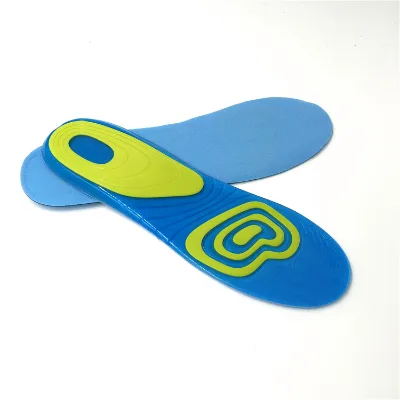


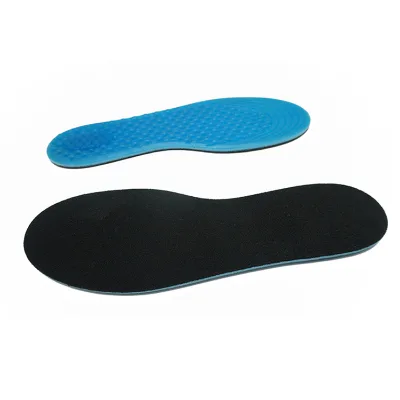
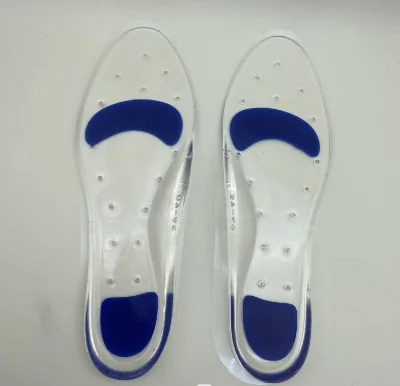
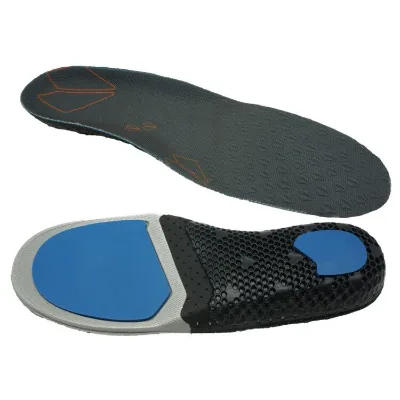
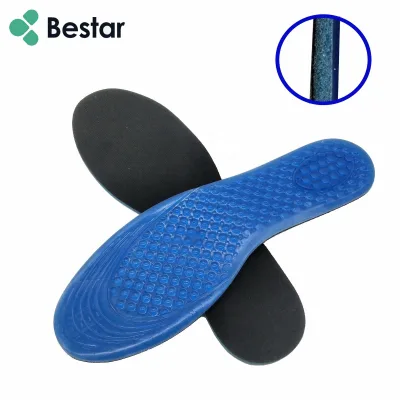
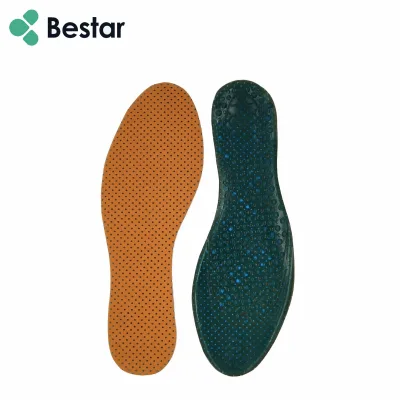
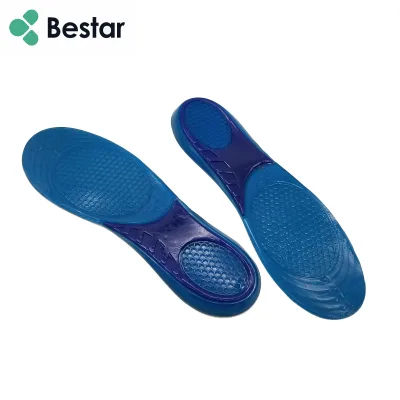
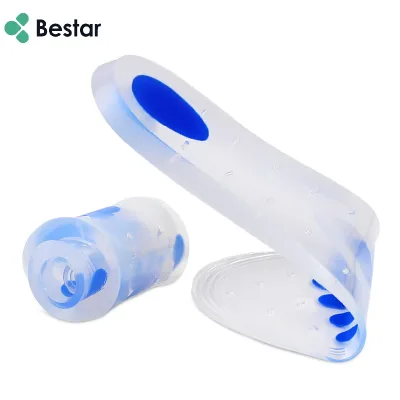
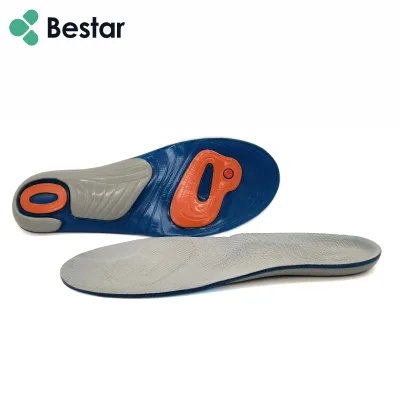
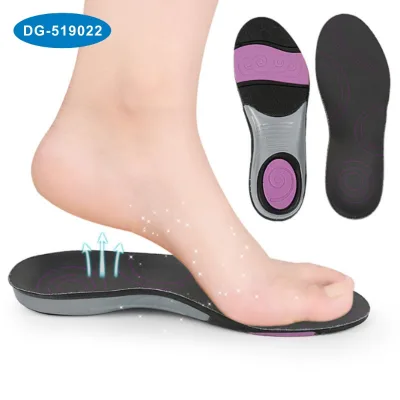
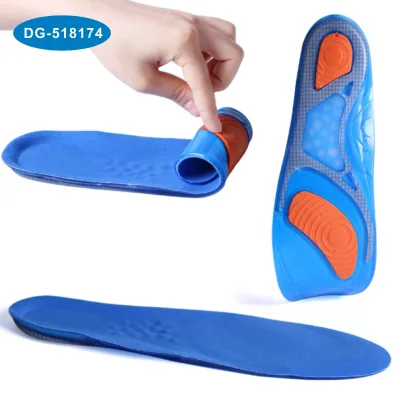
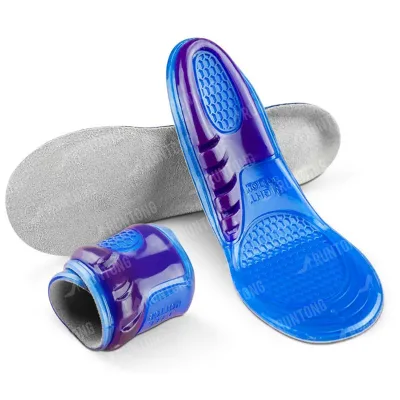


Comprehensive Sourcing Guide
Shock Absorption Gel Insole Sourcing Guide
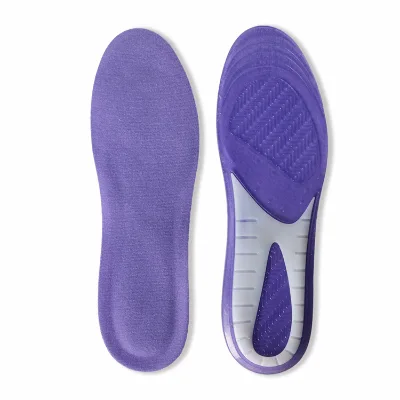
Procuring shock absorption gel insoles requires a disciplined approach to material verification and functional alignment with end-user needs. These insoles are primarily designed to mitigate impact forces during high-activity scenarios, leveraging advanced polymer compounds to distribute pressure evenly across the footbed. Buyers must distinguish between pure gel constructions and composite designs that integrate fabric or SEBS gel layers for enhanced durability and breathability. The core value proposition lies in the material’s ability to return to its original shape after compression, ensuring consistent performance over the product’s lifecycle.
Sourcing decisions should be guided by observed market signals, such as the availability of customization options and sample provisions. Many suppliers offer free samples for single pairs, allowing procurement teams to physically assess softness, cushioning, and anti-slippery properties before committing to bulk orders. This tactile verification is critical, as visual listings cannot fully convey the comfort level or the effectiveness of shock absorption features. Buyers should prioritize suppliers who provide detailed single package dimensions and gross weight data to facilitate accurate logistics planning and inventory management.
Product Scope and Observed Listing Signals
The current market landscape for shock absorption gel insoles reveals a diverse range of product configurations tailored to different foot sizes and activity levels. Listings indicate the availability of multiple size ranges, including options for sizes 35-36 up to 43-46, as well as broader categories like S(36-40) and L(41-46). This variety suggests that manufacturers are catering to both specific athletic needs and general unisex comfort requirements. The presence of unisex attributes in product descriptions highlights the versatility of these insoles, making them suitable for a wide demographic without gender-specific design constraints.
Commercial signals also point to significant flexibility in branding and packaging. Suppliers frequently accept customized logos and offer tailored packing solutions, which is essential for private label projects. The observed minimum order quantities (MOQ) vary, with some listings starting at 100 pairs and others requiring 500 pairs, providing entry points for both small-scale testers and large-volume buyers. Additionally, the provision of samples, often free for one pair, serves as a low-risk method for validating product quality. These signals collectively indicate a mature supply chain capable of supporting diverse procurement strategies.
Technical Specifications to Verify
Verifying technical specifications is paramount to ensuring that the purchased insoles meet functional expectations. Key attributes to confirm include the material composition, which may range from pure gel to fabric-integrated SEBS gel blends. The single package size is a critical logistical detail, with observed dimensions such as 32x12x5cm and 30x10x4cm affecting storage and shipping efficiency. Buyers should also verify the gross weight per unit, as variations like 0.150kg or 0.200kg can impact freight costs and inventory valuation. These physical parameters directly influence the user experience and the operational efficiency of the supply chain.
Performance-related specifications must also be rigorously checked against procurement requirements. Features such as shock absorption, cushioning, and washability are frequently cited, but their actual efficacy should be validated through sample testing. The model numbers, such as YSS021 or YSH011, serve as unique identifiers for cross-referencing supplier catalogs and ensuring consistency in future orders. Additionally, the number of pieces per package, often listed as two, should be confirmed to avoid discrepancies in unit pricing and inventory counts. Clear documentation of these specifications prevents misunderstandings and ensures that the final product aligns with the intended use case.
Compliance and Safety Documentation
While specific certification statuses are not explicitly detailed in the provided context, buyers must proactively request relevant safety and compliance documentation from suppliers. For products intended for direct skin contact, verifying that materials are non-toxic and hypoallergenic is essential. Buyers should inquire about adherence to international standards for footwear accessories, particularly regarding chemical restrictions and material safety. Although specific standard codes are not listed, understanding the regulatory landscape of the destination market is crucial for avoiding customs delays or product recalls.
Documentation should also cover the manufacturing origin and quality management systems. The observed places of origin, such as Guangdong and Fujian in China, provide context for the supply chain but do not guarantee compliance. Buyers should ask for factory audit reports or quality control certificates to ensure that production processes meet international benchmarks. Additionally, verifying the washability claims through material safety data sheets can help confirm that the insoles maintain their structural integrity and hygiene standards after repeated cleaning. This due diligence mitigates legal and reputational risks associated with product liability.
Cost Drivers and Commercial Terms
Understanding the cost drivers behind shock absorption gel insoles helps buyers negotiate better commercial terms. The primary cost factors include material quality, customization complexity, and order volume. Customized logos and packaging solutions typically incur additional setup fees, which can be amortized over larger order quantities. The observed price range of 0.79 to 5.9 USD reflects these variables, with higher prices likely corresponding to premium materials or extensive branding options. Buyers should analyze the unit cost in the context of the MOQ to determine the most cost-effective order size.
Commercial terms such as sample delivery times and payment conditions also play a significant role in the total cost of ownership. Sample delivery times ranging from 2 to 7 days indicate a responsive supply chain, which is beneficial for rapid prototyping. However, buyers should clarify whether sample costs are refundable upon placing a bulk order. Payment terms, lead times for mass production, and shipping methods should be explicitly agreed upon in the contract. Transparent communication regarding these terms prevents hidden costs and ensures that the procurement process remains efficient and predictable.
Supplier Qualification and Quality Control
Supplier qualification is a critical step in securing a reliable source for shock absorption gel insoles. Buyers should assess the supplier’s production capacity, technical expertise, and history of fulfilling similar orders. Requesting references or case studies can provide insights into the supplier’s reliability and consistency. Additionally, verifying the supplier’s ability to handle customization requests, such as logo printing and packaging design, is essential for brands seeking unique product offerings. A qualified supplier should demonstrate flexibility and responsiveness throughout the procurement process.
Quality control measures must be established to ensure that the delivered products meet the agreed-upon specifications. Buyers should implement pre-shipment inspections to verify product dimensions, material quality, and packaging integrity. Establishing clear acceptance criteria for defects, such as uneven gel distribution or poor stitching, helps maintain high standards. Collaborating with the supplier to develop a quality assurance plan that includes regular audits and feedback loops can further enhance product consistency. This proactive approach to quality control minimizes the risk of receiving substandard goods and protects the brand’s reputation.
Long-Term Procurement Checks
Long-term procurement success depends on continuous monitoring and relationship management with suppliers. Buyers should regularly review supplier performance metrics, including on-time delivery rates, product quality consistency, and responsiveness to issues. Establishing a structured feedback mechanism allows for ongoing improvement and addresses any emerging concerns promptly. Additionally, staying informed about market trends and technological advancements in gel insole materials can help buyers identify opportunities for product enhancement or cost optimization.
Diversifying the supplier base is another key strategy for mitigating risk. Relying on a single source can expose the business to supply chain disruptions, price volatility, or quality inconsistencies. By cultivating relationships with multiple qualified suppliers, buyers can maintain leverage and ensure continuity of supply. Regularly re-evaluating supplier contracts and negotiating terms based on performance data helps maintain favorable commercial conditions. This strategic approach to supplier management ensures that the procurement function remains agile and resilient in the face of changing market dynamics.
FAQs
What customization options are available for the gel insoles?
Customization is available for these shock absorption gel insoles, including customized logos and packing. Buyers can request specific branding on the product or choose custom packaging solutions to meet their unique business requirements while maintaining the core gel material features.
How many size options exist for the shock absorption gel insoles?
The product listings show multiple size configurations ranging from two to five distinct size sets. Options include sizes covering foot lengths from 35 to 46, with specific groupings like S and L or detailed ranges from 35-36 up to 43-44 depending on the specific model selected.
Can I get free samples of the shock absorption gel insoles?
Free samples are available for one pair of the shock absorption gel insoles upon request. Some listings also indicate that samples can be provided generally, with a typical delivery time of two to seven days for the sample unit to reach the buyer for evaluation purposes.
What is the minimum order quantity for these gel insoles?
The minimum order quantity varies across different listings, with observed values ranging from 100 pairs to 500 pairs. Buyers should verify the specific MOQ for their chosen model, as some suppliers require 100 pairs while others set the threshold at 500 pairs for bulk orders.
Where are the shock absorption gel insoles manufactured?
These shock absorption gel insoles are manufactured in China, specifically in regions like Guangdong and Fujian. The place of origin is consistently listed as China, indicating the production location for the gel material and fabric components used in these comfort and sports insoles.
What materials are used to make the shock absorption gel insoles?
The insoles are primarily constructed from gel material, with some models combining fabric and SEBS gel. This composition ensures features like shock absorption, softness, and cushioning, making them suitable for sports and daily comfort while maintaining durability and washability for extended use.