Source Sided Patterned Edge Cream Spatula for Baking
Find 30 listings for the Sided Patterned Edge Cream Spatula to compare silicone and metal options. Evaluate features like eco-friendly materials and various sizes for bakery and restaurant use; compare the available evidence and request quotations based on your requirements.
Key considerations
Products List
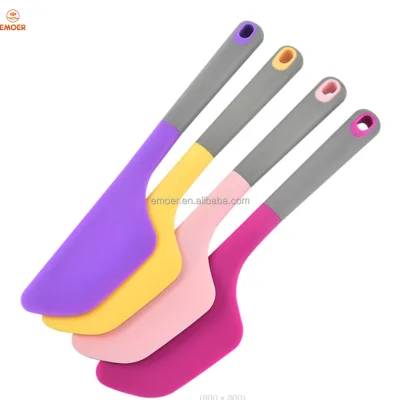
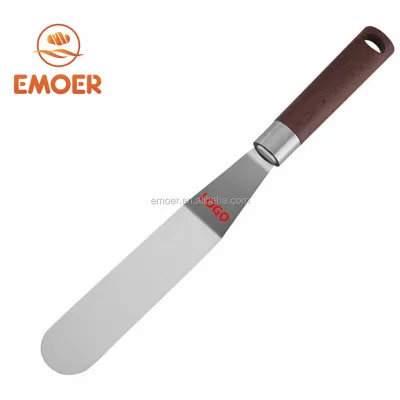


Silicone Spatula Kitchen Utensils Non-Stick Spatulas
$1.24 - $1.55
MOQ: 200 Pieces
Jinhua Hengyang Cross-Border Trade Limited Liability Company


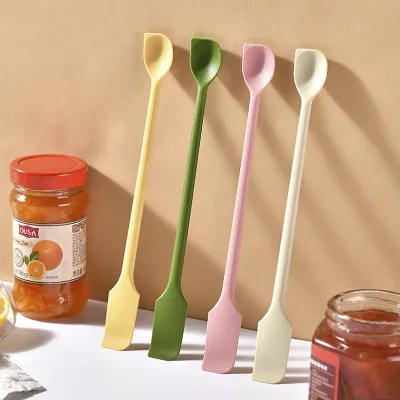


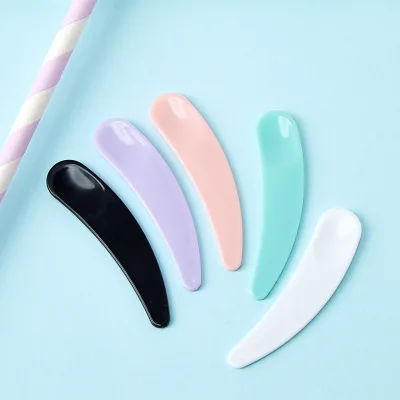

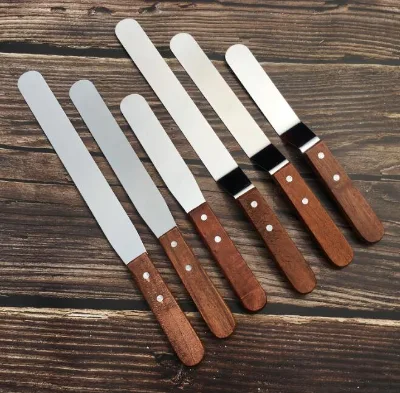


Comprehensive Sourcing Guide
Sided Patterned Edge Cream Spatula Sourcing Guide
Buyers evaluating this category must first distinguish between the specific functional requirements of a patterned edge tool versus standard flat spatulas. The supplied data indicates a diverse inventory where some listings explicitly describe "silicone cream butter spatula" and "icing spatula" features, while others list "tongs" or "cookie mold" types under the same broad search term. This inconsistency suggests that the core keyword often aggregates multiple product variations, requiring the buyer to verify that the specific "sided patterned edge" design is present in the physical sample before committing to a bulk order.
The observed market signals reveal a wide variance in material composition, ranging from silicone to metal and plastic, which directly impacts the tool's suitability for delicate cake decorating versus heavy-duty mixing. While some entries highlight "Eco-Friendly" attributes and specific colors like "Pink" or "Chocolate," others focus on industrial usage in "Hotel, Restaurant, Bakery" settings with "Stainless Steel" construction. Procurement teams must carefully cross-reference the visual design of the patterned edge with the material properties to ensure the tool will not damage non-stick bakeware or fail under the thermal stress of hot batters.
Product Scope and Observed Listing Signals
The current product landscape for this keyword includes distinct variations such as the "Silicone Spatula Kitchen" and "Silicon Spatula" models, which are often marketed for "Making Bread" and general "Baking & Pastry" applications. Buyers should note that while some listings specify a "16-inch" or "14-inch" length, others provide standard dimensions like "1520.5" or "2422," indicating that size is not standardized across suppliers. This lack of uniformity means that a "sided patterned edge" design might appear in different physical scales, necessitating a clear definition of the required blade width and handle length to avoid receiving mismatched inventory.
Commercial signals in the listings show a fragmented approach to packaging and unit sales, with options ranging from "color box/set" and "Plastic Bags / Cartons" to "Carton Box" configurations. The "Selling Units" are frequently listed as "Single item," yet the "MOQ" values fluctuate dramatically from 5 pieces to 1440 pieces, reflecting a market split between small-batch customization and large-scale industrial supply. Procurement strategies must account for these packaging differences, as the "color box" presentation may be essential for retail-ready products, whereas bulk "Carton" packing is more suitable for professional kitchen supply chains.
Technical Specifications to Verify
When verifying technical specifications, the primary focus must be on the material integrity and the specific geometry of the patterned edge. The data confirms the availability of "Silicone" and "Stainless Steel" options, but the "Handle Color" and "Color" variations like "Red / White" or "White" suggest that aesthetic customization is common. Buyers must confirm that the "sided patterned edge" is molded or stamped with precision, as the "Standard" dimensions provided in the data (e.g., "1520.5") may refer to the blade profile rather than the overall tool length, requiring a detailed drawing to ensure the pattern depth is sufficient for creating decorative textures.
The functional performance of the tool is heavily dependent on the "Type" classification, which ranges from "Utensils" to specific "Baking & Pastry Spatulas" and "Cake Mold" types. It is critical to verify that the "Sided Patterned Edge" design does not compromise the structural rigidity of the blade, especially if the tool is intended for "Non-Stick Spatulas" applications where flexibility is key. Buyers should request a sample to test the "Silicone Kitchenware" properties, ensuring the material remains flexible at room temperature while maintaining the sharp definition of the patterned edge during the icing process.
Compliance and Safety Documentation
Safety compliance for kitchen utensils requires verification of food-grade material certifications, particularly for the "Silicone" and "Metal" variants observed in the listings. While the data mentions "Eco-Friendly" features, it does not explicitly list specific regulatory standards like FDA or LFGB compliance. Buyers must request documentation proving that the "Silicone" used in the "cream butter spatula" is free from harmful fillers and that any "Stainless Steel" components meet food-contact safety requirements to prevent contamination during the "Making Bread" or "Baking" processes.
Packaging and labeling standards are equally critical, as the "Packaging Details" vary from "color box/set" to "Plastic Bags / Cartons." Procurement teams must ensure that the packaging materials themselves are safe for food contact if the product is sold in a retail environment, and that the labeling accurately reflects the "Product Name" and "Material" composition. For suppliers operating in "Guangdong, China" or "Zhejiang, China," buyers should verify that the manufacturing facility adheres to local export safety regulations and that the "Customization" options do not introduce non-compliant inks or adhesives into the final product.
Cost Drivers and Commercial Terms
The cost structure for this product is significantly influenced by the material choice and the complexity of the "sided patterned edge" molding process. The observed "MOQ" range of 5 to 10,000 pieces suggests that unit pricing will vary drastically based on order volume, with smaller orders likely carrying a premium for setup costs. Buyers should anticipate that "Stainless Steel" models may have a different cost baseline compared to "Silicone" versions, and that the "Customization" of colors like "Pink" or "Chocolate" may incur additional tooling fees if the standard inventory does not match the desired aesthetic.
Commercial terms regarding "Supply Ability" and lead times are essential for planning, as the data indicates a capacity of "5000 pieces per Week" for some suppliers. However, the "MOQ" of 1440 pieces for certain models implies that smaller buyers may face higher per-unit costs or longer lead times if the supplier cannot accommodate partial runs. Buyers must negotiate clear terms for "Single item" sales versus bulk "Carton" shipments, ensuring that the "Selling Units" align with their inventory management strategy and that the "Packaging" costs are transparently included in the final landed cost calculation.
Supplier Qualification and Quality Control
Supplier qualification should prioritize manufacturers with a proven track record in "Baking & Pastry Tools" and "Utensils" production, as evidenced by the diverse model numbers like "T-1255" and "GQ-BA3068." Buyers must verify the supplier's ability to maintain consistency in the "sided patterned edge" design across large production runs, as the "Standard" dimensions provided in the data suggest that precision molding is a key differentiator. It is advisable to audit the supplier's quality control processes to ensure that the "Silicone" and "Metal" materials are sourced from reputable suppliers and that the final products meet the specified "Type" and "Usage" requirements.
Quality control checks must include a rigorous inspection of the "Handle Color" and "Color" consistency, as well as the structural integrity of the "Sided Patterned Edge." Buyers should implement a sampling plan that tests for material defects, such as air bubbles in the "Silicone" or rough edges on the "Stainless Steel" components, which could affect the tool's performance in "Hotel, Restaurant, Bakery" environments. Additionally, verifying the "Packaging" quality is essential to prevent damage during transit, ensuring that the "color box" or "Carton" packaging protects the delicate patterned edges from deformation before reaching the end user.
Long-Term Procurement Checks
Establishing a long-term procurement relationship requires regular re-evaluation of the supplier's "Supply Ability" and their capacity to scale production as demand grows. The observed "5000 pieces per Week" capacity provides a baseline, but buyers must ensure that the supplier can maintain this output without compromising the quality of the "sided patterned edge" design during peak seasons. Continuous monitoring of the "Customization" capabilities is also vital, as market trends may shift towards new colors or patterns, requiring the supplier to adapt their tooling and production lines quickly to meet evolving customer preferences.
Finally, buyers should conduct periodic audits of the supplier's compliance with safety and environmental standards to ensure ongoing adherence to "Eco-Friendly" claims and food safety regulations. The "Place of Origin" in "Guangdong, China" or "Zhejiang, China" may be subject to changing regulatory environments, so maintaining open communication regarding any updates in standards is crucial. By regularly reviewing the "Product Name" accuracy and "Material" specifications, buyers can ensure that the long-term supply chain remains robust, reliable, and aligned with the high-quality standards expected in the professional baking and pastry industry.
FAQs
What materials are used for sided patterned edge cream spatulas?
Sided patterned edge cream spatulas are typically crafted from silicone or metal. Silicone options offer flexibility and heat resistance, while metal versions provide durability for heavy-duty tasks. Some products combine stainless steel handles with silicone heads for optimal performance. Buyers should verify material composition to ensure suitability for specific baking or kitchen applications.
Can I customize the color of these spatulas?
Yes, customization is available for many sided patterned edge cream spatulas. Suppliers often offer options such as pink, chocolate, red, white, or black handle colors. Buyers can request specific color schemes to match branding or kitchen aesthetics. It is advisable to confirm customization availability and minimum order quantities directly with manufacturers before placing orders.
What is the typical MOQ for these kitchen utensils?
The minimum order quantity varies significantly by supplier and product type. Observed MOQs range from 5 pieces for small trials up to 10,000 pieces for bulk orders. Specific models may have fixed MOQs, such as 1,440 pieces for certain silicone sets. Buyers should check individual product listings to determine the exact MOQ required for their desired specifications.
Where are these spatulas typically manufactured?
These kitchen utensils are primarily manufactured in China, with key production hubs in Guangdong and Zhejiang provinces. These regions are known for their robust manufacturing capabilities in silicone and metal kitchenware. Buyers sourcing from these locations can often benefit from established supply chains and competitive pricing structures for bulk orders of baking tools.
What packaging options are available for bulk orders?
Common packaging includes color boxes, carton boxes, and plastic bags. Individual items may be packed in single units or sets within color boxes. Bulk shipments are often consolidated in carton boxes for protection during transit. Some suppliers offer plastic bag packaging for individual units to reduce costs. Buyers should specify their preferred packaging method to ensure product safety and compliance with retail requirements.
Are these spatulas suitable for commercial bakery use?
Yes, many sided patterned edge cream spatulas are designed for hotel, restaurant, and bakery use. Products labeled for commercial use often feature durable materials like stainless steel or high-grade silicone. These utensils are built to withstand frequent washing and heavy usage. Buyers should verify the specific usage claims and material quality to ensure they meet the demands of a professional kitchen environment.