Source Skin Analyzer for Face, Body, and Scalp Analysis
Explore 30 verified Skin Analyzer units available for commercial and home use. Buyers can compare features like acne detection, moisture analysis, and wrinkle assessment across different models and brands to find the right device for specific skin care needs.
Key considerations
Products List
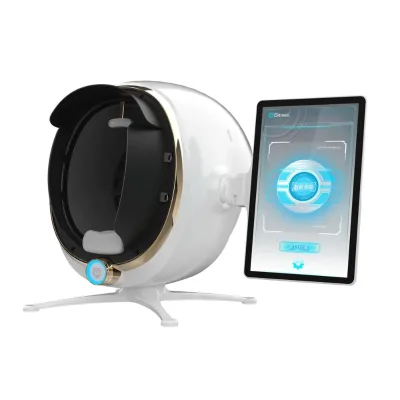
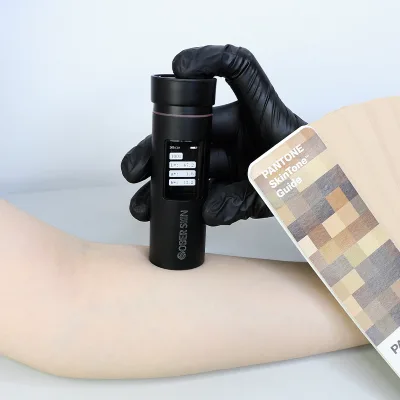
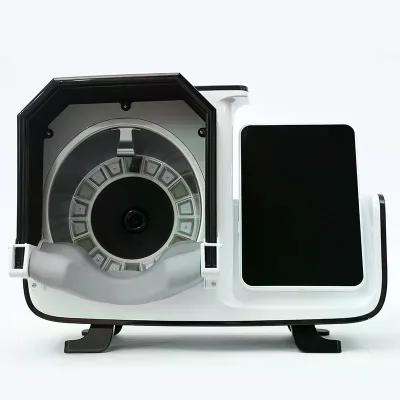
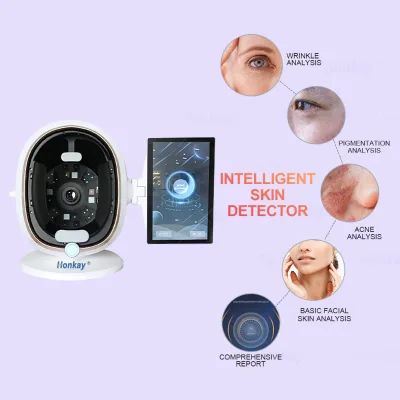


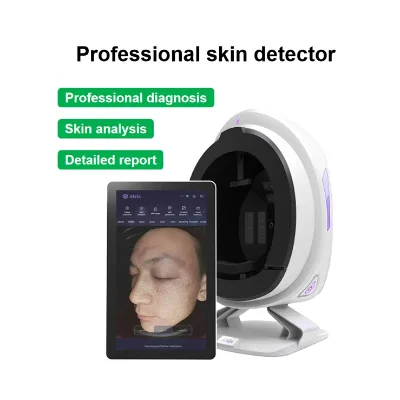
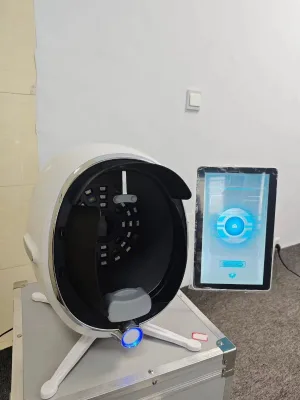
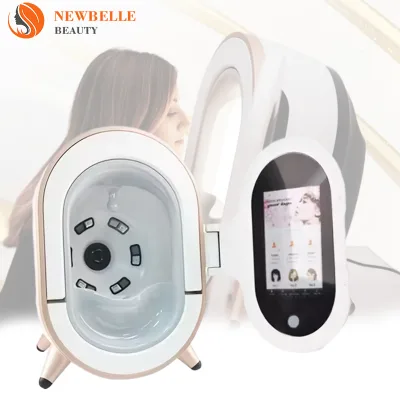
Best Quality Portable Skin Analyzer Mirror Beauty Machine Facial Skin Testing Analysis
$1000.00 - $10000.00
MOQ: 1 Pieces


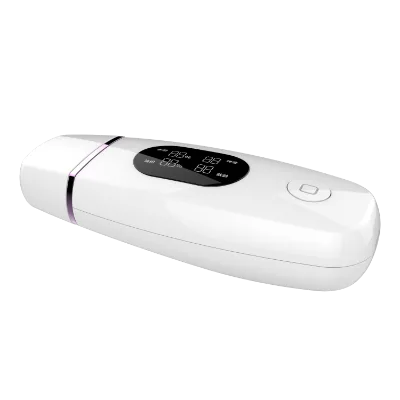


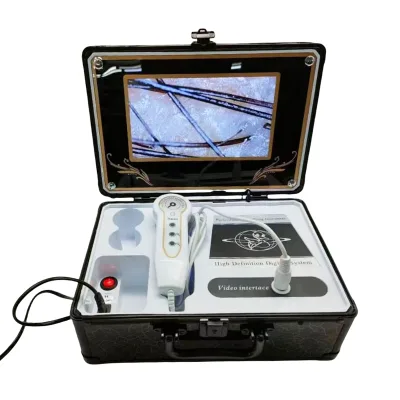
Quality Guaranteed Adjustable Mini Facial Skin Analyser Moisture Tester
$4.80 - $5.30
MOQ: 1000 Pieces
Comprehensive Sourcing Guide
Strategic Sourcing Guide for Skin Analyzer Equipment
Understanding the Technical Landscape of Skin Analysis Devices
The global market for skin analyzers has evolved from simple visual inspection tools to sophisticated diagnostic units capable of quantifying various dermatological parameters. For procurement professionals, the first step is to distinguish between the specific functional capabilities of available units. Current market offerings, such as the T08 and M6 models, demonstrate a clear divergence in target application areas. Some units are explicitly designed for commercial environments, while others cater to a dual-purpose market suitable for both commercial and home use. This distinction is critical because commercial-grade devices often feature higher durability and more extensive analysis modules compared to consumer-grade counterparts.
The core functionality of these devices revolves around the ability to detect and analyze specific skin conditions. High-confidence data indicates that leading models provide comprehensive analysis for acne, pigmentation, and skin wrinkles. Furthermore, moisture detection is a standard feature, allowing practitioners to assess skin hydration levels accurately. Advanced units expand this scope to include body health analysis and water-oil balance assessments. The hardware specifications vary significantly between models; for instance, some units utilize a 20-megapixel camera system paired with a 10.1-inch screen to ensure high-resolution imaging, while others may rely on different optical configurations. The light source is another critical technical variable, with some devices employing an 8-spectrum LED system to illuminate different skin layers, whereas others may use standard lighting. Buyers must verify the specific light type and camera resolution required for their intended diagnostic depth before proceeding with a purchase.
Compliance Verification and Certification Standards
In the medical and beauty equipment sector, compliance is not merely a formality but a fundamental requirement for market entry and operational safety. When sourcing skin analyzers, procurement teams must rigorously verify the certification status of potential suppliers. The CE mark is a frequently observed certification for these devices, indicating conformity with health, safety, and environmental protection standards for products sold within the European Economic Area. However, the presence of a certification on a product listing does not automatically guarantee that every unit in a batch meets the standard; verification of the specific certificate number and its validity with the issuing body is essential.
While some industry frameworks reference standards such as ISO 13485:2016 for medical device quality management, buyers should not assume a supplier's adherence to this standard based solely on general category knowledge. Instead, the procurement process must include a direct request for the supplier's Quality Management System (QMS) documentation. This documentation should explicitly confirm the scope of certification and the specific product lines covered. Additionally, electrical safety is paramount given the varying voltage requirements of these devices. The observed voltage range of 100V to 240V AC at 50/60Hz suggests a need for universal power compatibility, but the specific plug types—ranging from AU, CN, UK, EU, to US, JP, and ZA—must match the local infrastructure of the buyer's location. Failure to verify plug compatibility and voltage stability can lead to operational downtime or equipment damage.
Cost Drivers and Procurement Economics
The pricing structure for skin analyzers is influenced by a complex interplay of technical specifications, brand positioning, and order volume. The observed market price range spans from approximately $4.20 to $10,000 USD, a variance that reflects the disparity between basic entry-level units and high-end commercial systems. Several factors drive these costs. First, the complexity of the analysis software and the resolution of the imaging hardware, such as the 20-megapixel camera mentioned in specific models, significantly impact the base price. Second, the physical dimensions and weight of the unit play a role; for example, a device with a machine size of 57cm x 32cm x 37cm and a gross weight of 8.8kg will have different shipping and handling costs compared to a bulkier unit measuring 64cm x 57cm x 55cm with a weight of 12kg.
Minimum Order Quantity (MOQ) is another critical economic factor. The market exhibits a wide MOQ range, from a single unit to 1,000 units. Suppliers offering an MOQ of just 1 PC provide flexibility for small clinics or testing purposes, whereas bulk buyers may negotiate better unit economics by committing to larger volumes. The selling unit structure is typically "Single item," meaning the base price often includes the main unit, but accessories, additional probes, or extended warranty packages may be sold separately. Buyers should also consider the total cost of ownership, which includes the cost of replacement parts, the expense of shipping based on package dimensions (e.g., 67cm x 47cm x 49cm), and the long-term costs associated with software updates or calibration services.
Operational Applications and Target Areas
The versatility of skin analyzers is defined by their ability to target specific areas of the human body. While some models are specialized for facial analysis, others offer a broader scope including the body, legs, arms, lips, neck, throat, feet, and hands. The distinction between "Face" only and "Body, Face" capable devices is a key differentiator in procurement. Commercial salons often require multi-area capabilities to offer comprehensive beauty treatments, whereas dermatologists might prioritize high-precision facial analysis for medical diagnostics.
The application environment also dictates the necessary features. Devices labeled "For Commercial" are typically built for high-volume usage in professional settings, requiring robust construction and advanced data management features. In contrast, units suitable for "Home Use" prioritize ease of operation and portability. The availability of multiple languages, such as the 17 languages supported by certain models, is a crucial feature for international chains or clinics serving diverse populations. The interface, often a large touch screen, must be intuitive enough for staff training while providing detailed data for professional interpretation. Buyers should map their specific service offerings against the target area capabilities of the device to ensure the hardware aligns with their service menu.
Supplier Evaluation and After-Sales Support
Selecting a reliable supplier is as important as selecting the right hardware. The supply chain for skin analyzers is global, with major manufacturing hubs located in regions such as Guangdong and Hebei in China. When evaluating suppliers, buyers should look beyond the brand name, which may vary between models (e.g., Allfound, FSbeauty, Honkay), and focus on the consistency of the product quality and the reliability of the support infrastructure. A critical component of supplier evaluation is the after-sales service portfolio. High-confidence data indicates that top-tier suppliers provide online support and video technical support. These services are vital for troubleshooting hardware issues, calibrating sensors, and guiding staff through software updates without the need for immediate physical intervention.
The warranty period is another significant indicator of supplier confidence. While some models offer a standard 1-year warranty, others provide coverage extending up to 3 years. A longer warranty period often suggests a manufacturer's confidence in the durability of their components, such as the LED light sources and camera sensors. Buyers should carefully review the terms of the warranty to understand what is covered, including parts and labor, and whether the warranty is valid internationally or restricted to the country of origin. Additionally, the availability of spare parts and the lead time for replacements should be clarified before finalizing a contract to prevent operational disruptions.
Quality Control and Long-Term Procurement Strategy
Implementing a robust quality control (QC) protocol is essential for ensuring that every unit received meets the specified technical parameters. Given the variation in specifications such as impedance (e.g., 50 ohm), power consumption (0-100W), and physical dimensions, buyers should request pre-shipment inspection reports. These reports should verify that the actual product matches the provided specifications, including the color options (White, Black, Gray) and the exact model number. For large orders, conducting a third-party inspection at the manufacturing facility can mitigate the risk of receiving substandard units.
Long-term procurement considerations extend beyond the initial purchase. Buyers should plan for the lifecycle of the device, including software maintenance and potential hardware upgrades. The availability of firmware updates is crucial for keeping the analysis algorithms current and compliant with evolving industry standards. Furthermore, the environmental impact of the device, including energy efficiency and the disposal of electronic components, should be considered as part of a sustainable procurement strategy. By establishing a clear relationship with a supplier that offers comprehensive support, robust warranties, and transparent quality assurance, buyers can ensure a stable supply of high-performance skin analyzers that meet the evolving needs of their clients.
FAQs
What features do skin analyzers typically detect?
These devices detect acne, pigmentation, skin wrinkles, and moisture levels. Some advanced models also analyze body health and water-oil balance. The specific features depend on the model, such as the T08 or M6, which offer varying analysis modules for commercial or home use.
Can I use a Skin Analyzer for both face and body?
Yes, many units target the face, body, legs, arms, and other areas like lips or neck. Some models are specialized for facial analysis only, while others support comprehensive body scanning. Check the target area specification to ensure the device matches your service requirements.
Which certifications should I verify for Skin Analyzer safety?
You should verify the CE certification for these devices to ensure compliance with safety standards. While some industry frameworks reference ISO 13485, you must request specific documentation from the supplier. Do not assume all units meet these standards without direct verification of the certificate number.
How does the warranty period vary for these machines?
Warranty periods range from one year to three years depending on the manufacturer and model. Some suppliers offer a standard 12-month coverage, while others provide up to 36 months. A longer warranty often indicates higher confidence in component durability like the LED light sources.
What is the typical minimum order quantity for skin analyzers?
The minimum order quantity can be as low as one piece for testing or small clinics. Other suppliers may require orders up to 1000 units for bulk pricing. The selling unit is typically a single item, but you should confirm the specific MOQ before placing an order.
Where are these Skin Analyzer machines manufactured?
Manufacturing hubs for these devices are primarily located in Guangdong and Hebei, China. The specific place of origin varies by brand and model, such as the T08 or M6 series. You must verify the origin to ensure it aligns with your logistics and import requirements.
What power voltage and plug types are supported?
These machines support a voltage range of 100 to 240V AC at 50 or 60Hz. Plug types vary by region and include AU, CN, UK, EU, US, JP, and ZA options. Always match the plug type to your local infrastructure to prevent operational downtime or equipment damage.