Source Skin Brightening Collagen Powder for Skin Care, Health, and Beauty
Compare 30 listings of Skin Brightening Collagen Powder from verified Chinese manufacturers. Options include customized packaging, various certifications like GMP and ISO, and features such as low-salt and sugar-free formulations for adult use.
Key considerations
Products List






Comprehensive Sourcing Guide
Strategic Sourcing Guide for Skin Brightening Collagen Powder
Understanding Product Specifications and Formulation
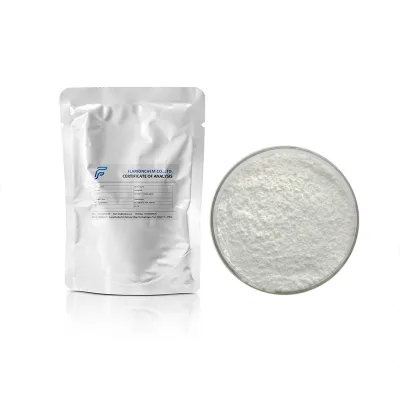
When sourcing Skin Brightening Collagen Powder, buyers must first distinguish between the various technical manifestations of the product found in the global market. The core keyword implies a specific application, yet the underlying raw material often serves multiple industrial purposes. Based on current market data, the product is frequently categorized under biochemical reagents and analytical reagents, indicating a high degree of purity and standardized chemical properties. The primary physical observation for this category is a white powder appearance, which is a critical visual indicator for initial quality assessment.
The molecular structure is a defining characteristic. The material is identified by the Chemical Abstracts Service (CAS) number 9064-67-9 and the EINECS number 618-608-5. The molecular formula is complex, represented as C4H6N2O3R2.(C7H9N2O2R)n, reflecting the polymeric nature of collagen peptides. While some listings indicate a molecular weight (MW) of 0, this often signifies a polydisperse mixture where a single average weight is not applicable, a common trait for hydrolyzed collagen. Buyers should verify the specific molecular weight distribution if their application requires precise peptide chain lengths, as this directly impacts bioavailability and absorption rates.
The purity level is a significant specification point, with observed data suggesting a purity of 99%. This high percentage is essential for cosmetic and health applications where impurities could cause adverse reactions or reduce efficacy. The source of the powder is typically described as dry powder, which simplifies logistics compared to liquid formulations but requires strict moisture control during storage. The product is suitable for adults and specifically noted as not applicable for newborns or children, a demographic restriction that must be clearly communicated in downstream labeling and marketing.
Compliance Framework and Certification Verification
Navigating the regulatory landscape is paramount when importing collagen powder for cosmetic or health applications. The supply chain for this product is heavily regulated, requiring a robust set of certifications to ensure safety and quality. The observed market data highlights a cluster of critical certifications: GMP (Good Manufacturing Practice), ISO standards, HACCP (Hazard Analysis and Critical Control Points), and KOSHER. These certifications are not merely marketing tools but represent adherence to strict production and safety protocols.
A secondary set of certifications, including QS and HACCP, is also prevalent in the market. The presence of GMP and ISO indicates that the manufacturing facility operates under internationally recognized quality management systems. HACCP certification is particularly vital for food-grade and supplement-grade collagen, as it ensures that potential biological, chemical, and physical hazards are identified and controlled throughout the production process. For buyers targeting markets with strict dietary laws, the KOSHER certification is a mandatory requirement to ensure the product is permissible for consumption by specific religious groups.
Buyers must verify that these certifications are current and issued by accredited bodies. The documentation should explicitly state the scope of the certification, ensuring it covers the specific manufacturing site and the specific product line. It is also important to note that while "Certification" is listed as a property, the specific standard numbers (e.g., ISO 9001, ISO 22000) should be requested in the supplier's audit reports. The absence of a specific standard number in a general listing should trigger a request for the full certificate to avoid compliance risks in the destination market.
Cost Drivers and Pricing Dynamics
The pricing structure for Skin Brightening Collagen Powder is influenced by a complex interplay of factors, including purity, packaging, and order volume. The observed price range in the market is extensive, spanning from $0.70 to $15,000 USD. This wide variance is not indicative of a single product tier but rather reflects differences in order quantity, purity levels, packaging requirements, and the specific grade of the collagen. The lower end of the spectrum typically corresponds to bulk industrial or raw material purchases with minimal packaging, while the higher end often includes specialized formulations, smaller batch sizes, or premium packaging solutions.
The Minimum Order Quantity (MOQ) is another critical cost driver, with observed ranges from 1 unit to 5,000 units. Suppliers offering an MOQ of 1 are likely catering to sample testing or small-scale R&D projects, which inherently carry a higher unit cost. Conversely, orders approaching the 5,000-unit threshold usually benefit from economies of scale, significantly reducing the per-unit price. Buyers must balance their inventory needs against the cash flow implications of high MOQs.
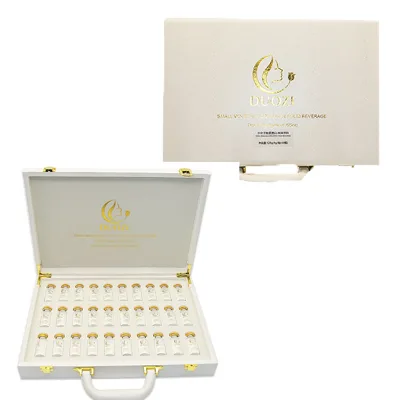
Packaging plays a substantial role in the final cost. The market data indicates options ranging from standard boxes to cold chain packaging. Cold chain packaging, necessary for maintaining the stability of certain bioactive compounds, adds a significant premium to the logistics cost. The specification of "180g" as a model or standard size suggests that pre-packaged units are a common transactional format, which may affect the pricing model compared to bulk drum shipments. Buyers should request a detailed cost breakdown that separates the material cost from packaging and logistics to understand the true value proposition.
Typical Applications and Functional Usage
The functional profile of Skin Brightening Collagen Powder extends beyond simple hydration, targeting specific aesthetic and health outcomes. The primary application is listed as "for Brightening Skin," which aligns with the growing demand for cosmetic ingredients that address hyperpigmentation and skin tone unevenness. This usage is supported by the product's classification as a biochemical reagent, suggesting it possesses specific biological activity when applied or ingested.
In addition to cosmetic applications, the product is utilized in the health sector. The "Application" field explicitly lists "Health," indicating its suitability for dietary supplements. The "Function" is categorized under "Cosmetology," reinforcing its dual potential in both topical formulations and ingestible supplements. The "Specific Usage" is noted as "Pratical Use," implying that the powder is ready for direct incorporation into various formulations without extensive pre-processing.
The product is also categorized under "Analytical Reagents," which suggests its use in laboratory settings for research and development. This dual nature requires buyers to ensure that the grade of collagen purchased matches the intended end-use. A batch certified for analytical reagents may not meet the purity or safety standards required for human consumption, even if the chemical composition is similar. Therefore, the "Usage" field must be cross-referenced with the intended application to ensure regulatory compliance and product efficacy.
Supplier Evaluation and Sourcing Strategy
Evaluating suppliers for collagen powder requires a rigorous approach that goes beyond price comparison. The "Place of Origin" is consistently listed as China, with specific regions like Shandong highlighted. While this indicates a concentration of manufacturing capabilities, buyers should not assume uniform quality across all suppliers in the region. The "Brand Name" FLARIONCHEM appears in the data, but buyers should not limit their search to a single brand or assume that all products from this brand meet every specification listed.
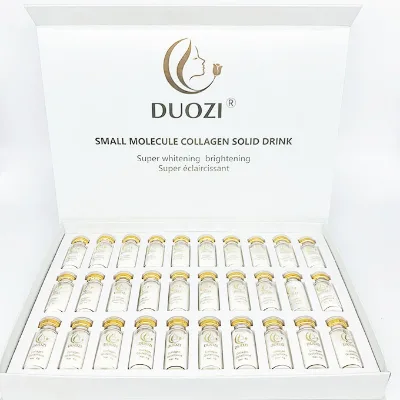
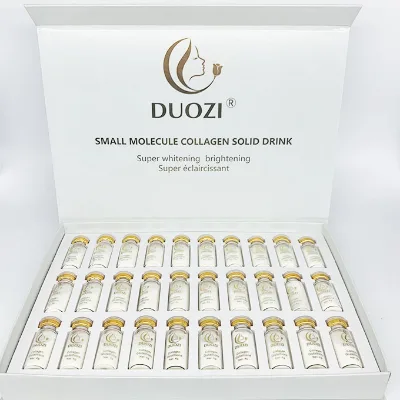
Key evaluation criteria should include the supplier's ability to provide customization. The data confirms that "Customization" and "OEM" (Original Equipment Manufacturing) are available. This allows buyers to tailor the product to their specific needs, such as adjusting the particle size, packaging format, or blending with other active ingredients. The availability of "Logo Printing" further supports the need for private labeling, a common requirement for cosmetic brands.
Buyers should also assess the supplier's flexibility regarding "Product Type." While the core product is a beverage or powder, the "Product Type" field lists "Beverage," which may indicate that the collagen is intended for reconstitution. However, the "Dosage Form" is explicitly "Powder," suggesting versatility in application. Suppliers who can demonstrate a track record of serving both the cosmetic and health supplement industries are preferable, as they are more likely to understand the distinct regulatory requirements of each sector.
Quality Control and Storage Protocols
Maintaining the integrity of Skin Brightening Collagen Powder throughout the supply chain is critical. The "Storage" requirements are specific and non-negotiable. The data indicates a storage temperature of 2-8°C, which necessitates cold chain logistics. This requirement is reinforced by the "prod_packing" attribute listing "Cold Chain Packaging." Failure to maintain this temperature range can lead to degradation of the collagen peptides, reducing the purity and efficacy of the product.
In addition to temperature control, moisture is a significant threat. The "Storage Note" explicitly states "Moisture Proof," and the "Appearance" is described as a white powder, which can clump or degrade in humid conditions. The "Storage" attribute also mentions "Cool Dry Place, Avoid Direct Sunlight," providing a secondary layer of guidance for long-term storage. Buyers must ensure that their logistics partners are equipped to handle these specific conditions from the point of origin to the final destination.
Quality control should also focus on the "Side Effect" profile. The data indicates "No" side effects, but this is a claim that must be substantiated by the supplier's safety data sheets and third-party testing results. The "Purity" of 99% is a target metric, but buyers should verify this through independent laboratory analysis upon receipt. The "Shelf-Life" is listed as 24 months, but this is contingent upon adherence to the specified storage conditions. Any deviation from the 2-8°C range or exposure to moisture could significantly shorten the effective shelf life of the product.
Long-Term Procurement Considerations
Sourcing collagen powder is not a one-time transaction but a strategic partnership that requires long-term planning. The "Customized" attribute suggests that buyers may need to engage in ongoing development to refine the product for their specific market needs. The availability of "Standard" content implies that while baseline products exist, customization is a key differentiator for long-term success.
Buyers should also consider the "Model Number" and "Model" specifications. The data lists "9064-67-9" as a model number, which is actually the CAS number, and "CAS" as another model identifier. This redundancy highlights the importance of clear communication regarding product specifications. In long-term contracts, buyers should ensure that the supplier commits to maintaining consistent specifications, including the molecular formula and purity levels, across all batches.
Finally, the "Selling Units" being listed as "Single item" suggests that the market is fragmented, with many small suppliers. For long-term procurement, buyers should aim to consolidate orders with fewer, more reliable suppliers to ensure consistency and reduce administrative overhead. The "MOQ" range of 1 to 5,000 allows for a phased approach, starting with smaller orders to validate quality before scaling up to larger volumes. This strategy mitigates risk while building a stable supply chain for Skin Brightening Collagen Powder.
FAQs
What certifications are required for this collagen powder?
The product holds GMP, ISO, HACCP, and KOSHER certifications. These ensure adherence to strict safety and quality protocols for both cosmetic and health applications.
How should the powder be stored to maintain purity?
Store the white powder at 2-8°C in cold chain packaging. It must also be kept in a cool, dry place away from direct sunlight to prevent moisture damage.
Can buyers request custom branding and packaging options?
Yes, customization and logo printing are available for this product. Buyers can specify unique packaging formats while maintaining the standard 99% purity level for their brand.
What is the typical shelf life of this collagen powder?
The shelf life is 24 months when stored correctly. This duration is contingent on maintaining the required 2-8°C temperature and ensuring the packaging remains moisture-proof.
Which demographic groups should avoid using this product?
This product is not applicable for newborns or children. It is specifically formulated and intended for adult use only, as indicated by the safety specifications.
What is the minimum order quantity for bulk purchases?
The minimum order quantity ranges from 1 to 5000 units depending on the supplier. Lower MOQs suit sample testing, while larger orders typically offer better pricing tiers.