Source Skidders Loaders Fuel Filter for Construction, Mining, and Repair
Source skidders loaders fuel filter options from 30 verified listings. Compare specifications like micron ratings, thread sizes, and cross-references for models such as 236b3 and 906h. Evaluate filtration efficiency and material composition to find the right fit for your machinery needs.
Key considerations
Products List


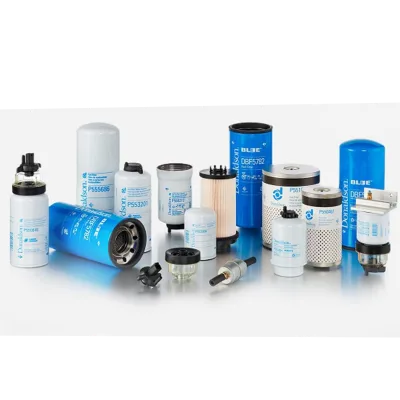


Comprehensive Sourcing Guide
Skidders Loaders Fuel Filter Sourcing Guide
Procuring fuel filters for skidders and loaders requires a disciplined approach to matching technical specifications with operational demands. The observed market data indicates a diverse range of products, with prices spanning from one to ten thousand US dollars and minimum order quantities varying between one and one thousand units. Buyers must navigate this variance by focusing on precise model compatibility rather than generic fitment. The supply chain includes components designed for specific heavy machinery, such as skid steer loaders and wheel-type loaders, where filtration efficiency directly impacts engine longevity and performance.
Understanding the structural and material composition of these filters is critical for making informed purchasing decisions. Many listed products feature mobile structures with pressure filtration mechanisms, utilizing materials like iron, filter paper, and nitrile rubber to handle oil impurities and water separation. Some variants are engineered with composite cellulose and synthetic fibers to achieve high water separation efficiency, which is vital for machinery operating in harsh environments. Buyers should verify that the selected filter aligns with the specific mechanical principles and micron ratings required by their equipment to prevent premature failure or contamination.
Product Scope and Observed Listing Signals
The current market landscape for skidders and loaders fuel filters presents a wide array of options, with thirty distinct products available for procurement. Listings frequently highlight customization capabilities, allowing buyers to tailor packaging or specific attributes to their logistical needs. The observed price range of one to ten thousand US dollars suggests significant variation in quality, brand, and technical complexity. Buyers should interpret this range as an indicator that low-cost options may lack the durability required for heavy-duty applications, while higher-priced items often offer enhanced filtration grades and longer warranty periods.
Minimum order quantities (MOQs) observed between one and one thousand units provide flexibility for both small-scale repairs and large fleet maintenance programs. Some suppliers offer an MOQ of fifty units, which may be suitable for standardizing inventory across multiple machines. The presence of cross-reference numbers, such as Fs1280 and P551329, facilitates easier identification of compatible parts for existing machinery. Buyers should leverage these cross-references to ensure seamless integration with their current maintenance schedules, reducing downtime associated with part identification errors.
Technical Specifications to Verify
Verifying technical specifications is the most critical step in ensuring filter compatibility and performance. Key dimensions such as an outer diameter of 81mm and a height of 154mm must be matched precisely to the equipment’s mounting points. Thread sizes, such as 13/16-18 or 1-14 UNS, are equally important to prevent leaks and ensure secure installation. Buyers should cross-check these physical attributes against the manufacturer’s specifications for specific models, including skid steer loaders like the 236b and wheel-type loaders like the 906h, to avoid fitment issues.
Filtration performance metrics, including micron ratings and efficiency percentages, dictate the filter’s ability to protect the engine. Products with a 20-micron rating are suitable for general oil impurity removal, while those with a 30-micron rating and 99% water separation efficiency are essential for machinery operating in wet conditions. The material composition, whether iron, composite cellulose, or synthetic fiber, influences durability and filtration capacity. Buyers must confirm that the selected filter meets the specific mechanical principles, such as pressure filtration, required by their equipment’s fuel system design.
Compliance and Safety Documentation
Compliance with international standards is a non-negotiable aspect of sourcing fuel filters for heavy machinery. Certifications such as ISO9001 and IATF16949 indicate that the supplier adheres to rigorous quality management systems, ensuring consistent product quality and reliability. Buyers should request documentation verifying these certifications to mitigate the risk of receiving substandard components. Additionally, adherence to OEM standards ensures that the filters meet the original equipment manufacturer’s specifications, which is crucial for maintaining warranty coverage and operational safety.
Safety documentation should also include detailed information on the filter’s application industry and usage scenarios. Products designed for machinery repair shops and construction works must withstand demanding operating conditions. Buyers should verify that the filters are suitable for the specific applications, such as oil-water separation or general oil impurity removal, to ensure optimal performance. Understanding the warranty terms, such as a one-year period or 10,000 km coverage, provides additional assurance of product reliability and supplier confidence in their offerings.
Cost Drivers and Commercial Terms
Several factors influence the cost of skidders and loaders fuel filters, including material quality, filtration technology, and packaging requirements. Products made from composite cellulose and synthetic fibers may command higher prices due to their superior water separation efficiency and durability. Customization options, such as specific packaging or branding, can also impact the final cost. Buyers should evaluate the total cost of ownership, considering factors like filter lifespan and maintenance frequency, rather than focusing solely on the initial purchase price.
Commercial terms, including minimum order quantities and warranty periods, play a significant role in procurement planning. Suppliers offering an MOQ of fifty units may provide better pricing for bulk purchases, while those with lower MOQs offer flexibility for smaller orders. Warranty terms, such as a one-year period or 10,000 km coverage, provide financial protection against premature failures. Buyers should negotiate terms that align with their operational needs, ensuring that they receive adequate support and coverage for their investments in filtration components.
Supplier Qualification and Quality Control
Supplier qualification is essential for ensuring the reliability and consistency of fuel filter supplies. Buyers should assess suppliers based on their adherence to quality standards, such as ISO9001 and IATF16949, and their ability to provide comprehensive documentation. Suppliers with a strong track record in the machinery repair and construction industries are more likely to deliver high-quality products that meet stringent performance requirements. Verifying the supplier’s production capabilities and quality control processes helps mitigate the risk of receiving defective or non-compliant components.
Quality control measures should include rigorous testing of filtration efficiency, material durability, and dimensional accuracy. Buyers should request test reports or certification documents that verify the filter’s performance against specified standards, such as micron ratings and water separation efficiency. Additionally, suppliers should provide clear information on the product’s origin, such as China, and any relevant standards, such as standard size or OEM standard. Establishing a strong relationship with qualified suppliers ensures a steady supply of high-quality filters and supports long-term operational efficiency.
Long-Term Procurement Checks
Long-term procurement success depends on continuous monitoring of supplier performance and product quality. Buyers should establish key performance indicators (KPIs) to track filter lifespan, failure rates, and overall satisfaction. Regular audits of supplier quality control processes and adherence to standards help maintain high levels of product reliability. By staying informed about industry trends and technological advancements, buyers can make proactive decisions to upgrade their filtration systems and improve operational efficiency.
Building a robust supply chain involves diversifying suppliers and maintaining open communication channels. Buyers should engage in regular reviews with their suppliers to address any issues promptly and explore opportunities for cost savings or product improvements. Additionally, staying updated on cross-reference numbers and compatibility information ensures that buyers can quickly adapt to changes in their machinery fleet. By prioritizing long-term relationships and continuous improvement, buyers can secure a reliable supply of high-quality fuel filters for their skidders and loaders.
FAQs
What is the micron rating for this oil filter?
The micron rating is 20 microns for efficient filtration of oil impurities. This specification ensures that fine particles are effectively captured during operation. It supports the mechanical principle of pressure filtration to maintain system cleanliness and protect engine components from wear and damage.
Which skid steer loader models are compatible with this filter?
Compatible skid steer loader models include 236b, 236b3, 242b3, 246c, 252b, 252b3, and 256c. These models utilize the specific structural dimensions and thread size to ensure a secure fit. The filter is designed to meet the operational requirements of these heavy machinery units.
Can this filter separate water from oil effectively?
Yes, it functions as an oil-water separator with 99% water separation efficiency. The composite cellulose and synthetic fiber materials facilitate this process. This capability is crucial for maintaining fuel quality and preventing engine damage caused by water contamination in heavy machinery applications.
What certifications does the manufacturer hold for quality assurance?
The manufacturer holds ISO9001 and IATF16949 certifications. These standards ensure rigorous quality control throughout the production process. The products are manufactured in China using iron and rubber materials, adhering to strict industry guidelines for durability and performance in demanding machinery environments.
What is the warranty period for this fuel filter?
The warranty period is one year or 10,000 kilometers. This coverage applies to defects in materials and workmanship under normal usage conditions. Buyers can rely on this guarantee for peace of mind when sourcing replacement parts for their skidders and loaders.
How is the product packaged for shipping and storage?
The product is packaged in cartons or normal boxes. Custom boxes or filmant packages are also available upon request. This flexible packaging option ensures safe transit and storage, protecting the filter from damage while allowing for efficient inventory management for bulk orders.