Source Skin Care Bowknot Hair Headband for Daily Life, Travel, and Sports
Compare 30 listings for Skin Care Bowknot Hair Headband options featuring fabric or plastic materials with customizable sizes. Buyers can review specifications including weight, dimensions, and certifications like BSCI and SGS from suppliers in China.
Key considerations
Products List


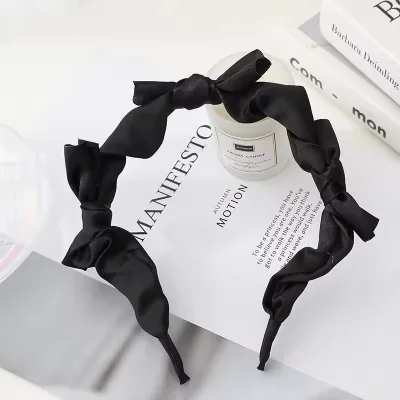
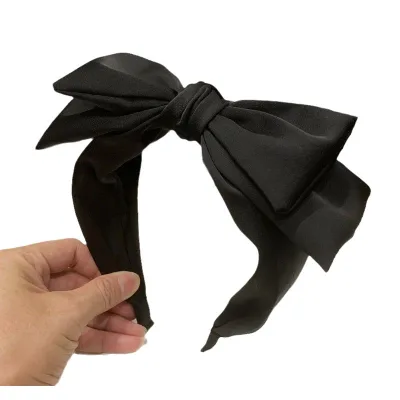
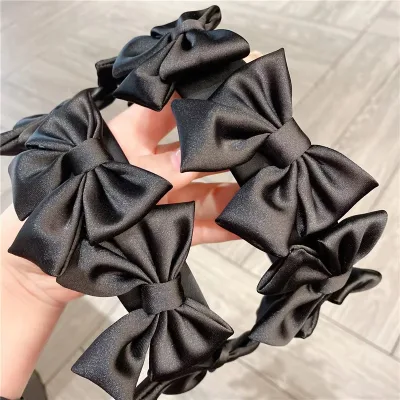
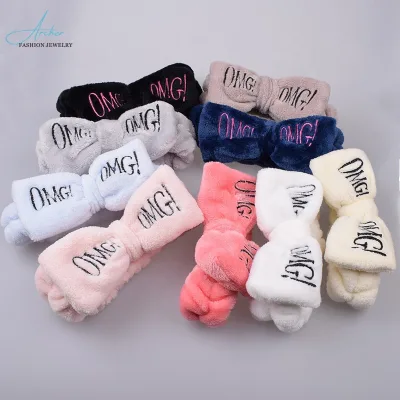
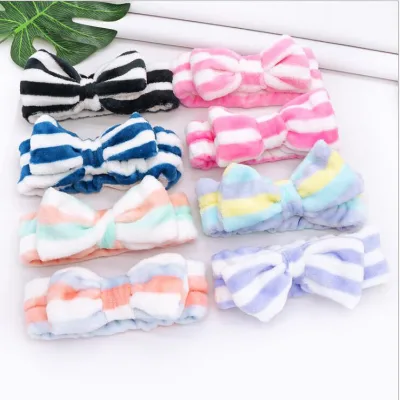


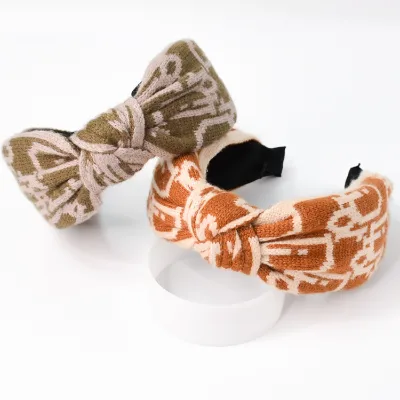
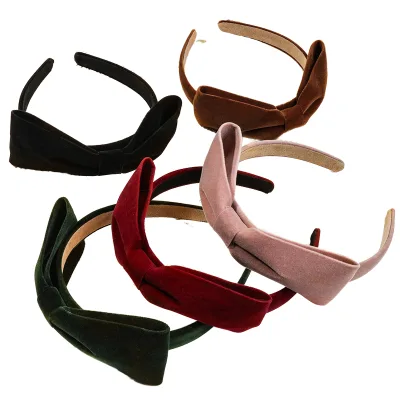
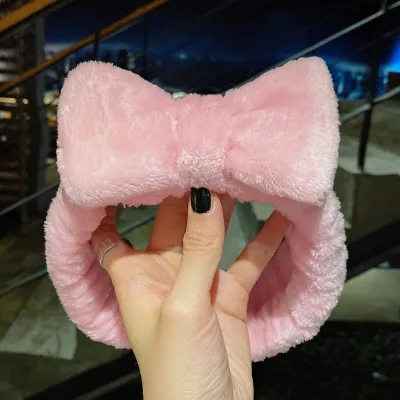

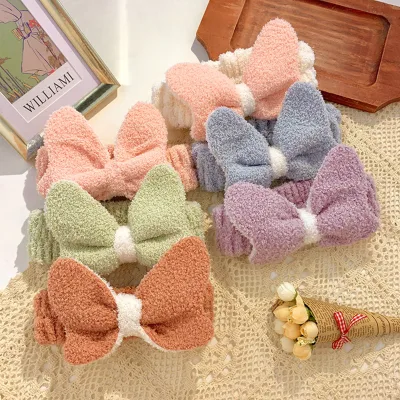
Hair Headband New SPA Hair Band Wrist Band Bow Knot Headband for Washing Face
$0.45 - $0.55
MOQ: 500 Pieces


Headband Women Coral Fleece Hair Band Lace Large Bow Face Wash Cute Headband
$0.45 - $0.55
MOQ: 500 Pieces

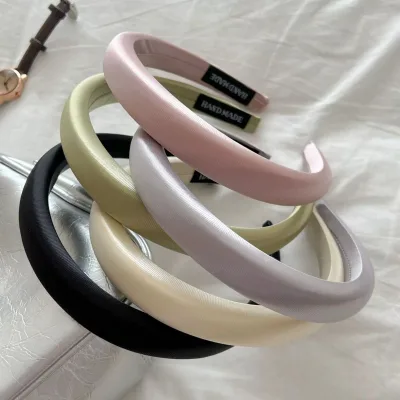
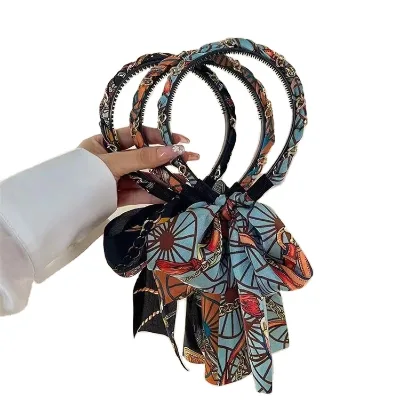
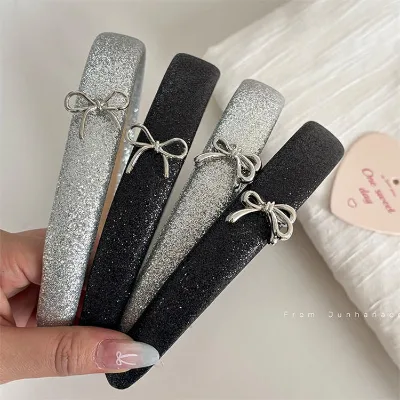
Fashion Beauty Facial Headband Luxury Headbands for Women Hair Accessories
$0.45 - $0.55
MOQ: 500 Pieces


Comprehensive Sourcing Guide
Strategic Sourcing Guide for Skin Care Bowknot Hair Headbands
The global market for hair accessories has evolved significantly, moving beyond simple utility to encompass products that prioritize skin health, aesthetic versatility, and functional comfort. The core keyword "Skin Care Bowknot Hair Headband" indicates a specific niche where buyers seek items that combine decorative elements, such as bowknots, with materials and designs intended to be gentle on the skin and hair. This guide provides a disciplined, evidence-based approach to sourcing these products, focusing on the technical specifications, compliance requirements, and supply chain dynamics observed in current market data.
Understanding Product Composition and Material Standards
The foundation of any successful procurement strategy for hair headbands lies in a rigorous understanding of material composition. In the context of "skin care" products, the choice of fabric is paramount to preventing irritation, particularly for users with sensitive skin or those prone to breakouts. Market observations indicate that high-quality options in this category frequently utilize microfiber fabrics. These materials are often composed of specific blends, such as 80% Polyester and 20% Polyamide, or 100% Polyester. The weight of the fabric is a critical technical specification, with observed ranges falling between 200 and 400 GSM (grams per square meter). This density ensures the headband is substantial enough to hold hair securely without being overly stiff or abrasive.
Buyers must distinguish between fabric-based headbands and those made from alternative materials like plastic. While plastic variants exist, often featuring a circumference of approximately 15cm and weighing around 30g, the "skin care" designation strongly favors the microfiber or fabric options. The composition of the fabric directly influences the product's ability to absorb moisture and its breathability, which are essential for daily life usage. When evaluating suppliers, procurement teams should request detailed material breakdowns to verify that the claimed "microfiber" or "fabric" attributes align with the specific polyester-polyamide blends known for their softness and durability.
Technical Specifications and Dimensional Variability
Precision in product dimensions is a non-negotiable aspect of sourcing custom or branded hair accessories. The market data reveals a significant variance in standard sizes, which must be accounted for during the design and specification phase. Observed standard dimensions include configurations such as 608.5cm, 185cm, 2010cm, and 215cm paired with 10*6cm. These variations cater to different styling needs, from wide headbands designed to keep hair completely off the face to narrower bands suitable for decorative purposes.
The "bowknot" element, a key feature of the core keyword, introduces additional complexity to the specifications. The size and placement of the bowknot must be integrated into the overall dimensions without compromising the structural integrity of the band. Suppliers often offer customization services, allowing buyers to specify exact measurements. However, buyers should verify that the customization process maintains the integrity of the fabric weight and composition. For instance, a headband with a standard circumference of 15cm may require specific adjustments if a large bowknot is added, potentially altering the effective stretch and fit. It is essential to confirm that the final product meets the intended fit requirements for the target demographic, which is predominantly female, including girls and women.
Compliance, Certification, and Supply Chain Transparency
In the B2B sector, compliance and certification are the bedrock of trust and market access. For products originating from manufacturing hubs like Zhejiang, China, or other regions within China, verifying the supplier's adherence to international standards is critical. The observed market data highlights specific certifications such as BSCI (Business Social Compliance Initiative) and SGS (Société Générale de Surveillance). These certifications indicate that the supplier has undergone audits regarding social responsibility and product quality, respectively.
When sourcing "skin care" products, the presence of these certifications serves as a proxy for the supplier's commitment to ethical manufacturing and quality control. Buyers should not assume that all listed products automatically possess these credentials; rather, they must explicitly request proof of BSCI and SGS certification for the specific production batch. Additionally, the "ODM/OEM" capability of the supplier is a vital factor. This indicates that the manufacturer can produce goods under the buyer's brand name or design specifications, offering flexibility in branding and product differentiation. The "Customization" attribute observed in the data further supports the need for a supplier capable of adapting to specific design requests while maintaining compliance.
Cost Drivers and Minimum Order Quantity Dynamics
The financial architecture of sourcing hair headbands is influenced by several variables, including material costs, customization complexity, and order volume. The observed price range in the market spans from $0.15 to $4.27 USD per unit. This wide disparity suggests that the final price is heavily dependent on the specific material composition, the intricacy of the bowknot design, and the volume of the order. Lower-priced items often correspond to simpler designs or standard sizes, while higher-priced units may reflect custom specifications, premium fabric blends, or complex packaging requirements.
Minimum Order Quantity (MOQ) is another critical cost driver. Data indicates an MOQ range from as low as 2 pieces to as high as 3200 pieces. For new buyers or those testing the market, suppliers offering low MOQs (e.g., 2 to 60 pieces) provide a lower barrier to entry. However, larger orders typically unlock better unit pricing and more favorable shipping terms. The "Selling Units" often listed as "Single item" can be misleading; buyers must clarify whether the price quoted is per piece or per set. Furthermore, the "Delivery time" of 3-7 days for certain items suggests a responsive supply chain, but this may vary significantly based on the level of customization and the specific production schedule of the supplier.
Supplier Evaluation and Quality Assurance Protocols
Evaluating a supplier for "skin care bowknot hair headbands" requires a multi-faceted approach that goes beyond price comparisons. The first step is to verify the supplier's location and origin. Most observed products originate from China, with specific mentions of Zhejiang as a production hub. Buyers should confirm the "Place of Origin" to ensure it aligns with their logistics strategy and any trade agreements they may be leveraging.
Quality assurance must be embedded in the procurement process. Given the "skin care" focus, the tactile feel and chemical safety of the fabric are paramount. Buyers should request samples to test for softness, elasticity, and the absence of harsh chemicals that could irritate the skin. The "Feature" attributes observed, such as "Waterproof," "Multifunction," and "Decorate," should be validated through physical testing. For example, a claim of "waterproof" capability should be tested to ensure the fabric does not degrade or lose its shape after exposure to moisture. Additionally, the "Packing" method, which can range from simple Opp Bags to 5-Layer Cartons, plays a role in product protection during transit. Buyers should specify packing requirements that minimize damage, especially for delicate bowknot elements.
Applications and Market Positioning
The versatility of skin care bowknot hair headbands makes them suitable for a wide array of applications. The primary "Occasion" identified is "Daily Life," indicating that these products are designed for everyday wear rather than just special events. This broad applicability expands the potential market to include schools, gyms, and casual social settings. The "Style" attributes, ranging from "Simple" to "Sweet," allow buyers to target specific consumer segments. For instance, a "Sweet" style with bowknot elements may appeal to younger demographics, while a "Simple" design might target adults seeking minimalistic accessories.
The "Gender" specification is consistently noted as "Female" or "Girls," confirming that the target audience is well-defined. However, the "Type" of product, listed as "Elastic Hair Bands" or "Headband," suggests functional versatility. Buyers should consider how these attributes influence marketing strategies. A product that is both "Decorate" and "Multifunction" can be positioned as a solution for both styling and hair management. The "Color" options, which may range from specific shades like "Black" to broader categories like "Picture Shows," offer opportunities for color-matching with other fashion items.
Long-Term Procurement and Scalability Considerations
Sourcing for the long term requires a strategic approach to scalability and relationship management. The "Customization" and "ODM/OEM" capabilities of suppliers are essential for brands looking to differentiate themselves in a crowded market. As the business grows, the ability to adjust production volumes and design specifications without compromising quality becomes increasingly important. Buyers should establish clear communication channels with suppliers to ensure that changes in demand or design can be accommodated efficiently.
The "Standard" dimensions and "Model Number" variations observed in the data (e.g., MDV-2250327W01, ZL-25-5-6) highlight the need for robust inventory management. Buyers should maintain a clear catalog of approved models and standards to avoid confusion during reordering. Additionally, the "Season" attribute of "Whole Year" suggests that these products have consistent demand, reducing the risk of seasonal inventory obsolescence. However, buyers should remain vigilant regarding supply chain disruptions and ensure that lead times are clearly defined and agreed upon in contracts.
In conclusion, sourcing skin care bowknot hair headbands requires a balanced approach that prioritizes material quality, compliance, and supplier reliability. By focusing on the technical specifications, verifying certifications, and understanding the cost drivers, buyers can build a resilient supply chain that delivers high-quality products to their customers. The evidence-based strategies outlined in this guide provide a framework for making informed decisions in this dynamic market segment.
FAQs
What materials are used for skin care bowknot hair headbands?
These headbands typically use microfiber fabric composed of 80% polyester and 20% polyamide or 100% polyester. The fabric weight ranges from 200 to 400 GSM to ensure softness and durability for daily use.
Can buyers customize the dimensions of these headbands?
Yes, customization is available for standard dimensions like 60*8.5cm, 18*5cm, or 20*10cm. Buyers can request specific measurements to fit their design needs while maintaining the fabric integrity.
Which certifications do these manufacturers usually hold?
Suppliers often hold BSCI and SGS certifications to verify social compliance and product quality. Buyers should request proof of these credentials for specific batches to ensure ethical manufacturing standards.
How does the minimum order quantity affect pricing?
The minimum order quantity ranges from 2 to 3200 pieces, influencing the unit price significantly. Lower MOQs like 2 or 60 pieces suit testing, while larger orders typically unlock better pricing tiers.
Where are these headbands typically manufactured?
Most products originate from China, with specific production hubs located in Zhejiang. Buyers should verify the place of origin to align with their logistics strategy and trade agreements.
What is the typical delivery time for these items?
Delivery times can be as short as 3 to 7 days for certain items. However, lead times may vary based on the level of customization and the specific production schedule of the supplier.