Source Smart Cart Electric Suction Door for Villa, Factory, and Warehouse
Find and compare Smart Cart Electric Suction Door options from 30 verified listings. Evaluate features like obstacle stop protection, infrared sensors, and customizable power supplies to select the right automatic entry solution for residential or commercial applications.
Key considerations
Products List

Smart Electric Garage Door with Enhanced Safety Technology
$60.00 - $99.00
MOQ: 6 Square Meters
Hunan Lianxin Chi Tai Intelligent Doors And Windows Co., Ltd.

Smart Automatic Electric Garage Door with Safety Obstacle Detection
$100.00 - $160.00
MOQ: 7 Square Meters
Hunan Lianxin Chi Tai Intelligent Doors And Windows Co., Ltd.

Smart Electric Garage Door with Advanced Safety Features
$60.00 - $99.00
MOQ: 6 Square Meters
Hunan Lianxin Chi Tai Intelligent Doors And Windows Co., Ltd.

Smart Electric Garage Door with Enhanced Safety Features
$61.00 - $99.00
MOQ: 7 Square Meters
Hunan Lianxin Chi Tai Intelligent Doors And Windows Co., Ltd.

Smart Roller Shutter Door for Industrial Automation Solutions
$60.00 - $100.00
MOQ: 10 Square Meters
Hunan Lianxin Chi Tai Intelligent Doors And Windows Co., Ltd.

Smart Electric Automatic Garage Door with Safety Stop Feature
$60.00 - $99.00
MOQ: 6 Square Meters
Hunan Lianxin Chi Tai Intelligent Doors And Windows Co., Ltd.
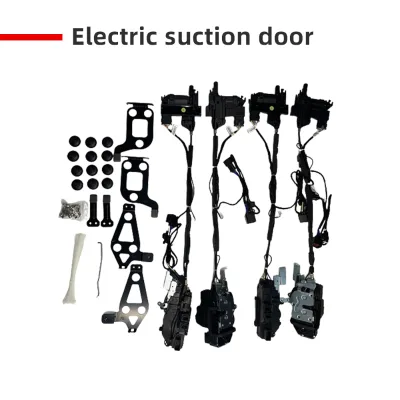


Elegant Intelligent Electric Gate Modern Smart Door with Remote and Voice Control Function
$103.25 - $153.32
MOQ: 1 Square Meters

Battery Powered Electric Glass Suction Handling Cart for Curtain Wall Installation
$6000.00 - $6500.00
MOQ: 1 Pieces


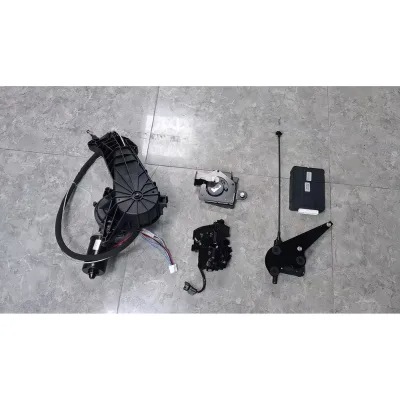


Comprehensive Sourcing Guide
Smart Cart Electric Suction Door Sourcing Guide
Sourcing electric suction doors for smart carts and automated logistics environments requires a precise understanding of the underlying technology, which relies on vacuum-based holding mechanisms rather than traditional mechanical latches. These systems are designed to provide seamless, silent, and secure closure for applications ranging from industrial passageways to specialized vehicle compartments. The core value proposition lies in the integration of intelligent sensors and automatic suction functions that prevent pinching and ensure safety during operation. Buyers must recognize that these are not standard manual doors but complex electromechanical assemblies that demand rigorous verification of control logic, power requirements, and environmental resilience.
The procurement process for these components is heavily influenced by the specific operational context, whether for a stationary facility like a warehouse or a mobile platform such as a specialized vehicle. The observed market data indicates a wide variance in product specifications, with models ranging from simple metal and plastic assemblies to more complex aluminum alloy structures with insulation. This diversity means that a one-size-fits-all approach to sourcing is ineffective. Procurement teams must first define the exact load, speed, and environmental constraints of their application before evaluating suppliers, as the difference between a basic suction unit and a high-performance smart door system can significantly impact total cost of ownership and operational reliability.
Product Scope and Observed Listing Signals
The current market landscape for electric suction doors includes a variety of configurations, primarily categorized by material composition and intended application. Observed listings highlight products constructed from metal and plastic, as well as aluminum alloy variants, with some models featuring glass components or insulated foam-filled panels. These material choices directly correlate with the door’s durability, weight, and thermal properties. For instance, aluminum alloy doors with insulation foam are often preferred for environments requiring temperature control or noise reduction, while simpler metal and plastic units may suffice for basic internal partitioning or lighter-duty applications. Buyers should carefully match the material specification to the physical demands of their specific use case.
Listing signals also reveal significant variation in operational features, such as opening styles and safety mechanisms. While some products are described as having automatic suction and anti-pinch functions, others may offer remote control operation or self-collapsing designs. The presence of safety light curtains and obstacle stop protection devices is a critical differentiator, particularly for high-traffic areas or automated guided vehicle (AGV) interfaces. Additionally, the observed data shows that some units are marketed with specific car model compatibility, suggesting a niche application in automotive or specialized transport sectors. Procurement specialists must scrutinize these feature sets to ensure alignment with their safety protocols and automation infrastructure, avoiding products that lack essential intelligent features like obstacle detection.
Technical Specifications to Verify
When evaluating technical specifications, the power supply and motor capabilities are paramount for ensuring compatibility with existing infrastructure. Electric suction doors typically operate on standard industrial voltages such as 220V/380V with a tolerance of +10%, at frequencies of 50/60Hz, though customized power options are available. Buyers must verify the motor power and torque requirements, as some systems specify output torques around 600N, while others may require higher capacities depending on the door size and weight. It is crucial to confirm whether the motor power is rated in watts or corresponds to the weight capacity it can handle, as inconsistencies in labeling can lead to underpowered installations. Ensuring that the power supply matches the site’s electrical standards is the first step in preventing operational failures.
Dimensional and performance metrics also require strict verification, particularly regarding maximum size, running speed, and wind resistance. Observed specifications indicate that some units can accommodate widths up to 12,000 mm and heights up to 8,000 mm, with running speeds ranging from 20cm to 40cm per second. For outdoor or high-traffic applications, wind resistance ratings, such as those meeting Beaufort Scale 12-14, are essential to prevent structural damage during severe weather. Additionally, the single package dimensions and gross weight, which may be around 70x45x20 cm and 7.000 kg respectively for certain models, impact logistics and installation planning. Buyers should request detailed technical drawings and performance data sheets to validate these specifications against their physical space and operational speed requirements.
Compliance and Safety Documentation
Safety is the primary concern when integrating electric suction doors into automated systems, particularly where human interaction or high-speed movement is involved. Buyers must ensure that suppliers provide comprehensive documentation on safety features, including anti-pinch mechanisms, safety light curtains, and obstacle stop protection devices. These features are not merely optional add-ons but critical components that prevent injury and equipment damage. The presence of infrared sensors and intelligent control logic should be verified through test reports or certification documents. Without proper safety documentation, the risk of liability in the event of an accident increases significantly, making it imperative to audit the supplier’s safety engineering practices.
Certification status is another key area requiring verification, with CE marking being a common standard observed in the market. This certification indicates compliance with European health, safety, and environmental protection standards, which is often a baseline requirement for international trade. However, buyers should not assume that all listed products are fully certified; they must request valid certificates and verify their authenticity with the issuing body. Additionally, for applications in specific regions or industries, other local standards may apply. Procurement teams should establish a clear checklist of required certifications and ensure that the supplier can provide up-to-date documentation for each unit or batch delivered, avoiding potential customs delays or legal issues.
Cost Drivers and Commercial Terms
The cost of electric suction doors is influenced by several factors, including material quality, customization options, and the complexity of the control system. Observed price ranges vary widely, from approximately $60 to nearly $20,000, reflecting the diversity from simple auxiliary components to fully integrated smart door systems. Customization is a significant cost driver, as many suppliers offer tailored solutions for specific dimensions, power requirements, or aesthetic finishes. Buyers should be prepared for higher costs if they require non-standard sizes, specialized materials like insulated aluminum, or integrated smart cart compatibility. Understanding the breakdown of these costs helps in negotiating better terms and avoiding hidden fees for customization or packaging.
Minimum Order Quantities (MOQ) and payment terms also play a crucial role in the commercial structure of the procurement. Observed MOQs range from 1 to 50 units, offering flexibility for both small-scale trials and larger deployments. However, buyers should be aware that ordering below the MOQ may result in higher per-unit costs or longer lead times. Warranty terms, such as the 2-year warranty observed in some listings, provide a layer of financial protection against early failures. It is advisable to negotiate extended warranty periods or service level agreements (SLAs) for critical applications. Additionally, clarifying the packaging standards, which may be customized, ensures that products arrive undamaged and reduces the risk of additional logistics costs.
Supplier Qualification and Quality Control
Selecting the right supplier requires a thorough assessment of their manufacturing capabilities and quality control processes. Buyers should prioritize suppliers with a proven track record in producing electric suction doors, particularly those with experience in the specific application area, such as commercial passageways or automotive parts. The place of origin, often Guangdong, China, for many observed listings, indicates a concentration of manufacturing expertise in this region. However, buyers must verify the supplier’s production capacity, quality management systems, and after-sales support infrastructure. Requesting references or case studies from previous clients can provide valuable insights into the supplier’s reliability and product performance in real-world scenarios.
Quality control measures should be explicitly defined in the procurement contract, including pre-shipment inspections and testing protocols. Buyers should insist on witnessing or reviewing test results for key performance indicators, such as suction strength, motor durability, and safety feature responsiveness. Additionally, verifying the supplier’s ability to provide customized packaging and labeling ensures that the products meet specific logistical or branding requirements. Establishing a clear communication channel for technical support and troubleshooting is also essential, as these complex systems may require specialized knowledge for installation and maintenance. A robust supplier qualification process minimizes the risk of receiving substandard products and ensures long-term operational stability.
Long-Term Procurement Checks
Long-term success in sourcing electric suction doors depends on establishing a framework for continuous monitoring and evaluation. Buyers should implement regular performance audits to assess the reliability and efficiency of the installed units, tracking metrics such as downtime, maintenance frequency, and energy consumption. This data-driven approach allows for proactive identification of potential issues before they lead to costly failures. Additionally, maintaining open lines of communication with the supplier for feedback and improvement suggestions fosters a collaborative relationship that can lead to product enhancements and better support over time. Regular reviews of the supplier’s performance against agreed-upon KPIs ensure that the partnership remains beneficial and aligned with evolving business needs.
As technology evolves, buyers must stay informed about emerging trends and innovations in electric suction door systems, such as improved smart integration, enhanced safety features, or more energy-efficient motors. Periodic re-evaluation of the supplier’s product portfolio and technological capabilities ensures that the procurement strategy remains competitive and forward-looking. Furthermore, reviewing and updating safety and compliance documentation annually helps maintain adherence to changing regulatory standards. By adopting a proactive and strategic approach to long-term procurement, organizations can maximize the value of their electric suction door investments, ensuring safe, efficient, and reliable operations for years to come.
FAQs
What materials are used for the door panels?
The door panels are constructed from aluminum alloy with insulation foam filling. Some variants also incorporate glass or metal and plastic components to ensure durability and thermal efficiency for various commercial and residential applications.
Can the product be customized for specific needs?
Yes, customization is available for this product. Buyers can request tailored specifications, packing methods, and standards to match their unique project requirements while maintaining the core functionality of the electric suction door system.
What is the maximum running speed of the door?
The maximum running speed ranges from 20cm to 40cm per second. This speed ensures efficient operation while maintaining safety, particularly when integrated with obstacle stop protection devices and infrared sensors for secure usage.
Which certifications does the product hold?
The product holds CE certification, indicating compliance with relevant safety and quality standards. This certification supports its use in commercial settings like factories, warehouses, and workshops where regulatory adherence is critical for operational safety.
How does the safety protection system work?
The system includes obstacle stop protection devices and safety light curtains to prevent accidents. It features anti-pinch functions and automatic suction capabilities to ensure safe operation when detecting obstructions or human presence near the door.
What is the warranty period for the unit?
The unit comes with a 2-year warranty covering manufacturing defects and functional issues. This warranty applies to the electric suction door components, providing buyers with assurance regarding the longevity and reliability of the installed system.
Can the door resist high wind speeds?
Yes, the door is designed with a wind-resistant structure capable of withstanding Beaufort Scale 12 to 14 winds. The large arc door panel design and widened, thickened construction ensure stability in high-wind environments exceeding 35m/s.