Source Soda Lime for Medical, Diving, and Chemical Uses
Find 12 Soda Lime products tailored for medical, diving, and chemical applications. Compare specifications such as CE and ISO certifications, dynamic drying methods, and packaging options like iron barrels or wooden cartons to identify suitable suppliers for your sourcing needs.
Updated
Key considerations
Products List


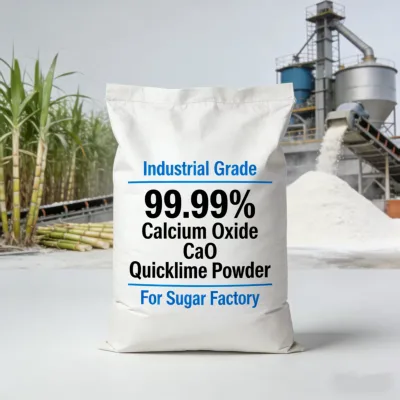
Hydrated Lime Strong Reactivity & Fine Particle Size Competitive Price Chemical
$105.00 - $349.00
MOQ: 18 Pieces
Comprehensive Sourcing Guide
Soda Lime Sourcing Guide
Sourcing Soda Lime for medical and industrial applications requires careful attention to material composition, packaging integrity, and regulatory compliance. This guide synthesizes observed market signals to help procurement professionals navigate supplier landscapes effectively. By focusing on verified attributes such as drying methods, shape, and origin, buyers can establish a baseline for quality assessment. The following sections provide structured advice on evaluating product scope, technical specifications, and commercial terms to ensure successful procurement outcomes.
Product Scope and Observed Listing Signals
The observed market for Soda Lime reveals a diverse range of product types, primarily categorized under surgical supplies materials and breathing apparatus components. Listings indicate that the material is often presented in pellet or granule forms, with dynamic drying methods employed to maintain optimal moisture levels. These physical characteristics are critical for ensuring consistent performance in CO2 absorption applications, particularly in medical settings where reliability is paramount. Buyers should verify that the product shape aligns with their specific equipment requirements to avoid compatibility issues during installation.
Origin data suggests that a significant portion of these products originates from China, with specific mentions of Jiangsu as a production hub. This geographic concentration can influence logistics planning and lead time estimates, which are commonly reported as within thirty days based on order quantity. Additionally, customization options are frequently available, allowing buyers to tailor packaging or branding to their needs. Understanding these market signals helps in identifying suppliers who can meet both standard and specialized procurement demands efficiently.
Technical Specifications to Verify
Technical verification begins with confirming the moisture content, which is observed to be a maximum of 2% for certain medical-grade Soda Lime products. This low moisture level is essential for preventing clumping and ensuring efficient carbon dioxide absorption in breathing circuits. Buyers must also check the packaging specifications, as products are often supplied in iron barrels with plastic linings or wooden cartons to protect against environmental factors. Proper packaging is crucial for maintaining the product's integrity during storage and transit, especially given the requirement for sealed storage in dry, cool, and shady places.
Further technical details include the product model numbers, such as ZG-AHKJ001 and sat-16, which can aid in precise identification and reordering. The color of the Soda Lime, typically white, pink, or purple, serves as an indicator of exhaustion in medical applications, allowing for timely replacement. Additionally, the weight specifications, such as 4.5kg per barrel, provide clarity on unit quantities for inventory management. Verifying these specific attributes ensures that the purchased material meets the exact technical requirements of the intended application, whether for medical or diving purposes.
Compliance and Safety Documentation
Compliance verification is a critical step in sourcing Soda Lime, particularly for medical applications where regulatory standards are stringent. Observed certifications include CE and ISO marks, which indicate adherence to specific quality and safety standards. Buyers should request valid certification documents to confirm that the supplier’s products meet the necessary regulatory requirements for their target markets. It is important to note that some products are explicitly stated to be without ethylene oxide sterilization, which may influence their suitability for certain sterile medical procedures.
Documentation should also cover the product standards, which are listed as CE and carton specifications in some listings. These standards help ensure that the manufacturing process and final product quality are consistent and reliable. Buyers must verify that the supplier can provide up-to-date compliance certificates, as regulatory requirements can change over time. Ensuring that all necessary documentation is in place before placing an order helps mitigate risks associated with non-compliant products and facilitates smoother customs clearance and market entry.
Cost Drivers and Commercial Terms
Cost structures for Soda Lime are influenced by several factors, including the minimum order quantity (MOQ) and packaging requirements. Observed MOQs range from 1 to 50,000 units, offering flexibility for both small-scale and large-volume buyers. The price range observed in the market is between $0.02 and $350, reflecting variations in product type, quantity, and customization options. Buyers should consider how their order volume impacts pricing and negotiate terms that align with their budget and inventory needs.
Commercial terms also include delivery lead times, which are commonly within thirty days based on the order quantity. Packaging options, such as 500 pieces per carton or 4.5kg per bottle, affect shipping costs and storage requirements. Additionally, logo printing services are available, which may incur extra costs but can be beneficial for branding purposes. Understanding these commercial variables allows buyers to make informed decisions that balance cost efficiency with operational requirements, ensuring a smooth procurement process from order placement to delivery.
Supplier Qualification and Quality Control
Supplier qualification involves assessing the manufacturer’s capabilities and quality control processes. Observed product attributes, such as the use of dynamic drying methods and specific packaging materials, indicate a level of technical sophistication. Buyers should inquire about the supplier’s quality assurance protocols, including how they monitor moisture content and ensure consistent pellet or granule formation. Verifying the supplier’s ability to maintain these standards is crucial for ensuring product reliability and performance.
Additionally, the availability of customization services, such as OEM logo printing and tailored packaging, suggests that suppliers are responsive to buyer needs. Buyers should evaluate the supplier’s flexibility in meeting specific requirements, such as custom sizes or specialized packaging configurations. It is also important to check the supplier’s track record and reputation in the market, as this can provide insights into their reliability and commitment to quality. Engaging with suppliers who demonstrate strong quality control practices helps mitigate risks and ensures a consistent supply of high-quality Soda Lime.
Long-Term Procurement Checks
Long-term procurement success depends on establishing robust relationships with suppliers and implementing regular quality checks. Buyers should schedule periodic audits or requests for updated certification documents to ensure ongoing compliance with regulatory standards. Monitoring changes in product specifications, such as moisture content or packaging materials, helps maintain consistency in supply chain operations. Regular communication with suppliers can also facilitate early detection of potential issues, allowing for proactive resolution before they impact production or patient care.
Furthermore, buyers should track market trends and price fluctuations to optimize purchasing strategies over time. Keeping an eye on new product developments, such as improved drying methods or alternative packaging solutions, can provide opportunities for cost savings or performance enhancements. By maintaining a proactive approach to supplier management and quality assurance, buyers can ensure a stable and reliable supply of Soda Lime, supporting their operational needs and regulatory obligations effectively.
FAQs
What is the standard packaging for Soda Lime pellets?
Soda Lime is typically packed in iron barrels with plastic lining or wooden cartons. Specific options include 4.5kg bottles or 4.5kg barrels with plastic lining. Customization is available for bulk orders to meet specific logistical requirements.
Can I customize the logo on Soda Lime products?
Yes, OEM logo printing is available for Soda Lime products. Buyers can choose to have their logo printed on the packaging or opt for no logo. This customization supports branding needs for medical and diving applications.
What certifications do these Soda Lime products hold?
The products hold CE and ISO certifications. These standards ensure compliance with international quality and safety requirements. The materials are suitable for medical and diving applications, meeting necessary regulatory benchmarks for breathing apparatus components.
What is the delivery lead time for orders?
Delivery is based on order quantity, commonly within 30 days. This timeframe allows for efficient processing and shipping. Buyers should consider their specific volume requirements to ensure timely receipt of the Soda Lime products for their operations.
What is the maximum moisture content for Soda Lime?
The maximum CO2 absorber moisture content is 2%. This specification ensures optimal performance in medical and diving applications. Proper storage in a sealed, dry, cool, and shady place is required to maintain this moisture level and product efficacy.
Where are these Soda Lime products manufactured?
The products originate from China, specifically Jiangsu province. This location supports the manufacturing of medical carbon dioxide absorbent Soda Lime. The global market reach ensures availability for international buyers seeking reliable sourcing for their medical and diving needs.