Class II Oxygen Sensor Suppliers and Manufacturers
Compare 22 verified suppliers offering Class II Oxygen Sensor products with varying lead times, certifications, and response speeds. Review their ISO standards, locations in China, and pricing to select the right partner for your needs; review the available evidence before requesting comparable quotations from suitable candidates.
Suppliers List

Wenzhou Yize Industrial Co., Ltd.
- Trading Company,Manufacturer/Factory
- China Zhejiang
- Lead time0 days
- Avg. response≤ 15h
Main productsAutomobile Pumps, Suspension Parts, C. V. Joint, Auto Parts, Car Parts, Air Filter, Auto Filter, Wheel Hub Bearing, Shork Absorber, Brake Pad

MOQ: 50 Pieces

MOQ: 50 Pieces
Cangzhou Qirun Detecting Instrument Co., Ltd.
- Verified by SGS
- Combined
- China Hebei
- Lead time15 days
- Avg. response≤ 2h
Main productsThermocouple, Disposable Thermocouple, Sampler, Multi-Use Thermocouple, Molten Steel Thermometer
Main marketsSouth America,Southeast Asia/ Mideast,Domestic

Nanjing KELISAIKE Safety Equipment Co., Ltd.
- Verified by BV
- Combined
- China Jiangsu
- Lead time15 days
- Avg. response≤ 14h
Main productsGas Detector, Multi Gas Detector, Online Gas Analyzer, Air Breathing Apparatus, Personal Protection Equipment, Gas Detector Remote Controller, Alcohol Tester, Gas Sensor, Gas Monitor, Continuous Emission Monitoring System
Main marketsSouth America,Africa,Southeast Asia/ Mideast,East Asia(Japan/ South Korea),Domestic,Europe,Australia,North America

Oxygen Detector Sensor for O2, 4oxv O2-A2, Honeywell Gas Replacement Sensor
$32.00 - $39.00
MOQ: 10 Pieces


Oxygen Detector Sensor for O2, 4oxv O2-A2, Honeywell Gas Replacement Sensor Factory Price
$32.00 - $39.00
MOQ: 10 Pieces

Bw Sr-X10-C1 Replacement Oxygen Sensor O2-A2 Basic Customization Sample Customization
$29.00 - $35.00
MOQ: 5 Pieces


ZHEJIANG MASTER INJECTION SYSTEM CO., LTD.
- Verified by BV
- Combined
- China Zhejiang
- Lead time30 days
- Avg. response≤ 17h
Main productsFuel Pump, Fuel Pump Module, Motorcycle Fuel Pump, Motorcycle Fuel Pump System, Vvt Variable Valve Timing, Ocv Oil Control Valve, Vvt Solenoid, Electric Fuel Pump, Gasoline Fuel Pump, Fuel Pump Factory
Main marketsSouth America,Africa,Southeast Asia/ Mideast,Europe,North America
- Distributor/Wholesaler
- Guangdong, China
- Lead time15 days
- Avg. response≤ 7h
Main productsGas Sensors,UV Sensors,Air Flow Sensors,Humidity Sensors,Pressure Sensors
Main marketsSouthern Europe(10.00%), Northern Europe(10.00%), Western Europe(10.00%), Eastern Europe(10.00%), Mid East(10.00%), North America(10.00%), Domestic Market(5.00%), South Asia(5.00%), Oceania(5.00%), Africa(5.00%), Central America(5.00%), Southeast Asia(5.00%), Eastern Asia(5.00%), South America(5.00%)
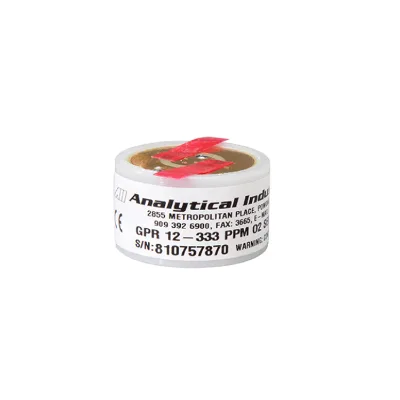
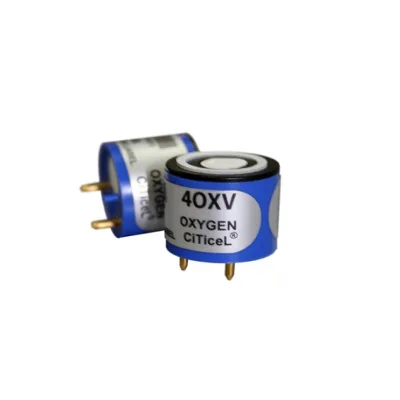
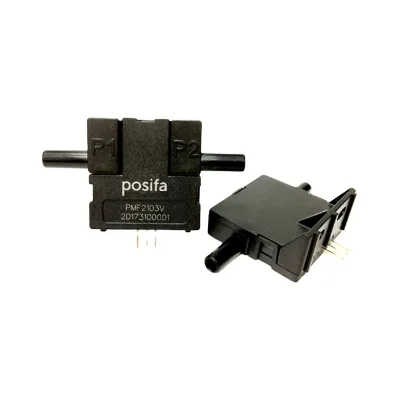
1-25% Vol O2 Sensor Oxygen Gas Sensor for Portable or Fixed Life Safety
$20.00 - $22.00
MOQ: 1 Minimum
Chang Ming International Technology Co., Limited
- Trading Company
- Hong Kong S.A.R.
- Lead time7 days
- Avg. response≤ 4h
Main productschip,power supply,sensor,gps/gnss module,integrated circuit
Main marketsNorth America(20.00%), Northern Europe(10.00%), Eastern Asia(10.00%)
Ningxia Maiya Sensor Technology Development Co., Ltd
- Verified by TUVRHEINLAND
- Trading Company
- China Ningxia
- Lead time15 days
- Avg. response≤ 4h
Main productsGas Analyzer, Gas Detector, Portable Gas Detector, Fixed Gas Detector, Gas Sensor, Eletrochemical Gas Sensor, Ndir Gas Sensor, Pid Gas Sensor, Air Quality Monitoring System
Main marketsSoutheast Asia/ Mideast,Europe


Alphasense O2-A2 Oxygen Concentration Sensor Oxygen Sensor for Air Quality Monitor
$22.00 - $22.40
MOQ: 1 pieces


for Various Ventilators and Oxygen Concentrators O2 Sensor Oxygen Battery Oom202
$38.80 - $47.00
MOQ: 1 pieces
Shenzhen Sinno Environmental Protection Technology Co., Ltd
- Verified by CTI
- Combined
- China Guangdong
- Lead time15 days
- Avg. response≤ 1h
Main productsChromaticity Online Sensor, Dissolved Oxygen Online Sensor, pH Sensor, Suspended Solids Online Sensor, Oil in Water Online Sensor, Radar Flowmeter, Conductivity Online Sensor, Ammonia Nitrogen Water Quality Analyzer, Total Organic Carbon Water Quality Analyzer, Cod/Toc/BOD Water Quality Sensor
Main marketsDomestic

Hefei WNK Smart Technology Co., Ltd.
- Combined
- China Anhui
- Lead time15 days
- Avg. response≤ 5h
Main productsPressure Transmitter, Pressure Sensor, Pressure Switch, Differential Pressure Transmitter, Temperature Transmitter, Temperature Switch, Level Switch, Pressure Transmitter Circuit Board, Liquid Level Transmitter, Pressure Controller
Main marketsSouth America,Africa,Southeast Asia/ Mideast,East Asia(Japan/ South Korea),Domestic,Europe,Australia,North America

Guangzhou Hengxin Auto Parts Trading Co., Ltd.
- Verified by SGS
- Manufacturer/Factory
- China Guangdong
- Lead time23 days
- Avg. response≤ 16h
Main productsFilter, Ball Joint, Water Pump, Break Pads, Rubber Sleeve, Coil Ignition, Spark Plug, Gasket
Main marketsSouth America,Eastern Europe,Mid East,North America,Southeast Asia,Eastern Asia,Oceania,Western Europe,Africa

Wenzhou Credit Parts Co., Ltd.
- Verified by TUVRHEINLAND
- Combined
- China Zhejiang
- Lead time15 days
- Avg. response≤ 11h
Main productsFuel Injector, Fuel Pump, Vvt Variable Valve, Sensor, Fuel Injector Repair Kits, Fuel Pressure Regulator, Idle Air Control Valve, Diesel Injector
Main marketsNorth America

Shanghai Boqu Instrument Co., Ltd.
- Manufacturer
- China Shanghai
- Lead time15 days
- Avg. response≤ 7h
Main productspH Meter, pH Sensor, Dissolved Oxygen Meter, Do Sensor, Conductivity Meter, Conductivity Sensor, Turbidity Sensor, Residual Chlorine Analyzer, Concentration Meter, Turbidity Meter
Main marketsSouth America,Africa,Southeast Asia/ Mideast,East Asia(Japan/ South Korea),Domestic,Europe,Australia,North America
Qingdao D&E International Trade Co., Ltd.
- Verified by BV
- Trading Company,Manufacturer/Factory
- China Shandong
- Lead time23 days
- Avg. response≤ 6h
Main productsAuto Spare Parts, Truck Sparts Parts, Diesel Heaters, Truck Air Conditioner, Heater Spare Parts for Eberspacher/Webasto
Main marketsSouth America,Eastern Europe,Mid East,North America,Southeast Asia,Eastern Asia,Oceania,Western Europe,Africa
Shenzhen Kingvigo Technology Development Co., Ltd.
- Trading Company, Agent, Distributor/Wholesaler
- Guangdong Province, China
- Lead time14 days
- Avg. response≤ 4h
Main productsPressureAir FlowForce Sensor,Current Sensor,Humidity Sensor,Industrial Pressure,Gas Sensor
Main marketsNorth America(20.00%), Mid East(10.00%), Central America(10.00%), Domestic Market(10.00%), Northern Europe(10.00%), Eastern Europe(10.00%), South America(10.00%), Oceania(5.00%), Western Europe(5.00%), Southeast Asia(5.00%), Southern Europe(2.00%), Africa(1.00%), South Asia(1.00%), Eastern Asia(1.00%)

Hunan Rika Electronic Tech Co., Ltd.
- Verified by BV
- Combined
- China Hunan
- Lead time15 days
- Avg. response≤ 4h
Main productsWind Sensor, Radiation Sensor, Temperature Humidity Sensor, Rain Guage, Pyranometer, Soil Sensor, Level Sensor, Data Logger, Solar Radiation Shield, Weather Station
Main marketsSouth America,Southeast Asia/ Mideast,Europe


User-Friendly Dissolved Oxygen Sensor with 0-50mg/L Range and Precision
$176.00 - $188.00
MOQ: 1 Pieces

High Sensitivity Dissolved Oxygen Sensor with 0-50mg/L Measurement Range
$176.00 - $188.00
MOQ: 1 Pieces

Precision Dissolved Oxygen Sensor with 0-20mg/L Range and High Accuracy
$176.00 - $188.00
MOQ: 1 Pieces
Anhui Hechuang Intelligent Manufacturing Co. Ltd
- Verified by SGS
- Combined
- China Anhui
- Lead time15 days
- Avg. response≤ 1h
Main productsDifferential Pressure Transmitter, Pressure Transmitter, Temperature Transmitter, Electromagnetic Flowmeter, Magnetic Level Gauge, Bimetallic Thermometer, Differential Pressure Switch, Sensor, Float Level Gauge, Vortex Flowmeter
Main marketsDomestic

Shenzhen Toprie Electronics Co., Ltd.
- Verified by SGS
- Manufacturer
- China Guangdong
- Lead time15 days
- Avg. response≤ 4h
Main productsPressure Sensor, Power Meter, Sensor, Temperature Sensor, Level Transmitter, Paperless Recorder, Iiot Gateway, Data Logger, Data Acquisition Module, Liquid Level Sensor
Main marketsEurope,North America

Qingdao Pengrui Machinery Co., Ltd.
- Verified by TUVRHEINLAND
- Combined
- China Shandong
- Lead time15 days
- Avg. response≤ 20h
Main productsFastener, Pins, Screw, Clamps, Metal Fabrication, Plastic Fastener, Screw Plunger, Bolt, Nuts
Main marketsNorth America
- Verified by SGS
- Trading Company
- China Jiangxi
- Lead time15 days
- Avg. response≤ 1h
Main productsPatient Monitor Module, Patient Monitor Part
Main marketsSouth America,Africa,Southeast Asia/ Mideast,East Asia(Japan/ South Korea),Domestic,Europe,Australia,North America

Oom111 Oxygen Sensor Gas Sensor for Anesthesia Machine Medical Replacement Accessories
$100.00 - $1000.00
MOQ: 1 Pieces

Oxygen Sensor 10097559 O2 Sensor for Pb760 Pb840 Pb980 Ventilator Machine Accessories
$100.00 - $1000.00
MOQ: 1 Pieces


Shenzhen Jinshengwei Technology Co., Ltd.
- Manufacturer, Trading Company
- Guangdong, China
- Lead time0 days
- Avg. response≤ 2h
Main productsConnector,Terminals,IC,Fuse,sensor
Main marketsSouth America(20.00%), South Asia(10.00%), Western Europe(10.00%), Mid East(10.00%), Africa(10.00%), Eastern Europe(10.00%), North America(10.00%)
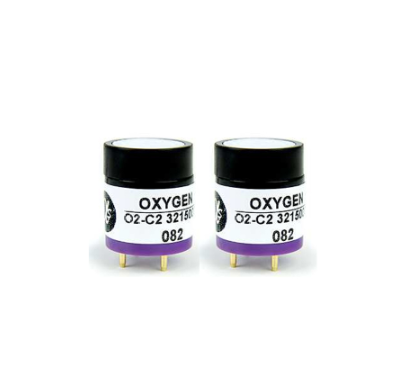
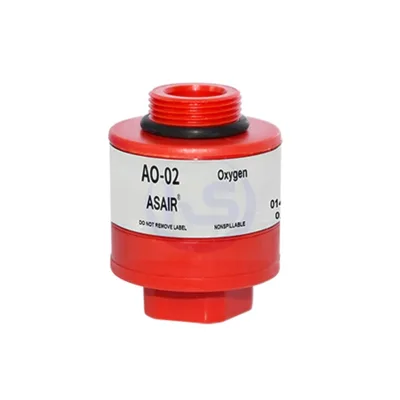
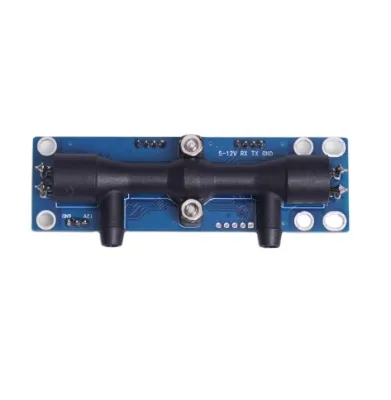
$14.43 - $17.52
MOQ: 2 Minimum
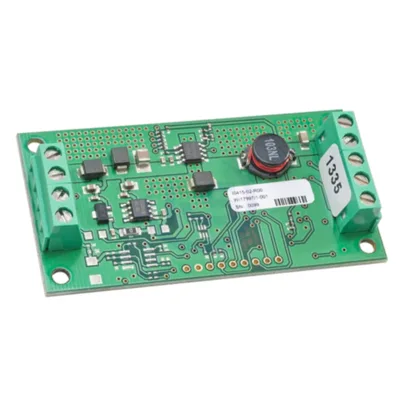
Shenzhen Beswho Electronic Technology Co., Ltd.
- Verified by TüVRheinland
- Trading Company
- Lead time3 days
- Avg. response≤ 2h
Main productsElectron Component, PLC, RF
Main marketsNorth America(20%), Eastern Europe(15%), Western Europe(15%)

Quanzhou Fanghua Import Export Co., Ltd.
- Verified by BV
- Trading Company
- China Fujian
- Lead time30 days
- Avg. response≤ 10h
Main productsBrake Pad, Brake Shoe, Starter, Alternator, ABS Wheel Speed Sensor, Brake Pad Sensor, Brake Pads Wire, Auto Brake Shoes, Auto Brake Pads, ABS Sensor
Main marketsSouth America,Africa,Southeast Asia/ Mideast,Europe,North America

Oxygen Sensor for 11787589146 11787589147 11787545074 11787545075 11787589122
$1.00 - $100.00
MOQ: 1 Pieces


Oxygen Sensor for 11787570760 11787590713 11787589139 11787535269 11787537984
$1.00 - $100.00
MOQ: 1 Pieces


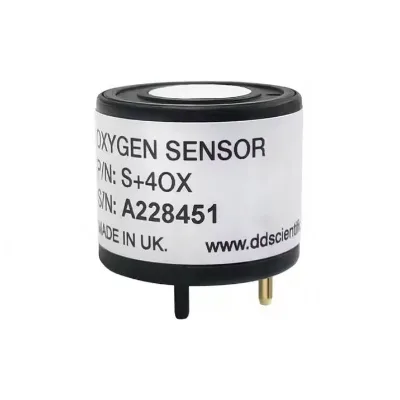
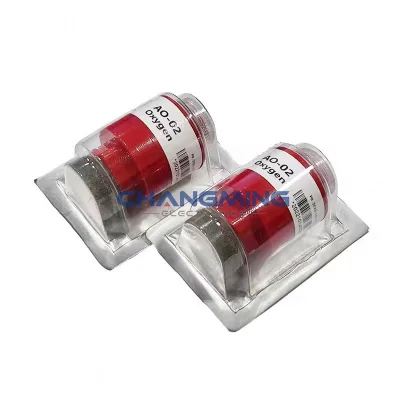


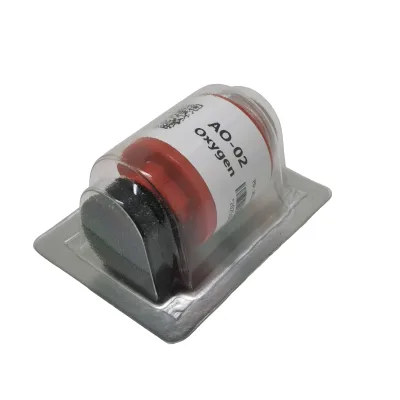


Comprehensive Sourcing Guide
Class II Oxygen Sensor Supplier Concentration and Factory Types
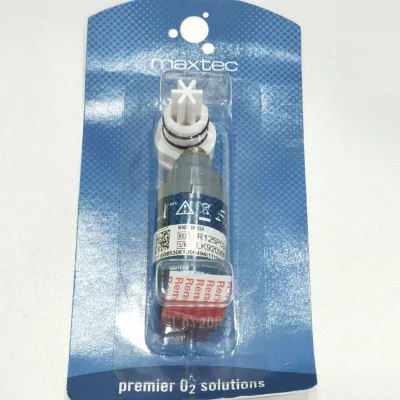
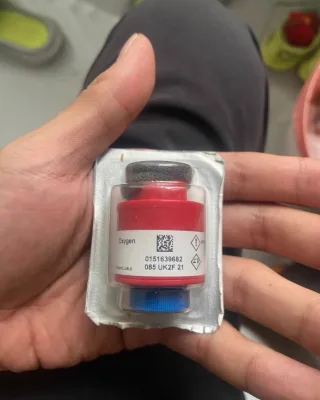
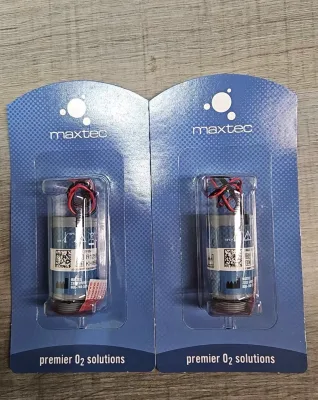
When sourcing a Class II Oxygen Sensor, start by mapping where the relevant supply base actually sits rather than assuming a single dominant cluster. In the current supplier results, sensor-related manufacturing and trading activity is concentrated in a handful of Chinese provinces, including Zhejiang, Hebei and Jiangsu. Zhejiang-based suppliers list automotive pumps, suspension parts, wheel hub bearings, brake pads and oxygen sensors for American car models, indicating a vehicle-parts orientation. Hebei suppliers focus on thermocouples and temperature-and-oxygen measurement probes for molten steel, which is an industrial rather than automotive application. Jiangsu suppliers center on gas detectors, gas sensors and replacement oxygen cells for portable detection equipment. Treat these as distinct product families even though all involve oxygen sensing.
Supplier types also differ in ways that affect your sourcing decision. The observed results include trading companies combined with factories, and a combined manufacturer-trader profile in Hebei. Some suppliers state OEM or ODM capability, and at least one advertises its own brand alongside OEM work, while several list customization as available on specific sensor products. Verify whether a supplier actually manufactures the sensor element itself or assembles and packages replacement cells, because this affects quality control depth and pricing flexibility. Before shortlisting, ask each candidate to describe its role in the production chain, its main products, and whether the oxygen sensor category is a core line or an adjacent item in its catalog.
How to Verify Class II Oxygen Sensor Suppliers
Verification should begin with independently confirmed credentials rather than self-declared claims. In the observed supplier data, some profiles carry third-party verification marks such as SGS or BV, while others do not, so treat verification status as a differentiator when comparing candidates. System certifications also vary: some suppliers list ISO 9001, one Hebei supplier cites ISO9001:2015 and ISO14001:2015 certificates, and one fuel-pump-oriented supplier shows no system certification on file. Ask each candidate for the current certificate itself, check the issuing body, and confirm the certificate covers the site that would produce your sensors, not a different entity.
Product-level evidence matters as much as company-level paperwork. Sensor listings in the observed data cite standards such as ISO9001:2008 for automotive oxygen sensors, CE and UL marks on gas-replacement sensor cells, and origin declared as China or Hebei. Request the specific conformity documents behind any claimed mark, including test reports for oxygen accuracy, response time and service life, since electrochemical oxygen cells typically degrade and sellers in the observed data state service life around two years for some cells. Also verify responsiveness before committing: recorded response times in the current results range from roughly one hour to more than sixteen, so send identical technical questions to every candidate and measure who answers precisely, with data sheets, rather than quickly with vague reassurance. Cross-check the reply against the listed product attributes.
What to Compare Across Class II Oxygen Sensor Suppliers
Build a comparison grid using only attributes that suppliers actually display, and leave blank cells where evidence is missing rather than filling them with assumptions. Useful dimensions in the current results include location, main products, company type, verification marks, system certifications, response time and lead time. For example, observed lead times span fifteen days at one Hebei supplier to thirty days at a fuel-systems supplier, while another shows no meaningful lead time value, so you must confirm shipping readiness directly. Response times similarly range from about one hour to over sixteen hours, which is a practical signal for how smoothly sampling and problem resolution will go.
Then compare commercial readiness indicators: MOQ and price ranges where published. Observed MOQs in this dataset run from as low as five pieces for a replacement oxygen sensor cell to fifty for automotive oxygen sensors and one hundred for temperature-and-oxygen measurement probes, and listed unit price ranges differ substantially across product types. Also weigh RD capacity labels such as OEM, ODM and own brand, because these indicate whether the supplier can modify output signal, packaging, connector or calibration for your application. Do not assume every supplier publishes every attribute; where a value is missing, ask for it in writing and record the answer alongside the displayed data so your final shortlist reflects verified information only, not gaps filled by guesswork.
Common Class II Oxygen Sensor Sourcing Risks
The most common risk is category confusion. The current results show suppliers whose oxygen sensing products serve completely different markets: automotive exhaust sensors for Jeep and American vehicles, electrochemical replacement cells for portable gas detectors, and industrial temperature-and-oxygen probes for molten steel. A supplier can appear highly relevant on a keyword search while never having manufactured the class of sensor you need. Mitigate this by requiring application-specific documentation, such as the detection medium, output signal type, sensing principle and temperature range from the product attributes, which in the observed data include electrochemical cells with analog output, thermocouple-based probes with digital output, and oxygen activity ranges measured in ppm.
The second risk cluster involves quality and continuity. Electrochemical oxygen cells have finite service life, stated at roughly two years for some cells in the observed data, so batch-to-batch freshness and storage conditions matter; ask how long finished cells sit in inventory before shipment. Certification mismatches are another pitfall: a supplier may hold an ISO 9001 system certificate while an individual product carries CE or UL, or neither, so never transfer a company-level certificate to a specific part. Finally, watch for thin evidence on customization claims; several listings state customization is available without stating scope or cost. Request a written definition of what can be customized, the minimum volume it requires, and sample lead time before relying on it.
Class II Oxygen Sensor Regional Sourcing and Logistics
Regional assessment should reflect what the evidence actually shows. The observed suppliers are located in Zhejiang, Hebei and Jiangsu, and their locations align with their product families: Zhejiang with automotive parts including oxygen sensors for vehicles, Hebei with industrial thermocouple and molten-steel measurement probes, and Jiangsu with gas detection and replacement sensor cells. One supplier declares product origin at province level, as Hebei, which suggests you can sometimes tie origin claims to a specific manufacturing region. Use this geographic split to route your inquiry: an automotive exhaust sensor buyer and a gas-detector cell buyer will often be talking to entirely different provincial supply bases.
Logistically, lead times in the current data range from fifteen to thirty days among suppliers that display a value, so build your replenishment calendar around confirmed, part-specific lead times rather than category averages. Packaging is declared on some listings as cartons, appointed boxes, or cartons with wooden pallets, which matters for delicate sensor elements that should not be exposed to moisture or mechanical shock in transit. Confirm with each supplier how sensor cells are sealed, whether shelf life starts at manufacture or shipment, and what documentation accompanies export. Where a supplier shows no lead time, request one in writing with a production and dispatch breakdown. Also verify whether the quoted lead time applies to your customized configuration or only the standard catalog item.
Class II Oxygen Sensor Commercial Terms and Order Planning
Order planning should start from the MOQ and price evidence suppliers actually publish, then test it against your volumes. In the observed results, published MOQs range from five pieces on a replacement oxygen sensor cell, to ten pieces on a gas detector replacement sensor, to fifty on automotive oxygen sensors and one hundred on temperature-and-oxygen probes. Published price ranges likewise vary widely by product family, from single-digit to mid-tens of dollars per unit. This spread tells you that sample orders may be feasible at low volumes for replacement cells, while automotive-type sensors may require a larger commitment, so negotiate pilot quantities explicitly before signing anything.
Commercial terms deserve the same discipline. Some suppliers in the data describe their own payment or escrow arrangements on their profiles, but you should verify which protection mechanisms, if any, actually apply to your transaction rather than assuming marketplace coverage. Agree in writing on Incoterms, payment milestones, warranty treatment for cells that arrive with degraded shelf life, and the acceptance criteria tied to the product attributes you specified, such as output signal type, certification mark and response-time tolerance. Plan a first order that balances risk: a modest quantity of standard parts to audit quality, followed by a larger customized order once sampling, documentation and delivery performance are confirmed. Record every promised term alongside the supplier's displayed profile data so discrepancies surface before production begins rather than after shipment.
Word count: approximately 1,390 words.
FAQs
What does a Class II Oxygen Sensor do?
A Class II Oxygen Sensor measures oxygen concentration in gases or exhaust streams and converts it into a usable signal for monitoring or control. In industrial use, thermocouple-based probes measure oxygen activity alongside temperature, often in molten steel applications. In automotive and gas detection use, electrochemical cells output an analog signal. Confirm the intended application and output type before ordering.
What is a typical MOQ for oxygen sensor orders from China?
Minimum order quantities observed among listed suppliers range from 5 pieces for replacement electrochemical sensors to 100 pieces for industrial temperature and oxygen measurement probes. Automotive oxygen sensors show a listed MOQ of 50 pieces. MOQ often depends on customization level and product type, so confirm the exact MOQ for your specific model before requesting a quotation.
How fast do oxygen sensor suppliers respond to inquiries?
Response times vary significantly. One Hebei-based sensor manufacturer lists an average response time of about 1.15 hours, while other listed suppliers show averages between roughly 13 and 16 hours. Faster responders are usually better for urgent sampling and negotiation. When comparing suppliers, ask about their stated response commitment and whether technical questions go to an engineer or a sales agent.
What certifications should I verify before buying oxygen sensors?
Listed suppliers show ISO 9001 quality management certification, ISO9001:2015 combined with ISO14001:2015, and product-level marks such as CE and UL on certain electrochemical gas sensors. Automotive sensor listings reference ISO9001:2008 production standards. Always request current certificate copies matched to the exact product model, since system certification covers a factory's management rather than every product's compliance.
How long is the lead time for oxygen sensor shipments?
Lead times differ by supplier and product. One industrial thermocouple and oxygen probe supplier lists about 15 days, while an automotive fuel pump and sensor supplier lists roughly 30 days. One listing shows no stated lead time at all. Stock items ship faster than customized units, so confirm production time, packing, and shipping schedule in writing before placing a deposit.
Can I get customized oxygen sensors for my application?
Yes, several listed products state customization is available, and at least one supplier offers ODM and OEM capability alongside its own brand. Industrial temperature and oxygen probes can be specified by temperature range, sensing type, and output signal. Provide your target gas, range, installation method, and output requirements early, since customized samples usually take longer than standard catalog models.
What price range should I expect for oxygen sensors?
Listed prices vary widely by type. Industrial S-type temperature and oxygen measurement probes are quoted around 6 to 10 dollars per unit at 100-piece MOQ, while replacement electrochemical oxygen sensors for gas detectors range roughly from 29 to 39 dollars depending on model. Treat listed prices as reference points only, and request formal quotations for your exact specification and quantity.
Which supplier locations produce oxygen sensors in China?
The current supplier results include manufacturers and trading companies located in Zhejiang, Hebei, and Jiangsu provinces. Hebei suppliers focus on industrial temperature and oxygen probes for molten steel, Jiangsu suppliers on gas detection and environmental sensors, and Zhejiang suppliers on automotive parts and sensors. Location affects logistics cost and port access, so factor shipping distance into your total landed cost.