Source Soft Silicone Funnel for Kitchen, Lab, and Industrial Use
Explore 30 listings for Soft Silicone Funnel options tailored for kitchen, laboratory, and industrial applications. Compare features like foldability, heat resistance, and customization to find the right fit for your sourcing needs.
Key considerations
Products List

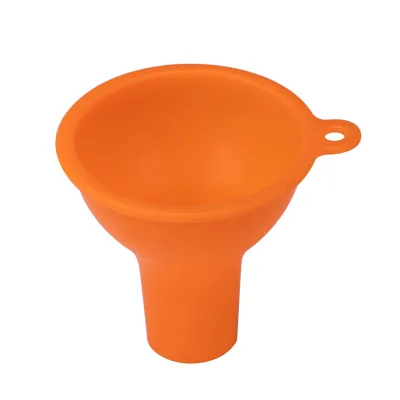


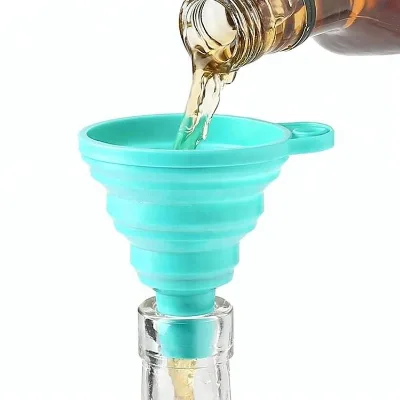
Kitchenware Flexible Foldable Collapsible Silicone Rubber Oil Water Funnel
$0.19 - $0.28
MOQ: 500 Pieces


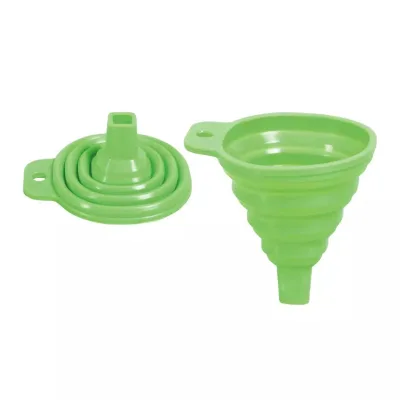


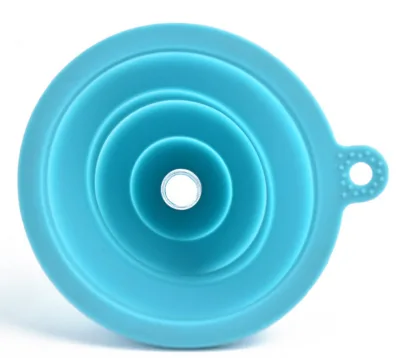


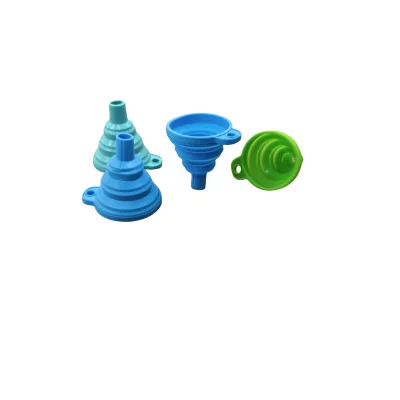

Mini Collapsible Kitchen Silicone Funnels for Filling Bottles Transferring Essential Oil
$0.13 - $0.23
MOQ: 1000 Pieces

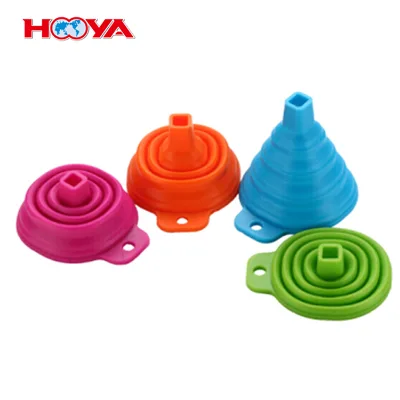
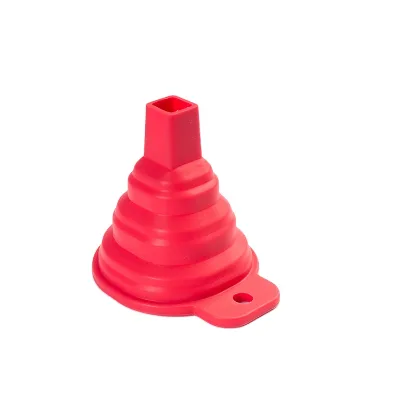
Silicone Collapsible Funnel Set for Liquids, Powders, Kitchen, and More Mi30231
$0.67 - $0.83
MOQ: 100 Pieces
Comprehensive Sourcing Guide
Soft Silicone Funnel Sourcing Guide
Sourcing soft silicone funnels requires a nuanced understanding of material properties, manufacturing capabilities, and specific application requirements. These tools are increasingly favored in both industrial and consumer sectors due to their flexibility, heat resistance, and ease of cleaning compared to traditional rigid plastic or metal alternatives. The core value proposition lies in the ability to collapse or fold the funnel for compact storage, a feature particularly valuable in kitchen environments, laboratory settings, and mobile industrial operations. Buyers must navigate a market where "silicone" is often used as a broad descriptor, necessitating strict verification of material grade and structural integrity to ensure the product meets functional demands without compromising safety or durability.
The procurement process for these items involves balancing customization needs with cost efficiency. Many suppliers offer OEM and ODM services, allowing for tailored sizes, colors, and branding, which can drive up unit costs but enhance brand visibility and operational fit. However, the market also contains a significant volume of generic, off-the-shelf products that may vary widely in quality. Buyers need to establish clear technical specifications early in the sourcing journey to avoid receiving products that are either too rigid for their intended use or too flimsy for heavy-duty liquid transfer. Understanding the distinction between pure silicone constructions and composite designs, such as those with aluminum cores, is critical for making informed purchasing decisions that align with specific operational constraints.
Product Scope and Observed Listing Signals
The current market landscape for soft silicone funnels reveals a diverse range of product listings that often conflate different material compositions and functional designs. Observed data indicates a wide price range, typically spanning from low-cost entry-level items to premium, certified options, reflecting variations in material purity, manufacturing complexity, and certification status. Minimum Order Quantities (MOQs) also vary significantly, ranging from small batches suitable for prototyping or niche retail to large volumes required for industrial supply chains. This variability suggests that buyers should not assume uniformity across suppliers; instead, they must scrutinize individual product listings to determine if the item is a standard commodity or a specialized, custom-engineered solution.
Specific listing signals highlight the importance of verifying the actual material composition, as some products labeled as silicone may incorporate other plastics or composite materials to reduce costs. For instance, some listings describe products with attributes such as "Silicone + Aluminum Core," indicating a hybrid design that offers shape retention but may differ in flexibility and cleaning requirements from pure silicone models. Other listings emphasize features like "Foldable," "Flexible," and "Leak-Proof," which are key selling points for soft silicone variants. Buyers should pay close attention to these descriptive attributes, as they often correlate with the product’s intended use case, whether it be for high-temperature kitchen applications, cosmetic packaging, or industrial fluid transfer.
Technical Specifications to Verify
Verifying the technical specifications of soft silicone funnels is paramount to ensuring they meet the functional requirements of the end-use environment. Key attributes to confirm include the hardness of the silicone, which determines the funnel’s flexibility and ease of handling. Listings often specify hardness levels such as "Soft" or "Hard," and buyers must align these with their operational needs; for example, a soft funnel is ideal for squeezing into tight spaces, while a harder variant may offer better structural support for pouring viscous liquids. Additionally, the size and dimensions of the funnel, including collapsed and expanded states, must be verified to ensure compatibility with container openings and storage constraints.
Another critical specification is the temperature resistance range, as silicone funnels are often used for hot liquids in kitchen or industrial settings. Buyers should request explicit data on the maximum and minimum operating temperatures to prevent deformation or degradation during use. Furthermore, the design of the funnel, such as whether it is collapsible or features non-slip elements, should be evaluated against ergonomic and safety requirements. Some products may include additional features like leak-proof seals or specific color coding for industrial identification, which can enhance usability but must be confirmed through detailed product datasheets or samples before bulk ordering.
Compliance and Safety Documentation
Compliance with safety and quality standards is non-negotiable when sourcing soft silicone funnels, particularly for applications involving food, cosmetics, or pharmaceuticals. Buyers must verify that suppliers hold relevant certifications, such as FDA and LFGB, which attest to the material’s safety for contact with consumables. These certifications ensure that the silicone used is free from harmful additives like BPA, phthalates, or heavy metals, which could leach into liquids during use. Without proper documentation, buyers risk introducing health hazards into their supply chain, leading to potential recalls, legal liabilities, and damage to brand reputation.
In addition to material safety certifications, buyers should inquire about broader quality management systems, such as ISO9001, which indicate a supplier’s commitment to consistent manufacturing processes. While not all listings explicitly state these certifications, reputable suppliers should be able to provide valid certificates upon request. It is also important to verify that the product standards claimed by the supplier, such as specific material grades or manufacturing protocols, are independently verified rather than self-declared. This due diligence helps mitigate the risk of receiving substandard products that may fail under normal usage conditions or fail to meet regulatory requirements in the buyer’s target market.
Cost Drivers and Commercial Terms
Understanding the cost drivers associated with soft silicone funnels allows buyers to negotiate more effectively and budget accurately for their procurement needs. Primary cost factors include the grade of silicone used, with food-grade and medical-grade materials commanding higher prices due to stricter purity requirements. Customization options, such as specific colors, logos, or unique shapes, also add to the unit cost, as they require additional setup time and specialized tooling. Buyers should be aware that while generic, unbranded funnels may offer lower upfront costs, the lack of customization may limit their utility in branded or specialized applications.
Commercial terms, including MOQs and payment structures, significantly impact the total cost of ownership. Suppliers may offer tiered pricing based on volume, encouraging larger orders to achieve economies of scale. However, buyers must balance this with inventory holding costs and storage constraints, especially for bulky or irregularly shaped items. Lead times can also vary based on the complexity of the order and the supplier’s production capacity, so it is essential to clarify these timelines during the negotiation phase. Additionally, packaging methods, such as OPP bags or custom boxes, can influence shipping costs and product protection, so buyers should specify their preferred packaging to avoid unexpected expenses.
Supplier Qualification and Quality Control
Supplier qualification is a critical step in mitigating risks associated with sourcing soft silicone funnels. Buyers should conduct thorough due diligence on potential suppliers, verifying their business licenses, manufacturing capabilities, and track record in producing silicone products. It is advisable to request samples to assess the physical quality, flexibility, and finish of the funnels before committing to a larger order. Samples allow buyers to test the product in real-world conditions, identifying any issues with durability, leak-proofing, or ease of use that may not be apparent from product descriptions alone.
Quality control measures should be established early in the procurement process to ensure consistency across production batches. Buyers should inquire about the supplier’s QC protocols, including incoming material inspections, in-process checks, and final product testing. For customized orders, defining clear acceptance criteria and tolerance levels is essential to prevent disputes over product quality. Additionally, buyers may consider engaging third-party inspection services for pre-shipment checks, particularly for large orders, to verify that the delivered goods meet the agreed-upon specifications and quality standards. This proactive approach helps maintain product integrity and supplier accountability.
Long-Term Procurement Checks
Long-term procurement success with soft silicone funnels depends on establishing a robust supplier relationship and implementing continuous improvement mechanisms. Regular performance reviews should be conducted to assess supplier reliability, product quality, and responsiveness to issues. Buyers should monitor key performance indicators such as on-time delivery rates, defect rates, and customer feedback to identify areas for improvement. Maintaining open communication with suppliers allows for timely resolution of any emerging issues and fosters a collaborative environment focused on mutual growth and quality enhancement.
Furthermore, buyers should stay informed about industry trends and regulatory changes that may impact the sourcing of silicone products. As sustainability and environmental concerns become increasingly prominent, suppliers may adopt new materials or manufacturing processes that could affect product availability and cost. By staying ahead of these trends, buyers can adapt their sourcing strategies to remain competitive and compliant. Additionally, exploring opportunities for product innovation, such as new designs or enhanced features, can help differentiate the buyer’s offerings in the market and drive long-term value from the procurement relationship.
FAQs
What materials are used for soft silicone funnels?
Soft silicone funnels are primarily made from silicone, though some variants combine silicone with an aluminum core. The product list also notes plastic and PP materials for specific models, but the core soft funnel type relies on silicone for flexibility and heat resistance.
Can I customize the size and color of these funnels?
Yes, customization is available for size, color, and standard specifications. Buyers can request specific dimensions like 175mm by 375mm or choose from colors such as black, red, blue, or green depending on the supplier's current stock and production capabilities.
Which certifications do these funnels typically hold?
Many soft silicone funnels carry FDA and LFGB certifications to ensure safety for food and cosmetic use. Some manufacturers also hold ISO9001 certification, indicating adherence to quality management standards for their production processes and product consistency.
How do I find suppliers with low MOQ requirements?
Suppliers offer MOQs ranging from 9 to 10,000 units depending on the specific model and customization level. Buyers can source from manufacturers in Zhejiang or Guangdong, China, who provide flexible packaging options like OPP bags or custom boxes to meet varying order sizes.
What features make these funnels suitable for industrial use?
These funnels feature non-slip surfaces, heat resistance, and leak-proof designs suitable for industrial and cosmetic applications. Their collapsible and flexible nature allows for easy storage and handling, while the aluminum core in some models adds structural integrity for heavy-duty tasks.
Are these funnels reusable and heat resistant?
Yes, the funnels are designed to be reusable and resistant to both low and high temperatures. The silicone material ensures durability during repeated use, making them ideal for kitchen, cosmetic, and industrial liquid transfer tasks where temperature stability is required.