Source Soft Sole Anti-Slip Baby Booties for Daily Life, Indoor Use, and Winter Wear
Compare 30 listings of soft sole anti-slip baby booties featuring cotton linings, PU uppers, and varied closures. Buyers can review sizes from 11cm to 13cm, styles including Western and Snow Boots, and features like deodorization and thermal warmth for infants and toddlers.
Key considerations
Products List
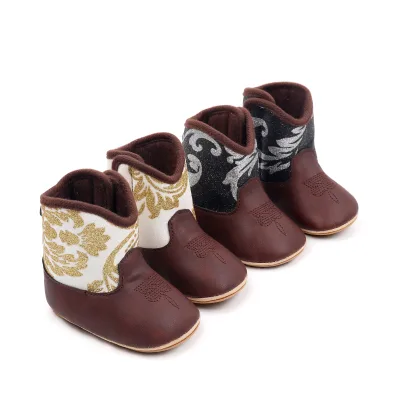
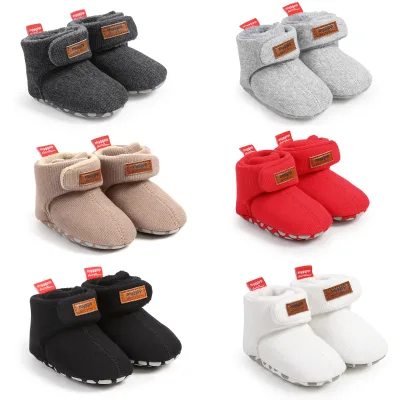
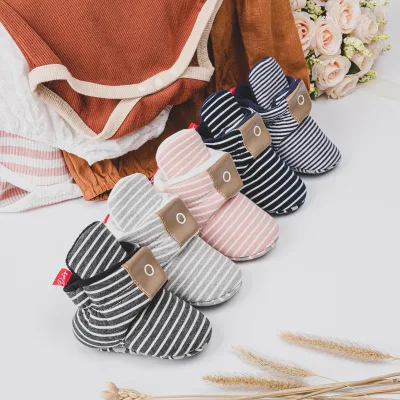
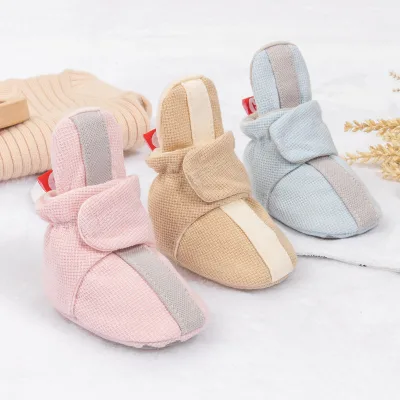
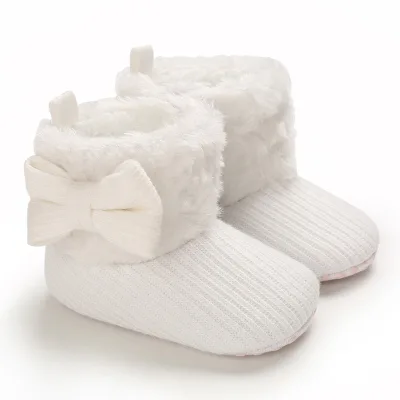
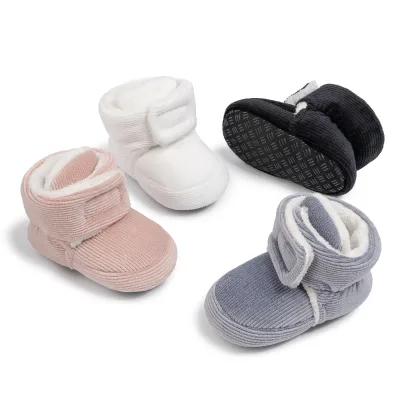
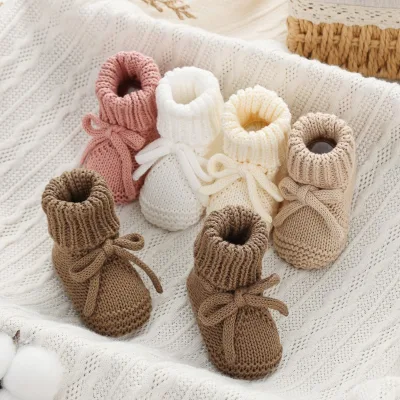
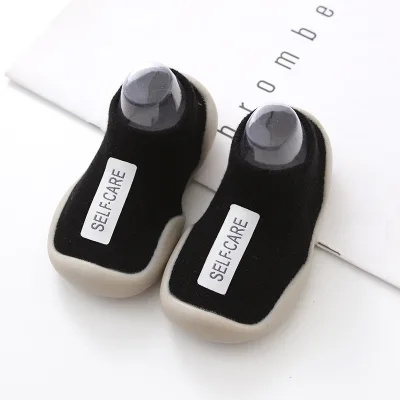
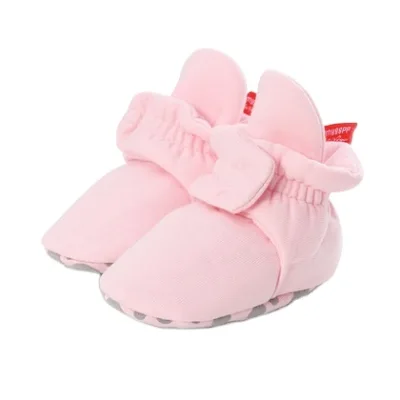
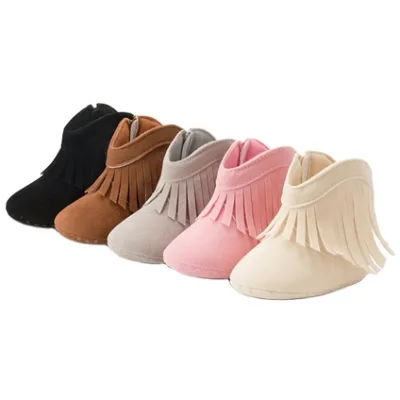
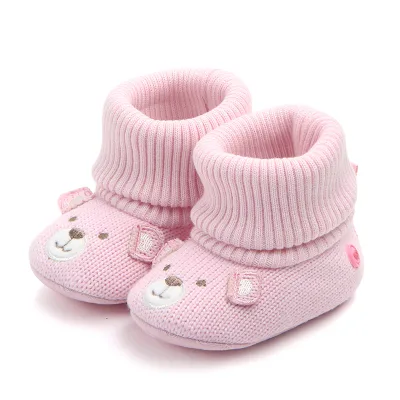
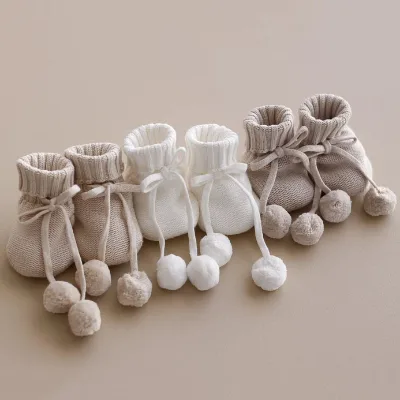
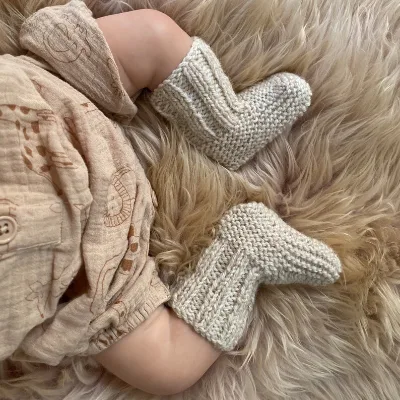
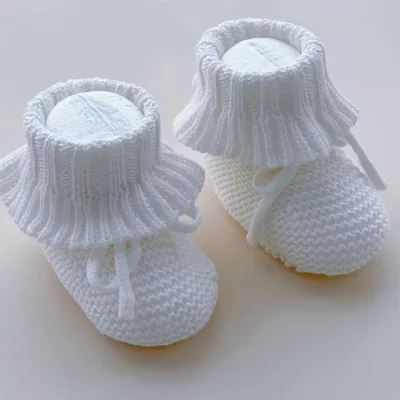
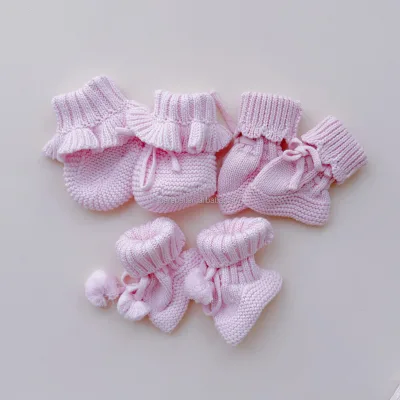
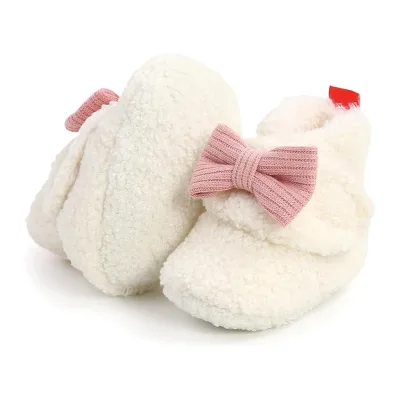
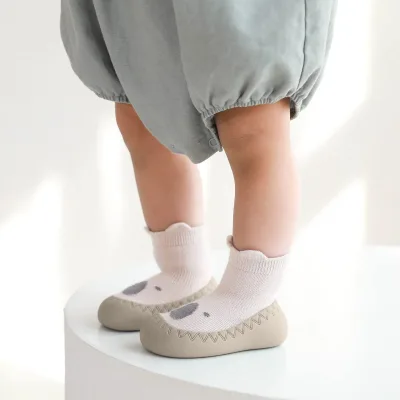
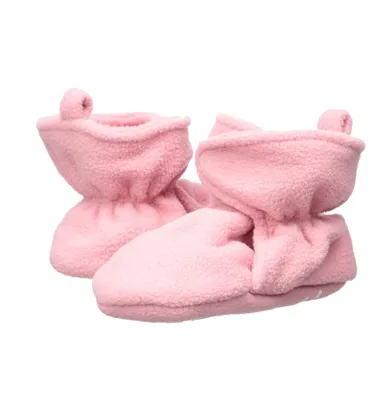


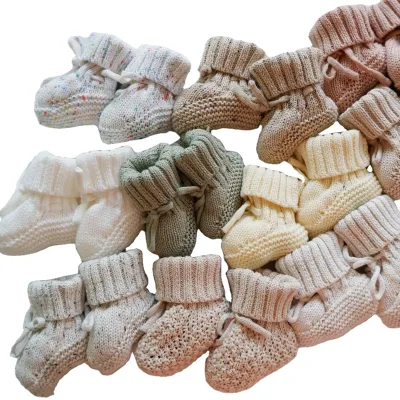


Sweet Learning to Walk Baby Shoes First Step Stability Cotton Fiber Bootie
$12.00 - $16.00
MOQ: 1000 Pairs

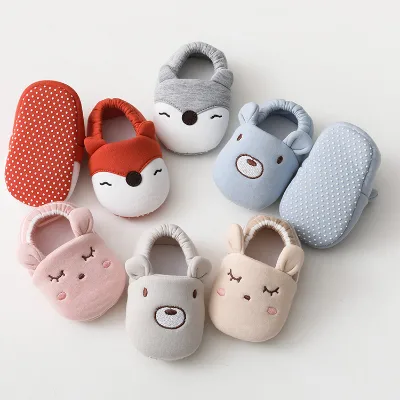
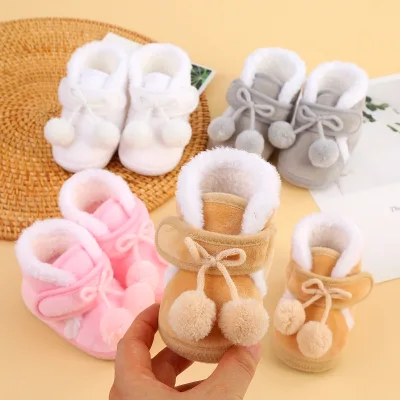

Comprehensive Sourcing Guide
Strategic Sourcing Guide for Soft Sole Anti-Slip Baby Booties
Understanding Product Specifications and Material Composition
When sourcing soft sole anti-slip baby booties, the primary objective is to identify products that balance safety, comfort, and durability for infants and toddlers. The market offers a diverse range of specifications, and buyers must carefully evaluate the technical attributes provided by suppliers. Based on current market observations, the upper materials for these products vary significantly, with Polyurethane (Pu) and cotton being the most prevalent options. Pu uppers often provide a sleek, durable finish suitable for styles like the "Western" or "Snow Boot" designs, while cotton uppers are frequently associated with indoor booties and sock-style shoes designed for warmer climates or indoor use.
The sole construction is the critical differentiator for this category. The core requirement is a soft sole, which allows for natural foot development and flexibility. In the observed product data, soles are described using materials such as flannelette, which suggests a soft, fabric-based construction ideal for indoor environments. The closure types also vary, ranging from Hook & Loop (Velcro) systems for easy adjustment, to Slip-On and Sock styles that offer a snug, glove-like fit. For instance, specific models like the HMZ1018 utilize a sock closure with a flannelette sole, while others like the MY3166 employ a Hook & Loop mechanism.
Size specifications are equally vital. The observed data indicates that sizing is often presented in centimeters (e.g., 11cm, 12cm, 13cm) corresponding to age ranges such as 0-6 months, 6-12 months, and 12-18 months. Additionally, European sizing equivalents (e.g., 16/17, 18/19, 20/21) are commonly used. Buyers must verify that the size chart provided by the supplier aligns with the target demographic's actual foot measurements, as discrepancies can lead to high return rates. The single package size for these items is typically compact, often around 13x10x10 cm or 13x8x8 cm, which is advantageous for logistics and storage efficiency.
Compliance, Safety Standards, and Certification Verification
Safety is the paramount concern when procuring footwear for infants. While the supplied product data mentions features such as "Anti-Slippery," "Deodorization," and "Thermal" properties, these are product attributes rather than verified compliance certifications. Buyers must not assume that a product labeled with these features has passed rigorous third-party testing without explicit documentation.
In the context of baby footwear, the absence of specific certification data in the provided facts means that buyers must independently verify compliance with international safety standards. The background information mentions OEKO-TEX and GOTS as potential standards, but these are not confirmed for the specific products listed. Therefore, a robust sourcing strategy requires requesting test reports that verify the absence of harmful substances like formaldehyde, azo dyes, or heavy metals. For products marketed as "Steel Toe" or having specific safety features, buyers should demand evidence of impact resistance and compression testing, although steel toes are less common in soft sole baby booties and may indicate a specific industrial or heavy-duty niche.
Furthermore, the "Quality: 99% Guaranteed" claim found in some product listings is a supplier promise rather than a certified standard. Buyers should treat such statements as marketing claims and insist on a Quality Assurance (QA) protocol that includes pre-shipment inspections. The verification process should focus on the physical safety of the materials, ensuring that no small parts can be detached and swallowed, and that the anti-slip properties are effective on various floor surfaces.
Cost Drivers and Pricing Dynamics
The pricing for soft sole anti-slip baby booties is influenced by several factors, including material quality, design complexity, and order volume. The observed price range in the market spans from $0.74 to $23.00 USD. This wide variance suggests that the lower end of the spectrum likely corresponds to basic cotton or fabric booties with simple designs, while the higher end may reflect premium materials like PU, specialized anti-slip soles, or complex styling such as "Snow Boots" with added thermal insulation.
Minimum Order Quantity (MOQ) is another significant cost driver. The observed MOQ ranges from 3 pairs to 2,000 pairs. Suppliers with lower MOQs, such as those requiring only 3 pairs, are often more accessible for small businesses or those testing new designs, but they may carry a higher unit cost. Conversely, suppliers requiring an MOQ of 2,000 pairs typically offer more competitive per-unit pricing, making them suitable for large-scale retailers. The "Selling Units" are generally listed as single items, but the "Packing" is often 1 pair per OPP bag, which affects the total volume calculation for shipping.
Buyers should also consider the "Single gross weight" when calculating freight costs. The observed weights range from 0.050 kg to 0.080 kg per pair. While these seem negligible individually, they accumulate significantly over large orders. For example, an order of 1,000 pairs at 0.080 kg each adds 80 kg to the shipment weight, which can impact air freight costs. Understanding these weight and volume metrics is essential for accurate landed cost calculations.
Typical Applications and Market Segmentation
Soft sole anti-slip baby booties serve multiple applications, primarily driven by the intended environment and the age of the wearer. The product data highlights several distinct use cases. "Daily Life" usage suggests general-purpose footwear suitable for home and casual outings. "Snow Boot" styles indicate a need for thermal protection and weather resistance, targeting colder climates or winter seasons. "Indoor booties" with flannelette soles are specifically designed for use on hard surfaces like tile or wood, where grip is essential to prevent slipping.
The target gender and age groups are also clearly segmented. While some products are explicitly marked for "Boys," others are "Unisex," offering broader market appeal. The age range observed spans from newborns (0-6 months) to toddlers (up to 18 months). This segmentation is crucial for marketing and inventory planning. For instance, a supplier offering "Crib baby Sock Shoes" targets the newborn market, where parents prioritize softness and warmth over durability. In contrast, products with "Steel Toe" features might be intended for older toddlers or specific industrial-themed novelty items, though this is less common for standard baby footwear.
The design patterns, including "Print," "Solid," and "Stripe," allow for customization to match seasonal trends or brand identities. The ability to accept "Customized Logo" and "Custom Design" is a significant value-add for brands looking to differentiate their products. This flexibility enables buyers to create unique offerings that resonate with specific consumer preferences, whether that be gold and silver colors for festive occasions or khaki and dark grey for everyday wear.
Supplier Evaluation and Selection Criteria
Selecting the right supplier requires a multi-faceted evaluation process that goes beyond the basic product listing. The "Place of Origin" is a key indicator of manufacturing capability. The observed data lists "China" and specifically "Guangdong, China" as locations. Guangdong is a major hub for textile and footwear manufacturing, known for its supply chain efficiency and expertise in producing baby products. However, buyers should verify the specific factory capabilities, as not all suppliers in the region may have the same quality control standards.
When evaluating suppliers, buyers should look for transparency in their specifications. A reliable supplier will provide clear details on the "Model Number" (e.g., BQM2048, CG5506B), "Single package size," and "Single gross weight." The presence of these detailed attributes suggests a professional operation. Additionally, the "Feature" list, which includes attributes like "Warm," "Cushioning," and "Anti-Slip," should be backed by physical samples. Buyers should request samples to test the actual softness of the sole, the effectiveness of the anti-slip coating, and the comfort of the lining material, which is often specified as "Cotton Fabric."
The "Logo" and "Design" capabilities are also critical. Suppliers that accept "Customized Logo" and "Custom Desgin Accept" demonstrate a willingness to collaborate and adapt to brand requirements. This is particularly important for private label buyers. However, buyers must clarify the minimum order quantities associated with customization, as these often differ from standard SKU orders.
Quality Control and Long-Term Procurement Strategy
Implementing a rigorous quality control (QC) plan is essential to mitigate risks associated with sourcing baby footwear. Given the "Quality: 99% Guaranteed" claims found in some listings, buyers should not rely solely on supplier assurances. Instead, a structured QC process should include pre-production sample approval, in-line production checks, and final random inspections. Key inspection points should focus on the integrity of the stitching, the durability of the closure mechanisms (Hook & Loop, Slip-On, Sock), and the consistency of the anti-slip properties on the sole.
Long-term procurement considerations involve building a sustainable relationship with suppliers who can scale with demand. The wide MOQ range (3 to 2,000 pairs) offers flexibility, but buyers should aim to negotiate terms that allow for incremental growth. For example, starting with a lower MOQ to test the market and then transitioning to higher volumes can help manage cash flow and inventory risk. Additionally, buyers should consider the lead times and production capacity of the supplier, especially during peak seasons like winter when demand for "Snow Boot" and "Warm" styles increases.
Sustainability is another emerging consideration. While the provided data does not confirm GOTS or OEKO-TEX certification, buyers can proactively inquire about the environmental impact of the materials used. Questions regarding the sourcing of cotton, the chemical treatments applied to the PU uppers, and the recyclability of the packaging can help align the procurement strategy with corporate social responsibility goals. By maintaining a focus on quality, safety, and supplier reliability, buyers can ensure a steady supply of high-quality soft sole anti-slip baby booties that meet the needs of their customers.
Comparative Analysis of Product Attributes
To facilitate better decision-making, the following table summarizes the key attributes observed in the market for soft sole anti-slip baby booties. This comparison highlights the diversity in materials, styles, and specifications available to buyers.
| Attribute Category | Option A (Standard/Indoor) | Option B (Outdoor/Snow) | Option C (Premium/Custom) |
|---|---|---|---|
| Upper Material | Cotton | Pu (Polyurethane) | Custom Fabric / PU |
| Sole Material | Flannelette | Rubber / Soft Sole | Specialized Anti-Slip |
| Closure Type | Sock / Slip-On | Hook & Loop | Custom Design |
| Style | Crib baby Sock Shoes | Snow Boot | Western / Custom |
| Color Options | Blue, Dark Blue | Khaki, Black, Red | Gold, Silver, Custom |
| Target Age | 0-18 Months | 0-18 Months | 0-18 Months |
| Key Features | Thermal, Breathable | Warm, Anti-Slip | Deodorization, Steel Toe |
| MOQ Range | Low (e.g., 3-12 pairs) | Medium to High | Variable |
| Origin | China (Guangdong) | China | China |
This table illustrates that while the core function remains consistent, the specific attributes vary widely. Buyers must align their selection with their specific market needs, whether that requires the softness of cotton for indoor use or the durability of PU for outdoor protection. By understanding these distinctions, buyers can make informed decisions that optimize both product performance and cost efficiency.
FAQs
What materials are used for the upper of these booties?
The upper materials observed are primarily Polyurethane (Pu) and cotton. Pu is used for styles like Western and Snow Boots, while cotton is common for indoor booties and sock-style shoes designed for infants.
Which closure types are available for baby booties?
Available closure types include Hook & Loop, Slip-On, and Sock styles. Hook & Loop offers adjustable fit, while Slip-On and Sock styles provide a snug, glove-like fit suitable for different age groups.
Can I find booties with customized logos?
Yes, suppliers accept customized logos and custom designs for many models. This allows brands to create unique offerings, though minimum order quantities for customization may differ from standard SKU orders.
What is the typical MOQ for ordering these items?
The observed minimum order quantity ranges from 3 pairs to 2,000 pairs. Lower MOQs suit small businesses testing designs, while higher volumes typically offer more competitive per-unit pricing for large retailers.
How are the sizes specified for infant footwear?
Sizes are specified in centimeters like 11cm, 12cm, and 13cm, corresponding to age ranges from 0-6 months to 12-18 months. European sizes such as 16/17 and 18/19 are also commonly listed.
What features do these booties typically include?
Common features include anti-slippery soles, deodorization, warmth, and cushioning. Some models also offer steel toe protection, though this is less common for standard soft sole baby booties.