Source Sorted Used Clothes for fashion, thrift, and export markets
Explore 30 listings of Sorted Used Clothes with varying styles, materials, and packaging options. Buyers can compare attributes like Grade AAA quality, seasonal suitability, and export bale weights to find suitable second-hand clothing for diverse markets.
Key considerations
Products List


High Quality Used-Clothes Second Hand Used Clothing Bale Second Hand Clothes
$700.00 - $1500.00
MOQ: 10 Tons


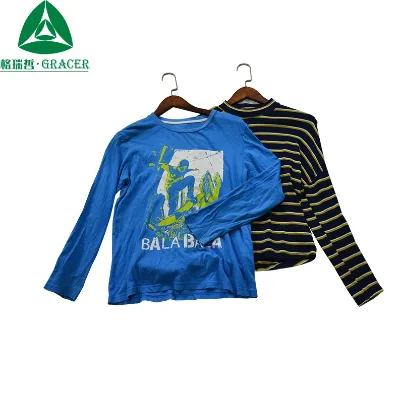
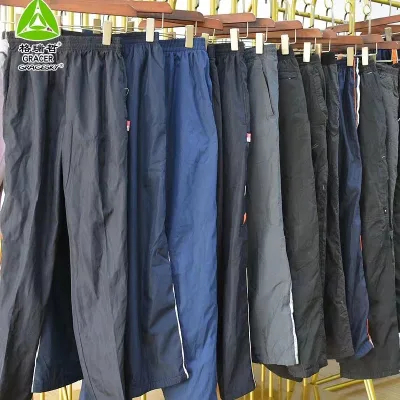
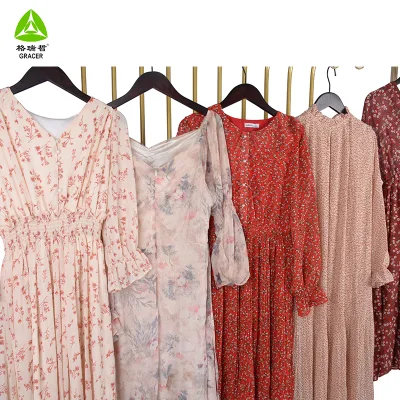
Comprehensive Sourcing Guide
Strategic Sourcing Guide for Sorted Used Clothes in Global B2B Markets
The global trade in Sorted Used Clothes represents a complex, high-volume sector where precision in specification and rigorous supplier vetting are paramount. For procurement professionals entering this market, the primary objective is to secure consistent inventory that meets specific regional demands while navigating the logistical and quality challenges inherent in second-hand textile commerce. This guide synthesizes available product attributes and industry standards to provide a structured approach for sourcing Sorted Used Clothes, focusing on the FS-0002, FS-0204, and related product models observed in current listings.
Technical Specifications and Product Classification
Understanding the granular technical specifications of Sorted Used Clothes is the first step in effective procurement. The market is not monolithic; it is segmented by style, material, and intended demographic. Based on observed product data, the inventory includes distinct categories such as "FS-0002 Used Clothes" and "FS-0204," which vary significantly in their construction and aesthetic appeal.
Buyers must differentiate between products designed for specific seasons and age groups. The catalog indicates a clear bifurcation: some lots are categorized for "Summer" targeting "Adults" with styles ranging from "Europe and America" to "Hip-Hop," while other lots are designated for "Winter" targeting "Children" with "Japan Korea" styling. This distinction is critical for logistics planning, as summer and winter garments require different storage conditions and have different demand cycles in target markets like Africa, Southeast Asia, the Middle East, and South America.
Material composition is another vital technical parameter. The observed range includes "Corduroy," "Silk," and "Cotton/Polyester" blends. These materials dictate the durability, comfort, and end-use application of the garments. For instance, "Corduroy" items often feature a "Vintage" aesthetic with "Bell Bottom" trouser legs and "Medium" thickness, suitable for cooler climates or fashion-forward markets. Conversely, "Silk" items may feature "High Waist" designs with "Lacing" elements, appealing to a different demographic segment. The "Low Waist" and "Below Knee" length specifications further refine the product profile, ensuring that buyers can match inventory to specific consumer preferences in their target regions.
Packaging Standards and Logistics Configuration
The logistics of moving Sorted Used Clothes are heavily influenced by packaging standards, which directly impact shipping efficiency and cost. The data reveals a standardized approach to baling, with "Summer Used Clothes" and general "Second Hand Clothes" typically packed in bales weighing between 45 and 100 kilograms. This range, described as "Standard Export Packaging," is designed to maximize container utilization while protecting the contents during transit.
Buyers must verify that the supplier adheres to these specific weight ranges. Deviations from the 45-100kg/bale standard can lead to logistical inefficiencies, such as underutilized container space or excessive handling costs. Furthermore, the packaging must be robust enough to withstand long-haul shipping to diverse markets. The "Standard Export Packaging" implies a level of compression and wrapping that prevents moisture damage and pest infestation, which are common risks in the second-hand clothing trade.
When evaluating suppliers, procurement teams should request visual confirmation of the baling process. The consistency of the bale weight is a strong indicator of the supplier's operational maturity. Inconsistent bale weights often suggest a lack of quality control in the sorting and packing stages, which can lead to disputes upon delivery. Additionally, the "Summer Used Clothing Standard Export Packaging" suggests that seasonal variations might require specific handling or labeling to ensure that the correct seasonal inventory is shipped to the correct destination at the right time.
Quality Grading and Compliance Verification
Quality assurance in the used clothing sector is often communicated through grading systems. The observed listings frequently reference "Grade AAA Second Hand Clothes" or "Grade AAA Second Hand Clothing." This designation is a key performance indicator for buyers, suggesting a high standard of cleanliness, structural integrity, and aesthetic appeal. However, "Grade AAA" is not a universally regulated standard with a single global definition.
Buyers must treat this grading as a claim that requires verification rather than an absolute guarantee. The procurement strategy should include a clear definition of what "Grade AAA" entails for the specific transaction. This definition should cover criteria such as the absence of stains, tears, or missing buttons, as well as the freshness of the garment. The "Quality" attribute observed in the data points to a high-tier product, but the buyer must establish their own inspection protocols to ensure the goods meet their specific market expectations.
Compliance checks are equally critical. While the product origin is listed as "China," buyers must ensure that the export of used clothing complies with the regulations of both the exporting and importing countries. Some nations have strict bans or restrictions on the import of second-hand textiles to protect local industries or prevent the spread of disease. The "Market" attributes listed—Africa, Southeast Asia, Middle East, South America—indicate that these regions are active destinations, but regulatory landscapes vary significantly within these areas. Buyers should verify that the supplier can provide necessary documentation proving the goods are free from prohibited contaminants and meet the import standards of the destination country.
Cost Drivers and Pricing Dynamics
The pricing of Sorted Used Clothes is influenced by a complex interplay of factors, including the grade of the goods, the seasonality of the inventory, and the specific style attributes. The observed price range of 0.5 to 1500 USD per unit (or per bale, depending on the unit of measure) highlights the vast disparity in value between different product types. A basic "Cotton/Polyester" blend in a "Summer" lot will command a different price point than a "Silk" garment with "Embroidery Lace" and "Jacquard" techniques.
The "MOQ" (Minimum Order Quantity) range of 1 to 15000 units further illustrates the flexibility and scale of the market. High-volume buyers may negotiate better rates by ordering large quantities of a specific style, such as "FS-0002" or "FS-0204," while smaller buyers may need to pay a premium for mixed assortments. The "Customization" attribute suggests that some suppliers may offer tailored sorting services, which could add to the cost but provide a more precise match for the buyer's needs.
Buyers should analyze the cost drivers beyond the base price. Shipping costs, insurance, and customs duties can significantly impact the landed cost of the goods. The "Standard Export Packaging" helps mitigate some shipping risks, but the weight and volume of the bales remain a primary cost factor. Additionally, the "Color Production" method, such as "Dyeing," may influence the price if the garments require additional processing before reaching the final market.
Supplier Evaluation and Operational Due Diligence
Selecting the right supplier is the most critical decision in the procurement of Sorted Used Clothes. The supplier's ability to consistently deliver "Grade AAA" quality and adhere to packaging standards is a primary evaluation criterion. Buyers should assess the supplier's sourcing network to ensure they have access to a diverse range of styles, including "Europe and America," "Korean," "England," and "Ethnic" designs.
The "Manual Process" attribute, described as "Results," indicates that a significant portion of the sorting and preparation is done by hand. This human element is a double-edged sword; it allows for high levels of customization and quality control but introduces variability. Buyers should inquire about the training and experience of the sorting staff to gauge the consistency of the output. A supplier with a well-trained team is more likely to produce uniform bales that meet the "Standard Export Packaging" requirements.
Furthermore, the supplier's ability to handle "Customization" requests is a valuable asset. Whether the buyer needs specific styles like "Pleated" trousers or "Trimming" details, the supplier must demonstrate the flexibility to source and sort these items efficiently. The "Applications" attribute, listed as "Clothing," is broad, but the supplier should be able to provide detailed breakdowns of the inventory to ensure it aligns with the buyer's specific retail or wholesale strategy.
Quality Control Protocols and Long-Term Procurement
Implementing a robust quality control (QC) protocol is essential for maintaining the integrity of the supply chain. Given the variability inherent in second-hand goods, buyers should establish a clear QC checklist that includes visual inspections, material verification, and packaging checks. The "Feature" of "Vintage" and the "Pattern" of "Printed" items require specific attention to ensure that the aesthetic claims are accurate.
Long-term procurement considerations involve building a relationship with a supplier who can provide consistent inventory over time. The "Season" attributes, such as "Summer" and "Winter," suggest that buyers need to plan their orders well in advance to ensure they have the right stock for the appropriate selling season. A supplier who can forecast availability and maintain a steady flow of "Grade AAA" goods is a strategic partner.
Buyers should also consider the environmental and social implications of sourcing used clothes. While the "Second Hand Clothes Name" and "Second Hand Clothing Name" attributes highlight the circular economy benefits, buyers should ensure that the supplier adheres to ethical labor practices and sustainable sourcing methods. This alignment with broader corporate social responsibility goals can enhance the brand value of the final product in the target markets.
Comparative Analysis of Product Attributes
To facilitate decision-making, the following table summarizes key product attributes observed in the market, highlighting the variations that buyers must navigate.
| Attribute Category | Specific Observation | Implication for Procurement |
|---|---|---|
| Product Model | FS-0002, FS-0204, FANSUNG, Summer Used Clothing | Requires specific model tracking to ensure inventory accuracy. |
| Seasonality | Summer, Winter | Must align orders with target market seasons to avoid obsolescence. |
| Target Age | Adults, Children, Unisex | Dictates the sizing and style mix required for the specific market. |
| Material | Corduroy, Silk, Cotton/Polyester | Influences price, durability, and end-use application. |
| Style | Europe/America, Korean, Hip-Hop, Vintage | Determines the aesthetic appeal and market fit. |
| Packaging | 45-100kg/Bale, Standard Export | Critical for shipping efficiency and cost calculation. |
| Quality Grade | Grade AAA | High-value claim requiring strict verification and inspection. |
| Origin | China | Affects lead times, shipping routes, and potential tariffs. |
This comparative view underscores the necessity of a detailed specification sheet for every procurement order. By clearly defining the model, season, material, and style, buyers can minimize the risk of receiving goods that do not meet their market requirements. The diversity of attributes available in the market offers significant opportunities for differentiation, but it also demands a high level of diligence in the sourcing process.
Conclusion
Sourcing Sorted Used Clothes is a nuanced endeavor that requires a deep understanding of product specifications, packaging standards, and quality grading. The market offers a wide array of options, from "Corduroy" vintage items to "Silk" high-waist garments, catering to diverse demographics and seasonal needs. By adhering to the "Standard Export Packaging" guidelines and rigorously verifying "Grade AAA" claims, buyers can mitigate risks and build a reliable supply chain. The key to success lies in meticulous supplier evaluation, clear communication of requirements, and a commitment to quality control that extends beyond the initial purchase. As the global demand for sustainable and affordable fashion continues to grow, the strategic sourcing of Sorted Used Clothes remains a vital component of the global textile trade.
FAQs
What packaging standards apply to Sorted Used Clothes?
Sorted Used Clothes typically use standard export packaging with bales weighing between 45 and 100 kilograms. This weight range ensures efficient container utilization while protecting contents during long-haul shipping to diverse international destinations.
Which materials are commonly found in these second-hand garments?
Common materials include corduroy, silk, and cotton polyester blends. Corduroy items often feature vintage styles with bell bottoms, while silk pieces may include high waist designs with lacing elements for specific fashion segments.
Can buyers customize the sorting of used clothing bales?
Yes, customization is available for buyers seeking specific styles or demographics. Suppliers can tailor the mix of summer or winter items, adult or children sizes, and specific regional styles like European or Korean fashion to match buyer needs.
How is quality graded for these second-hand clothing items?
Quality is often designated as Grade AAA, indicating high standards of cleanliness and structural integrity. Buyers should verify this claim through inspection protocols to ensure the absence of stains, tears, or missing buttons before finalizing orders.
What is the typical minimum order quantity for these goods?
The minimum order quantity ranges from 1 to 15000 units depending on the supplier and product model. High-volume buyers may negotiate better rates, while smaller buyers might pay a premium for mixed assortments of specific styles.
Which target markets receive these sorted used clothing shipments?
Major destination markets include Africa, Southeast Asia, the Middle East, and South America. Buyers must verify that the goods comply with local import regulations and bans on second-hand textiles in their specific target regions.