Source Sour Fruity Chewy Jelly Beans for Retail, Events, and Snacks
Find 30 listings for Sour Fruity Chewy Jelly Beans from China. Compare specifications including halal certification, OEM options, and packaging details to identify suitable suppliers for bulk candy sourcing; compare the available evidence and request quotations based on your requirements.
Updated
Key considerations
Products List


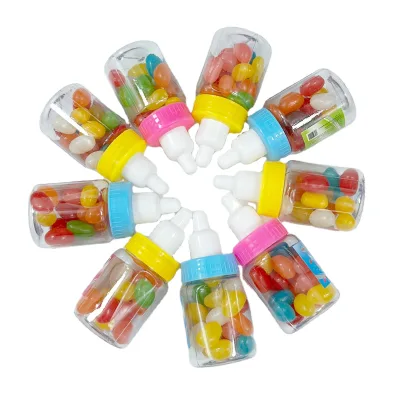
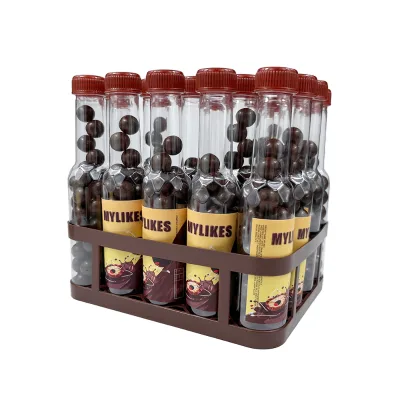
OEM ODM Wholesale Custom Jelly Candy Soft Jelly Beans Chocolate and Candy
$8.6873 - $11.7526
MOQ: 500 cartons

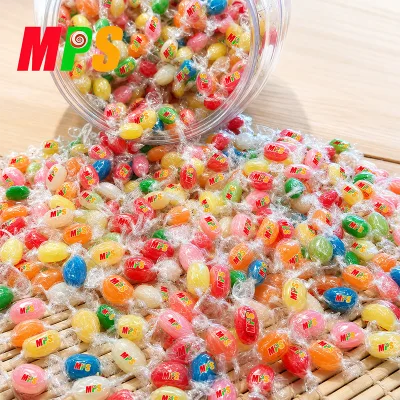
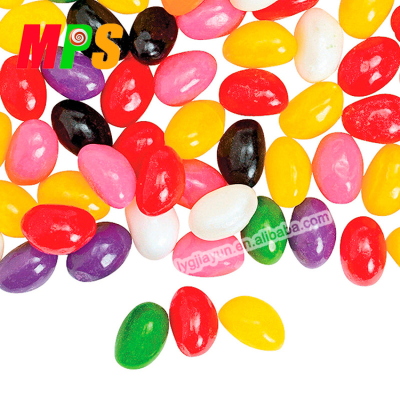
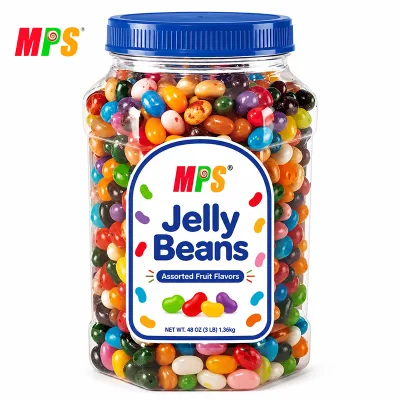
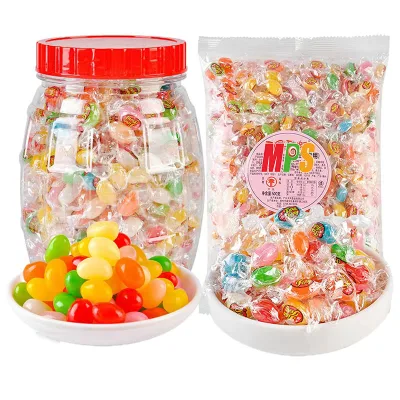
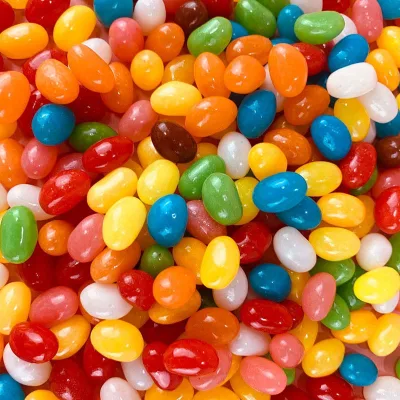
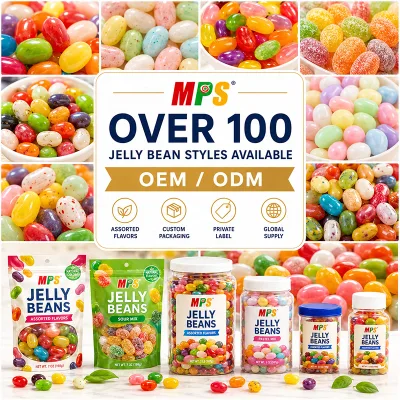


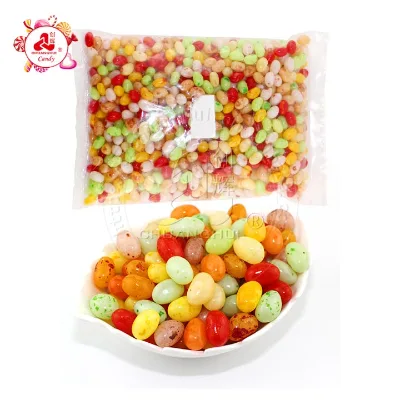
Bulk High Quality Colored Fruit Gummy Salad Jelly Bean Candy Chewing Jelly Beans
$16.00 - $20.00
MOQ: 500 Minimum
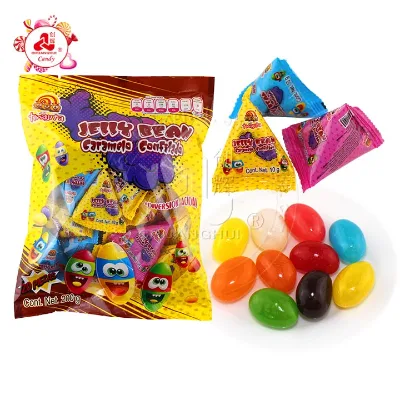
Good Quality Multi-colorful Fruits Flavor Jelly Bean Candy in Triangle Bag
$10.00 - $18.00
MOQ: 3036 Minimum
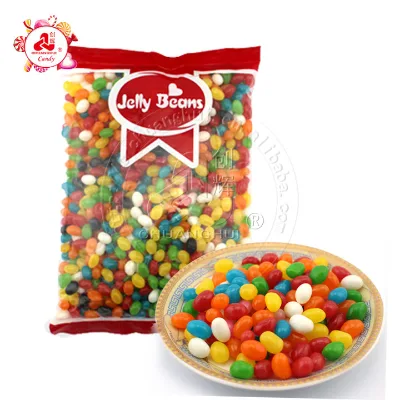
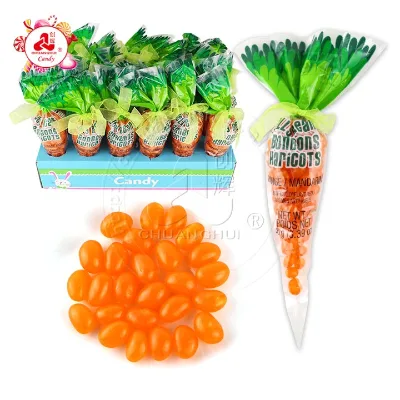
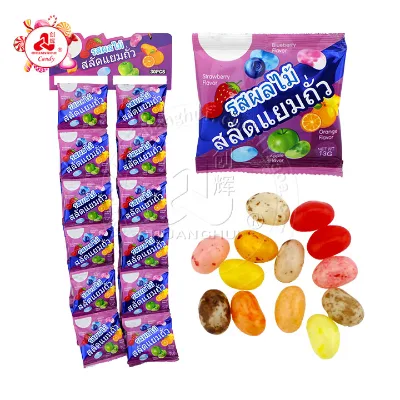
2020 New Multi-colors 13g Jelly Bean Candy Salad Jelly Beans in Bag
$21.7563 - $25.9002
MOQ: 500 Minimum

Comprehensive Sourcing Guide
Sour Fruity Chewy Jelly Beans Sourcing Guide
Sourcing Sour Fruity Chewy Jelly Beans requires a nuanced understanding of the confectionery supply chain, particularly when targeting manufacturers in key production hubs like Guangdong and Shantou in China. Buyers often encounter a wide array of listings that promise specific flavor profiles and textures, but the reality of mass production involves significant variability in ingredient sourcing and processing techniques. The core challenge lies in distinguishing between generic bulk offerings and specialized private-label opportunities that can meet strict regional taste preferences. Understanding the baseline attributes of these products, such as their solid form and plastic or paper packaging materials, is essential for establishing a realistic procurement strategy.
The market for these candies is global, with suppliers indicating availability for all markets worldwide. However, the term "halal" appears frequently in product models and descriptions, suggesting a significant segment of the supply chain caters to specific dietary and religious requirements. This does not automatically imply that every listed item is certified, but rather that the capability exists within the manufacturing base. Procurement teams must therefore approach these listings with a critical eye, verifying that the "sour" and "fruity" descriptors are backed by actual ingredient lists rather than marketing fluff. The presence of sugar as a primary ingredient is standard, but the balance of acidity and sweetness varies wildly between suppliers.
Product Scope and Observed Listing Signals
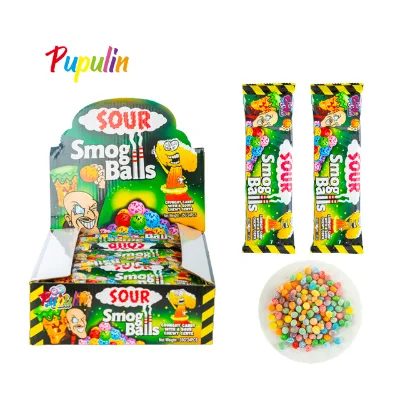
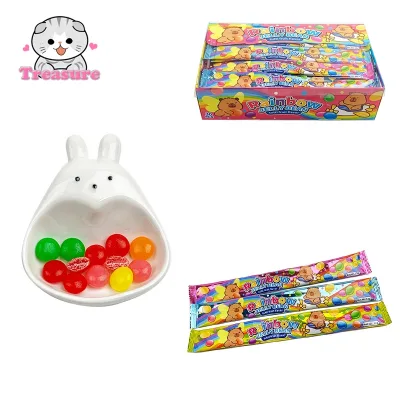
The observed product scope reveals a diverse range of jelly bean configurations, from simple 15g individual packs to complex carton arrangements containing 30 pieces per box and 24 boxes per carton. Listings frequently highlight customization options, including OEM and ODM services, which allow buyers to tailor the product to their brand identity. The visual appeal is often emphasized through descriptions like "cute cartoon" content or multi-colored appearances, indicating that aesthetic presentation is a key selling point for these confections. Buyers should note that while the form is consistently described as solid, the internal texture can range from soft candy to gummy candy, affecting both mouthfeel and shelf-life stability.
Packaging methods vary significantly, with options including bags, boxes, and gift packing, all of which influence the final unit cost and logistics efficiency. Some suppliers offer packing as per buyer requirements, providing flexibility for different retail environments. The origin of these products is predominantly China, with specific mentions of Guangdong and Shantou as manufacturing locations. This geographic concentration suggests a mature supply ecosystem with established logistics networks. However, buyers must be cautious of generic model numbers like YX-H00959 or YX-R00645, which may not correspond to unique product formulations but rather to internal factory codes that lack external standardization.
Technical Specifications to Verify
Technical verification must begin with the ingredient list, as suppliers often provide vague descriptions such as "see packaging for details" or list only basic components like sugar, flavor, and color. Buyers need to confirm the specific types of sour agents and fruit flavorings used, as these directly impact the product's sensory profile and potential allergen status. The shelf life is typically stated as three years, which is unusually long for fresh fruit-based confections, suggesting the use of preservatives or specific moisture-control packaging techniques. Understanding the storage requirements, such as keeping the product in a cool, dry place away from sunshine, is critical for maintaining quality during transit and storage.
The physical specifications, including weight and dimensions, are crucial for logistics planning. For instance, a standard pack might weigh 15g, with larger cartons containing multiple units. Buyers should verify the exact dimensions of the outer cartons to optimize container loading and reduce shipping costs. Additionally, the candy type is often described as a combination of gummy and soft candy, which affects the manufacturing process and the required equipment for handling. It is essential to request detailed technical data sheets that outline the moisture content, acidity levels, and texture metrics to ensure the product meets the buyer's quality standards.
Compliance and Safety Documentation
Compliance documentation is a critical area where buyers often face gaps in information. While some listings mention "halal" in the product model, this should not be assumed as a certified status without requesting valid documentation from recognized certification bodies. The absence of explicit certification details in many listings means that buyers must proactively ask for proof of compliance with local food safety regulations in their target markets. This includes verifying that the manufacturer adheres to international standards such as ISO 22000 or HACCP, although these are not explicitly confirmed in the provided data.
Safety also extends to the packaging materials, which are listed as plastic and paper. Buyers should ensure that these materials are food-grade and compliant with relevant migration limits for chemicals. The "normal" storage method indicated in some listings suggests that the product does not require refrigeration, but this must be validated through stability testing. Furthermore, the "ready-to-eat" nature of the product implies that it is safe for direct consumption without further preparation, but this assumes that the manufacturing environment maintains strict hygiene controls. Buyers should request recent third-party lab test results to confirm the absence of harmful contaminants.
Cost Drivers and Commercial Terms
Cost drivers for Sour Fruity Chewy Jelly Beans are influenced by several factors, including the complexity of the flavor profile, the quality of ingredients, and the packaging requirements. The observed price range is broad, reflecting the diversity of product specifications and supplier capabilities. Buyers should be aware that lower prices may correlate with simpler formulations or less robust packaging, which could impact product integrity. The MOQ (Minimum Order Quantity) varies significantly, with some suppliers requiring as few as one unit for samples and others demanding hundreds of cartons for production runs. Understanding these thresholds is vital for aligning procurement volumes with budget constraints.
Commercial terms also include the availability of samples, which many suppliers offer to allow buyers to evaluate product quality before committing to large orders. The OEM quantity is sometimes specified in terms of container loads, such as a 20FT container, indicating the scale at which custom branding becomes economically viable. Buyers should negotiate clear terms regarding payment methods, delivery schedules, and liability for defective goods. It is also important to clarify who bears the cost of shipping and insurance, as these can significantly impact the total landed cost. Transparent communication about these terms helps prevent unexpected expenses and ensures a smoother procurement process.
Supplier Qualification and Quality Control
Supplier qualification involves a thorough assessment of the manufacturer's capabilities and reputation. Buyers should verify the company's legal status and production capacity, as some listings mention specific entities like Zhenshangmei Food Import and Export Co., Ltd. However, this should not be taken as an endorsement but rather as an example of the type of information available. Quality control processes should be scrutinized, including the supplier's approach to raw material inspection, in-process monitoring, and final product testing. Buyers should request information about the supplier's quality management system and any internal audits they conduct.
The ability to provide customized logos and packaging is a key differentiator for many suppliers, indicating a level of flexibility and customer service. Buyers should assess the supplier's responsiveness and willingness to collaborate on product development. It is also important to check for any history of quality issues or regulatory violations. Establishing a strong relationship with the supplier through regular communication and site visits, if possible, can help ensure consistent quality and timely delivery. Buyers should also consider the supplier's capacity to scale production up or down based on market demand.
Long-Term Procurement Checks
Long-term procurement success depends on continuous monitoring of supplier performance and market trends. Buyers should establish key performance indicators (KPIs) to track metrics such as on-time delivery, product quality, and responsiveness to issues. Regular audits and reviews of the supplier's operations can help identify potential risks and areas for improvement. It is also important to stay informed about changes in food safety regulations and consumer preferences, which can impact the demand for specific product attributes. Building a diversified supplier base can mitigate the risk of supply chain disruptions and provide greater flexibility in sourcing.
The evolving nature of the confectionery market means that buyers must be adaptable and open to innovation. Exploring new flavor combinations, packaging technologies, and sustainable practices can help maintain a competitive edge. Buyers should also consider the long-term viability of the supplier, including their financial stability and commitment to quality. Establishing a strategic partnership with suppliers who share similar values and goals can lead to mutual growth and success. Regular feedback loops and collaborative planning sessions can help align expectations and drive continuous improvement in the procurement process.
FAQs
What are the main ingredients in these jelly beans?
The primary ingredient is sugar, with additional flavor and color components added to create the Sour Fruity Chewy Jelly Beans profile. Detailed ingredient lists are available on the packaging for full transparency. This composition ensures the characteristic sweet and sour taste expected in this candy type, suitable for general consumption.
Can I customize the logo on the packaging?
Yes, customized logos are accepted for these Sour Fruity Chewy Jelly Beans. The manufacturer offers OEM and ODM services, allowing private label solutions. Buyers can request specific branding on the box or carton packaging. This customization service supports distinct brand identity requirements for international distributors and retail partners seeking unique product presentations.
What is the shelf life of the product?
The shelf life is three years when stored correctly. These Sour Fruity Chewy Jelly Beans should be kept in a cool, dry place away from direct sunshine. Proper storage maintains the chewy texture and fruity flavor integrity over time. This long shelf life supports global distribution and reduces waste for retailers stocking the product.
What is the minimum order quantity for bulk purchases?
The minimum order quantity is 500 cartons for standard bulk orders. This MOQ applies to the Sour Fruity Chewy Jelly Beans packaged in 15g units. Buyers should note that sample availability may differ from bulk requirements. This quantity ensures efficient production runs while accommodating significant wholesale demand from international trading companies.
Where are these jelly beans manufactured?
These Sour Fruity Chewy Jelly Beans are manufactured in Guangdong, China. The production facility is located in Shantou, a known hub for confectionery manufacturing. This origin ensures access to established supply chains and logistics networks. Buyers can verify the specific factory details through the provided manufacturer information for quality assurance and compliance checks.
Are these jelly beans suitable for halal markets?
Yes, the product is specified as halal fruit chewy jelly beans. This certification makes them suitable for distribution in regions requiring halal compliance. The manufacturing process adheres to relevant standards for these markets. Buyers targeting Islamic countries or communities can confidently source this product knowing it meets specific dietary requirements for their consumer base.