Source sugar-free fruity chewing gum for Retail, OEM, and Export
Compare 30 listings for sugar-free fruity chewing gum from Guangdong suppliers. Options include ISO22000 certified products with OEM support, varying weights, and shelf lives up to 24 months. Review packaging details and MOQs for bulk purchasing; compare the available evidence and request quotations based on your requirements.
Updated
Key considerations
Products List
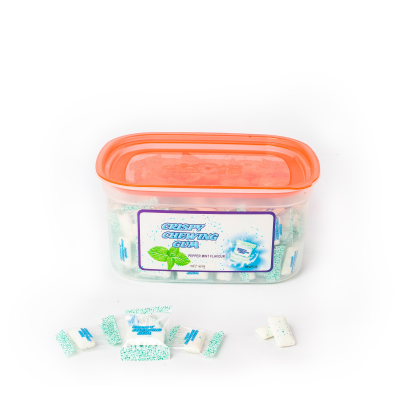
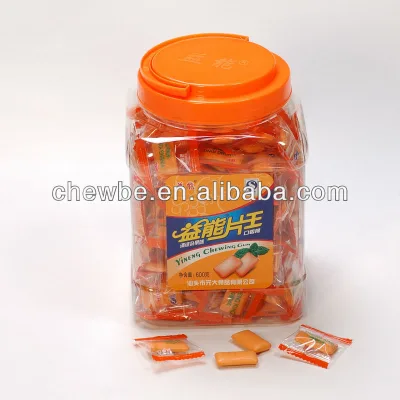
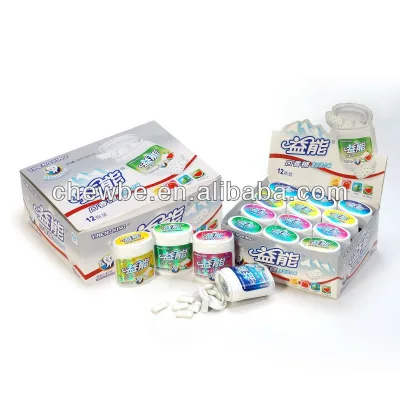
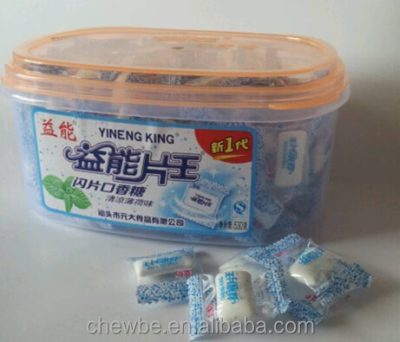
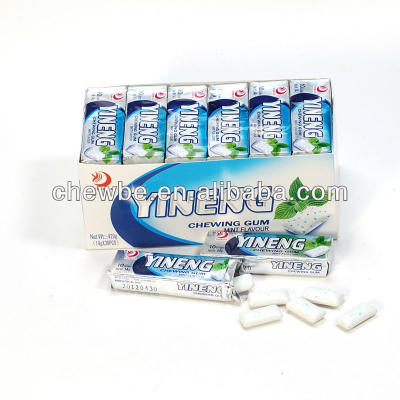
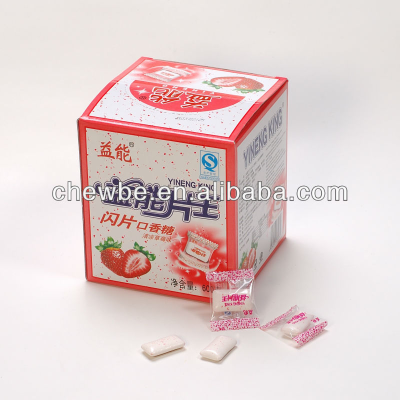

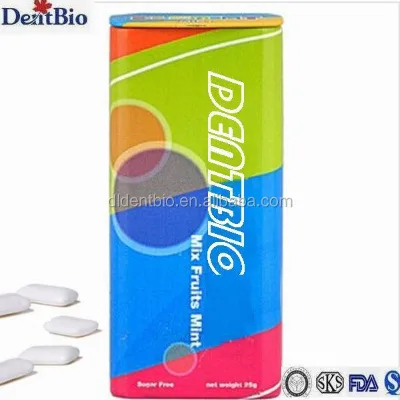
Sweet Candy Mini Chewing Gum Bubble Gum Colorful Fruity Flavored Chewing Gum
$24.48 - $24.98
MOQ: 500 Boxes
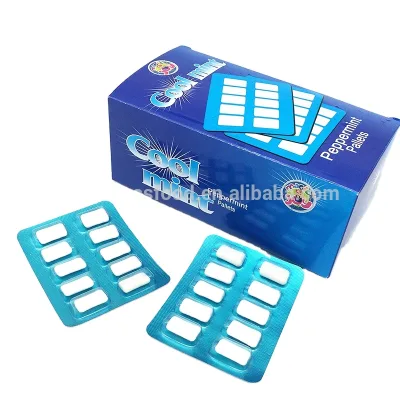
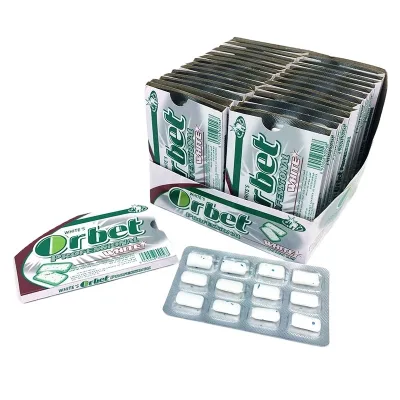
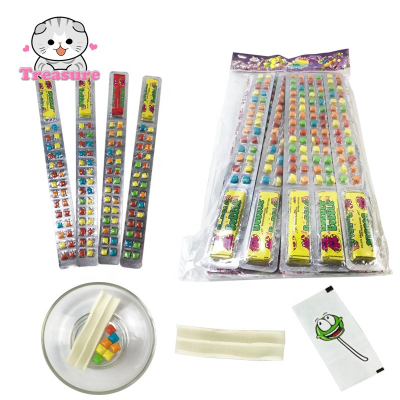
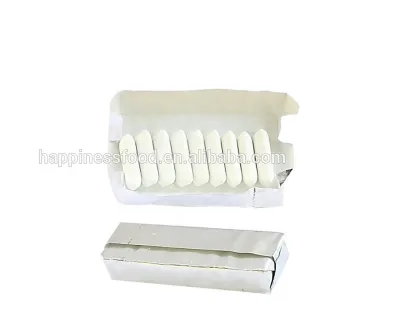
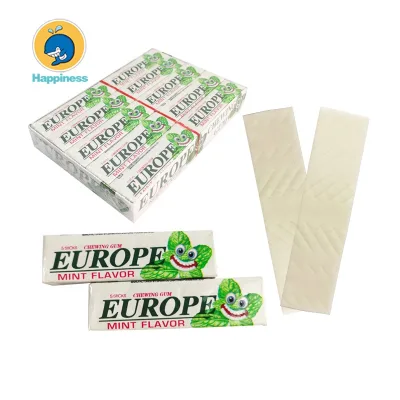
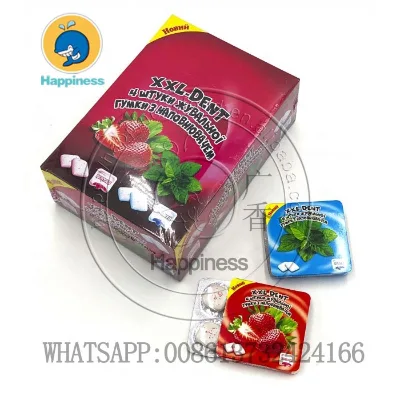
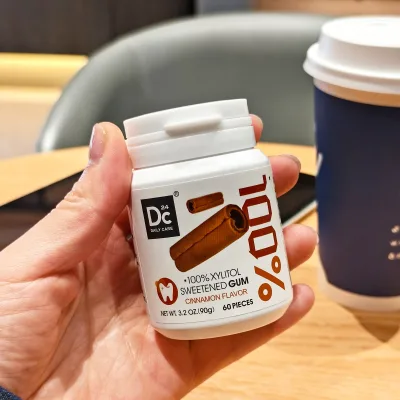
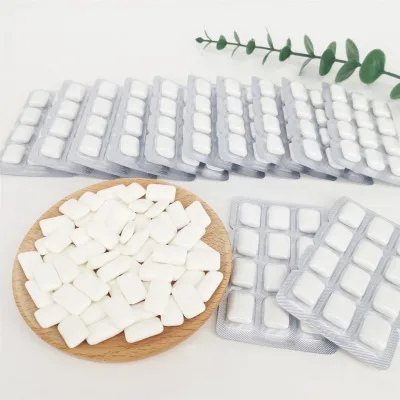
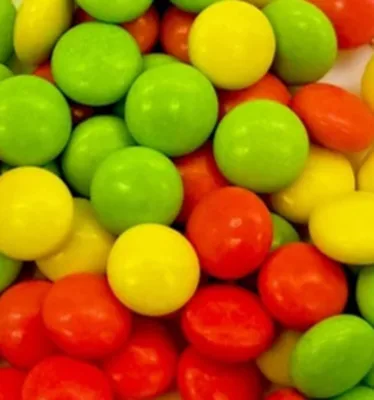
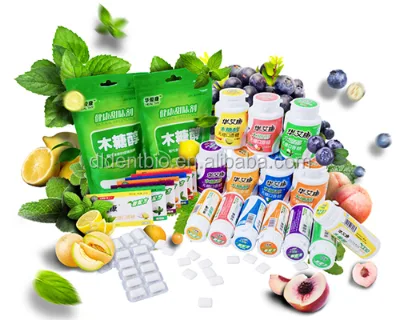
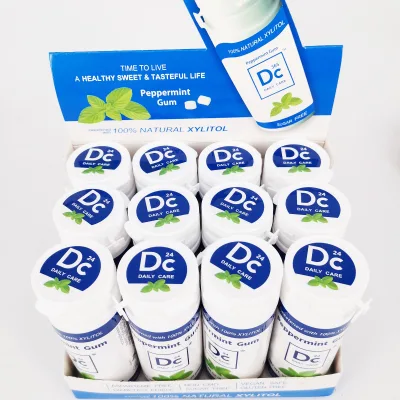
Bottle Multiple Flavors Private Label Chewing Gum Small Bottles Sugar Free Chewing Gum
$0.20 - $1.60
MOQ: 3000 Minimum


Comprehensive Sourcing Guide
Sugar-Free Fruity Chewing Gum Sourcing Guide
Sourcing sugar-free fruity chewing gum requires a strategic approach to balancing flavor profile, texture, and regulatory compliance. Buyers must navigate a market where "sugar-free" claims often intersect with specific sweetener profiles and functional ingredients like Arabic gum. The observed product landscape indicates a strong presence of manufacturers in Guangdong, China, offering a wide array of fruity and mint variations. Procurement teams should prioritize suppliers who demonstrate clear traceability in their ingredient sourcing, particularly for the gum base and colorants, to ensure consistency in the final sensory experience.
The commercial landscape for these products is characterized by flexible packaging options and significant volume capabilities. Listings reveal supply abilities reaching up to 10,000 cartons per week, suggesting that established factories can support large-scale distribution channels. However, the diversity in packaging—from single jars to bulk boxes containing dozens of sticks—demands careful alignment between the buyer’s retail strategy and the supplier’s standard packing details. Understanding these logistical nuances early in the sourcing process helps prevent mismatches in shelf-ready units and ensures that the fruity flavor intensity meets target demographic expectations without compromising the sugar-free integrity of the product.
Product Scope and Observed Listing Signals
The current market signals indicate a robust inventory of chewing gum products with distinct model numbers such as CH-P02, CH-P01, and CH-P06. These identifiers often correlate with specific packaging configurations and weight profiles, which are critical for logistics planning. For instance, some listings highlight a weight of 6.48 kg per unit, while others specify 10.08 kg per carton, reflecting variations in jar counts and stick quantities. Buyers should closely examine these physical attributes to determine the most cost-effective shipping density for their specific import routes, as the single gross weight and package dimensions directly impact freight costs and warehouse storage efficiency.
Flavor and color profiles are prominently featured as key differentiators in the available listings. The observed products frequently advertise fruity and mint flavors, with multi-colored or white options available to suit diverse consumer preferences. The use of ingredients like E171 and Arabic gum suggests a focus on traditional gum base structures, while the "high level" quality descriptors imply a premium positioning. Procurement specialists must verify that the "sugar-free" assertion aligns with the actual ingredient list, as some listings mention specific sweeteners or color contents that may vary by batch. Confirming the exact flavor composition and color consistency is essential to maintaining brand integrity across large orders.
Technical Specifications to Verify
Technical verification begins with the gum base composition and shelf-life stability. The observed products list shelf lives ranging from 6 to 24 months, which significantly influences inventory turnover strategies and storage requirements. Buyers must confirm the storage type, such as "no sun" conditions, to prevent texture degradation or flavor loss during transit and warehousing. Additionally, the form of the product is consistently listed as solid, but the specific hardness and chewiness profiles should be validated through sample testing. Understanding the physical properties of the gum, including its resistance to sticking and its release rate of flavor, is crucial for ensuring consumer satisfaction and repeat purchases.
Packaging specifications vary widely and require precise alignment with retail needs. Listings show packaging details such as 112 jars of 540g each, or 42g12 jars*8 boxes with 30 pieces per jar. These variations affect the unit economics and the ease of shelf stocking for retailers. Buyers should verify the net weight per piece, which can be as low as 1.4g or as high as 3.4g, to ensure accurate nutritional labeling and pricing strategies. Furthermore, the availability of customized logos and OEM services allows for brand differentiation, but the technical feasibility of these customizations must be confirmed with the supplier to avoid production delays or quality issues.
Compliance and Safety Documentation
Regulatory compliance is paramount when importing chewing gum, particularly regarding ingredient safety and labeling accuracy. The observed listings mention certifications such as ISO22000, which indicates a structured food safety management system. Buyers must request and verify current certification documents to ensure that the supplier adheres to international food safety standards. Additionally, the presence of specific ingredients like E171 requires careful scrutiny against the regulatory frameworks of the destination country. Some regions have restrictions or bans on certain colorants, so verifying the legal status of each ingredient in the target market is a critical step to avoid customs holds or product recalls.
Labeling and nutritional information must be accurate and compliant with local laws. The "sugar-free" claim must be substantiated by the ingredient list and nutritional analysis provided by the supplier. Buyers should ensure that the packaging includes all mandatory information, including allergen warnings, batch numbers, and expiration dates. The observed "high level" quality claims should be backed by internal quality control reports from the manufacturer. It is also important to verify that the supplier provides clear instructions for use and storage, as these details contribute to consumer safety and product longevity. Engaging with third-party testing labs to validate compliance can provide an additional layer of assurance for high-volume orders.
Cost Drivers and Commercial Terms
Cost structures for chewing gum are influenced by raw material prices, packaging complexity, and order volume. The observed price range of 0-35.3 USD suggests significant variability based on product specifications and quantity. Buyers should analyze the cost per unit weight or per piece to compare different offerings accurately. The supply ability of 10,000 cartons per week indicates that larger orders may benefit from economies of scale, potentially lowering the unit cost. However, the MOQ ranges from 1 to 360,000, allowing for flexibility in initial trial orders versus large-scale commitments. Understanding these volume discounts is essential for optimizing procurement budgets.
Commercial terms such as payment methods, lead times, and shipping responsibilities also impact the total cost of ownership. The port of dispatch is listed as SHANTOU, which may affect freight options and transit times depending on the buyer’s location. Buyers should negotiate clear terms regarding sample availability, as some listings offer free samples, which can be valuable for quality assessment. Additionally, the acceptance of OEM and ODM services may incur additional setup fees or minimum order requirements. Clarifying these commercial details early in the negotiation process helps prevent unexpected costs and ensures a smooth transaction from order placement to delivery.
Supplier Qualification and Quality Control
Supplier qualification involves assessing the manufacturer’s production capacity and quality management systems. The observed listings indicate that manufacturers like Shantou Yuanda Foods are active in this space, offering customized solutions and high supply abilities. Buyers should conduct due diligence on the supplier’s history, including their experience with international clients and their adherence to quality standards. Requesting references or case studies can provide insights into the supplier’s reliability and consistency. Additionally, verifying the supplier’s ability to handle custom logos and packaging designs is crucial for brands seeking unique market positioning.
Quality control processes should be clearly defined and agreed upon before production begins. Buyers should establish clear acceptance criteria for flavor, texture, and packaging integrity. Implementing pre-shipment inspections can help identify defects early and prevent the shipment of non-conforming goods. The observed "high level" quality claims should be backed by rigorous internal testing protocols. Buyers may also consider engaging third-party inspection agencies to verify product quality and compliance with specifications. Establishing a robust quality control framework ensures that the final product meets the buyer’s standards and protects the brand’s reputation in the market.
Long-Term Procurement Checks
Long-term procurement success depends on continuous monitoring of supplier performance and market trends. Buyers should regularly review supplier metrics, including on-time delivery rates, defect rates, and responsiveness to issues. Establishing a scorecard system can help track these performance indicators and identify areas for improvement. Additionally, staying informed about changes in regulatory requirements and consumer preferences is essential for maintaining product relevance. The observed shelf life of 12 to 24 months allows for some flexibility in inventory management, but buyers should monitor expiration dates closely to minimize waste.
Building a resilient supply chain involves diversifying suppliers and maintaining open communication channels. Buyers should cultivate relationships with multiple suppliers to mitigate risks associated with production disruptions or quality issues. Regularly reviewing contract terms and pricing agreements ensures that the procurement strategy remains competitive and aligned with business goals. Furthermore, exploring opportunities for product innovation, such as new flavors or healthier ingredients, can help keep the product line fresh and appealing to consumers. By maintaining a proactive approach to supplier management, buyers can secure a stable supply of high-quality sugar-free fruity chewing gum.
FAQs
What certifications do the chewing gum products hold?
The chewing gum products hold ISO22000 certification. This standard ensures that the manufacturing processes meet international food safety management requirements. Buyers can rely on this certification for quality assurance when sourcing from suppliers in Guangdong, China. It confirms adherence to strict hygiene and safety protocols throughout production.
What is the shelf life of the chewing gum?
The shelf life varies by model, typically ranging from 6 to 24 months. Specific models like CH-P02 and CH-P01 offer a 24-month shelf life, while CH-H07 provides 12 months. Proper storage away from direct sunlight is recommended to maintain quality and freshness throughout the designated period.
Can I customize the logo and packaging for orders?
Yes, OEM and ODM customization are accepted for these chewing gum products. Buyers can request customized logos and specific packaging details to match their brand identity. The supplier supports various packaging configurations, allowing for tailored solutions that meet specific market requirements and branding needs for international distribution.
What are the available flavors and colors?
The chewing gum is available in fruity and mint flavors. Color options include multi-colored and white variations depending on the specific model. These attributes cater to diverse consumer preferences, allowing buyers to select products that align with their target market's taste and visual preferences for retail distribution.
What is the supply ability and packaging format?
The supply ability is 10,000 cartons per week. Packaging formats vary by model, such as 1*12 jars for CH-P02 or 42g*12 jars*8 boxes for CH-P06. This capacity supports regular bulk orders, ensuring consistent availability for distributors and retailers requiring steady inventory replenishment for their supply chains.
Where are these chewing gum products manufactured?
These products are manufactured in Guangdong, China. The place of origin is clearly stated as Guangdong, with dispatch ports including Shantou. This location indicates the regional sourcing hub for these items, providing buyers with clear logistical information for planning shipments and understanding the supply chain origin.