Find Standing Cryo Slimming Machine for Salon, Home, and Spa
Source 30 standing cryo slimming machines designed for salon, home, and spa applications. Buyers can compare models featuring cryolipolysis, RF, and cavitation technologies with varying handle counts and power ratings to find the right equipment.
Key considerations
Products List


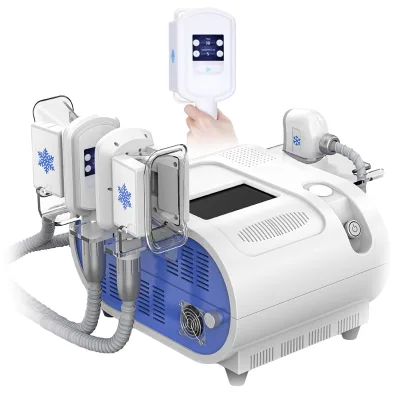


EMS Slimming Machine Weight Loss Machine Cryolipolysis Slimming Machine
$2950.00 - $3450.00
MOQ: 1 Pieces


Cryotherapy Machine Weight Loss Cryo Slimming Machine Fat Freezing Machine
$3000.00 - $4500.00
MOQ: 1 Pieces


Cryotherapy Slimming Criolipolisis Cryo Fat Cryo Machine 360 Cryolipolyse Fat Freezing
$500.00 - $3000.00
MOQ: 1 Pieces


Comprehensive Sourcing Guide
Strategic Sourcing Guide for Standing Cryo Slimming Machines
The global demand for non-invasive aesthetic solutions has elevated the Standing Cryo Slimming Machine to a critical asset for modern beauty clinics and wellness centers. These units, often referred to as cryolipolysis devices, utilize controlled cooling to target and eliminate adipose tissue without surgery. For procurement professionals, navigating the market requires a disciplined approach that distinguishes between verified product attributes and marketing generalizations. This guide synthesizes available product data to provide a framework for evaluating standing cryo slimming machines, focusing on technical specifications, certification verification, cost structures, and long-term operational viability.
Technical Architecture and Operational Specifications
Understanding the internal architecture of a Standing Cryo Slimming Machine is the first step in ensuring the equipment meets clinical requirements. The core technology relies on cryolipolysis, a process that freezes fat cells to induce apoptosis (cell death), which the body then naturally eliminates over time. However, modern units often integrate multiple modalities to enhance efficacy. Based on observed product data, high-end standing models frequently combine cryo technology with cavitation, vacuum therapy, radiofrequency (RF), and lipolaser. This multi-modal approach allows a single device to address fat reduction, cellulite reduction, and skin tightening simultaneously.
When evaluating technical specifications, buyers must scrutinize the temperature ranges and handle configurations. The cooling mechanism typically operates within a specific thermal window, with observed data indicating a cool temperature range of 0 ℃ to -11 ℃. This range is critical for effective fat crystallization without causing damage to the surrounding skin or nerves. Conversely, heating functions may be integrated for skin tightening, operating between 37 ℃ and 45 ℃. The physical interface is equally important; the number of handles determines treatment efficiency. Some models are equipped with seven handles, while others utilize three cryo handles combined with additional applicators for cavitation and RF.
The power consumption and physical dimensions are vital for facility planning. Power ratings observed in the market vary, with specific models rated at 800W and others at 1200W. These figures influence the electrical infrastructure requirements of the salon. Furthermore, the physical footprint of the machine dictates placement options. Standardized dimensions for these units often align with specific packaging standards, such as 665367cm or 614553.5cm, though larger stationary units may reach dimensions of 120X66X61 cm. Buyers should verify that the machine's standard size matches their available floor space, noting that these devices are generally classified as stationary or non-portable units, requiring a fixed installation location rather than mobility.
Compliance, Certification, and Regulatory Standards
In the medical and aesthetic device sector, compliance is not merely a formality but a prerequisite for market entry and liability protection. While general market knowledge suggests the presence of CE certification, buyers must demand explicit verification of all regulatory documents. The supplied product data indicates that reputable manufacturers often provide a combination of CE, RoHS, and ISO certifications. These certifications serve as evidence that the device meets specific safety, environmental, and quality management standards.
The CE mark indicates conformity with health, safety, and environmental protection standards for products sold within the European Economic Area. RoHS compliance ensures that the device does not contain hazardous substances, which is crucial for environmental safety and worker health. ISO certification, typically referring to ISO 9001 for quality management, demonstrates that the manufacturer adheres to rigorous production and quality control processes. However, buyers should not assume that every listed product possesses these certifications without requesting the specific certificate numbers and validity dates.
Furthermore, the origin of the product plays a significant role in regulatory compliance. Many of these machines originate from manufacturing hubs in China, specifically regions like Guangdong. While this location is a major center for aesthetic equipment production, it necessitates a thorough review of the manufacturer's export history and their ability to provide valid documentation for the target market. Buyers must verify that the "Product Standard" listed, such as specific dimensions or stationary classifications, aligns with local regulations in their region. For instance, a device labeled as "Stationary" must meet specific electrical and mechanical safety codes for fixed installations in the buyer's jurisdiction.
Cost Drivers and Procurement Economics
The pricing of standing cryo slimming machines is influenced by a complex matrix of factors, including technology integration, build quality, and after-sales support. The observed price range in the market spans from 1 USD to 5500 USD, a variance that reflects differences in component quality, brand positioning, and feature sets. A unit priced at the lower end of this spectrum may offer basic cryo functionality, whereas a unit at the higher end likely includes advanced multi-modal features, larger touch screens, and superior build materials.
The Minimum Order Quantity (MOQ) is another critical economic factor. Current market data suggests an MOQ of 1 unit for many suppliers, which facilitates entry for small clinics and startups. However, buyers should be aware that while the MOQ may be low, the unit price might be higher compared to bulk procurement scenarios. Additionally, the warranty period is a significant cost driver. Products with a 2-year warranty, such as specific models like the ame124-B or TH236-B, often command a premium over those offering only 1 year of coverage. This extended warranty reflects the manufacturer's confidence in the product's durability and their commitment to long-term support.
Packaging and logistics also impact the total cost of ownership. Some units are shipped in flight cases or aviation aluminum boxes, which are designed to protect the equipment during international transit but add to the shipping weight and cost. Others may use standard case packing. Buyers must calculate the landed cost, including shipping, insurance, and potential customs duties, rather than focusing solely on the ex-factory price. The power rating of the machine, ranging from 800W to 1200W, can also influence operational costs, as higher power consumption translates to higher electricity bills over the device's lifespan.
Typical Applications and Clinical Versatility
Standing cryo slimming machines are designed for a variety of applications, primarily targeting body contouring and fat reduction. The primary function of these devices is fat reduction and body slimming, making them ideal for clinics specializing in non-surgical aesthetic treatments. The technology is particularly effective for treating stubborn fat deposits in areas such as the abdomen, flanks, and thighs. Beyond fat reduction, many modern units offer additional functions such as facelifting and cellulite reduction, expanding their utility within a clinic's service menu.
The application environment is typically the salon or home setting, though the "standing" and "stationary" nature of these machines suggests they are best suited for professional salon environments where they can be securely installed. The integration of multiple technologies, such as cryo, cavitation, vacuum, RF, and lipolaser, allows for comprehensive treatment protocols. For example, a single session might begin with cryolipolysis to target fat cells, followed by RF and vacuum therapy to tighten the skin and improve circulation. This versatility allows clinics to offer a wider range of services with a single investment.
The interface design also plays a role in application. Models equipped with large touch screens, such as the 10.4-inch displays observed in some specifications, enhance the user experience for both practitioners and clients. These screens facilitate easy navigation of treatment protocols, display real-time data, and provide a modern aesthetic that aligns with high-end salon environments. The ability to customize treatments is further enhanced by the availability of OEM and ODM services, allowing clinics to tailor the machine's software and branding to their specific needs.
Supplier Evaluation and Vendor Selection Criteria
Selecting the right supplier is as critical as selecting the right machine. Buyers should prioritize suppliers that offer comprehensive support services, including 24-hour online assistance. This level of support is essential for troubleshooting technical issues and ensuring minimal downtime for the clinic. The availability of OEM and ODM services is another key indicator of a supplier's flexibility and capacity to meet specific market needs. Suppliers that offer these services often have more robust R&D departments and are better equipped to adapt to changing market demands.
When evaluating suppliers, buyers should verify the manufacturer's location and production capabilities. While many suppliers are based in China, specifically in Guangdong, it is important to assess their track record and reputation. Buyers should request references from existing clients and review case studies to understand the supplier's reliability. The warranty terms, such as the 2-year warranty offered by some models, should be scrutinized to understand what is covered and what requires additional fees. A clear, written warranty agreement is essential for protecting the buyer's investment.
Additionally, the supplier's ability to provide training and technical support is crucial. The complexity of multi-modal machines requires trained operators to ensure safe and effective treatment. Suppliers that offer comprehensive training programs, either online or on-site, add significant value to the procurement process. Buyers should also inquire about the availability of spare parts and the lead time for repairs, as these factors directly impact the long-term operational efficiency of the clinic.
Quality Control and Long-Term Procurement Considerations
Ensuring the quality of standing cryo slimming machines requires a rigorous quality control process. Buyers should insist on pre-shipment inspections to verify that the product meets the specified standards and dimensions. The use of high-quality materials, such as aviation aluminum for packaging, can indicate a commitment to durability and protection during transit. However, the internal components, such as the cooling system and electronic controls, must also be of high quality to ensure consistent performance.
Long-term procurement considerations involve planning for the lifecycle of the equipment. The warranty period is a key indicator of expected product longevity, with 2-year warranties being a common benchmark. Buyers should also consider the scalability of their equipment needs. As a clinic grows, they may need to upgrade their technology or add more units. Suppliers that offer a range of models, from basic to advanced, can facilitate this growth without requiring a complete overhaul of the clinic's equipment.
Finally, buyers should maintain a proactive approach to maintenance and updates. Regular maintenance is essential to keep the machine operating at peak performance and to extend its lifespan. Suppliers that provide detailed maintenance manuals and offer regular software updates can help clinics stay ahead of the curve. By focusing on these long-term considerations, buyers can ensure that their investment in standing cryo slimming machines yields maximum value and supports the continued success of their aesthetic practice.
FAQs
What certifications do standing cryo slimming machines typically have?
Reputable units often carry CE, RoHS, and ISO certifications. These documents verify safety and quality standards, but buyers must request specific certificate numbers to confirm validity for their region.
How many handles are included with these slimming machines?
Models vary, with some featuring seven handles and others using three cryo handles plus additional applicators. The specific configuration depends on the model, such as the ame124-B or TH236-B.
Can I customize the machine with my own branding?
Yes, OEM and ODM services are available for many suppliers. This allows clinics to tailor the machine's software and branding to their specific business needs and market identity.
What is the warranty period for these devices?
Warranty periods typically range from one to two years depending on the model. Specific units like the ame124-B and TH236-B often offer a two-year warranty for extended protection.
Which temperature range is used for fat reduction?
The cooling mechanism operates between 0 ℃ and -11 ℃ to freeze fat cells effectively. Heating functions for skin tightening may operate between 37 ℃ and 45 ℃ to complement the cooling process.
What is the minimum order quantity for these machines?
The minimum order quantity is typically one unit for many suppliers. This low threshold facilitates entry for small clinics and startups without requiring bulk procurement commitments.
Where are these standing machines manufactured?
Most units originate from China, specifically regions like Guangdong. Buyers should verify the manufacturer's export history and ability to provide valid documentation for their target market.