Source sugar-free turkey tail mushrooms capsules for Immune Support
Find 30 listings for sugar-free turkey tail mushrooms capsules from verified suppliers. Compare specifications, prices, and certifications for immune health and energy support applications.
Key considerations
Products List
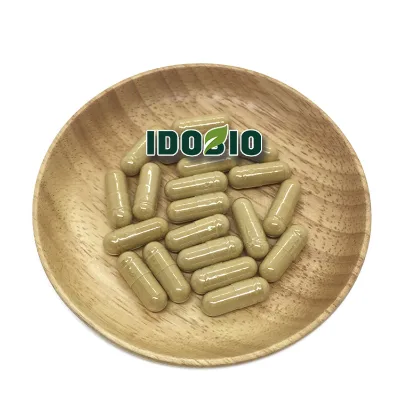
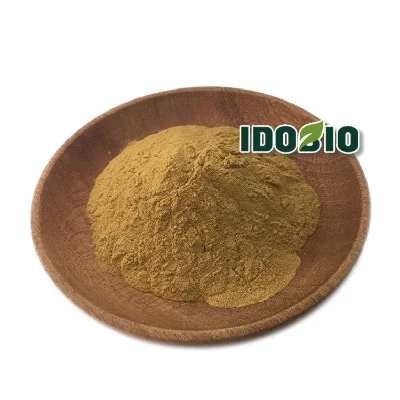
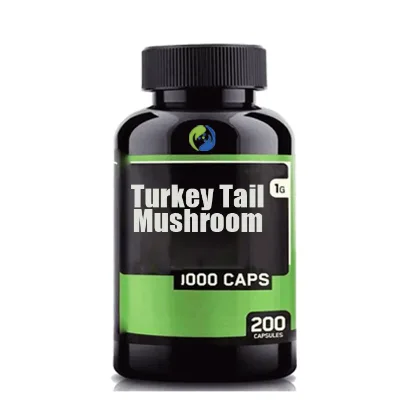
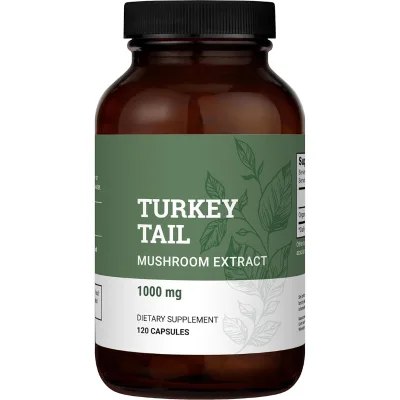


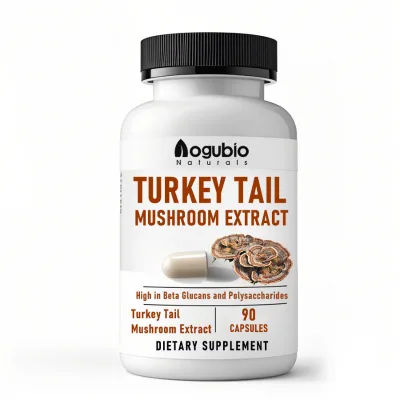
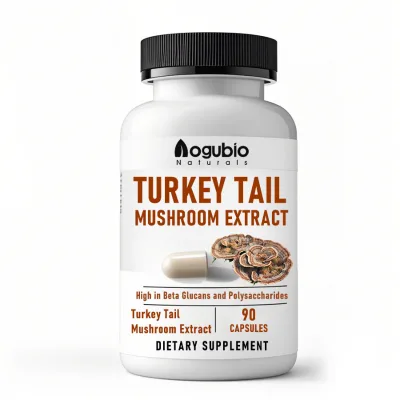
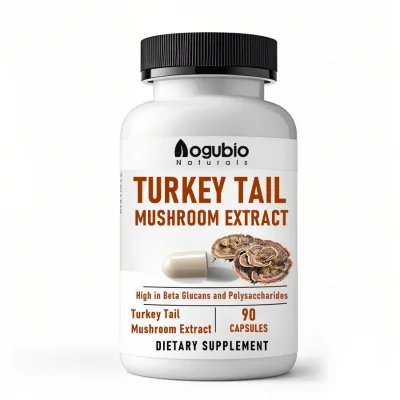
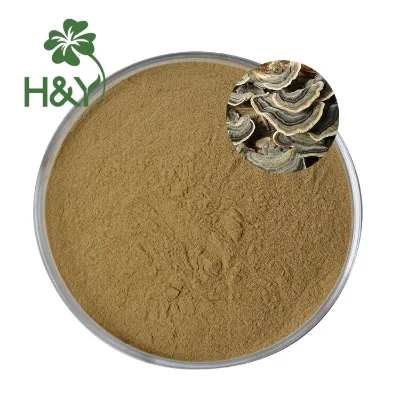
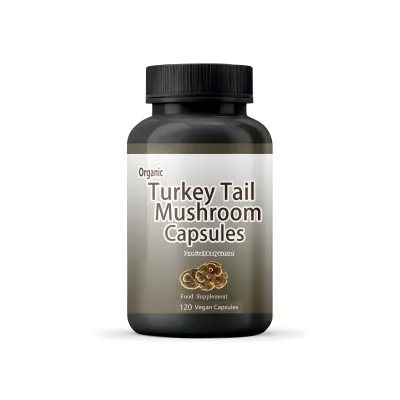
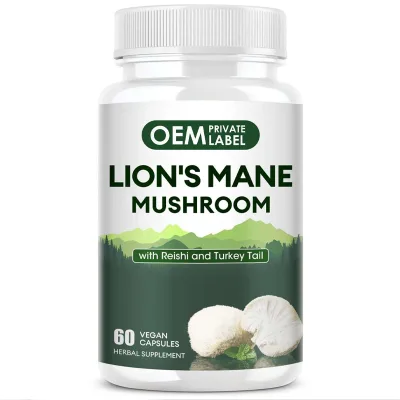
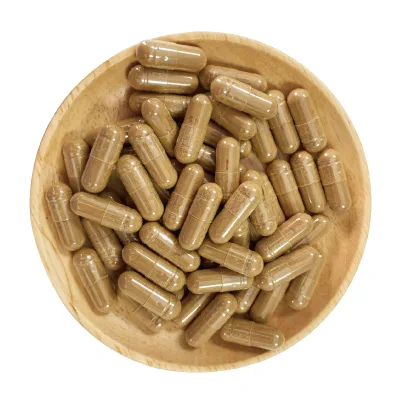
Customized Private Label Coriolus Versicolor Turkey Tail Mushroom Capsules
$3.27 - $5.63
MOQ: 100 pieces
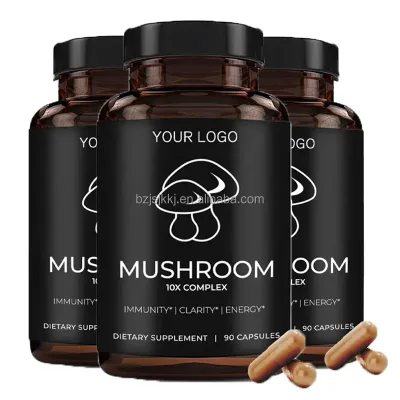


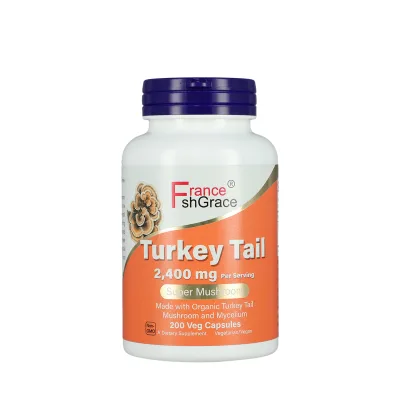





Comprehensive Sourcing Guide
Strategic Sourcing Guide for Sugar-Free Turkey Tail Mushroom Capsules
The global demand for natural immune support supplements has driven significant interest in Trametes versicolor, commonly known as turkey tail mushroom. For B2B buyers seeking sugar-free turkey tail mushroom capsules, the procurement landscape requires a nuanced understanding of product variance, extraction methodologies, and regulatory compliance. The market presents a dichotomy between raw botanical powders and finished capsule formulations, each carrying distinct supply chain implications. This guide synthesizes available market data to provide a disciplined framework for evaluating suppliers, ensuring product integrity, and mitigating procurement risks in this specialized botanical category.
Product Formulation and Technical Specifications
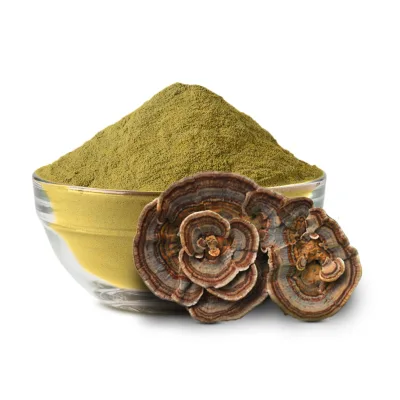
The first critical step in sourcing is distinguishing between the raw material and the finished dosage form. Market observations indicate that turkey tail products exist in multiple forms, ranging from fine powders to encapsulated supplements. A primary technical specification observed in the current supply chain is the particle size, which for raw extracts is often standardized to 100% pass 80 mesh. This ensures uniformity in downstream processing and consistent bioavailability in the final capsule.
When evaluating finished capsules, buyers must scrutinize the active ingredient profile. Data suggests that the main active component is polysaccharides, with concentrations typically ranging from 10% to 30% depending on the extraction efficiency. The extraction type is a pivotal differentiator; while some suppliers utilize liquid-solid extraction or solvent extraction methods to isolate these compounds, the final product must be verified for sugar content. The core keyword "sugar-free" implies a formulation where no sucrose, glucose, or maltodextrin fillers are added during the encapsulation process. Buyers should verify the "Main Ingredient" declaration to ensure the capsule content is primarily the mushroom extract rather than a sugar-based binder.
Furthermore, the physical attributes of the product vary significantly. While raw powders are described as brown fine powders, the finished capsule product presents as solid units. The dosage form is critical for compliance with the "sugar-free" claim. Some listings indicate a dosage of 2 capsules per day, with bottle specifications available in counts such as 60, 90, or 120 capsules. The single package size for bulk shipping of these capsules often measures approximately 15x20x30 cm, whereas raw powder shipments may utilize drums or larger cubic measurements like 23x23x23 cm. Understanding these dimensional differences is essential for calculating freight costs and warehouse storage requirements.
Compliance, Certification, and Regulatory Standards
Navigating the regulatory landscape is paramount for B2B buyers importing botanical supplements. The health food sector is subject to stringent quality management systems. Verified supply chain data indicates that reputable suppliers in this category often hold ISO9001 certification, which validates their quality management processes. Additionally, specific religious dietary certifications such as Halal and Kosher are frequently cited as available standards. These certifications are not merely marketing tools; they are often prerequisites for entering specific regional markets, particularly in the Middle East and Jewish communities globally.
Buyers must also verify the "Grade" of the product. The observed market standard classifies these products as "Food" or "Health products," distinguishing them from pharmaceutical-grade ingredients. This classification dictates the regulatory pathway for importation. For instance, in many jurisdictions, a product labeled as a "Food supplement" must adhere to different labeling and safety standards compared to a drug. The "Certificate" field in supplier documentation should explicitly list the specific standards met, such as ISO9001/Halal/Kosher, rather than vague claims of "quality assurance."
Another critical compliance aspect is the "Not Applicable People" list. Ethical and legal sourcing requires that suppliers clearly identify contraindications. Observed data lists pregnant women, newborns, children, and teenagers as groups for whom the product is not applicable. This disclaimer is a vital component of product safety and liability protection. Procurement teams must ensure that the final packaging and marketing materials reflect these restrictions accurately to avoid regulatory penalties and consumer harm.
Cost Drivers and Pricing Structures
The pricing of sugar-free turkey tail mushroom capsules is influenced by several variable factors, including the concentration of active polysaccharides, the extraction method, and the complexity of the capsule formulation. The observed market price range for such products spans from $0.21 to $75 per unit, a wide variance that reflects differences in product grade, packaging, and order volume. The lower end of this spectrum likely corresponds to bulk raw powder or smaller MOQ orders of standard capsules, while the higher end may reflect premium private-label services, custom formulations, or smaller batch sizes with higher overheads.
Minimum Order Quantity (MOQ) is a significant cost driver. The observed MOQ range is 1 to 1000 units. For buyers seeking to establish a new product line, an MOQ of 1 allows for market testing, but the unit cost will be significantly higher. Conversely, an MOQ of 1000 units typically unlocks economies of scale, reducing the per-unit cost. However, buyers must balance this with storage costs and shelf life constraints. The observed shelf life for these capsules is 24 months (or 2 years), which provides a reasonable window for inventory management but requires careful demand forecasting to prevent obsolescence.
Supply ability also impacts pricing stability. Suppliers with a stated supply ability of 5000 kilograms per month can generally offer more stable pricing for large-volume contracts compared to those with limited production capacity. Buyers should request detailed pricing tiers based on volume to understand the cost curve. Additionally, the "Service" aspect, such as OEM (Original Equipment Manufacturer) and ODM (Original Design Manufacturer) private label services, adds a layer of cost. Custom branding, unique capsule specifications, and specialized packaging will increase the final price compared to purchasing off-the-shelf generic products.
Typical Applications and Target Markets
The primary application for turkey tail mushroom capsules is in the health food and dietary supplement sector. The product is marketed for its "Main function" of supporting immune health and providing energy. Some formulations also claim benefits related to brain supplementation, although this requires careful verification against local advertising regulations. The "Applicable People" demographic is broad, including men, women, and adults, which expands the potential market reach. However, the exclusion of children and pregnant women narrows the target audience to adult consumers seeking natural wellness solutions.
The "Type" of product is categorized as a food supplement, which aligns with the growing consumer trend toward plant-based and functional foods. The "Flavor" is often customizable, allowing suppliers to tailor the product to regional taste preferences, although the natural earthy taste of the mushroom is a defining characteristic. The "Active Ingredient" is explicitly identified as turkey tail mushroom capsules, ensuring that the product delivers the intended botanical benefits.
In terms of distribution, the product is suitable for various channels, including online marketplaces, health food stores, and pharmacy chains. The "Single package size" and "Packaging" type (often drums for bulk or bottles for retail) must be compatible with the intended distribution channel. For example, e-commerce sellers may require smaller, retail-ready boxes, while wholesale distributors might prefer bulk drum packaging to minimize handling costs.
Supplier Evaluation and Verification
Selecting the right supplier requires a rigorous due diligence process. Buyers should prioritize suppliers who provide transparent documentation regarding their "Place of Origin." The supply chain for turkey tail mushrooms is geographically concentrated, with major production hubs in Shaanxi and Guangdong, China. Knowing the specific origin helps in assessing the agricultural practices, such as "artificial planting" versus "wild" cultivation. While some data points to wild cultivation, the majority of commercial supply relies on artificial planting to ensure consistency and sustainability.
Verification of the "Brand Name" is also essential. Reputable suppliers may operate under established brand names like IDOBIO or IHF, or they may offer white-label services. Buyers should check if the supplier has a history of providing samples. The availability of "turkey tail mushroom capsules Available" as samples is a strong indicator of a supplier's readiness to engage in business. Requesting samples allows buyers to verify the "Appearance," "Solubility," and actual "Main Ingredient" content before committing to a large order.
Furthermore, the "Port of dispatch" is a logistical consideration. Major ports such as Tianjin, Shanghai, and Qingdao are common dispatch points. Buyers should factor in the lead time and shipping costs associated with these ports. A supplier with a flexible port selection may offer better logistics solutions depending on the buyer's location. Finally, the "Service" offering, including OEM/ODM capabilities, should be evaluated to ensure the supplier can meet specific branding and formulation requirements.
Quality Control and Long-Term Procurement
Quality control is the backbone of a successful procurement strategy for botanical supplements. Buyers must insist on third-party testing results that verify the "Main Ingredient" concentration and the absence of contaminants. The "Extraction Type" used by the supplier directly impacts the purity and potency of the final product. Whether the supplier uses liquid-solid or solvent extraction, the process must be validated to ensure no residual solvents remain in the final capsule.
Long-term procurement considerations involve building a resilient supply chain. The "Storage" requirement for these products is a "Cool Dry Area" or "Cool Dry Place." Buyers must ensure their logistics partners can maintain these conditions throughout the supply chain to prevent degradation of the active polysaccharides. The "Shelf life" of 24 months provides a buffer, but buyers should aim to rotate stock efficiently to maintain peak quality.
To mitigate risks, buyers should establish clear quality agreements with suppliers. These agreements should specify acceptable ranges for particle size, polysaccharide content, and microbial limits. Regular audits and ongoing communication are necessary to maintain product consistency. Additionally, buyers should monitor the "Supply Ability" of their supplier to ensure they can scale operations as demand grows. A supplier with a stable 5000 kg/month capacity is better positioned to handle volume fluctuations than one with limited output.
Comparative Analysis of Product Attributes
To facilitate decision-making, the following table summarizes key attributes observed in the current market for turkey tail mushroom capsules:
| Attribute | Observation A (Raw/Extract Focus) | Observation B (Finished Capsule Focus) |
|---|---|---|
| Product Form | Brown fine Powder | Capsules |
| Main Ingredient | 10%-30% Polysaccharides | Turkey Tail Mushroom Extract |
| Particle Size | 100% pass 80 mesh | N/A (Encapsulated) |
| Packaging | Drum | Bottle (60/90/120 caps) |
| Single Package Size | 23x23x23 cm | 15x20x30 cm |
| Shelf Life | 24 Months | 24 Months |
| Place of Origin | Shaanxi, China | Guangdong, China |
| Cultivation Method | Artificial / Wild | Artificial |
| Certifications | ISO9001/Halal/Kosher | ISO9001/Halal/Kosher |
| Active Function | Immune Health, Energy | Immune Health, Brain Supplement |
This comparison highlights the divergence between raw material sourcing and finished goods procurement. Buyers must decide whether to source raw powder for in-house encapsulation or finished capsules for immediate market entry. The choice depends on the buyer's manufacturing capabilities, quality control resources, and time-to-market requirements.
In conclusion, sourcing sugar-free turkey tail mushroom capsules requires a meticulous approach that balances technical specifications, regulatory compliance, and cost efficiency. By leveraging verified data on extraction methods, certifications, and supply chain logistics, buyers can navigate the complexities of the botanical supplement market. The key to success lies in thorough supplier evaluation, clear quality agreements, and a strategic understanding of the product's application and target demographic.
FAQs
What is the main active ingredient in these capsules?
The main active ingredient is turkey tail mushroom extract containing 10% to 30% polysaccharides. This concentration varies based on the extraction method used by the manufacturer to ensure potency and efficacy for immune support.
Which certifications are available for these mushroom capsules?
Reputable suppliers often provide ISO9001, Halal, and Kosher certifications for these products. These standards verify quality management processes and compliance with specific religious dietary requirements for international distribution.
How long is the shelf life of the finished capsules?
The shelf life is typically 24 months or two years when stored correctly. Buyers must ensure the product remains in a cool, dry place to maintain the integrity of the active ingredients throughout this period.
Can buyers request custom packaging and private labeling?
Yes, suppliers offer OEM and ODM private label services with customized bottle specifications. Options include 60, 90, or 120 capsules per bottle, allowing brands to tailor the product to their specific market needs.
What is the minimum order quantity for these supplements?
The minimum order quantity ranges from 1 to 1000 units depending on the supplier. Lower MOQs allow for market testing, while larger orders of 1000 units typically unlock better pricing and economies of scale.
Where are these turkey tail mushrooms cultivated and sourced?
Products originate from regions like Shaanxi and Guangdong in China. Cultivation methods include both artificial planting and wild sourcing, with artificial planting being common for ensuring consistent quality and supply chain stability.
Who should avoid taking these turkey tail mushroom capsules?
The product is not applicable for pregnant women, newborns, children, and teenagers. These restrictions are critical for safety and liability, ensuring the supplement is only used by the intended adult demographic.