Source Supermarket Display Shelves for Stores, Warehouses, and Shops
Find 30 verified options for Supermarket Display Shelves designed for retail environments. Compare features like material, size, and customization to select the right shelving for stores, warehouses, and drug stores; compare the available evidence and request quotations based on your requirements.
Updated
Key considerations
Products List


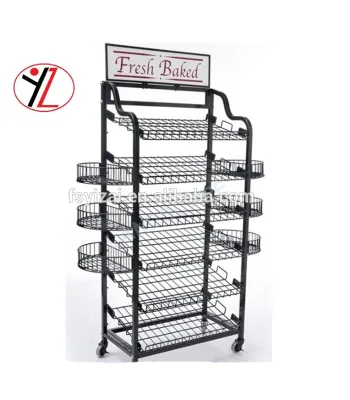


Customized Double Sided Metal Design Retail Store Shelves Supermarket Display Shelves
$888.00 - $1000.00
MOQ: 100 Pieces
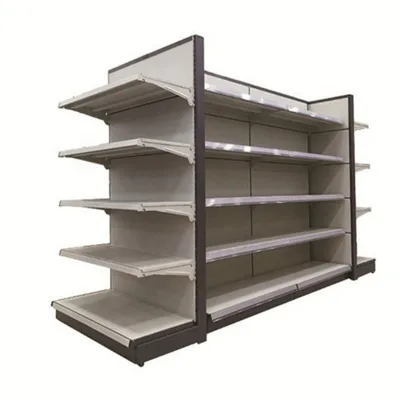


Standard Single Side Display Supermarket Shelves Customized Market Shelves
$1.00 - $78.00
MOQ: 50 Pieces

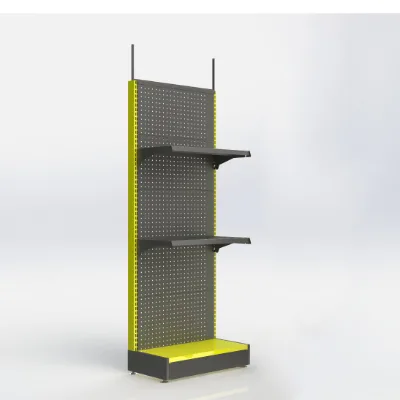
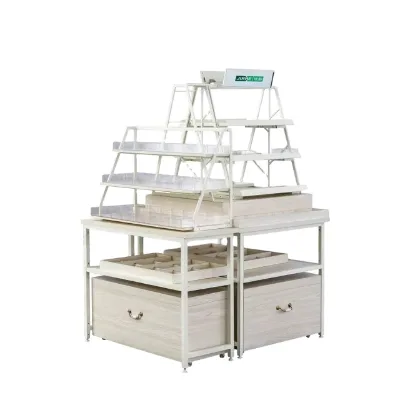
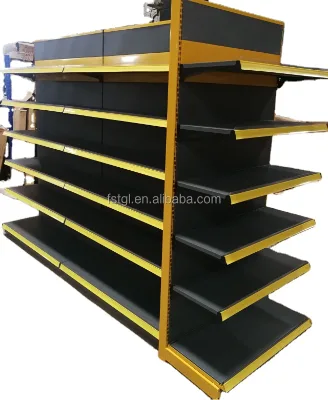
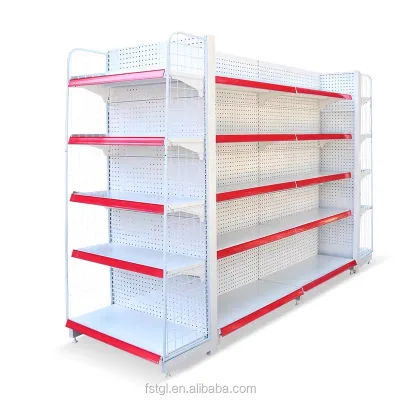
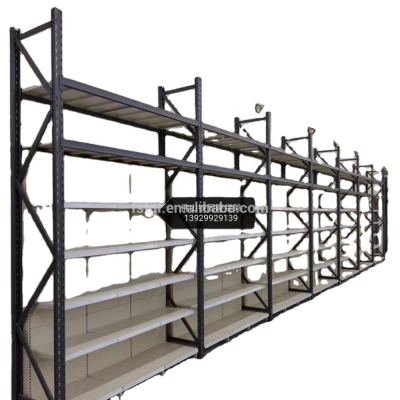
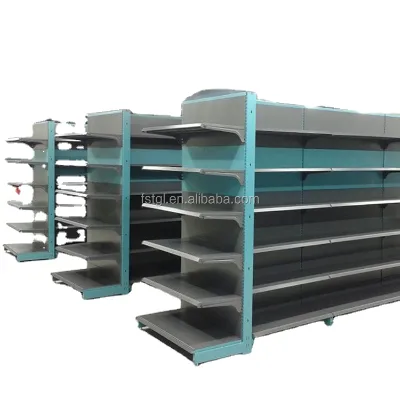
Comprehensive Sourcing Guide
Supermarket Display Shelves Sourcing Guide
Product Scope and Observed Listing Signals
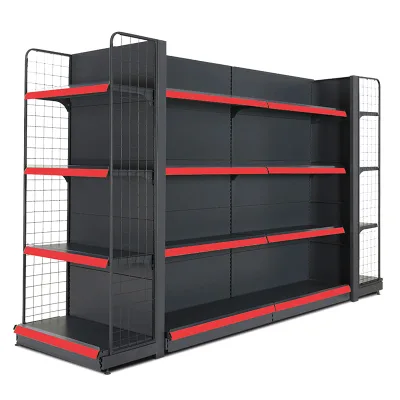
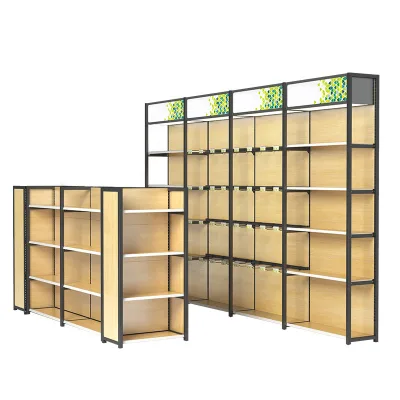
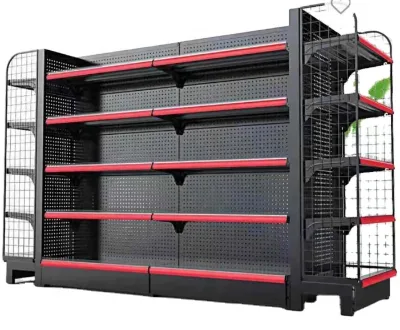
The current market landscape for Supermarket Display Shelves reveals a diverse array of products primarily constructed from metal and steel materials, catering to both indoor exhibition shows and general retail environments. Buyers will observe listings that emphasize customization capabilities, with many suppliers offering tailored dimensions and colors to fit specific store layouts. The observed product range includes floor-type stands and multi-layer shelving units, with some models featuring double-sided configurations to maximize visibility and product placement efficiency.
Commercial signals indicate a wide variation in pricing, ranging from one to one thousand US dollars, which likely correlates with the complexity of the design and the volume of materials used. Minimum order quantities typically start at five units, suggesting that suppliers are flexible enough to accommodate smaller pilot orders or specific boutique requirements. The presence of custom logo options and design services further indicates that these suppliers are positioned to support brand-specific retail strategies rather than just providing generic hardware.
Technical Specifications to Verify
When evaluating technical specifications, buyers must prioritize dimensional accuracy and structural integrity, as observed models vary significantly in size and weight. Key parameters to verify include the overall dimensions, such as the 120x40x200cm standard noted in some listings, and the specific model numbers like AG-J-0808 or NCT series variants. It is crucial to confirm whether the shelving units are designed for heavy loads, as some products are explicitly labeled as heavy-weight, which impacts the stability required for high-density retail environments.
The build method and folding status are also critical technical considerations, with many units designed as connectable, unfolded floor-type stands that require assembly on-site. Buyers should verify the single packaging size, which can be as large as 50x100x200cm, to ensure that logistics and warehouse storage can accommodate the delivered goods. Additionally, the number of layers, ranging from one to seven, must be matched to the vertical space available in the store, ensuring that the shelving units optimize floor space without obstructing customer flow.
Compliance and Safety Documentation
Safety and compliance documentation are paramount when sourcing retail fixtures, as these units must withstand constant public interaction and heavy product loads. Buyers should request certificates such as SGS and ISO9001-2000, which indicate that the manufacturer adheres to recognized quality management and testing standards. These certifications provide assurance that the materials used, particularly the steel and metal components, have been tested for durability and structural safety, reducing the risk of collapse or failure in a busy supermarket setting.
Beyond manufacturing standards, buyers must verify that the products meet local safety regulations regarding fire resistance and material toxicity, especially if the shelves are used in environments with strict consumer protection laws. While some listings mention eco-friendly and recycled features, buyers should ask for specific data on the recyclability of the materials and the environmental impact of the production process. Ensuring that the supplier can provide comprehensive documentation helps mitigate liability risks and ensures that the display units are suitable for international trade and local retail compliance.
Cost Drivers and Commercial Terms
The cost of Supermarket Display Shelves is driven by several factors, including the type of metal used, the complexity of the customization, and the packaging requirements. Listings show that products are packed in various ways, from simple boxes to bubble bag foam pads and five-layer master cartons, which significantly affects shipping costs and the risk of damage during transit. Buyers should carefully evaluate the total landed cost, considering not just the unit price but also the logistics expenses associated with bulky, heavy items that may require special handling.
Commercial terms such as minimum order quantities and lead times are essential for planning inventory and store openings. With MOQs starting as low as five units, buyers have the flexibility to test different designs or replenish stock without committing to large volumes. However, buyers must clarify whether the quoted prices include design services, logo printing, and assembly instructions, as these value-added services can impact the final cost. Understanding the payment terms and warranty policies is also crucial to protect against defects and ensure long-term satisfaction with the purchase.
Supplier Qualification and Quality Control
Supplier qualification involves verifying the manufacturer’s ability to deliver consistent quality and meet customization requests. Buyers should look for suppliers that offer design and drawing artwork services, as this indicates a higher level of engineering capability and attention to detail. The presence of a brand name like LEADER or specific model numbers suggests that some suppliers have established product lines, which can be a sign of reliability and experience in the retail fixture industry.
Quality control processes should be explicitly discussed, including how the supplier inspects materials before production and conducts final checks before shipment. Buyers should inquire about the testing procedures for load-bearing capacity and stability, ensuring that the shelves can handle the intended weight of products. Additionally, verifying the supplier’s location, such as Guangdong or Xiamen in China, can provide insights into the local supply chain and manufacturing ecosystem, which may influence lead times and communication efficiency.
Long-Term Procurement Checks
Long-term procurement success depends on establishing a reliable supply chain that can adapt to changing retail trends and store layouts. Buyers should monitor the supplier’s ability to provide consistent quality over multiple orders, paying attention to any changes in materials or construction methods. The availability of spare parts or replacement components is also important, as damaged shelves can disrupt store operations and customer experience if not quickly repaired or replaced.
Furthermore, buyers should assess the supplier’s responsiveness to feedback and their willingness to collaborate on future design improvements. As retail environments evolve, the demand for more flexible, modular, or eco-friendly display solutions may increase, so maintaining a relationship with a supplier who can innovate is valuable. Regular reviews of performance metrics, such as delivery times and defect rates, will help ensure that the sourcing strategy remains effective and aligned with the business’s long-term goals.
FAQs
Can these Supermarket Display Shelves be customized?
Yes, customization is available for these units. Buyers can request custom logos, specific colors, and tailored sizes to fit their retail environment. The supplier offers design and drawing artwork services to ensure the final product meets exact brand requirements and spatial constraints.
What materials are used for these shelves?
These display units are constructed from metal and steel, ensuring heavy weight durability for retail environments. The robust build method uses a connect system, providing stability for displaying cosmetics and other goods in supermarkets, drug stores, and convenience stores without collapsing under load.
What certifications do these products hold?
The products hold SGS and ISO9001-2000 certifications, verifying quality and safety standards. These credentials assure buyers of the manufacturing reliability and material integrity, making them suitable for international procurement where compliance with recognized industrial standards is a prerequisite for listing in major retail chains.
What is the standard size of these shelves?
The standard specification is 120*40*200cm, though customer sizes are also available. The length is typically 200cm, and the design is floor-type with double-sided visibility. This configuration maximizes product exposure in indoor exhibition shows, supermarkets, and stores while allowing for flexible layout arrangements.
Where are these shelves manufactured?
These units originate from China, specifically from Guangdong and Xiamen regions. The manufacturing location supports efficient logistics for global export. Buyers should note that the products are new condition and packed in bubble bag foam pads within five-layer master cartons to prevent transit damage.