Source Sustainable Wood Fiber Pizza Knife for Restaurant, Hotel, and Home Use
Find and compare 30 Sustainable Wood Fiber Pizza Knife options from verified suppliers. Evaluate features like dishwasher safety, antibacterial properties, and custom branding to select the ideal tool for commercial kitchens, hotels, and home use.
Key considerations
Products List
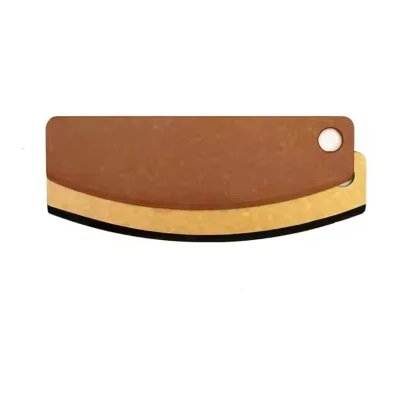
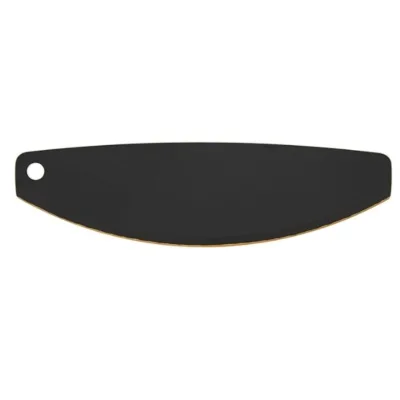
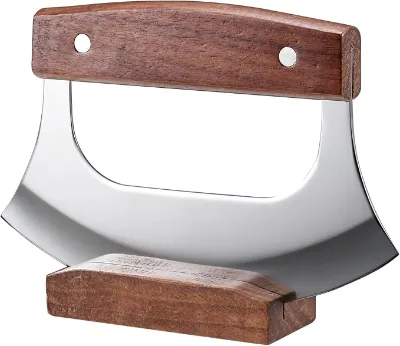
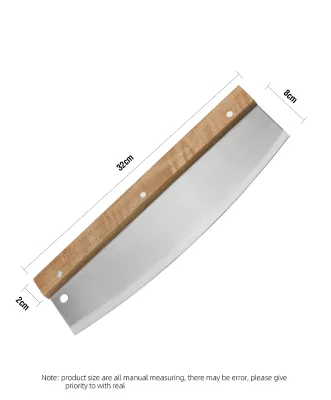
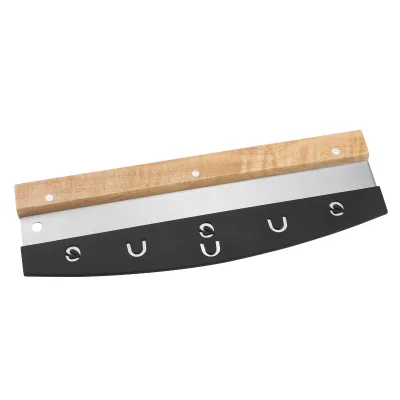
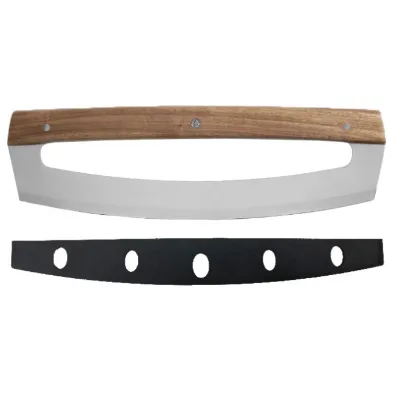
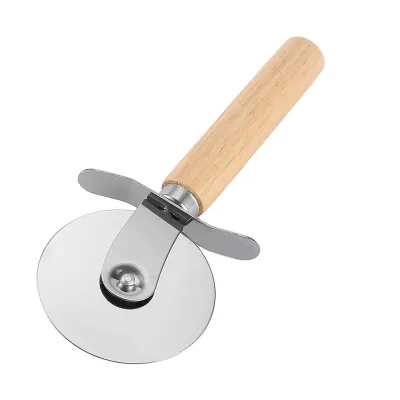


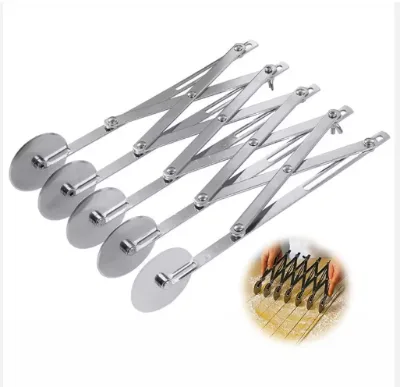
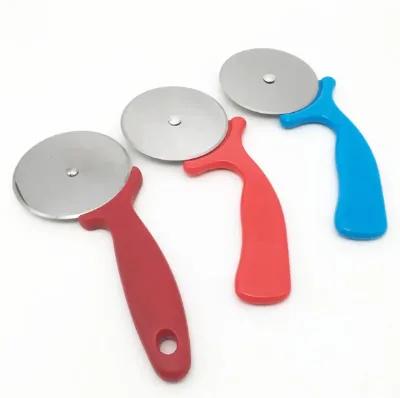
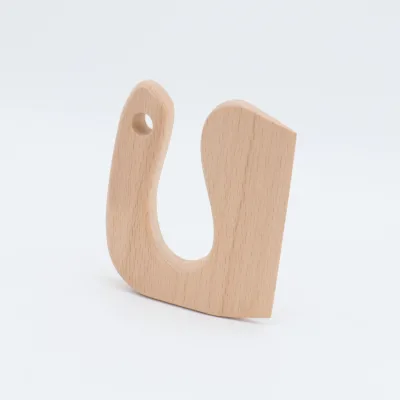


Food Grade Stainless Steel Pizza BBQ Accessories Pizza Cutter Home Pizza Knife
$0.70 - $1.00
MOQ: 1000 Pieces


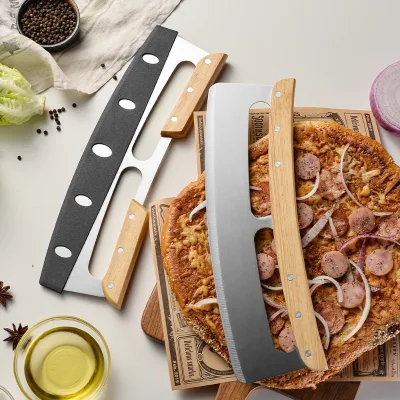
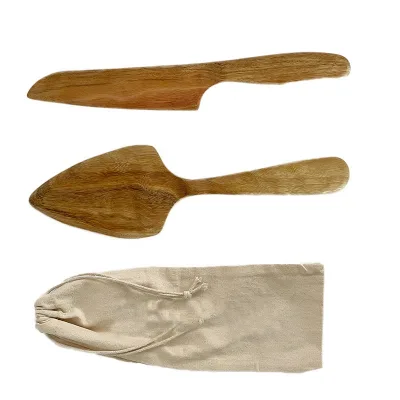
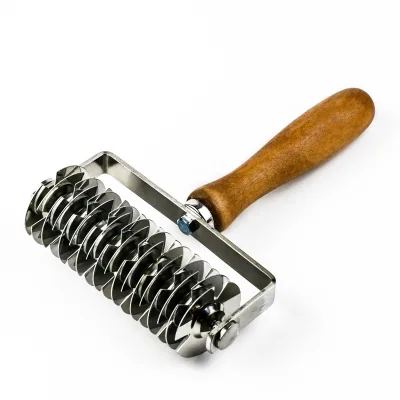


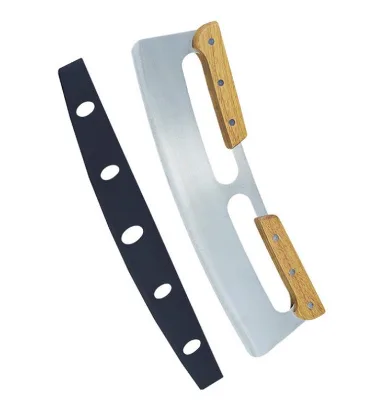

Comprehensive Sourcing Guide
Sustainable Wood Fiber Pizza Knife Sourcing Guide
The Sustainable Wood Fiber Pizza Knife represents a specialized category of kitchenware designed to balance environmental responsibility with high-performance cutting capabilities. These tools are primarily constructed from wood fiber composites, often reinforced with binding agents to ensure structural integrity while maintaining an eco-friendly profile. Buyers in the B2B sector should recognize that this material choice directly addresses the growing demand for biodegradable or recyclable alternatives to traditional plastic or metal-only cutters, particularly for brands emphasizing green supply chains. The product is specifically engineered for slicing pizza, offering a durable solution that resists warping and maintains a sharp edge through repeated use in commercial and residential settings.
Procurement of these items requires a nuanced understanding of the specific material composition and manufacturing processes that define their sustainability claims. While the core material is wood fiber, the final product often includes additional components such as wooden handles or metal blades depending on the specific model configuration. Sourcing teams must verify that the "wood fiber" designation aligns with the actual product composition, as some listings indicate a composite of stainless steel, wood, and polypropylene (PP) for enhanced durability. This distinction is critical for buyers who need to ensure their inventory meets specific environmental standards or customer expectations regarding material purity and end-of-life disposal.
Product Scope and Observed Listing Signals
The market for sustainable wood fiber pizza knives presents a diverse range of product variations, from all-fiber composite cutters to hybrid designs incorporating metal blades and wooden handles. Observed listings indicate that these tools are marketed under various brand names, including Culiex and HONGXUAN, and are available in multiple configurations such as the W2202 and HX-P031 models. The product scope extends beyond simple cutting implements to include features like antibacterial and anti-mildew properties, which are essential for maintaining hygiene in high-volume restaurant environments. Buyers should note that the "sustainable" attribute is often paired with practical features like dishwasher safety, ensuring that the eco-friendly material does not compromise ease of maintenance or longevity.
Listing signals reveal significant variability in customization options, color availability, and packaging requirements, which directly impacts the suitability of a product for specific retail channels. Some models offer customized colors ranging from natural wood tones to black or walnut finishes, while others provide options for custom logos to support private label strategies. The commercial buyer profile typically includes supermarkets and cross-border online stores, suggesting that the product is designed for both bulk retail distribution and direct-to-consumer e-commerce. When evaluating listings, procurement specialists should look for explicit mentions of "stocked" availability versus custom manufacturing lead times, as this distinction affects inventory planning and order fulfillment speed.
Technical Specifications to Verify
Technical verification for wood fiber pizza knives must begin with a precise assessment of the material composition and dimensional consistency across different models. Buyers should confirm whether the product is a pure wood fiber composite or a hybrid construction involving stainless steel (such as SS430) and polypropylene, as this affects the tool's weight, balance, and cutting performance. Specific model numbers like W2202 and HX-PC035 correspond to distinct physical attributes, including sizes ranging from 32x10x2cm to 35x10x2cm and weights varying from 385g to nearly 0.9kg per unit. Ensuring that the listed dimensions and weights match the physical samples is essential for logistics planning, as these factors influence shipping costs and packaging efficiency.
Functional specifications such as the handle material and blade composition are equally critical for determining the tool's suitability for its intended application. While some products feature all-wood handles, others utilize a combination of wood and plastic components to enhance grip and durability. The "Dishwasher Safe" attribute is a key performance indicator that buyers must validate, as not all wood fiber composites can withstand high-temperature washing cycles without degrading. Additionally, the presence of antibacterial and anti-mildew features should be confirmed through product data sheets, as these properties are vital for food safety compliance in restaurant and hotel environments where cross-contamination is a primary concern.
Compliance and Safety Documentation
Compliance and safety documentation for wood fiber pizza knives must address both food contact safety and the environmental claims associated with the product. While specific certification statuses like FSC are mentioned in background contexts, buyers should not assume these certifications are present without explicit verification from the supplier. Instead, procurement teams should request documentation proving that the wood fiber materials and any binding agents used are safe for food contact, adhering to relevant international food safety standards. The absence of specific certification claims in the provided data necessitates a proactive approach where buyers explicitly ask for test reports or compliance statements regarding the materials' safety.
Safety documentation should also cover the durability and structural integrity of the product to prevent potential hazards during use. Buyers need to verify that the "Durable Kitchen Tools" classification is supported by evidence of the product's resistance to breakage or splintering under normal cutting pressures. For hybrid models containing metal blades, it is essential to confirm that the blade attachment is secure and that the handle material provides a non-slip grip even when wet. Ensuring that the product meets the "Antibacterial" and "Anti-mildew" claims requires access to laboratory test results, as these are performance claims that must be substantiated to avoid regulatory issues in markets with strict hygiene regulations.
Cost Drivers and Commercial Terms
Cost drivers for sustainable wood fiber pizza knives are heavily influenced by the complexity of the material composition and the level of customization required. Products featuring pure wood fiber composites may have different cost structures compared to hybrid models that incorporate stainless steel and polypropylene, with the latter often commanding higher prices due to the additional materials and manufacturing steps. Customization options such as private labeling, specific color matching, and bespoke packaging significantly impact the final unit cost, as these processes require additional setup time and resource allocation. Buyers should anticipate that orders with lower Minimum Order Quantities (MOQs) may carry a higher per-unit price, as seen in listings where MOQs range from 500 to 2000 pieces depending on the supplier and product configuration.
Commercial terms and payment structures play a pivotal role in the overall procurement strategy, particularly for international buyers dealing with suppliers in regions like Guangdong, China. Standard payment terms often include a deposit structure, such as a 30% deposit followed by a 70% balance payment, which is a common practice in the industry to mitigate risk for both parties. Lead times for samples and bulk production are also critical cost factors, with sample availability typically ranging from 3 to 5 days, while bulk orders may require longer lead times depending on the supplier's capacity and the complexity of the customization. Understanding these terms allows buyers to accurately forecast cash flow requirements and manage inventory levels effectively.
Supplier Qualification and Quality Control
Supplier qualification for wood fiber pizza knives requires a rigorous assessment of the manufacturer's capability to maintain consistent quality across large production runs. Buyers should prioritize suppliers who demonstrate a clear understanding of the material science behind wood fiber composites and can provide evidence of their quality control processes. The presence of specific model numbers and detailed product attributes suggests that established manufacturers are capable of producing standardized items, but buyers must verify that these standards are maintained consistently. It is essential to evaluate the supplier's ability to handle custom orders, including the implementation of custom logos and colors, without compromising the structural integrity or aesthetic appeal of the final product.
Quality control measures should extend beyond the initial production phase to include pre-shipment inspections and post-delivery support. Buyers should establish clear acceptance criteria for product attributes such as color consistency, handle finish, and blade sharpness, ensuring that the delivered goods match the approved samples. Given the "Sustainable" and "Eco-Friendly" claims, quality control must also include checks for material consistency to ensure that the wood fiber content meets the specified standards. Regular audits of the supplier's production line and testing of random samples from bulk orders can help identify potential issues early, preventing costly returns and maintaining the brand's reputation for quality and reliability.
Long-Term Procurement Checks
Long-term procurement checks for sustainable wood fiber pizza knives focus on the supplier's ability to adapt to changing market demands and maintain product consistency over time. Buyers should establish a framework for periodic reviews of the product's performance in the field, gathering feedback from end-users in restaurants and retail environments to identify any recurring issues or areas for improvement. This feedback loop is crucial for ensuring that the product continues to meet the evolving expectations of consumers who prioritize sustainability and functionality. Regular communication with the supplier regarding material sourcing and manufacturing updates can also help buyers stay ahead of potential supply chain disruptions or regulatory changes.
Sustainability verification is a critical long-term check that requires ongoing dialogue with suppliers to ensure that their environmental claims remain valid and compliant with emerging standards. As regulations regarding biodegradable materials and food contact safety evolve, buyers must work with suppliers to update their documentation and production processes accordingly. This proactive approach ensures that the product remains competitive in the market and that the supply chain maintains its integrity. By fostering a collaborative relationship with suppliers, buyers can secure a reliable source of high-quality, sustainable pizza knives that align with their long-term strategic goals and corporate social responsibility commitments.
FAQs
What material is used for the Sustainable Wood Fiber Pizza Knife?
The product is constructed from wood fiber material with a wood handle. This composition ensures durability while maintaining an eco-friendly profile suitable for commercial and home kitchen environments.
Can the wood fiber pizza cutter be cleaned in a dishwasher?
Yes, the product is dishwasher safe according to care instructions. This feature simplifies maintenance for restaurants and hotels while ensuring the tool remains hygienic after repeated use cycles.
Which customization options are available for the pizza cutter logo?
Buyers can request a custom logo or select the Culiex brand name. Color options include customized shades or specific colors like black and walnut to match brand identity requirements.
How does the MOQ vary for different pizza cutter models?
Minimum order quantities range from 1 to 2000 units depending on the specific model. Some models require 500 pieces while others may need 1000 pieces for standard production runs.
Where are the sustainable wood fiber pizza knives manufactured?
These products originate from Guangdong, China. This location serves as the primary place of origin for the wood fiber and metal composite pizza cutting tools listed.
What payment terms are accepted for purchasing these pizza tools?
Standard payment terms include a 30% deposit plus 70% balance via T/T. This structure applies to commercial buyers such as supermarkets and cross-border online stores.