Source Sustainable Wine Glass Tags for Parties, Events, and Catering
Find 30 listings for Sustainable Wine Glass Tags suitable for holiday parties, cocktail events, and beverage identification. Buyers can compare customization options, materials like PP and silicone, and packaging standards from verified suppliers.
Key considerations
Products List


Double-Sided Wine Glass Tags for Fruit Identification and Organization
$0.54 - $0.60
MOQ: 1000 Square Meters



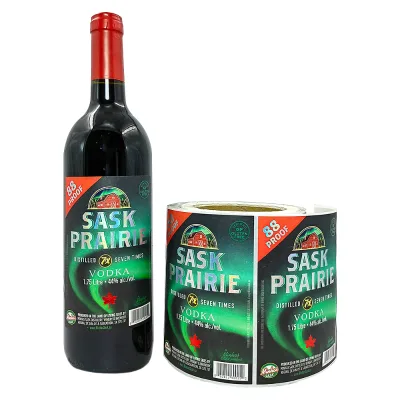
Custom Liquor Brandy Name Label Sticker Bottle Stickers Brand Tag for Glass Bottle
$0.02 - $0.25
MOQ: 6000 Pieces


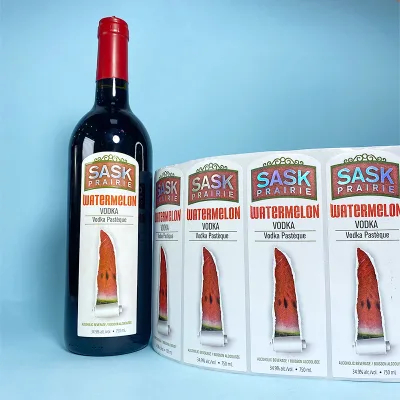
Custom Brand Label Name Labels Manufacturer Bottle Stickers Fabric Tag for Glass Bottle
$0.02 - $0.25
MOQ: 6000 Pieces

Comprehensive Sourcing Guide
Strategic Sourcing Guide for Sustainable Wine Glass Tags
Understanding Product Definitions and Material Variations
When initiating a procurement strategy for Sustainable Wine Glass Tags, buyers must first navigate the complex landscape of product definitions and material compositions. The term "sustainable" in this context often intersects with specific material choices that balance durability, environmental impact, and functional performance. Based on available market data, the core material categories for these identification tags include Organic Silicone, Polypropylene (PP), and Polyvinyl Chloride (PVC). Each material offers distinct advantages regarding the lifecycle of the product and its suitability for beverage service environments.
Organic Silicone represents a premium segment often associated with high durability and food safety. Products described with this material specification are frequently marketed as reusable options, aligning well with sustainability goals by reducing single-use waste. These tags are typically designed to be attached to stems or bases of glassware, ensuring they remain secure during use. Conversely, Polypropylene (PP) is a widely utilized thermoplastic polymer known for its chemical resistance and cost-effectiveness. In the context of wine glass tags, PP is often found in adhesive sticker formats or as a facestock for thermal printing. The presence of "Top Thermal PP" in product specifications suggests a material capable of withstanding thermal transfer printing processes, which is essential for customizing tags with barcodes or unique identifiers.
However, the presence of PVC in the supply chain requires careful scrutiny. While PVC offers flexibility and clarity, its environmental profile is often a point of contention in sustainability-focused procurement. Buyers must distinguish between products that utilize PVC for specific functional reasons and those that might be better replaced by more eco-conscious alternatives like PP or silicone. The distinction is critical because the "sustainable" label applied to a product containing PVC may refer only to the packaging or the manufacturing process, rather than the material itself. Therefore, a comprehensive sourcing strategy begins with a clear definition of the desired material composition, ensuring it aligns with the organization's specific environmental mandates.
Technical Specifications and Functional Requirements
The technical specifications of wine glass tags are paramount to their functionality in a hospitality setting. A primary functional requirement is the ability to withstand moisture and temperature fluctuations without degrading. Many products in the current market are specified with "Waterproof" and "Heat Sensitive" features, indicating their suitability for environments where condensation is common or where thermal printing is required for on-demand customization. The "Waterproof" attribute ensures that the tag remains legible and intact even when the glass is chilled or washed, a critical factor for both event management and restaurant operations.
Size and dimension specifications vary significantly across different product models, ranging from small identifiers like "25*10mm" to larger formats such as "330/333mm/1000mm" or lengths of "1000m/2000m/3000m". This variance suggests that the market offers both individual pre-cut tags and roll-based solutions for high-volume printing. For buyers seeking a sustainable solution, the choice between pre-cut tags and roll stock impacts waste generation. Roll stock allows for precise cutting, potentially reducing off-cuts, whereas pre-cut tags might offer a more streamlined workflow for small events. The standard dimension of "7cm/2.76inch" appears in specific product listings, providing a benchmark for standard sizing that buyers can use as a reference point when evaluating custom requirements.
Furthermore, the printing capabilities of these tags are a significant technical consideration. Specifications indicate compatibility with "Thermal Printers" and "Label Printers," with materials described as "Top Thermal PP" or "Backing Paper: Thermal Paper." This implies that the tags are designed for direct thermal or thermal transfer printing, which eliminates the need for ink or toner in some cases, thereby reducing consumable waste. The "Barcode" feature is frequently cited, highlighting the utility of these tags for inventory management and tracking. For a sustainable procurement strategy, buyers should verify that the printing technology supports high-quality, long-lasting legibility without requiring excessive chemical inks, which can complicate recycling or disposal processes.
Compliance, Certification, and Environmental Verification
Navigating the compliance and certification landscape is essential for validating the sustainability claims of wine glass tags. While the term "Eco-Friendly" is observed in product characteristics, buyers must demand concrete evidence to support such assertions. The presence of "SGS" as a standard in certain product listings indicates that third-party testing and verification are available for specific items. SGS is a recognized global inspection, verification, testing, and certification company, and its mention suggests that some suppliers are willing to undergo rigorous quality and safety assessments. However, the absence of a specific certification standard in the general product data means that buyers cannot assume all products meet this benchmark without explicit verification.
Buyers should prioritize suppliers who can provide documentation regarding the environmental impact of their materials. For products made from Organic Silicone, verification of food-grade safety and biodegradability or recyclability is crucial. Similarly, for PP-based tags, understanding the recycling codes and the specific grade of the polymer is necessary to ensure they can be properly processed in waste management systems. The "Characteristics" of the product, such as being "Eco-Friendly," should be treated as a claim that requires substantiation through material safety data sheets (MSDS) or environmental product declarations (EPD).
In addition to material certifications, buyers must consider the compliance of the manufacturing process. The origin of the products, often listed as "China" or specifically "Guangzhou" and "Guang Zhou," suggests a concentration of manufacturing in specific industrial hubs. While these regions have robust manufacturing capabilities, they also vary in their adherence to international environmental standards. Buyers should inquire about the supplier's compliance with local and international regulations regarding chemical usage, waste disposal, and energy consumption. The "Standard Export Carton" and "Pallet Packaging Film" mentioned in product details also raise questions about the sustainability of the packaging itself. Sustainable procurement requires a holistic view that includes not just the product but also the materials used to ship it.
Cost Drivers and Economic Considerations
The economic landscape of sourcing Sustainable Wine Glass Tags is influenced by several key cost drivers, including material selection, customization levels, and order volume. The observed Minimum Order Quantity (MOQ) ranges from 100 to 200,000 units, indicating a wide spectrum of purchasing power required. For small to medium-sized events, an MOQ of 100 units may be accessible, whereas large-scale operations might leverage the higher volume tiers to negotiate better unit economics. The "MOQ: 1000sqm" specification for certain adhesive sticker products suggests that pricing models may be based on surface area rather than unit count for roll-based solutions, which is a critical factor for budget planning.
Material costs play a significant role in the overall price structure. Organic Silicone, being a more specialized and durable material, typically commands a higher price point compared to standard PP or PVC options. However, the long-term cost of ownership for silicone tags may be lower if they are designed for reuse, reducing the need for frequent replacement. In contrast, single-use tags made from PP or PVC might have a lower upfront cost but could incur higher recurring expenses and waste management costs. The "Customization: Available" attribute adds another layer to the cost structure. Custom printing, including holographic features or specific barcode integration, will increase the unit price but can enhance the value proposition by reducing errors and improving event efficiency.
Lead times are another economic consideration. The observed "Time: 7-15day" for production suggests a relatively standard turnaround time, but this can fluctuate based on the complexity of the customization and the current capacity of the supplier. Buyers should factor in these lead times into their overall project schedule to avoid rush fees or inventory shortages. Additionally, the "Sample: A4 Sheet" availability allows buyers to evaluate the quality and print fidelity before committing to a large order, which can mitigate the financial risk of purchasing unsuitable products. Understanding these cost drivers enables buyers to make informed decisions that balance sustainability goals with budgetary constraints.
Supplier Evaluation and Quality Assurance Protocols
Evaluating suppliers for Sustainable Wine Glass Tags requires a rigorous approach that goes beyond simple price comparisons. Buyers should assess the supplier's ability to provide consistent quality, adhere to delivery schedules, and maintain transparency regarding their supply chain. The "Party Type: Holiday Party" and "Style: Western" attributes suggest that suppliers often cater to specific event niches, which can be an indicator of their specialization and experience. A supplier with a strong track record in the holiday party sector may have better insights into the specific needs of wine glass tags for such events, such as the need for festive designs or durable materials for outdoor use.
Quality assurance protocols are critical to ensuring that the products meet the expected standards. The "Feature: Tear-Resicetance" (Tear-Resistance) and "Strong Strength" specifications highlight the importance of physical durability. Buyers should request samples to test these attributes firsthand, ensuring that the tags can withstand the rigors of a busy event environment without tearing or detaching prematurely. The "Print: Uitable for All Printing" (Usable for All Printing) claim should be verified through practical testing to confirm compatibility with various printing technologies.
Furthermore, the "Packaging" details, such as "Carton," "Pallet Packaging Film," and "100PCS /Export Carton," provide insight into the supplier's logistics capabilities. Proper packaging is essential for preventing damage during transit, which is a common source of quality issues. Buyers should evaluate the supplier's packaging standards to ensure that the products arrive in perfect condition. The "Location" of the supplier, whether in Guangzhou or other parts of China, can also influence the evaluation process. Proximity to major shipping ports and the supplier's experience with international logistics can impact the reliability of delivery and the overall cost of the procurement.
Typical Applications and Long-Term Procurement Strategy
The applications for Sustainable Wine Glass Tags extend beyond simple identification, encompassing a wide range of uses in the hospitality and event management sectors. The "Usage" attributes listed, such as "Custom Sticker," "Bottled Beverage," "Packaging Film," "Label Printer," "Food," and "Fruit Tag," indicate the versatility of these products. In the context of wine glasses, the primary application is for guest identification, allowing attendees to distinguish their drinks from others. This is particularly useful in large events where similar glassware is used, preventing mix-ups and ensuring that guests receive the correct beverages.
The "Tags for Cups Dentification, Cocktail Glass Party" specification further emphasizes the role of these tags in cocktail and party settings. They serve as a practical solution for managing drink inventory and enhancing the guest experience. Additionally, the "In-Mould Label" type suggests that some tags can be integrated directly into the manufacturing process of the glassware, offering a seamless and durable identification method. This application is particularly relevant for long-term procurement strategies where consistency and brand identity are paramount.
For long-term procurement, buyers should consider the scalability and flexibility of their supplier relationships. The ability to customize tags with specific colors, such as the "off-White Ground, Pink Logo" example, allows for brand alignment and thematic consistency across different events. The "Set of 4 colors" standard suggests that suppliers can offer a variety of options to meet diverse branding needs. As the organization's sustainability goals evolve, the procurement strategy should remain adaptable, allowing for the integration of new materials or technologies that further reduce environmental impact. Building a strong partnership with a supplier who understands these long-term goals can facilitate a smoother transition to more sustainable practices and ensure a steady supply of high-quality wine glass tags.
Final Recommendations for Sustainable Procurement
In conclusion, sourcing Sustainable Wine Glass Tags requires a balanced approach that considers material composition, technical specifications, compliance, cost, and supplier reliability. Buyers must carefully evaluate the trade-offs between different materials, such as Organic Silicone, PP, and PVC, to determine the most suitable option for their specific needs. Verifying sustainability claims through third-party certifications and detailed material data is essential to ensure that the products truly align with environmental goals. By focusing on quality assurance, understanding cost drivers, and planning for long-term scalability, buyers can establish a robust procurement strategy that supports both operational efficiency and sustainability objectives. The diverse applications of these tags, from holiday parties to commercial beverage service, highlight their importance in modern event management, making the selection of the right supplier a critical decision for any organization.
FAQs
What materials are used for Sustainable Wine Glass Tags?
Organic Silicone, Polypropylene (PP), and Polyvinyl Chloride (PVC) are the core materials used. Organic Silicone offers high durability and food safety, while PP is cost-effective and suitable for thermal printing processes.
Can these tags be customized for specific events?
Yes, customization is available for various product models. Buyers can request specific sizes, colors, and printed features like barcodes or holographic effects to match event themes or identification needs.
What is the typical lead time for production?
The standard production time ranges from 7 to 15 days. This duration may vary depending on the complexity of customization and the specific order volume required by the buyer.
Are the tags waterproof and tear-resistant?
Yes, many products feature waterproof and tear-resistant properties. These attributes ensure the tags remain legible and intact during use, even in environments with condensation or frequent handling.
What is the minimum order quantity for these tags?
The minimum order quantity ranges from 100 to 200,000 units depending on the supplier and product type. Some adhesive sticker products may have an MOQ of 1000 square meters instead of unit count.
Which printing technologies are compatible with these tags?
The tags are compatible with thermal printers and label printers. Specifications indicate the use of Top Thermal PP facestock and thermal paper backing for direct thermal or thermal transfer printing.
Do suppliers offer samples before bulk orders?
Yes, suppliers often provide samples such as A4 sheets for evaluation. This allows buyers to verify print fidelity, material quality, and durability before committing to a large purchase.