Source Taro Root Powder for Food, Beverage, and Cosmetic Uses
Find 30 verified suppliers of taro root powder for food, beverage, and cosmetic applications. Compare specifications including mesh size, packaging, and certifications to identify suitable sources for your manufacturing needs; compare the available evidence and request quotations based on your requirements.
Key considerations
Products List




Comprehensive Sourcing Guide
Taro Root Powder Sourcing Guide
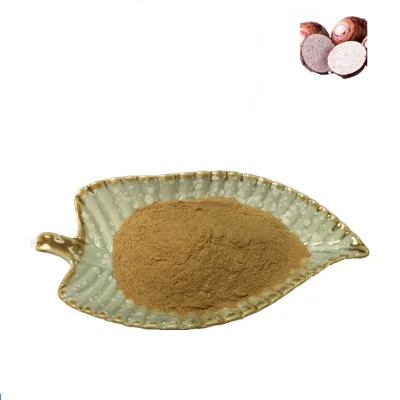
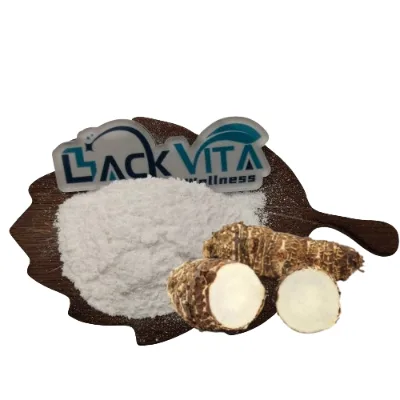
Buyers evaluating wholesale taro root extract powder must first distinguish between generic food-grade ingredients and specialized cosmetic or pharmaceutical extracts. The market listings indicate a primary focus on pale purple powders derived from taro roots, suitable for applications in medicine, health care products, and food manufacturing. Procurement teams should verify that the specific product form matches their intended use, as some listings specify instant powder while others denote raw extract suitable for capsule or tablet formulation.
The observed product attributes reveal a diverse range of packaging options, from bulk drums to small foil bags, which directly impacts logistics planning. Sourcing decisions should account for the variability in particle size, with many suppliers offering 80-mesh specifications that ensure consistent dissolution in beverages or uniform mixing in cosmetic lotions. Buyers must align their order volume with the observed minimum order quantities, which can range from small sample batches to substantial drum loads, to optimize inventory turnover and storage costs.
Product Scope and Observed Listing Signals
The core product category encompasses taro root extract powder characterized by its distinct pale purple appearance and availability in various mesh sizes. Listings consistently highlight the product's origin in China and its classification as food-grade material, though some entries also suggest suitability for cosmetic and pharmaceutical applications. Procurement professionals should scrutinize the specific product name variations, such as "Taro Extract" versus "Wholesale Taro Root Extract Powder," to ensure the supplier provides the exact botanical extract required for their formulation.
Market signals indicate that customization is a standard offering, allowing buyers to request specific packaging formats like bottles, boxes, or drums based on their distribution needs. The presence of logo printing services suggests that many suppliers cater to private label opportunities, enabling brands to create unique product identities. However, buyers must confirm that the customization options do not compromise the integrity of the powder, particularly regarding the preservation of the natural purple color and the stability of the active compounds during the packaging process.
Technical Specifications to Verify
Verification of particle size and mesh count is critical for ensuring the powder integrates correctly into final products, as specifications like 98% passing 80 mesh are common in the listings. Buyers should request detailed assay methods, including UV, HPLC, and HPLC-MS, to confirm the purity and concentration of the taro root extract. These analytical techniques are essential for validating that the product meets the rigorous standards required for food, cosmetic, or medicinal applications, ensuring consistency across different production batches.
Storage conditions and shelf life are equally vital technical parameters that influence product longevity and quality retention. Most suppliers recommend storage in cool and dry places to maintain the stability of the powder, with a typical shelf life of two years observed in the market data. Procurement teams must verify that the packaging, whether it be foil bags, drums, or cartons, provides adequate protection against moisture and light to prevent degradation of the taro root extract during transit and long-term storage.
Compliance and Safety Documentation
Navigating the complex landscape of certifications is essential for sourcing taro root powder that meets international regulatory requirements. The market data indicates a wide array of available certifications, including HACCP, FDA, ISO, BRC, RoHS, Kosher, JAS, OCIA, NOP, QS, and GMP. Buyers must explicitly request proof of these certifications for the specific batch they intend to purchase, as the presence of one certification does not guarantee that all listed standards apply to every product variation or supplier.
Safety documentation must also address the specific grade of the material, which is frequently listed as food grade but sometimes includes cosmetic or pharmaceutical grades. It is imperative to verify that the product certificates, such as Halal or ISO, align with the regulatory framework of the destination market. Procurement teams should ensure that the supplier provides a Certificate of Analysis (CoA) that details the test results for heavy metals, pesticides, and microbial counts to confirm the safety of the powder for human consumption or topical application.
Cost Drivers and Commercial Terms
Pricing for taro root powder is influenced by the grade of the material, the complexity of the extraction process, and the specific packaging requirements chosen by the buyer. The observed price range in the market spans from $1.3 to $1200, reflecting the difference between small sample orders and bulk industrial quantities. Buyers should analyze the cost per unit carefully, considering that higher grades or specialized forms like instant powder may command a premium price compared to standard raw extracts.
Minimum Order Quantity (MOQ) requirements vary significantly, with some suppliers accepting orders as low as 2 units or 2kg, while others may require larger volumes. These commercial terms directly impact the initial capital outlay and the flexibility of the supply chain. Procurement professionals should negotiate terms that balance the need for inventory with the desire to minimize risk, ensuring that the MOQ aligns with the projected sales volume and storage capacity of the purchasing organization.
Supplier Qualification and Quality Control
Establishing a robust supplier qualification process is necessary to mitigate risks associated with product inconsistency and supply chain disruptions. Buyers should prioritize suppliers who demonstrate a clear commitment to quality control through documented testing methods and adherence to international standards like ISO and GMP. The availability of samples is a key indicator of a supplier's confidence in their product, allowing buyers to conduct their own internal testing before committing to a larger purchase order.
Quality control protocols must extend beyond the initial sample approval to include ongoing monitoring of production batches. Suppliers offering customization options should have strict controls in place to ensure that private label requirements, such as specific packaging or logo printing, do not introduce contamination or quality deviations. Procurement teams should request a detailed quality assurance plan that outlines how the supplier manages raw material sourcing, production hygiene, and final product testing to maintain the integrity of the taro root powder.
Long-Term Procurement Checks
Sustaining a reliable supply of taro root powder requires regular audits of supplier performance and product consistency over time. Buyers should establish a schedule for re-verifying certifications and testing results, as regulatory requirements and market standards can evolve. It is crucial to maintain open communication channels with suppliers to address any changes in production processes or raw material sources that could affect the quality or safety of the final product.
Long-term procurement strategies should also include contingency planning for potential supply chain disruptions, such as raw material shortages or logistical delays. Buyers should diversify their supplier base to ensure continuity of supply, while maintaining a close relationship with primary vendors to secure priority access during high-demand periods. Regular review of shelf life and storage conditions is essential to prevent product degradation and ensure that the taro root powder remains fit for its intended application throughout the supply chain.
FAQs
What certifications does the taro root powder have?
The product holds multiple certifications including HACCP, FDA, ISO, BRC, RoHS, Kosher, JAS, OCIA, NOP, QS, and GMP. These ensure compliance with international food safety and quality standards for global distribution and regulatory approval in various markets.
How is the taro root powder packaged for shipment?
Packaging options include foil bags, drums, cartons, and bottles depending on order size. Standard bulk packaging is 25kg per drum, while smaller quantities are available in 1kg or less bags, ensuring product integrity during transit and storage.
What is the minimum order quantity for this extract?
The minimum order quantity starts at 2 units or 2kg depending on the specific supplier listing. This flexible MOQ allows buyers to test the product quality before committing to larger bulk orders for their manufacturing or distribution needs.
Can the product be customized with a specific logo?
Yes, logo printing is available for this taro root powder to meet branding requirements. Customization is offered alongside various packaging formats, allowing businesses to create unique product identities while maintaining the high quality of the pure powder extract.
What is the shelf life of the taro root powder?
The product has a shelf life of 2 years when stored correctly. Buyers should keep the powder in a cool and dry place to maintain its stability, appearance, and efficacy throughout the designated storage period for optimal performance.
Which applications are suitable for this taro extract powder?
This powder is suitable for medicine, health care products, food, and cosmetics applications. It can be processed into capsules, tablets, pastes, lotions, and other forms, making it versatile for various industries requiring high-grade food or cosmetic ingredients.