Long Range Pull-Out Water Gun Suppliers and Manufacturers
Explore 29 verified options for long range pull-out water gun suppliers and manufacturers in Guangdong, China. Compare response times, lead times, certifications, and pricing to find the right partner. Contact suppliers directly to request quotes and verify product specifications; review the available evidence before requesting comparable quotations from suitable candidates.
Updated
Suppliers List
Shantou Kouyikou Toys Co., Ltd.
- Manufacturer, Trading Company
- Guangdong, China
- Lead time15 days
- Avg. response≤ 2h
Main productsMake Up Toys, Remote Control Toys, Toy Guns, Educational Toys, PCB For Toys
Main marketsSouth America(40.00%), North America(20.00%), Eastern Europe(20.00%), Southeast Asia(20.00%)
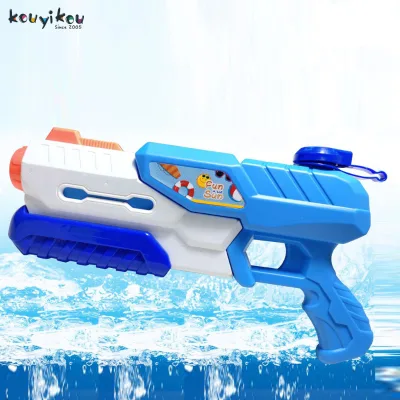
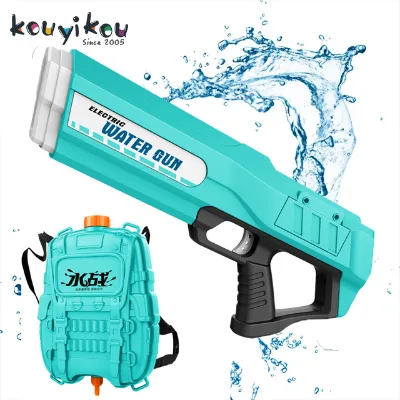
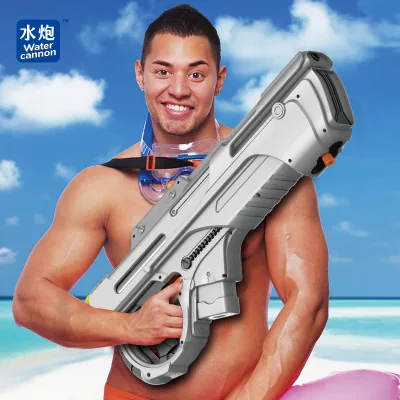
$87.1553 - $91.2556
MOQ: 6 boxes
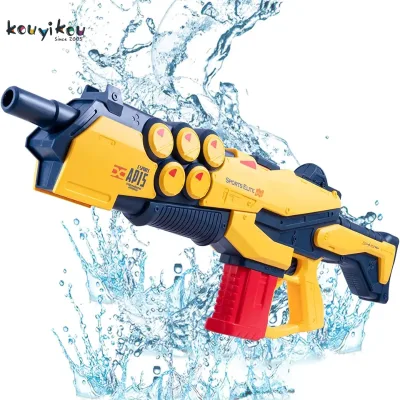
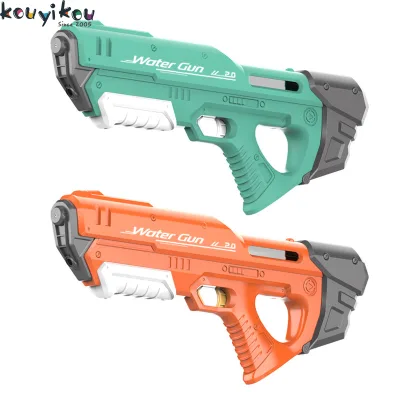
Electric Water Gun for Adults 800ML Squirt Gun Water Gun High Capacity Super Soaker Water Toys
$9.6631 - $10.0883
MOQ: 60 boxes
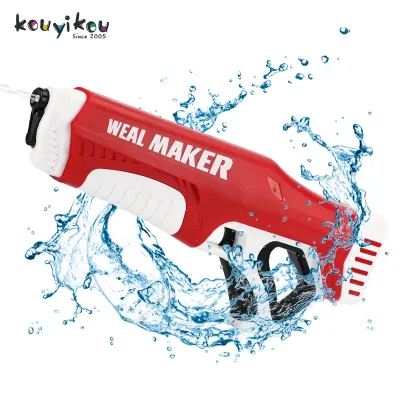
$5.2919 - $11.2799
MOQ: 12 Minimum

- Verified by SGS
- Trading Company
- China Zhejiang
- Lead time0 days
- Avg. response≤ 12h
Main productsTents, BBQ Grill, Luggage, Kids Toy, Fitness Equpments, Cookware, Kitchen Utensils and Gadgets, Yoga Mat, Bathroom Rugs, Pets Items
Main marketsSouth America,Eastern Europe,Mid East,North America,Southeast Asia,Eastern Asia,Oceania,Western Europe,Africa


Large Capacity Pump and Pull Water Toy Gun for Outdoor Beach and Water in Summer
$1.06 - $1.08
MOQ: 3000 Pieces

Long Range High Capacity Squirt Toy Guns for Summer Swimming Pool Beach Outdoor Water Fighting
$1.90 - $1.92
MOQ: 3000 Pieces

Shantou Chenghai Pengcheng Toy Ind. Co., Ltd.
- Verified by BV
- Combined
- China Guangdong
- Lead time23 days
- Avg. response≤ 6h
Main productsToys, Plastic Toy, Baby Toy, RC Toy, Educational Toys, Toy Car, Doll, RC Toys, Ride on Car, RC Helicopter
Main marketsSouth America,Africa,Southeast Asia/ Mideast,East Asia(Japan/ South Korea),Europe,Australia,North America


$6.23 - $6.86
MOQ: 120 Sets

Guangdong Banatoys Co., Limited
- Verified by SGS Group
- Manufacturer, Trading Company
- Guangdong, China
- Lead time20 days
- Avg. response≤ 6h
Main productsBeach Toy, Educational Toys, Science Toys, Pretend Toys, Building Block
Main marketsNorth America(20%), Western Europe(20%), South America(10%)
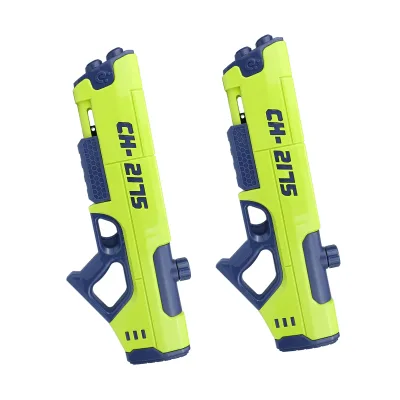
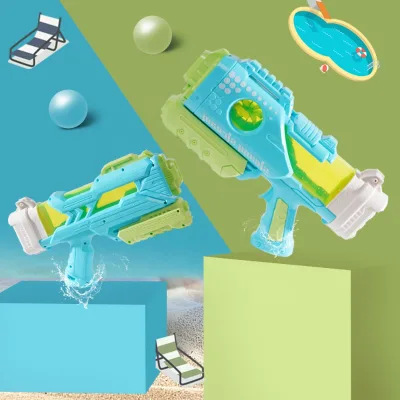
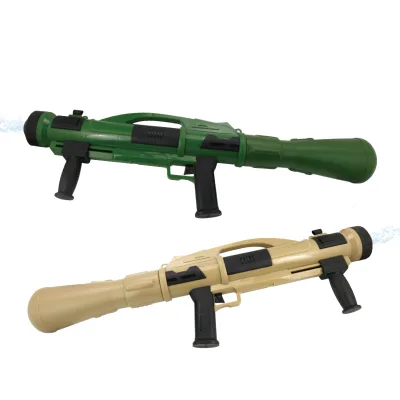
Hot Selling Water Gun 1100ml 8-9MeterS 2 Colours Large Capacity for Kids
$2.4611 - $2.8608
MOQ: 160 sets

Shantou Kaixin Trading Co., Ltd
- Verified by BV
- Manufacturer
- China Guangdong
- Lead time23 days
- Avg. response≤ 6h
Main productsToy, Educational Toy, Remote Control Toy, Pretend Play Toy Set, Summer Toy, Vehicle Toy, Doll, Promotion Toy, Baby Toy, Game Toy
Shantou Beibeijia Trading Co., Ltd.
- Verified by CTI
- Trading Company
- China Guangdong
- Lead time23 days
- Avg. response≤ 10h
Main productstoy
Main marketsSouth America,Eastern Europe,Mid East,North America,Southeast Asia,Eastern Asia,Oceania,Western Europe,Africa
Guangzhou Baolilong Toys Trading Co., Limited
- Trading Company
- Guangdong, China
- Lead time45 days
- Avg. response≤ 7h
Main productspromotion toys,dollar chain shop toys,OEM and ODM,candy toy,capsule toy
Main marketsNorthern Europe(35.00%), Mid East(25.00%), Eastern Europe(25.00%), South Asia(10.00%), South America(5.00%)
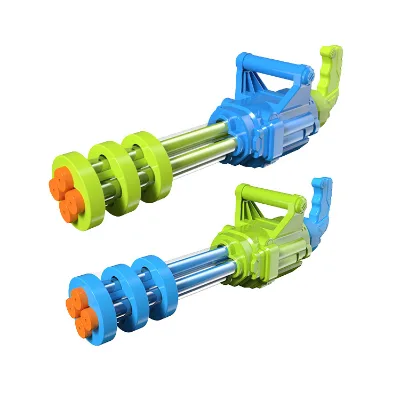
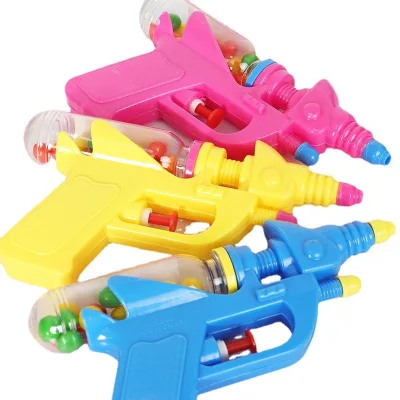
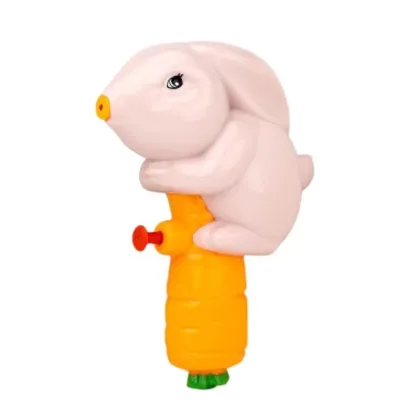
Gatling Water Gun Pull Water Gun Pull Water Gun Toy Summer Water Gun Play Water Gun
$1.1542
MOQ: 5000 Minimum
Shantou Chengzhong Toys Co., Ltd.
- Trading Company
- Guangdong, China
- Lead time0 days
- Avg. response≤ 8h
Main productsRC Toy,Drone,Bathroom Toys,Gun Toy
Main marketsNorth America(50.00%)
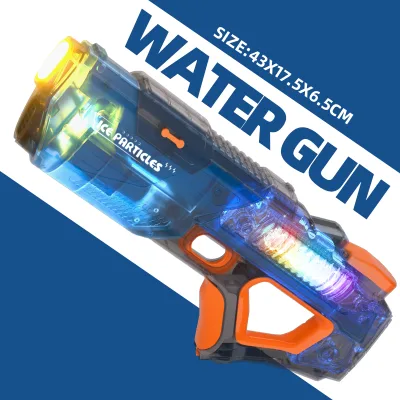
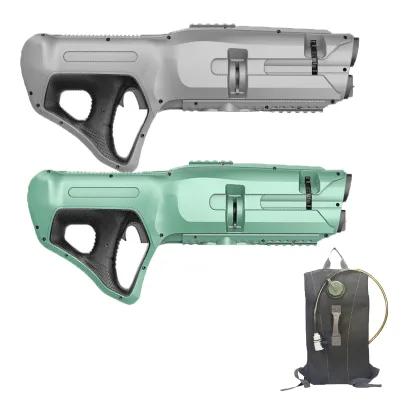
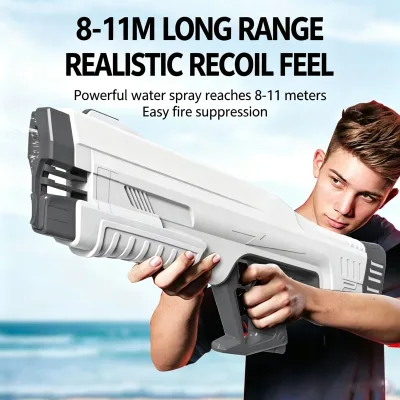
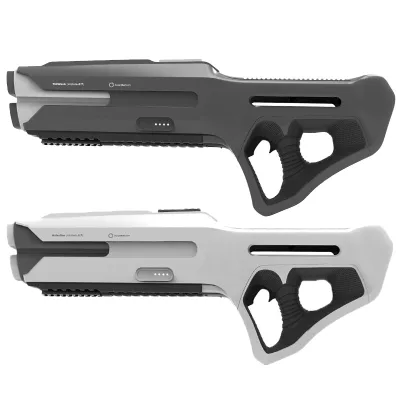
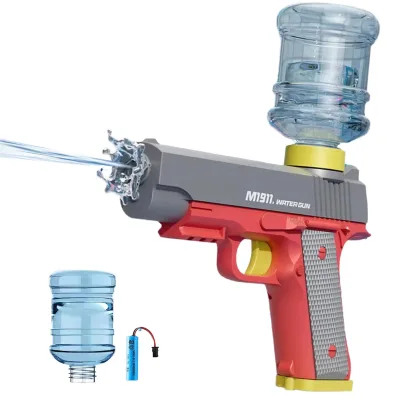
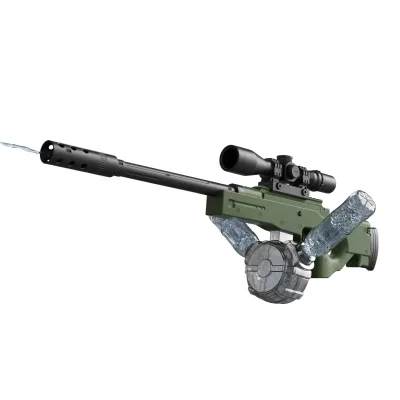
Waterbullit Automatic Electric Water Gun Adult Water Fights High-pressure Water Gun
$82.6509 - $90.9158
MOQ: 1 pieces
Shantou Chenghai Jisheng Toy Firm
- Verified by TüVRheinland
- Trading Company
- Guangdong, China
- Lead time15 days
- Avg. response≤ 4h
Main productsEducational Toys, RC Toys, Building Block Toys, Play House Toys, Baby Toys
Main marketsNorth America(50%), Western Europe(20%), South America(15%)
Shenzhen Aidisheng Trading Co., Ltd.
- Trading Company
- Guangdong, China
- Lead time15 days
- Avg. response≤ 2h
Main productsRC Airplanes,Toy Guns,Fidget Toys,RC Cars,Cosmetic Toys
Main marketsNorth America(30.00%), Africa(10.00%), Southern Europe(10.00%), Southeast Asia(10.00%), Eastern Europe(10.00%), Western Europe(10.00%), South America(10.00%), Mid East(4.00%), Oceania(4.00%), Northern Europe(2.00%)
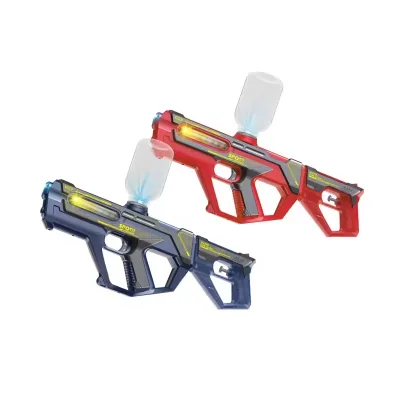
$3.7874 - $4.6437
MOQ: 3 pieces
Shantou Maxland Trading Co., Ltd.
- Verified by SGS Group
- Trading Company
- Lead time15 days
- Avg. response≤ 4h
Main productsPlayhouse Toys, Remote Control Toys, Baby Toys, Educational Toys, Sport Toys
Main marketsMid East(30%), South America(10%), Eastern Europe(10%)

Shantou Chenghai Xaqi Toys Industrial Co., Limited
- Verified by BV
- Combined
- China Guangdong
- Lead time23 days
- Avg. response≤ 5h
Main productsRemote Control Car, Educational Toy, Sport Toy, Pretend Play Toys, Remote Contro Toy, Baby Toy, Summer Toy, B/O Toy
Main marketsSoutheast Asia/ Mideast,Domestic,Europe

Shantou Chenghai Jiuyi Toy Factory
- Verified by BV
- Combined
- China Guangdong
- Lead time15 days
- Avg. response≤ 1h
Main productsDrone
Main marketsSouth America,Africa,Southeast Asia/ Mideast,Europe,Australia,North America


$20.40 - $22.60
MOQ: 24 Pieces

Outdoor Toys Shooting Gun Powerful 1350ml Big Capacity Automatic Suction Electric Water Gun for Kids
$8.20 - $8.80
MOQ: 20 Pieces


Shantou Baishuntong Trading Co., Ltd.
- Verified by CTI
- Trading Company
- China Guangdong
- Lead time15 days
- Avg. response≤ 5h
Main marketsDomestic
Shantou Chengji Toys & Gifts Co., Ltd.
- Verified by TüVRheinland
- Manufacturer, Trading Company
- Guangdong, China
- Lead time5 days
- Avg. response≤ 4h
Main productsPretend Play Toys, Outdoor Toys, Baby Toys, Educational Toys, Gun Toys
Main marketsNorth America(12%), Southeast Asia(12%), Mid East(12%)
Xi'an Cowrie Import And Export Trading Co., Ltd.
- Trading Company
- Shaanxi, China
- Lead time7 days
- Avg. response≤ 1h
Main productsPlush toys,Gun Toys,Car toys,Puzzle toys,Electric toys
Main marketsNorth America(19.00%), South America(11.00%), Domestic Market(10.00%), Southeast Asia(10.00%), Eastern Europe(10.00%), Africa(9.00%), Oceania(9.00%), Mid East(8.00%), Eastern Asia(5.00%), Central America(3.00%), Western Europe(2.00%), Northern Europe(2.00%), Southern Europe(1.00%), South Asia(1.00%)
SHANTOU BHX TECHNOLOGY CO., LTD.
- Verified by SGS Group
- Manufacturer, Trading Company
- Guangdong, China
- Lead time5 days
- Avg. response≤ 3h
Main productsBaby Toy, Radio Control Toy, Play Set Toy, Outdoor Toy, Educational Toy
Main marketsNorth America(15%), South America(10%), Mid East(10%)

Shantou XIQI Plastic Products Co., Ltd.
- Verified by SGS
- Manufacturer
- China Guangdong
- Lead time15 days
- Avg. response≤ 3h
Main productsToys Gift Electrical Equipment Household Effe
Main marketsEast Asia(Japan/ South Korea),Europe,North America
Shantou Dihua Trading Co., Ltd.
- Verified by TüVRheinland
- Manufacturer, Trading Company
- Lead time30 days
- Avg. response≤ 23h
Main productsRemote Control Toys, Educational Toys, Baby Toys, Outdoor Toys, Pretend Play Toys
Main marketsWestern Europe(20%), Eastern Europe(17%), North America(15%)

- Verified by TUVRHEINLAND
- Combined
- China Guangdong
- Lead time15 days
- Avg. response≤ 19h
Main productsGun Toys, Child Toy, Baby Toy, Sport Toy, Outdoor Toys, Educational Toy, RC Toy, Plastic Toy
Main marketsDomestic,Europe,North America


New Style Summer Outdoor Big Water Spray Gun Toy High Pressure Powerful Water Gun for Kids
$0.80 - $0.90
MOQ: 288 Pieces


Summer Water Gun Toys Plastic Pressure Water Gun Outdoor Toy Water Guns for Kids
$4.98 - $5.52
MOQ: 120 Pieces


2024summer New Pump and Shoot Water Gun 800ml Plastic Water Spray Guns Air Pressure Water Gun
$1.67 - $1.88
MOQ: 300 Pieces
Shantou Chenghai Huanuo Intelligent Technology Co., Ltd.
- Manufacturer, Trading Company
- Guangdong, China
- Lead time30 days
- Avg. response≤ 10h
Main productsGirl Make Up Toys,Girl princess toys,Building Blocks Toys,Pretend Play Toys,Kids Toys
Main marketsNorth America(50.00%), Domestic Market(10.00%), Southern Europe(10.00%), Western Europe(10.00%), Oceania(5.00%), Eastern Europe(5.00%), Northern Europe(5.00%), South America(5.00%)

Shantou Hengzhi Trading Co., Ltd.
- Trading Company
- Guangdong, China
- Lead time20 days
- Avg. response≤ 8h
Main productsToys
Main marketsMid East(40.00%), Eastern Europe(30.00%), South Asia(10.00%), Southeast Asia(5.00%), Northern Europe(5.00%), Western Europe(5.00%), North America(5.00%)
- Verified by TüVRheinland
- Manufacturer, Trading Company
- Lead time20 days
- Avg. response≤ 5h
Main productsEducational Toys, Baby Toys, Remote Control Toys, Summer Toys, Outdoor Toys
Main marketsNorth America(21%), Western Europe(20%), South America(10%)
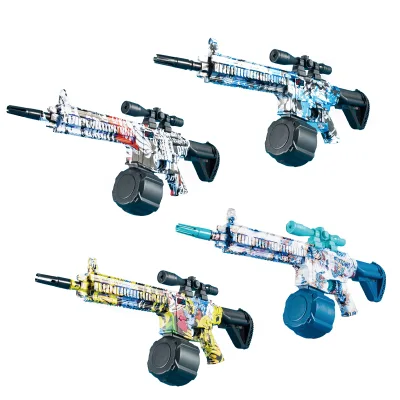
600ml Long-range Shooting Kids Electric Automatic High Pressure Water Spray Gun Toy
$7.8817 - $8.1078
MOQ: 120 pieces
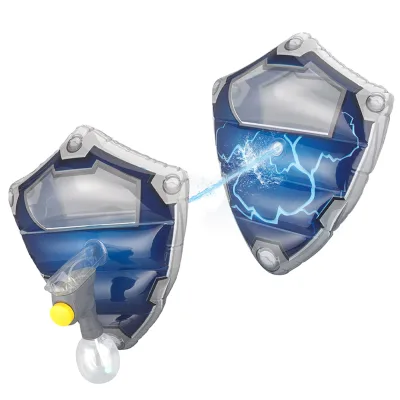
450ml Shooting Funny Electric Automatic Inflation Water Gun Toy for Kids
$4.0793 - $4.1931
MOQ: 240 pieces

- Verified by TUVRHEINLAND
- Trading Company
- China Zhejiang
- Lead time15 days
- Avg. response≤ 7h
Main marketsEurope


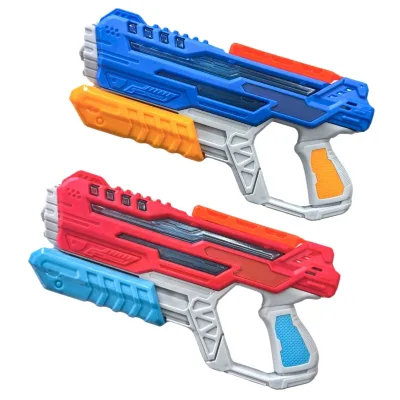
Hot Medium Water Blaster (2 Pack) - Fast-Fill Water Gun, Fills in 1 Second!
$5.00 - $6.00
MOQ: 5 Pieces
Shantou Qiaobai Toys Co., Ltd.
- Verified by SGS Group
- Trading Company
- Lead time30 days
- Avg. response≤ 3h
Main productsEducational Toys, Pretend Play, Baby Toys, Blocks Building Toys, Puzzle
Main marketsEastern Europe(25%), North America(20%), Eastern Asia(20%)
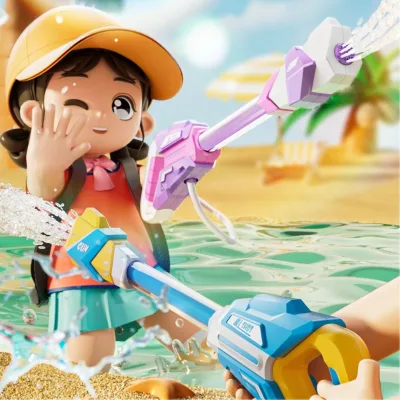
$3.6991 - $6.3024
MOQ: 60 Minimum
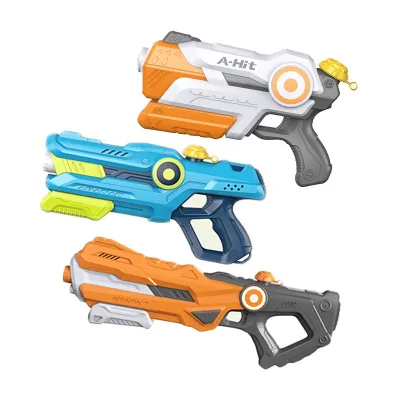
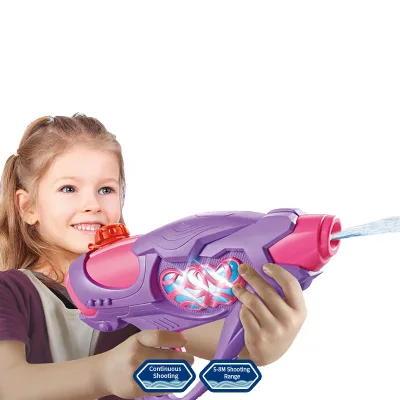
2023 NEW Summer Play Outdoor Electric Water Gun High Pressure for Adult Light up 450ml for Girl
$3.8712 - $7.3024
MOQ: 72 Minimum
- Verified by SGS Group
- Trading Company
- Lead time15 days
- Avg. response≤ 3h
Main productsPlastic Toys, RC Cars, Sport Toys, Sand Beach Toys, Pretend Play Toys
Main marketsWestern Europe(84%), North America(5%), Eastern Europe(2%)
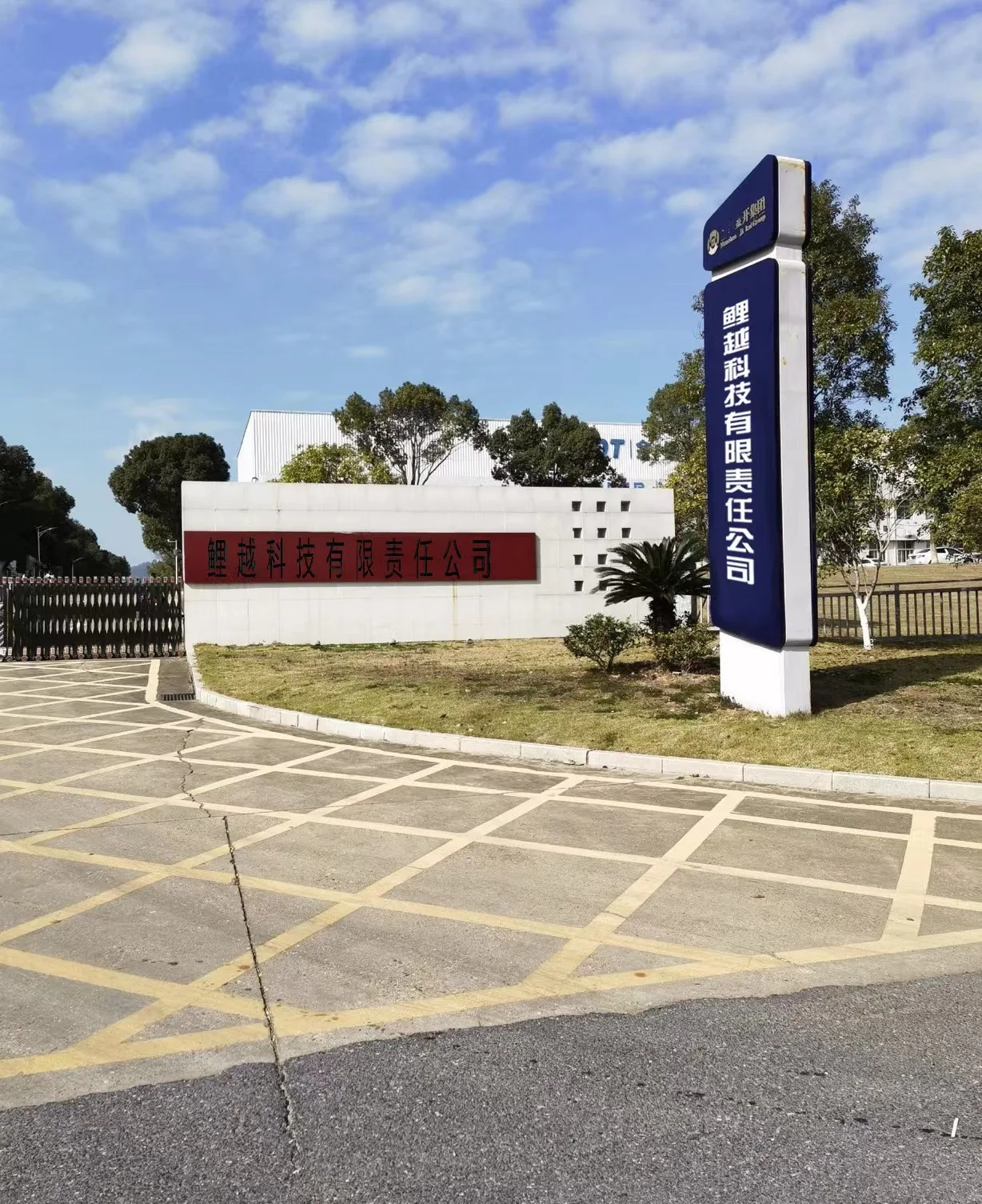
Hulunbuir Liyu Technology Co., Ltd.
- Trading Company
- Inner Mongolia, China
- Lead time10 days
- Avg. response≤ 4h
Main productsstuffed animal toys,Plush key chain,action figures,toys,Plush throw pillow
Main marketsNorth America(60.00%)
Shantou Changxi Trading Co., Limited
- Trading Company
- Guangdong, China
- Lead time20 days
- Avg. response≤ 5h
Main productsEducational toys,Outdoor Toys,Pretend Play Toys,Baby Toys,Remote-controlled toys
Main marketsWestern Europe(25.00%), North America(20.00%), South America(15.00%), Northern Europe(5.00%), Domestic Market(3.00%), South Asia(3.00%), Oceania(3.00%), Southeast Asia(2.00%)
- Verified by TüVRheinland
- Trading Company
- Lead time35 days
- Avg. response≤ 5h
Main productsEducational Toys, Gun Toys, Outdoor Toys, Car Toys
Main marketsWestern Europe(20%), North America(10%), South America(10%)
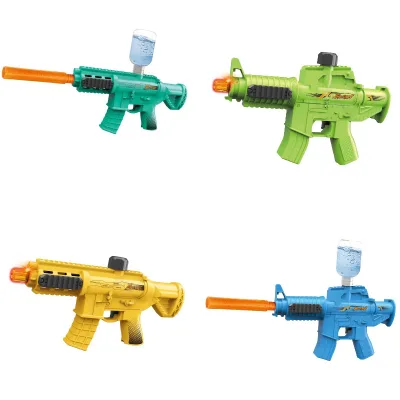
$3.1796 - $4.8712
MOQ: 2 Minimum
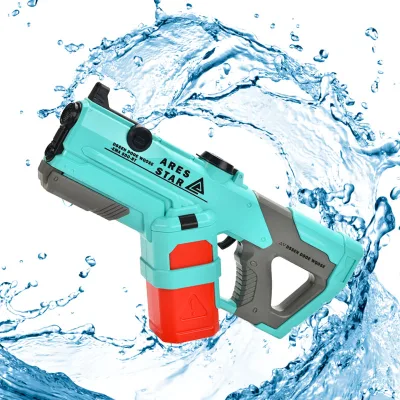
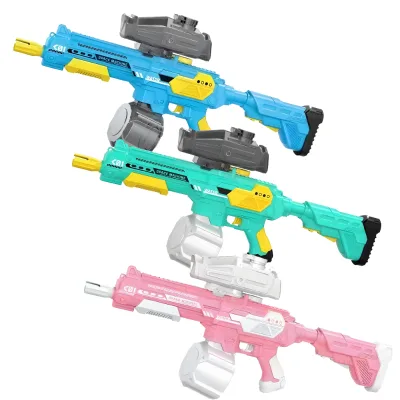


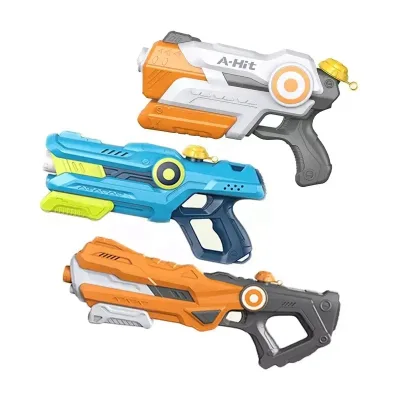
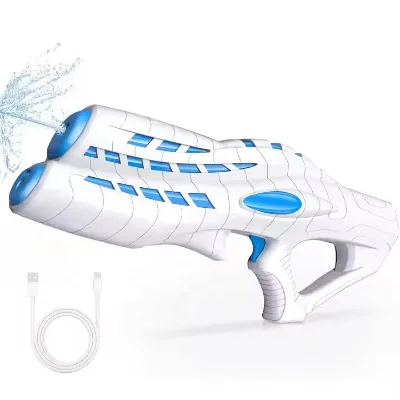
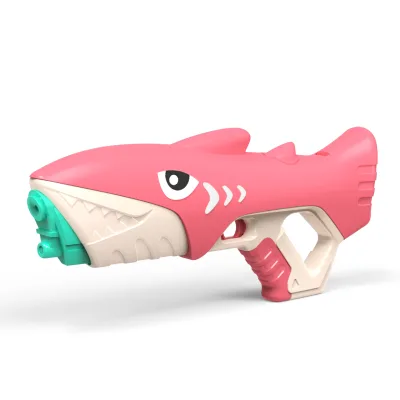
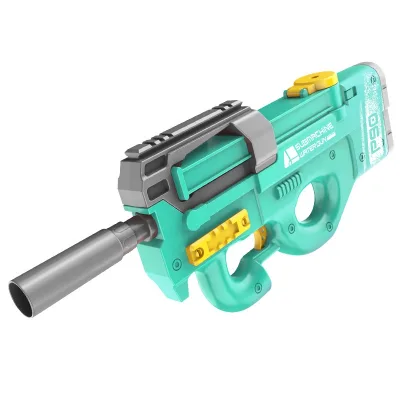
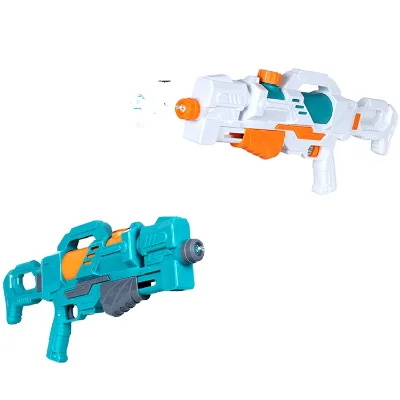


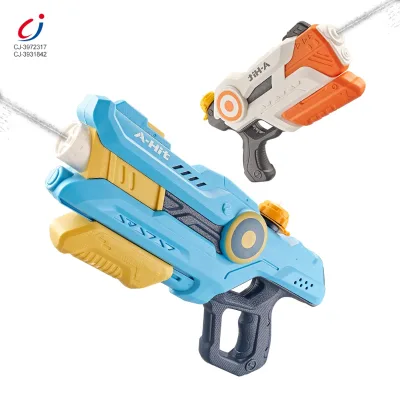
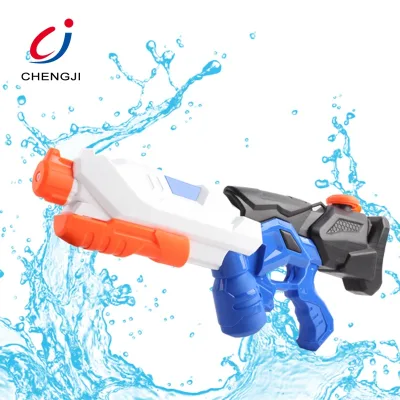
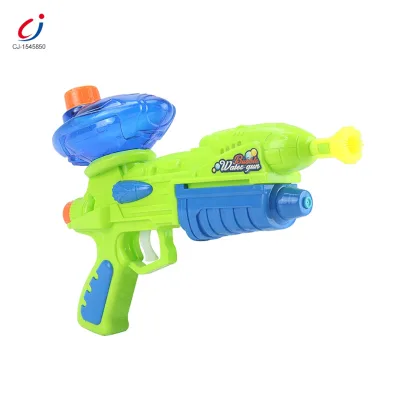
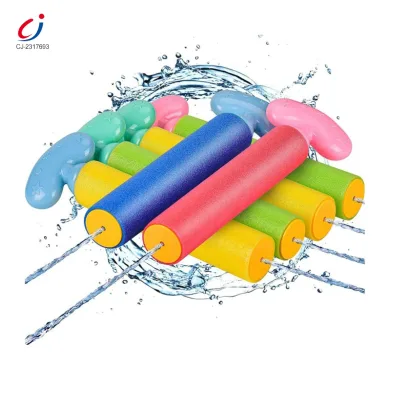
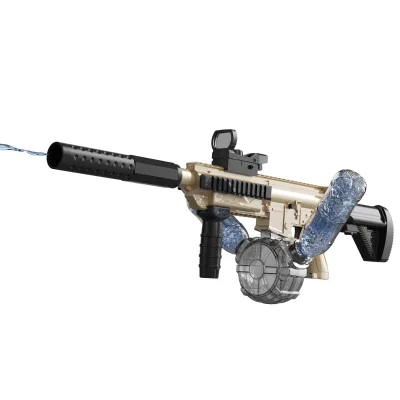
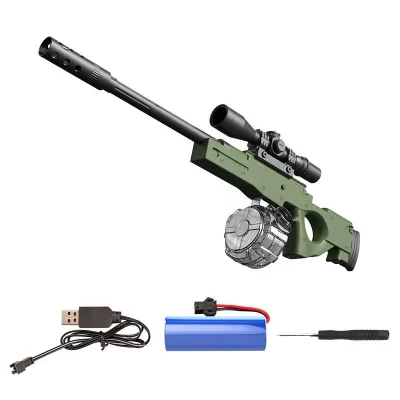
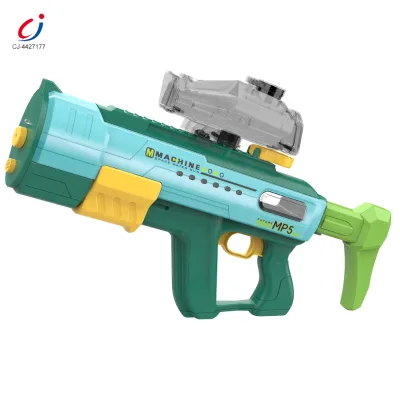
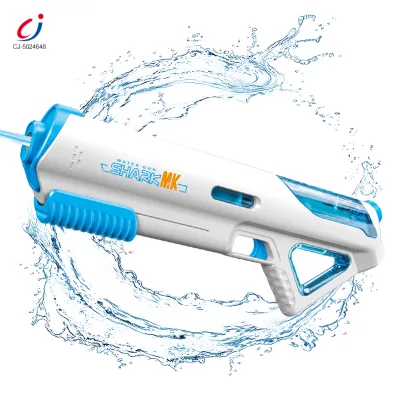


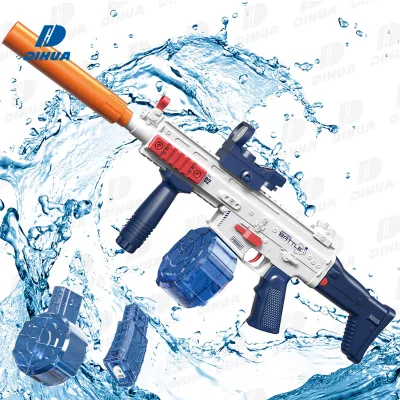
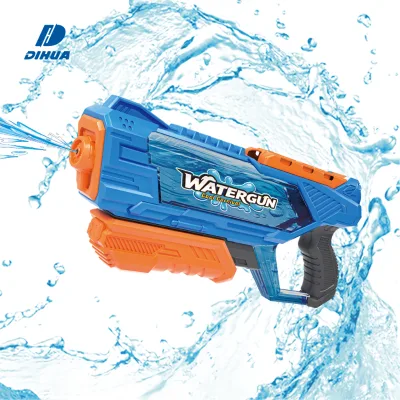
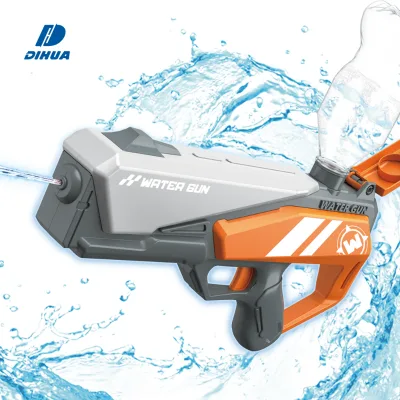
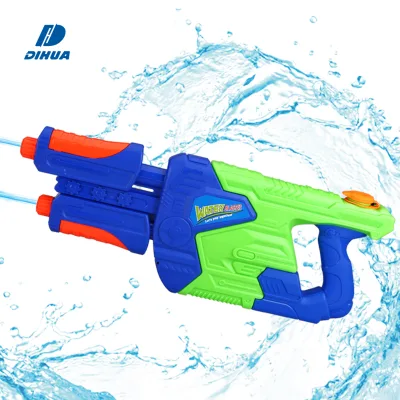
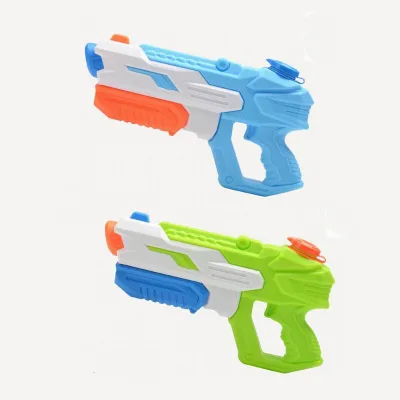
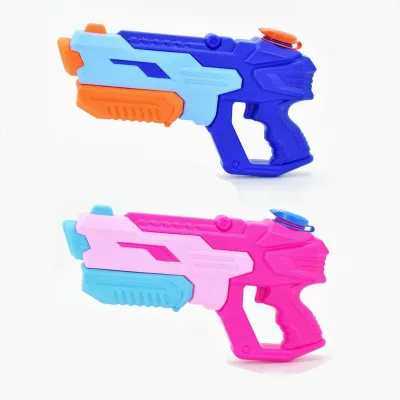
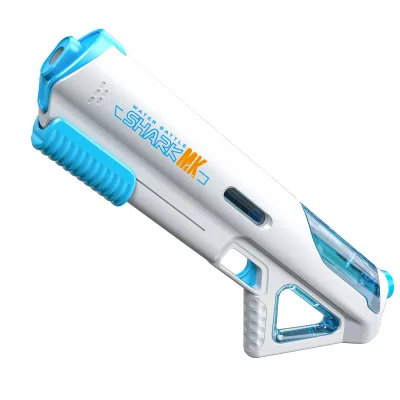
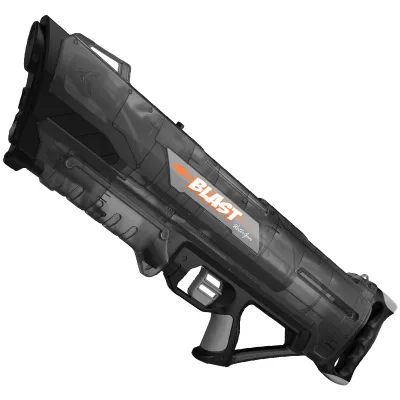
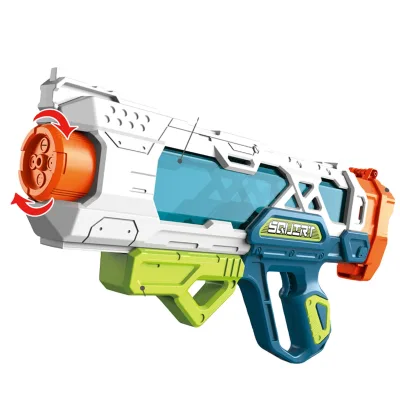
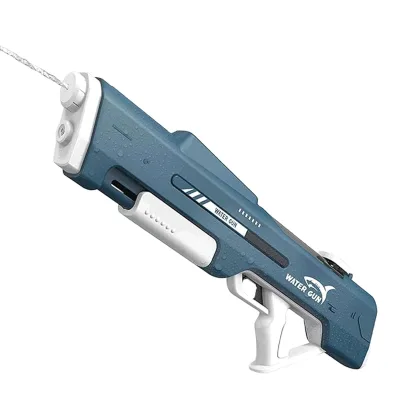
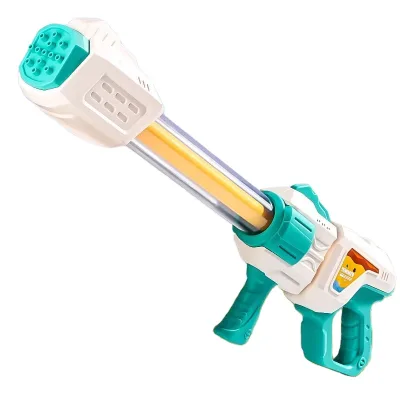
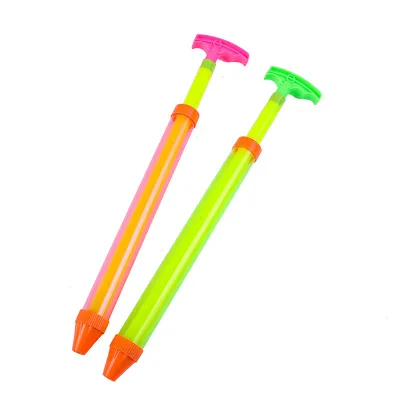
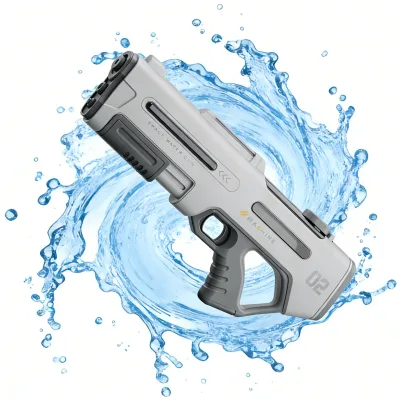
Comprehensive Sourcing Guide
Long Range Pull-Out Water Gun Supplier Concentration and Factory Types
Buyers researching long range pull-out water guns will encounter suppliers concentrated in Guangdong, China, a region that appears directly in supplier location records and in product origin attributes for water gun listings. Guangdong is also a manufacturing base for broader toy categories, with supplier main-product lines that include make-up toys, remote control toys, toy guns, educational toys and PCB for toys, which signals an ecosystem that can support both the plastic housing and the electronic pump components these products require. Because the same region supplies manual pull-out style guns and electric high-capacity models, buyers can often consolidate related SKUs with a single source, though consolidation decisions should follow verification rather than convenience.
Supplier types in this category split between manufacturers and trading companies, and many listings show both labels. A manufacturer may offer tighter control over molding and assembly, while a trading company can aggregate models from several factories, which is useful when a buyer wants to compare a low-cost manual pull-out gun against a premium electric super-soaker style item in one order. Product records show brands tied to these listings, port of dispatch entries naming Shantou and Shenzhen, and carton-level detail such as units per carton and carton dimensions. Before committing, confirm whether the entity holding the listing actually produces the gun or sources it, because that distinction changes sampling speed, quality accountability and the practical minimum order quantity you will be quoted.
How to Verify Long Range Pull-Out Water Gun Suppliers
Verification should begin with the attributes a listing displays and end with independent confirmation. In this category, supplier records show system certifications including CE and CPC, which matter because water guns sold to families and children typically face toy safety requirements in destination markets. Treat displayed certifications as a starting point rather than proof: request the actual certificate documents, check that the certificate scope covers the specific gun model and that the issuing body and expiry date are visible. Product origin attributes list Guangdong, China, and model numbers such as ZK-prefixed codes or S-series codes appear in listings; use those model numbers when requesting matching test reports so the paperwork references the exact item.
Beyond paperwork, verify operational reality. Response time figures in supplier results show values as low as two hours, but a fast reply is not a substitute for a factory audit or a video walkthrough of molding, assembly and leak-testing lines. Ask how the pull-out mechanism and, for electric models, the automatic pumping and battery systems are tested before shipment. Request a physical sample of the exact model number quoted, not a similar gun, and inspect trigger travel, seal integrity and range claims in person. Confirm whether the supplier is a manufacturer or trading company through business registration documents, and cross-check the stated port of dispatch, such as Shantou or Shenzhen, against their logistics answers. Any attribute you intend to rely on commercially should be validated before the first deposit.
What to Compare Across Long Range Pull-Out Water Gun Suppliers
Build a comparison table from the dimensions visible in supplier data, but never assume every supplier displays the same attributes. Comparable fields include location, supplier type, main products, response time, lead time, certifications, establishment year and whether transactions are protected through escrow. In current results, response times as low as two hours appear, lead times around fifteen days appear, and locations cluster in Guangdong. Where an establishment year or escrow status is missing from a listing, record it as unknown and ask the supplier directly rather than treating absence as a negative or filling the gap with an assumption.
Then compare at the product level, because category-level labels hide wide differences. One manual pull-out style spray gun lists at roughly 1.35 dollars per unit with a 288-piece minimum, while electric models range from under six dollars to above eleven dollars with minimums of two, twelve or sixty pieces, and a high-powered adult electric model reaches the high eighties to low nineties per unit with a six-piece minimum. These gaps reflect capacity, pump type and target age range, so normalize comparisons by feature class. Also compare packing data, since listings differ sharply: one model packs 96 pieces per carton in a 74 by 45 by 99 centimeter carton, while another packs six pieces per carton. Freight cost per unit depends on that ratio, so identical product prices can produce very different landed costs.
Common Long Range Pull-Out Water Gun Sourcing Risks
The most frequent risk in this category is conflating listing data with contract terms. A displayed price such as 1.35 dollars for a manual pull-out gun or a range of 8.40 to 11.15 dollars for an electric model is typically a reference price tied to a specific quantity, and the final quotation can move with order volume, packaging and exchange rates. Minimum order quantities also vary enormously, from two pieces on some electric models to 288 on a beach-oriented spray gun, so a buyer planning an assortment must check each SKU individually. Another risk is specification drift: model numbers like ZK202307487, ZK2022120299, ZK20230320 or S580 identify exact configurations, and substituting a visually similar model can change capacity, range and age grading.
Compliance risk deserves equal attention. Listings show CE and CPC system certifications, but a certificate attached to a supplier profile may not cover the specific gun, and electric models with batteries add requirements that a manual pull-out gun does not carry. Water-contact components, seal quality and pumping mechanisms can fail in ways that only appear after sampling, so skipping pre-shipment inspection is a common and costly error. Logistics risks follow from packing data: a 96-piece carton at roughly 21 kilograms gross behaves very differently in a container plan than a six-piece carton at 15 kilograms, and miscounted carton dimensions invalidate freight quotes. Finally, fast two-hour response times can mask thin after-sales support, so agree on defect handling and spare-part policy in writing before production.
Long Range Pull-Out Water Gun Regional Sourcing and Logistics
The logistics picture for this category is anchored in Guangdong, China, which appears both as the supplier location and as the stated place of origin in product attributes. Listings also name Shantou and Shenzhen as ports of dispatch, which is practical information for planning ocean freight: Shantou sits close to the toy manufacturing belt, while Shenzhen offers deep-water capacity and extensive sailing schedules. When comparing suppliers, ask which port each shipment will actually leave from, because inland trucking distance to the port affects both cost and schedule, and a fifteen-day production lead time can be extended by port congestion or holiday closures at either origin.
Carton-level data in the listings shows why freight planning must be product-specific. A manual pull-out spray gun packs 96 pieces per carton in a 74 by 45 by 99 centimeter carton with a gross weight of about 21 kilograms, meaning volume utilization is excellent and per-unit freight is low. Electric models pack 24, 12 or even 6 pieces per carton, and the high-powered adult model ships in window boxes that inflate volume relative to value. Calculate cubic meters per unit for every SKU before requesting freight quotes, and confirm whether quoted prices include export packaging. For buyers outside the region, ask suppliers for a dispatch-ready schedule that separates production days from booking days, since a fifteen-day lead time typically refers to production only and does not include vessel allocation or transit.
Long Range Pull-Out Water Gun Commercial Terms and Order Planning
Order planning should start from the observed spread in commercial terms. Minimum order quantities in this category run from two pieces on certain electric water guns to 288 pieces on a manual pull-out beach spray gun, so a mixed assortment is feasible even for a small buyer, but each SKU must be planned against its own threshold. Prices are equally fragmented: manual spray guns near 1.35 dollars, mainstream electric models between roughly 5.29 and 11.28 dollars, an 800-milliliter electric model around 9.66 to 10.09 dollars, and a high-powered adult model above 87 dollars. Build your budget by feature class rather than category average, and reconfirm prices in writing because displayed values can lag market movement.
Payment and protection terms should be settled before sampling. Where a platform offers escrow or trade assurance, use it for the first orders, and confirm which protections apply since not every listing displays the same coverage. Match payment milestones to verified checkpoints: a deposit after sample approval, a balance after inspection of packed goods against the agreed carton configuration and model numbers. Use the fifteen-day lead time figure seen in some listings as a negotiation benchmark, not a guarantee, and add buffer for seasonal water-toy demand peaks. Finally, confirm customization scope in writing; at least one listing states that customized logos are accepted, but artwork approval, tooling cost and unit-price impact must each be documented before production begins.
FAQs
What is the price range for long range pull-out water guns?
Prices for these toys typically range from approximately $1.35 to over $91 per unit depending on the model and features. Basic manual pull-out types are available at the lower end, while high-powered electric automatic versions command higher prices. Buyers should check specific product listings for exact pricing tiers based on order volume.
What is the minimum order quantity for these water guns?
Minimum order quantities vary significantly by product type. Manual beach toys often require orders of 288 pieces, while electric models may start at just 2 units. Some high-capacity automatic guns have an MOQ of 6 pieces, and other electric variants require 60 or 12 pieces. Always verify the specific MOQ for the model you intend to purchase.
Where are these water guns manufactured?
These toys are manufactured in Guangdong, China. This region is a major hub for plastic toy production, offering extensive supply chains for materials like plastic and electronic components. Buyers sourcing from this location can expect access to a wide variety of designs, from simple manual sprayers to complex electronic water blasters with long-range capabilities.
What certifications do these toys have?
Manufacturers typically hold CE and CPC system certifications for these products. These certifications indicate compliance with safety standards for children's toys in various markets. Buyers should request valid test reports and certificates to ensure the specific items meet the regulatory requirements of their destination country before placing large orders.
How long does production take for these items?
The standard lead time for production is approximately 15 days. This timeframe allows for manufacturing, quality control, and packaging preparation. Buyers should confirm this timeline with the supplier, as rush orders or custom branding may extend the production period. Planning for this lead time is essential for timely delivery before peak seasons.
What is the supplier response time?
Suppliers generally respond to inquiries within 2 hours. This quick response time facilitates efficient communication regarding pricing, customization, and shipping details. Buyers can expect prompt replies to their initial questions, allowing for faster decision-making and smoother negotiation processes throughout the sourcing journey.