Source Toy Guns for Play, Education, and Collecting
Source 30 Toy Gun options from Guangdong, China, featuring plastic and alloy materials. Compare models like DK00111906 and DK01112893 with certifications including ASTM, EN71, and CPSIA for safe, age-appropriate electronic and soft bullet games; compare the available evidence and request quotations based on your requirements.
Updated
Key considerations
Products List

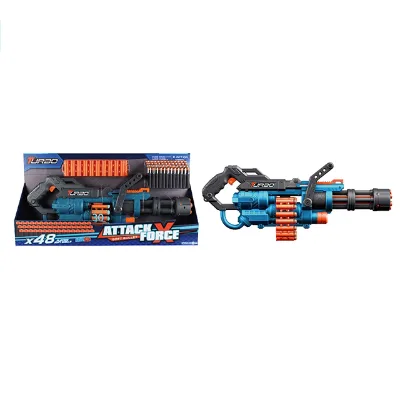
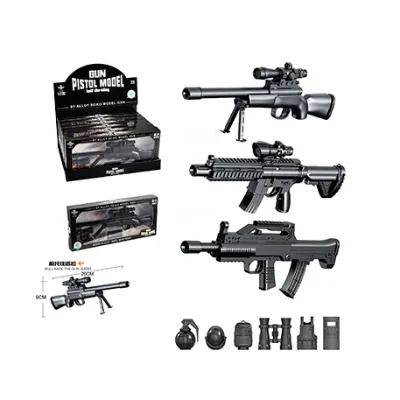
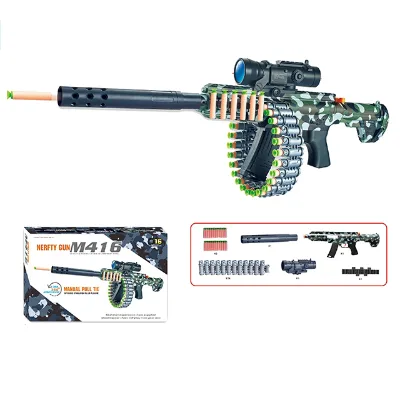
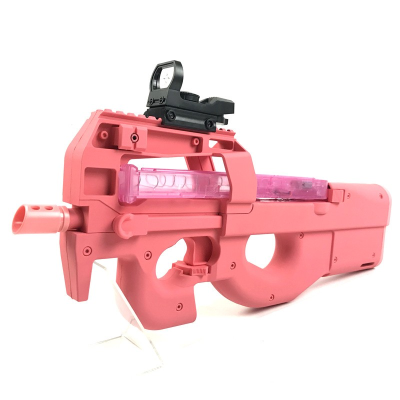
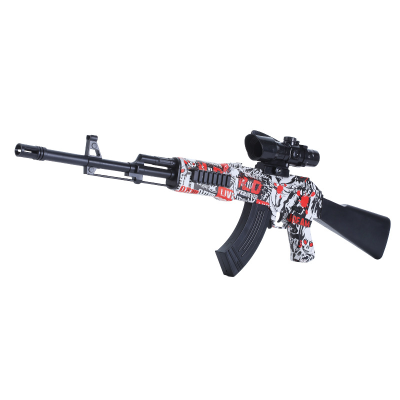
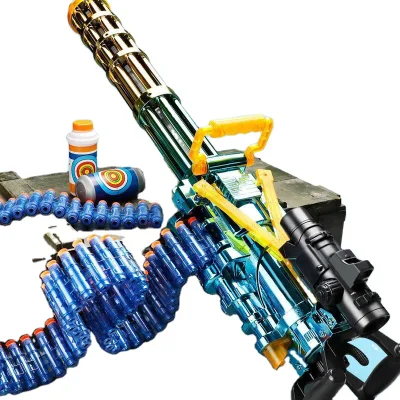
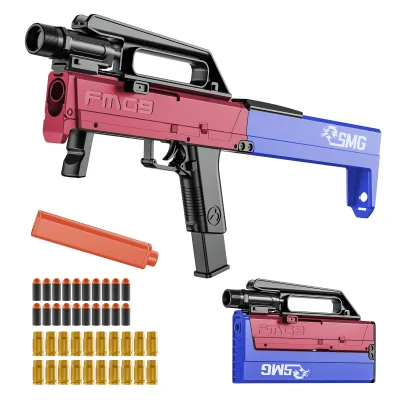
2023 New Fengjiasheng Toy Gun Laser Training Model Toy Gift Toys Gun
$32.8786 - $45.2079
MOQ: 2 pieces
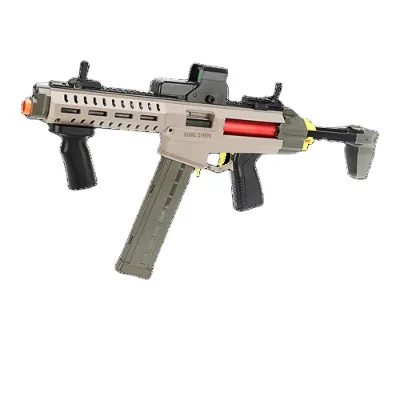
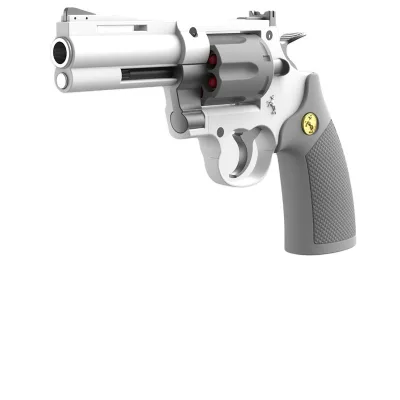


Operated Plastic Gun Toy with Light & Sound Kids of Plastic Kids Toy Gun
$2.10 - $2.30
MOQ: 100 Pieces


Soft Gun Toy Set with Soft Bullets with Safe Soft Bullets for Kids Toys Gun
$6.32 - $6.65
MOQ: 100 Pieces


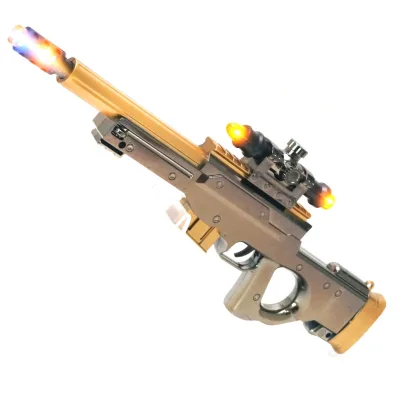
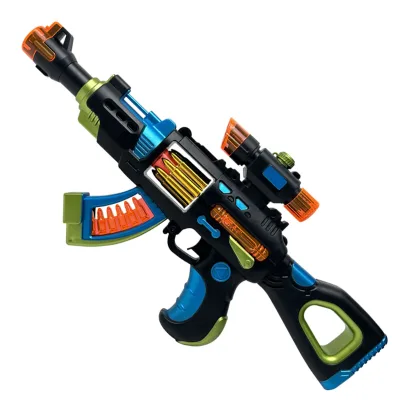
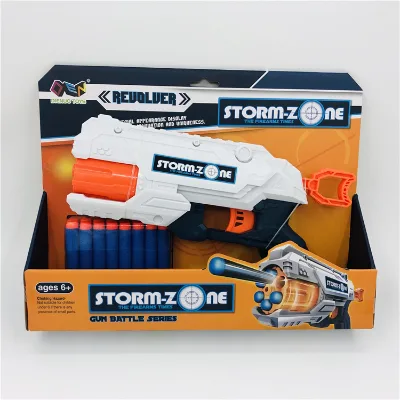

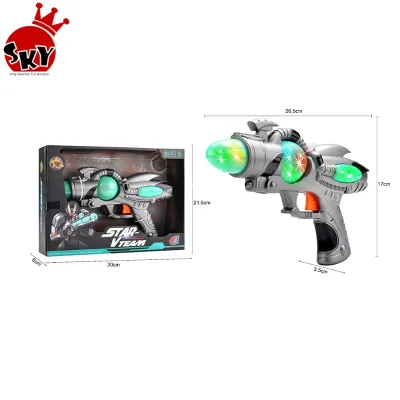

Popular Laser Tag Set of 2 Toy Guns
$5.60 - $6.60
MOQ: 10 Pieces
Qike Qike Chao Play Technology Co., Ltd., Chenghai District, Shantou City


Comprehensive Sourcing Guide
Toy Gun Sourcing Guide
The global market for toy guns features a diverse range of electronic and soft-bullet variants designed for children aged two through adolescence. Buyers must distinguish between plastic machine guns and alloy models, as material composition directly impacts durability and safety compliance. The observed product listings indicate a strong presence of electronic toys and soft-bullet systems originating from Guangdong, China, with specific model numbers like DK00111906 and DK01112893 representing distinct categories.
Procurement strategies should account for the wide variance in packaging and shipping metrics observed across suppliers. While some units arrive in simple OPP bags, others utilize display boxes or color boxes, influencing retail presentation and logistics costs. Understanding these packaging differences is critical for calculating landed costs, as carton dimensions and gross weights vary significantly between the 96-piece cartons and smaller display units found in the current market data.
Product Scope and Observed Listing Signals
Buyers should verify that the product style aligns with the intended age group, as listings explicitly target ranges from toddlers to teenagers. The observed data highlights specific attributes such as "Electronic Toy" and "new shooting safe gun," which suggest functional differences in operation and safety mechanisms. It is essential to confirm whether the item is a simple plastic replica or an electronic device, as this distinction affects battery requirements and the complexity of the supply chain.
The commercial signals indicate a broad spectrum of supply capabilities, with some suppliers offering 5,000 pieces weekly while others provide 50,000 pieces monthly. This variance suggests that buyers must align their order volumes with the supplier's actual production capacity to avoid delays. Additionally, the presence of multiple model numbers implies that customization or specific feature sets may be available, requiring careful selection based on the target demographic's preferences for playing or hands-on brain development.
Technical Specifications to Verify
Technical due diligence must begin with the physical dimensions and material composition of the unit. Listings specify materials ranging from standard plastic to alloy, which dictates the weight and structural integrity of the final product. Buyers should request precise dimensional data, as some entries show zero values for dimensions, indicating a need for clarification on the actual product size versus packaging size to ensure accurate freight calculations.
Shipping and packing specifications are equally critical for logistics planning, as carton sizes and piece counts vary widely. For instance, one listing details a carton size of 763364 cm containing 96 pieces, while others provide different packing information for 20GP and 40HQ containers. Verifying the CBM per carton and the gross weight per unit is necessary to optimize container loading and minimize shipping expenses, ensuring that the supplier's stated packing details match the physical reality of the shipment.
Compliance and Safety Documentation
Safety compliance is a non-negotiable aspect of sourcing toy guns, with observed listings citing certifications such as ASTM, EN71, CPSIA, and GCC. Buyers must ensure that the specific model they intend to purchase carries valid, up-to-date certification documents that match the target export market. The presence of multiple certifications in the data suggests that suppliers may offer different compliance levels, requiring verification that the specific batch meets the regulatory standards of the destination country.
Beyond general certifications, the product descriptions often mention features like "Eco-friendly Material" and "safe gun" designs, which should be substantiated by third-party test reports. It is vital to confirm that the "soft bullet" or "electric" functions do not violate local safety laws regarding projectile toys. Buyers should explicitly request test reports for the specific model number to validate that the safety claims regarding materials and mechanical function are accurate and legally defensible.
Cost Drivers and Commercial Terms
Pricing in this sector is influenced by material costs, packaging complexity, and the level of electronic integration within the toy. The observed price range of 0.68 to 57 USD reflects significant variation based on whether the item is a basic plastic gun or a more complex electronic model with additional accessories. Buyers must analyze the cost per unit against the packaging type, as display boxes and color boxes typically incur higher manufacturing costs than simple OPP bags.
Commercial terms such as MOQ and supply ability are key determinants of the total cost of ownership. While some suppliers list an MOQ of 5 cartons, others may have higher thresholds, and supply abilities range from 5,000 pieces per week to 50,000 per month. Negotiating favorable terms requires understanding these capacity limits and lead times, as well as clarifying the port of dispatch, which is frequently listed as Shenzhen or Shantou, to accurately assess freight timelines and costs.
Supplier Qualification and Quality Control
Supplier qualification should focus on verifying the consistency of their production output and their ability to meet specific order volumes. The data indicates a supply ability of 5,000 pieces per week for certain models, which suggests a need to confirm if this capacity is sustainable during peak seasons. Buyers should assess the supplier's track record in handling large orders, as the difference between a 20GP and 40HQ container capacity can significantly impact the efficiency of the supply chain.
Quality control protocols must address the specific attributes of the toy, such as the durability of the plastic or alloy and the reliability of electronic components. Since the product type is listed as "weapons" or "educational toys," the functional testing of shooting mechanisms and battery compartments is essential. Buyers should implement pre-shipment inspections to verify that the color, packaging, and physical dimensions match the agreed specifications, ensuring that the final product meets the expected quality standards before dispatch.
Long-Term Procurement Checks
Establishing a long-term partnership requires regular audits of the supplier's ability to maintain consistent quality and compliance over time. Buyers should monitor changes in certification status, as regulatory requirements for toys can evolve, and ensure that the supplier remains compliant with standards like EN71 and CPSIA. Continuous verification of the product's safety features and material composition is necessary to mitigate risks associated with changing market regulations and consumer safety expectations.
Strategic procurement also involves tracking the supplier's performance regarding lead times and shipping reliability from ports like Shenzhen or Shantou. Buyers should maintain open communication channels to address any discrepancies in packing details or model specifications that may arise during production. By regularly reviewing the supplier's supply ability and adapting to market fluctuations, buyers can ensure a stable supply of toy guns that meets both commercial and safety requirements for their target markets.
FAQs
What certifications do these toy guns have?
The toy guns hold ASTM, EN71, CE, CPSIA, and GCC certifications. These standards ensure safety for children aged 2 to 13 years. Manufacturers in Guangdong, China, produce these items using plastic or alloy materials. The certifications verify compliance with international safety regulations for electronic and classic toys.
What is the minimum order quantity for these toys?
The minimum order quantity ranges from 2 to 1200 pieces depending on the specific model. Some items require a minimum of 5 cartons. Buyers can choose from various packaging options like OPP bags or display boxes. Supply abilities vary from 5000 pieces per week to 50000 pieces per month.
Where are these toy guns manufactured?
These toy guns are manufactured in Guangdong, China. The products are dispatched from ports in Shenzhen or Shantou. The manufacturing facilities produce various models including electronic toys and soft bullet guns. The origin ensures access to established supply chains for plastic and alloy components.
What materials are used to make these toy guns?
The toy guns are primarily made from plastic and alloy materials. Some models feature eco-friendly materials for safety. The construction supports functions like playing and hands-on brain development. The material choice ensures durability for children aged 5 to 13 years while maintaining lightweight characteristics.
What age groups are these toy guns suitable for?
These toy guns are suitable for children aged 2 to 4 years, 5 to 7 years, 8 to 13 years, and 14 years and up. The designs cater to unisex audiences with multi-color options. The age ranges ensure appropriate safety and functionality for different developmental stages.