Source Tennis Bracelet for Decoration, Gift, and Health
Compare 30 verified listings for Tennis Bracelet options featuring 925 sterling silver, cubic zirconia, and various plating finishes. Buyers can evaluate customization, MOQ, and shipping methods for decoration, gift, and health purposes.
Key considerations
Products List


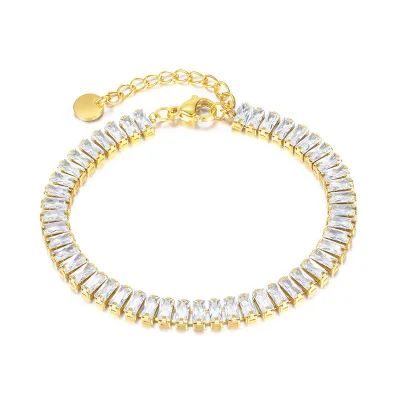


Fashion Accessories Sterling Gift Silver Blue Sapphire and White Diamond Tennis Bracelet
$1.20 - $1.50
MOQ: 660 Pieces


Sterling Silver AAA Cubic Zircon Tennis Bracelet Rainbow Diamond Cuff for Gift
$27.88 - $30.78
MOQ: 6 Pieces

Comprehensive Sourcing Guide
Strategic Sourcing Guide for Tennis Bracelets in the B2B Jewelry Market
Understanding Product Specifications and Material Variations
When sourcing tennis bracelets, buyers must first establish a clear understanding of the technical specifications that define this category. A Tennis Bracelet is characterized by a continuous line of gemstones, typically diamonds or cubic zirconia, set in a flexible metal chain. Based on observed market data, the material composition varies significantly, with 925 Sterling Silver being a primary base metal. This standard is often paired with plating options such as 18K Gold Plated or Platinum to enhance aesthetic appeal and durability. The presence of Cubic Zirconia as a material option indicates a segment of the market focused on high-visibility fashion jewelry at accessible price points, distinct from solid gemstone pieces.
The structural integrity of the bracelet is defined by its length and clasp mechanism. Observed specifications indicate a standard length of 45cm, which is crucial for ensuring a proper fit on the wrist without being too loose or restrictive. The design often features a "Simple" or "Star Fashion" style, catering to diverse consumer preferences ranging from minimalist daily wear to statement pieces. The shape of the stones or the pattern of the setting can vary, with "Ball" shapes and "Circle" pendant shapes noted in specific listings, though the classic Tennis Bracelet typically features round-cut stones. Buyers should verify that the "Jewelry Type" aligns with the intended use, as listings often categorize these items under both "Bracelets" and "Bangles," though the functional difference lies in the flexibility and clasp design.
| Attribute Category | Observed Variations | Sourcing Implication |
|---|---|---|
| Base Material | 925 Sterling Silver | Verify hallmarking and metal purity to ensure longevity. |
| Plating | 18K Gold Plated, Platinum | Check plating thickness requirements to prevent tarnishing. |
| Gemstone | Cubic Zirconia, Diamond (Other) | Confirm stone certification and clarity grades. |
| Dimensions | Length: 45cm | Ensure custom sizing options are available if standard lengths do not fit target demographics. |
| Style | Simple, Star Fashion, Fashion | Align style with current market trends and target customer profile. |
Compliance, Certification, and Quality Verification
In the B2B jewelry sector, compliance and certification are non-negotiable elements that protect the buyer from liability and ensure product integrity. The supply chain for tennis bracelets often involves third-party verification to validate the quality of materials. One observed certification type is "Third Party Appraisal," which serves as an independent validation of the product's value and material composition. Buyers should prioritize suppliers who can provide such documentation, particularly when dealing with high-value items or those claiming precious metal content.
The production standards also play a critical role in compliance. Listings reference standards such as "925 silver 14k 18k gold," which indicates the purity levels expected in the final product. However, these are often listed as general standards rather than specific test results for every unit. Therefore, buyers must verify that the supplier adheres to international standards for precious metals and gemstones. The "Certificate Type" field suggests that third-party appraisal is a viable method for verification, but it is the buyer's responsibility to request and review these documents before finalizing large orders. Additionally, the "Custom Stamp or Design" attribute implies that branding and hallmarking are customizable, which requires strict adherence to legal standards regarding metal purity claims in the destination market.
Quality control extends beyond the metal and stones to the packaging and presentation. The "Single package size" of 6x3x3 cm and the use of "Inner Carton, Outer Carton" or "Carton" packing suggest a structured approach to logistics. This packaging is designed to protect the delicate nature of the bracelet during transit. Buyers should ensure that the packaging specifications meet the requirements of their retail partners or end consumers, as damaged packaging can lead to rejected shipments even if the product itself is intact. The "Third Party Appraisal" certification is particularly relevant for high-end tennis bracelets where the value of the stones and metal is a primary selling point.
Cost Drivers and Pricing Dynamics
The pricing of tennis bracelets is influenced by a complex interplay of material costs, manufacturing complexity, and customization levels. The observed price range in the market spans from $0.03 to $3375, reflecting the vast disparity between fashion-grade cubic zirconia pieces and high-end solid gold or diamond-encrusted items. This wide range indicates that the cost is heavily driven by the intrinsic value of the materials used. For instance, bracelets made with 925 Sterling Silver and Cubic Zirconia will naturally fall on the lower end of the spectrum, while those utilizing 14k or 18k gold and genuine diamonds will command premium prices.
MOQ (Minimum Order Quantity) is another significant cost driver. The observed MOQ range spans from 1 to 100,000 units, offering flexibility for both small boutique buyers and large wholesale distributors. A lower MOQ of 10 pieces or even 1 piece allows buyers to test the market with minimal financial risk, while higher volumes often trigger tiered pricing structures. The "Sample time" of 2-3 working days suggests that suppliers can quickly produce prototypes, which is essential for cost-effective product development. However, buyers must account for the cost of samples when calculating the total landed cost, especially if multiple iterations are required.
Customization also impacts the final price. Attributes such as "Custom Stamp or Design" and "ODM&OEM" availability indicate that bespoke designs will incur additional costs. The "Delivery time" of 3-7 days for standard orders suggests that lead times are relatively short, but customization may extend these timelines. Buyers should factor in the cost of design changes, tooling, and additional labor when negotiating with suppliers. The "Shipping" options, including FedEx, UPS, EMS, Loomis, and Malca-Amit, also contribute to the overall cost, with Malca-Amit and Loomis typically being specialized logistics providers for high-value jewelry, potentially adding a premium to the shipping fee.
Typical Applications and Market Positioning
Tennis bracelets serve a diverse range of applications, from everyday fashion accessories to high-value gifts. The "Usage" attributes observed in the market include "Decoration," "Health," "Gift," and "Jewelry Accessory." While "Health" is a less common attribute for this specific item type, it may refer to marketing claims regarding the perceived benefits of certain metals or stones, or it could be a broader categorization error in some listings. The primary applications are clearly "Decoration" and "Gift," making these items suitable for a wide array of occasions.
The "Occasion" field highlights "Informal Occasions" and "Gift" as key usage scenarios. This suggests that tennis bracelets are versatile enough for casual wear while maintaining the elegance required for gifting. The "Style" variations, such as "Simple" and "Star Fashion," allow buyers to target different market segments. A simple design appeals to customers seeking understated elegance for daily wear, while a star fashion design might attract those looking for trendy, statement pieces. The "Color" options, including "Gold" and "White," further expand the market reach, catering to different skin tones and personal preferences.
For B2B buyers, understanding these applications is crucial for inventory planning. A balanced portfolio might include a mix of simple, affordable cubic zirconia bracelets for impulse buys and higher-end gold-plated or diamond-encrusted pieces for special occasions. The "Design" attribute, which often specifies "Bracelet," confirms that the primary function is wrist adornment. However, the "Type" classification as "Bangle" in some listings suggests that the distinction between a bangle and a bracelet can be fluid in the market, depending on the clasp mechanism and flexibility. Buyers should clarify these distinctions with suppliers to ensure the product matches the intended market positioning.
Supplier Evaluation and Operational Capabilities
Evaluating suppliers for Tennis Bracelet procurement requires a focus on their operational capabilities, particularly regarding customization and logistics. The "ODM&OEM" and "OEM/ODM: Warmly Welcomed" attributes indicate that many suppliers are equipped to handle custom orders, from design modifications to branding. This flexibility is a significant advantage for buyers looking to differentiate their product lines. The "Customization: Available" and "Custom Stamp or Design" features further reinforce the supplier's ability to tailor products to specific brand requirements.
Location is another critical factor in supplier evaluation. The "prod_origin" and "Place of Origin" fields point to Qingdao and Guangdong, China, as major manufacturing hubs for these items. These regions are known for their established jewelry manufacturing ecosystems, offering a wide range of materials and skilled labor. However, buyers should verify the specific capabilities of individual suppliers within these regions, as the quality and reliability can vary. The "Delivery time" of 3-7 days suggests efficient logistics, but buyers should confirm this with the specific supplier, as lead times can fluctuate based on order volume and complexity.
Logistics and shipping options are also vital for evaluating supplier reliability. The availability of specialized shipping methods like "FedEx, UPS, EMS, Loomis, Malca-Amit" indicates that suppliers are experienced in handling high-value items. Malca-Amit and Loomis are particularly notable for their security-focused logistics, which is essential for transporting expensive jewelry. Buyers should assess whether the supplier's shipping partners align with their own risk management strategies. Additionally, the "Sample time" of 2-3 working days demonstrates a responsive supply chain, which is crucial for maintaining agility in a fast-paced market.
Long-Term Procurement Considerations and Risk Management
Sourcing tennis bracelets for long-term success requires a strategic approach to risk management and relationship building. The "Customization" and "ODM&OEM" capabilities suggest that suppliers can grow with the buyer, offering scalability as the business expands. However, buyers must establish clear communication channels and quality assurance protocols to mitigate risks associated with customization. The "Third Party Appraisal" certification provides a baseline for quality, but ongoing verification is necessary to ensure consistency across batches.
Inventory management is another key consideration. The wide range of MOQs, from 1 to 100,000 units, allows buyers to adopt a flexible inventory strategy. Small orders can be used to test new designs, while larger orders can secure better pricing and ensure stock availability for peak seasons. The "Single package size" and "prod_packing" details are important for warehouse planning, as they determine the space required for storage and the efficiency of order fulfillment.
Finally, buyers should consider the long-term viability of the materials and designs they choose. The "Material" and "Plating" options, such as 925 Sterling Silver and 18K Gold Plated, offer durability, but the longevity of the plating depends on the quality of the application. Buyers should request detailed information on plating thickness and care instructions to ensure customer satisfaction and minimize returns. By focusing on these long-term factors, buyers can build a sustainable procurement strategy that balances cost, quality, and market demand.
FAQs
What materials are used for tennis bracelets?
Tennis bracelets are primarily made from 925 Sterling Silver and often feature Cubic Zirconia stones. Some listings also specify standards for 14k or 18k gold plating to enhance durability and aesthetic appeal for various buyers.
Can I customize the design of these bracelets?
Yes, customization is available with options for custom stamps or specific designs. Suppliers support ODM and OEM services, allowing buyers to tailor the product to their brand requirements while maintaining standard production capabilities.
What is the minimum order quantity for these items?
The minimum order quantity ranges from 1 to 100,000 units depending on the supplier and specific product model. Some vendors offer low MOQs like 10 pieces to facilitate market testing for smaller buyers.
How long does it take to receive samples?
Sample production typically takes 2 to 3 working days for standard requests. This short lead time allows buyers to quickly verify product quality and design before committing to larger wholesale orders.
Which certifications verify the quality of these bracelets?
Third-party appraisal certificates are available to validate the material composition and value of the jewelry. Buyers should request these documents to ensure the product meets the claimed standards for silver and gold purity.
What shipping methods are used for delivery?
Suppliers utilize various shipping carriers including FedEx, UPS, EMS, Loomis, and Malca-Amit for secure transport. Specialized logistics providers like Malca-Amit are often used for high-value items to ensure safety during transit.
Where are these bracelets manufactured?
The products originate from manufacturing hubs in Qingdao and Guangdong, China. These regions provide established supply chains for jewelry production, offering a wide range of materials and skilled labor for bulk orders.