Source Tennis Training Phone Holder for Tennis Padel Pickleball
Compare 30 Tennis Training Phone Holder options from verified suppliers. These accessories support recording sessions for tennis, padel, and pickleball with customizable colors and durable ABS or plastic materials; compare the available evidence and request quotations based on your requirements.
Key considerations
Products List
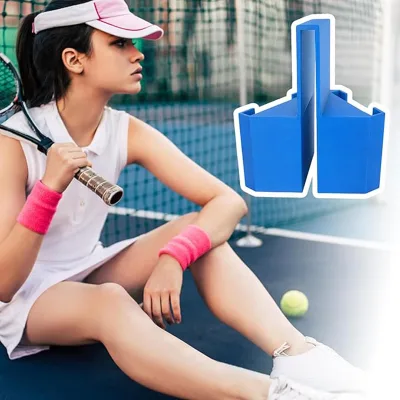
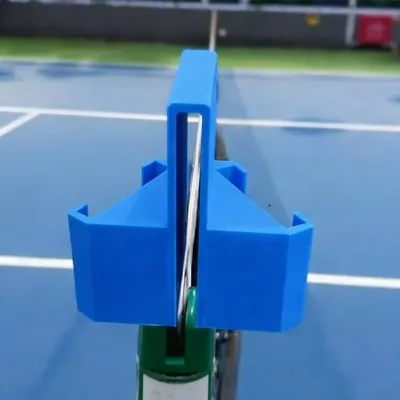
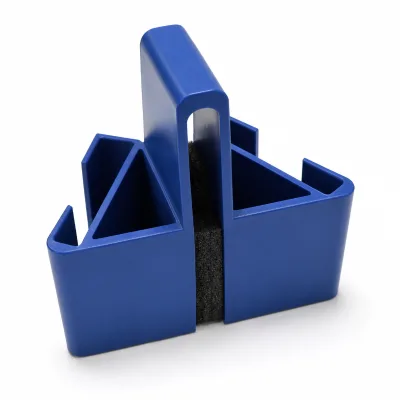


Tennis Camera Mount Secure Phone Action Camera Holder with Clip for Net Fence
$2.35 - $2.95
MOQ: 100 Pieces


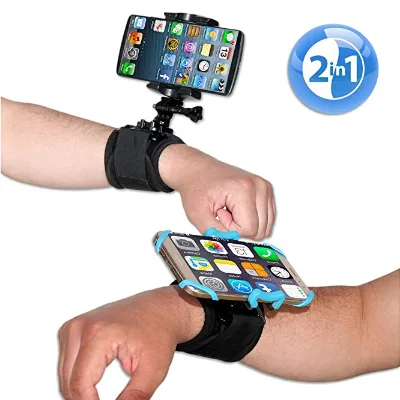
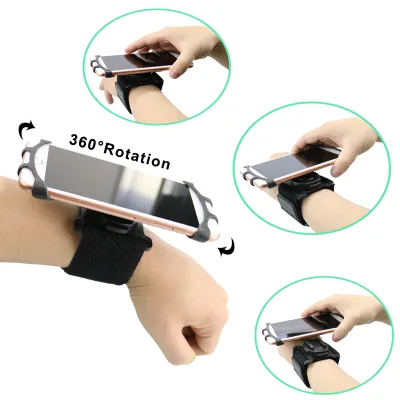
Factory Price Phone Holder Gym Fitness Exercise Running Mobile Bag Armband
$1.90 - $2.10
MOQ: 480 Pieces

Factory Price Black Gym Running Phone Holder Jogging Sports Armband Case
$3.80 - $4.00
MOQ: 250 Pieces
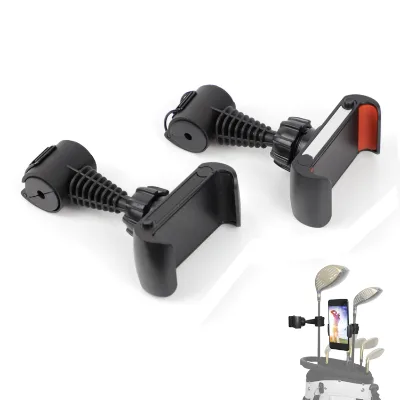


Smart Mobile Phone Ring Holder Stand Cell Phone Stand Finger Ring Holder
$0.23 - $0.65
MOQ: 100 Pieces




Comprehensive Sourcing Guide
Tennis Training Phone Holder Sourcing Guide
Sourcing a dedicated Tennis Training Phone Holder requires a clear understanding of the specific mounting mechanisms and material durability needed for outdoor sports environments. These accessories are primarily designed to attach securely to tennis nets, fences, or similar structures, allowing coaches and athletes to record practice sessions without manual intervention. The core value proposition lies in the stability of the mount during vigorous movement, ensuring that the phone remains steady while capturing high-quality video footage of swings and footwork. Buyers must distinguish between generic phone clips and specialized net mounts, as the latter often feature unique clip designs or adjustable arms to accommodate varying net thicknesses and fence types.
The procurement landscape for these items is characterized by a wide variety of designs, ranging from simple plastic clips to more complex adjustable holders with flexible arms. Observations indicate that materials such as ABS plastic and general plastics are commonly used, offering a balance between lightweight portability and structural rigidity. These materials are selected for their resistance to weather elements, although buyers should verify specific UV resistance claims if the product is intended for prolonged outdoor exposure. The diversity in model numbers and styles suggests that suppliers offer customizable solutions, allowing brands to incorporate their own logos and color schemes, which is a critical factor for private label opportunities in the sports equipment sector.
Product Scope and Observed Listing Signals
The current market listings for tennis training phone holders reveal a diverse range of product attributes that buyers must carefully evaluate to ensure alignment with their specific needs. Observed product names frequently include terms like "Tennis Net Phone Holding" or "Tennis Net Phone Holder," indicating a focus on net-mounted applications. The color options available typically include blue, black, orange, and red, with some suppliers offering customized colors to match brand identities. Additionally, the pattern options often feature silk screen printing, which allows for clear and durable logo application on the device. These visual customization options are essential for brands looking to create a cohesive product line that resonates with their target audience in the sports and fitness market.
In terms of physical specifications, the observed listings show significant variation in weight and package dimensions, reflecting different design complexities and material usage. For instance, some models weigh as little as 115 grams, while others can reach up to 330 grams, suggesting differences in build quality and feature sets. The single package sizes also vary, with dimensions such as 20x16x10 cm and 20x20x10 cm being common, which impacts shipping costs and storage requirements. Buyers should pay close attention to these specifications to estimate logistics costs accurately and ensure that the product fits within their packaging and distribution strategies. The presence of both "Opp bag" and "Color box" packaging options further highlights the flexibility suppliers offer in terms of retail presentation.
Technical Specifications to Verify
When evaluating technical specifications, buyers must prioritize the mounting mechanism's compatibility with standard tennis net posts and fence types. The design often includes a clip or clamp system that must withstand the tension and movement of the net during play. It is crucial to verify the material composition, particularly whether the plastic used is ABS or another durable polymer, as this affects the holder's longevity and resistance to cracking under stress. Additionally, the flexibility of the holder's arm or bracket should be assessed to ensure it can accommodate various phone sizes and provide a stable viewing angle for recording. Buyers should request detailed diagrams or samples to understand the mechanical limits of the clip and the range of motion available for adjusting the phone's position.
Weight and dimensional specifications are also critical technical factors that influence both user experience and logistics. A lighter product may be easier to transport and install but might lack the robustness needed for heavy-duty use, while a heavier product may offer better stability but increase shipping costs. Buyers should verify the single gross weight and package dimensions to calculate accurate freight charges and storage needs. Furthermore, the model number and size specifications, such as 6.41x5.47 inches or 19x13 cm, should be cross-referenced with the actual product to ensure consistency. Understanding these technical details helps buyers avoid discrepancies between ordered specifications and delivered goods, reducing the risk of returns or customer dissatisfaction.
Compliance and Safety Documentation
Compliance and safety documentation are essential for ensuring that the tennis training phone holders meet international standards for consumer products, particularly those used in outdoor sports. Buyers should verify that the materials used, such as ABS plastic, are free from harmful substances like phthalates or heavy metals, which is often regulated by standards such as REACH in Europe or CPSIA in the United States. Although specific certification statuses may not be explicitly listed in all product descriptions, buyers must request test reports or certificates of compliance from suppliers to confirm that the products are safe for general use. This is particularly important for products that may come into contact with users' hands or be used in environments where children might be present.
Additionally, buyers should ensure that the packaging and labeling comply with local regulations regarding product information, warnings, and recycling symbols. The use of terms like "Eco-Friendly" in product descriptions should be backed by verifiable claims or certifications to avoid greenwashing accusations. Buyers must also check for any specific safety warnings related to the mounting mechanism, such as risks of pinching or falling, and ensure that these are clearly communicated on the product or packaging. By prioritizing compliance and safety, buyers can mitigate legal risks and enhance brand reputation, ensuring that their products are trusted by consumers and retailers alike.
Cost Drivers and Commercial Terms
Cost drivers for tennis training phone holders include material costs, manufacturing complexity, and customization options. The use of ABS plastic and the complexity of the clip mechanism significantly influence the base price, while additional features like adjustable arms or premium finishes can increase costs. Customization options, such as logo printing and color variations, also add to the overall expense, as they require additional production steps and setup time. Buyers should negotiate these variables carefully to balance quality and cost, ensuring that they remain competitive in the market while maintaining healthy profit margins. Understanding these cost drivers helps buyers make informed decisions about which features are essential and which can be simplified to reduce expenses.
Commercial terms, including minimum order quantities (MOQ) and payment terms, are critical factors in the procurement process. Observed MOQs range from 2 to 5000 pieces, offering flexibility for both small-scale buyers and large-volume purchasers. Buyers should align their order quantities with their sales forecasts and storage capabilities to avoid excess inventory or stockouts. Payment terms, such as deposits and balance payments, should be negotiated to manage cash flow effectively. Additionally, lead times and shipping methods should be discussed to ensure timely delivery, especially for time-sensitive marketing campaigns or seasonal product launches. Clear communication of these commercial terms helps establish a transparent and mutually beneficial relationship with suppliers.
Supplier Qualification and Quality Control
Supplier qualification is a vital step in ensuring the reliability and consistency of tennis training phone holders. Buyers should assess suppliers based on their production capacity, quality control processes, and track record in the sports accessories market. Requesting samples is essential to evaluate the product's build quality, mounting stability, and overall finish. Buyers should also verify the supplier's ability to meet customization requirements, such as logo printing and color matching, by reviewing their past work or conducting a factory audit if possible. This due diligence helps identify suppliers who can consistently deliver high-quality products that meet the buyer's standards and expectations.
Quality control measures should be implemented throughout the production process to minimize defects and ensure product consistency. Buyers should establish clear quality standards and inspection criteria, including checks for material integrity, clip functionality, and packaging accuracy. Implementing pre-shipment inspections can help identify and rectify any issues before the goods are dispatched, reducing the risk of receiving defective products. Additionally, buyers should maintain open communication with suppliers to address any quality concerns promptly and collaboratively. By prioritizing supplier qualification and rigorous quality control, buyers can build a reliable supply chain that supports their business growth and customer satisfaction.
Long-Term Procurement Checks
Long-term procurement checks involve continuous monitoring of supplier performance and market trends to ensure sustained value and reliability. Buyers should regularly review supplier metrics, such as on-time delivery rates, defect rates, and responsiveness to issues, to identify areas for improvement. Establishing key performance indicators (KPIs) and conducting periodic supplier evaluations can help maintain high standards and drive continuous improvement. Additionally, buyers should stay informed about emerging trends in sports accessories, such as new materials or design innovations, to keep their product offerings competitive. This proactive approach ensures that the procurement strategy remains aligned with market demands and business objectives.
Furthermore, buyers should foster strong relationships with suppliers through regular communication and collaborative planning. Building trust and mutual understanding can lead to better pricing, priority production, and access to new product developments. Buyers should also consider diversifying their supplier base to mitigate risks associated with single-source dependencies. By implementing long-term procurement checks and maintaining strong supplier relationships, buyers can create a resilient supply chain that supports their business growth and adapts to changing market conditions. This strategic approach ensures that the procurement function remains a valuable asset to the organization.
FAQs
What materials are used for tennis training phone holders?
These holders are typically made from durable ABS plastic or general plastic materials. The construction ensures flexibility and eco-friendly properties suitable for outdoor sports. The solid pattern and silk screen printing allow for customized branding. This material choice supports the device's weight and provides a secure grip during active use.
Can I customize the logo and color of the holder?
Yes, customized logos and colors are available for these accessories. Buyers can select from options like blue, black, orange, or red. The design supports silk screen printing for clear branding. This customization allows businesses to align the product with their specific marketing needs while maintaining the standard sports style and universal applicability.
What is the minimum order quantity for these phone holders?
The minimum order quantity is generally 10 pieces for standard orders. However, some listings indicate a range from 2 to 5000 pieces depending on the supplier. This flexibility allows small buyers to test the market while accommodating larger bulk purchases. The packaging is usually an opp bag or color box for safe transport.
Where are these tennis net phone holders manufactured?
These products are manufactured in Guangdong, China. The origin indicates a strong supply chain for sports accessories and plastic components. Buyers can expect consistent quality and competitive pricing from this region. The manufacturing process supports various model numbers and specifications to meet diverse international market demands for outdoor sports equipment.
How does the holder attach to the tennis net?
The holder features a net and fence clip mount design for secure attachment. It is specifically engineered for use on tennis or pickleball nets. This design ensures the phone remains stable during video recording or training sessions. The clip mechanism allows for quick installation and removal without damaging the net structure.
What are the dimensions and weight of the product?
The single package size is approximately 20x16x10 cm or 20x20x10 cm. The product weight varies, with some models at 115g and others up to 330g. The gross weight is typically around 0.2 kg to 0.7 kg. These dimensions ensure portability while providing a sturdy base for holding smartphones during outdoor sports activities.