Source Tire Changer Press Lever for Tire Repair, Manufacturing, and Maintenance
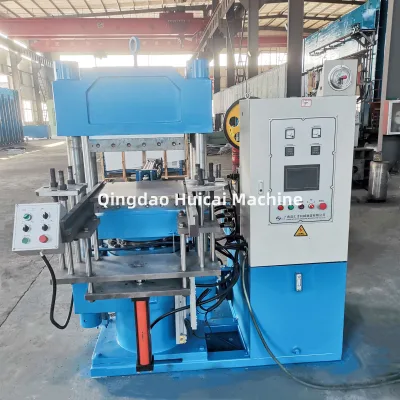
Find 30 options for Tire Changer Press Lever to compare specifications like hydraulic press capabilities and customization. Buyers can evaluate models ranging from 200T to 250ton for solid tire pressing tasks.
Key considerations
Products List


Portable Mounting Tool Manual Tyre Wheel Changer Hand Bead Breaker Tire Changer
$20.00 - $24.00
MOQ: 100 Pieces



Comprehensive Sourcing Guide
Strategic Sourcing Guide for Industrial Tire Press and Lever Systems
The global demand for specialized tire maintenance equipment has driven a significant evolution in the procurement landscape for industrial tire changers and associated press levers. Buyers searching for the core keyword "Tire Changer Press Lever" are often navigating a complex market of hydraulic presses, solid tire machines, and auxiliary components designed for heavy-duty applications. This guide provides a disciplined, evidence-based framework for sourcing these critical assets. It focuses on the intersection of technical specifications, compliance verification, and long-term operational reliability, ensuring that procurement decisions are grounded in verifiable data rather than marketing assertions.
Technical Specifications and Operational Capabilities
When evaluating a Tire Changer Press Lever system, the primary focus must be on the machine's capacity to handle specific tire dimensions and the mechanical precision of the lever mechanism. The supplied data indicates that the market offers machines capable of handling a "Biggest Tyre Overall Diameter" of up to 24 inches, with a specific maximum tire size of 12.00-24. This specification is critical for buyers sourcing equipment for construction, mining, or heavy logistics sectors where oversized solid tires are standard. The press lever system must integrate seamlessly with a hydraulic press structure, which in the observed market ranges from 200-ton to 250-ton capacities.
The physical dimensions of the equipment are equally vital for facility planning. Observed specifications list an "Inner Length" of 1500mm and an "Overall Length" of 1700mm. These measurements define the footprint required for installation and the clearance needed for operator movement. Furthermore, the "Machine Tyre" is identified as a "Hydraulic Press," suggesting that the lever mechanism relies on hydraulic pressure rather than purely mechanical leverage. This distinction impacts the power requirements, which are observed to range between 1.5kw and 7.5kw. Buyers must verify that their facility's electrical infrastructure can support this "Electric" power source, which is the dominant "Power Source" in the current catalog.
The structural design of the press is another key technical differentiator. The market data highlights a "Vertical" structure, which is often preferred for its stability and space efficiency in vertical stacking operations. The "Automatic" nature of these machines suggests a high degree of process control, reducing manual intervention and potential human error during the tire pressing cycle. The "Type" of disassembly is noted as "Simple Disassembly," a feature that significantly reduces maintenance downtime. When sourcing a press lever, buyers should confirm that the lever assembly is compatible with the specific hydraulic pressure curves of the 200T or 250T models to ensure uniform force distribution across the tire mold.
Compliance, Certification, and Regulatory Standards
In the industrial machinery sector, compliance is not merely a formality but a prerequisite for market access and operational safety. The supplied facts reveal a diverse landscape of certifications, including ISO9001, ISO14001, OHSAS18001, CCC, and CE. These standards cover quality management, environmental management, and occupational health and safety. A buyer must verify that the specific unit being purchased carries the relevant certification for their region. For instance, the "CE" mark is essential for entry into the European market, while "CCC" (China Compulsory Certification) is mandatory for domestic sales in China.
The "Standard" classification for these machines varies, with some listed as "Standard" and others adhering to "European" standards. This distinction implies that the design tolerances and safety protocols may differ based on the target market. The "prod_standard" is explicitly linked to "solid tire press machine," indicating that the equipment is designed for a specific application rather than general-purpose tire changing. Buyers should request the specific test reports that validate these certifications, as the presence of a certificate does not guarantee that every component, including the press lever, meets the rigorous safety thresholds required for high-tonnage operations.
Additionally, the "HS" code for these machines is identified as 8479899990. This classification is crucial for customs clearance and duty calculation. Misclassification can lead to significant delays and financial penalties. The "Standard" attribute also mentions "European," suggesting that for international buyers, the equipment should be evaluated against European safety directives. The "Quality" attribute is listed as "High Quality," but this is a subjective observation. Buyers must rely on the objective "Certification" data to validate quality claims, ensuring that the manufacturer has undergone third-party audits for ISO and OHSAS standards.
Cost Drivers and Pricing Dynamics
The pricing for industrial tire press levers and associated machinery is highly variable, with an observed range spanning from $0.30 to $38,888 USD. This vast disparity indicates that the "Tire Changer Press Lever" keyword often encompasses a spectrum of products, from individual replacement parts to complete hydraulic press systems. The lower end of the range likely corresponds to individual levers, seals, or small accessories, while the upper end represents full 200T or 250-ton hydraulic press machines.
Several factors drive these costs. The "Weight" of the machine, observed at 2.5 tons, is a significant determinant of shipping and handling expenses. Heavier units require specialized logistics, which can add substantial costs to the final price. The "Power" consumption, ranging from 1.5kw to 7.5kw, also influences the long-term operational cost, as higher wattage motors incur greater electricity bills. Furthermore, the "Customization" attribute is marked as "Available," and "Color" can be set "at Customer Request." Customization often incurs a premium, as it requires non-standard tooling and production runs.
The "MOQ" (Minimum Order Quantity) ranges from 1 to 6000 units. This wide range suggests that buyers can source single units for testing or small-scale operations, but bulk orders may be necessary to access certain price points or specific model configurations. The "prod_packing" varies from "Nude" to "Pallet," "Wooden Box," "Carton," or "Plywood." The choice of packaging directly impacts the cost, with more robust packaging like "Wooden Box" or "Plywood" adding to the unit price but offering better protection during international transit. Buyers should calculate the total landed cost, including packaging, freight, and insurance, rather than focusing solely on the unit price.
Typical Applications and Market Segmentation
The "Market" for these machines is described as "Global," reflecting the universal need for tire maintenance in heavy industries. The specific application is defined by the "prod_model" and "prod_standard," which are explicitly linked to "solid tire press machine." This indicates that the equipment is primarily used for manufacturing or repairing solid tires, which are common in forklifts, industrial trucks, and heavy construction vehicles. The "Season" attribute is listed as "All Season Tire," suggesting that the equipment is versatile enough to handle tires used in various climatic conditions, though the primary focus remains on industrial solid tires.
The "Biggest Tire Press" capability of 12.00-24 inches places these machines in the heavy-duty category. They are not suitable for passenger car tires but are essential for the industrial sector where solid rubber tires are the norm. The "Material" of the tire being processed is "Rubber," confirming the focus on solid rubber tire applications. The "Type" of machine, described as "Simple Disassembly," makes it ideal for workshops that require frequent maintenance or rapid turnaround times for tire pressing operations.
Buyers should consider the "Volume" of the machine, which is observed at 4.5m³. This volume is significant and requires dedicated floor space. The "Structure" being "Vertical" further dictates the layout of the workshop. Applications typically involve the pressing of solid tires onto rims, a process that requires precise alignment and high pressure. The "Automation" feature ensures consistency in the pressing process, which is critical for maintaining the structural integrity of the solid tire.
Supplier Evaluation and Origin Verification
When evaluating suppliers, the "prod_origin" is a critical data point. The supplied facts indicate that the products originate from "Jiangsu China" or generally "China." Jiangsu is a major manufacturing hub in China, known for its industrial machinery production. However, buyers must verify the specific factory location to ensure it aligns with their supply chain requirements. The "After-sales Service" is noted as "No Overseas Service Provided," which is a significant risk factor for international buyers. This implies that the buyer must rely on local support or internal technical teams for maintenance and repairs.
The "Warranty" period is listed as 18 months, which is a standard timeframe for industrial machinery. Buyers should scrutinize the terms of this warranty to understand what components are covered and what constitutes a valid claim. The "Customized" attribute suggests that suppliers are willing to tailor products, but this also increases the complexity of the supply chain. Buyers should evaluate the supplier's ability to manage custom orders without compromising the "Quality" or "Standard" of the final product.
The "prod_packing" options, ranging from "Nude" to "Carton-Pallet," also reflect the supplier's logistics capabilities. A supplier offering "Wooden Box" or "Plywood" packaging demonstrates a commitment to protecting the equipment during transit, which is crucial for heavy machinery. Buyers should request evidence of the supplier's packaging standards and their experience in shipping similar weights, such as the 2.5-ton units observed.
Quality Control and Long-Term Procurement Considerations
Ensuring long-term reliability requires a robust quality control strategy. The "Certification" data, including ISO9001 and OHSAS18001, provides a baseline for quality management systems. However, buyers should go beyond these certifications and request specific test results for the press lever mechanism. The "Automatic" nature of the machine means that the lever must operate with high precision over thousands of cycles. Any deviation in the lever's alignment or hydraulic response can lead to tire defects or equipment failure.
The "Standard" attribute, which includes "Standard" and "European" classifications, should be used as a benchmark for quality control. Buyers must verify that the specific unit meets the tolerance levels defined in these standards. The "prod_model" variations, such as "TL-1," "TL-2," "TL-3," and "TDT-1," suggest a range of configurations. Buyers should ensure that the selected model matches their specific operational needs and that the "Size Customized" option is utilized only if necessary, as it may introduce variability in quality.
Long-term procurement considerations also include the availability of spare parts. The "Simple Disassembly" type suggests that maintenance is straightforward, but the availability of specific components like the press lever is crucial. Buyers should inquire about the lead time for spare parts and the supplier's policy on obsolescence. The "Warranty" of 18 months is a starting point, but buyers should negotiate extended service agreements if the equipment is critical to their operations.
In conclusion, sourcing a Tire Changer Press Lever system requires a meticulous approach that balances technical specifications, compliance, and cost. By focusing on the verified data points such as the 24-inch tire diameter, 200T-250T capacity, and specific certifications, buyers can make informed decisions that ensure operational efficiency and long-term value. The global nature of the market offers a wide range of options, but the lack of overseas service and the variability in packaging and customization require careful due diligence.
FAQs
What is the maximum tire size this machine can press?
The machine can press tires up to a 12.00-24 size, with a maximum overall diameter of 24 inches. This capacity makes it suitable for heavy-duty applications involving solid tires in construction and mining sectors.
Can the machine be customized for specific color requirements?
Yes, customization is available, and the color can be set at the customer's request. Buyers should note that custom orders may require non-standard tooling and could impact the production timeline and unit cost.
Which certifications does the solid tire press machine hold?
The equipment holds ISO9001, ISO14001, OHSAS18001, CCC, and CE certifications. These standards verify quality management, environmental compliance, and safety protocols, though buyers must confirm specific unit documentation for their region.
How long is the warranty period for this hydraulic press?
The warranty period is 18 months for the supplied machinery. Buyers should review the specific terms to understand which components are covered and what conditions constitute a valid claim for repairs or replacements.
What is the minimum order quantity for purchasing this press?
The minimum order quantity ranges from 1 to 6000 units depending on the configuration. Single units are available for testing, while bulk orders may be necessary to access specific price points or custom model setups.
Does the supplier provide overseas after-sales service for this unit?
No overseas service is provided by the supplier for this product. International buyers must rely on local support teams or internal technical staff for maintenance, repairs, and operational troubleshooting after the warranty expires.
What is the power consumption range for the automatic press?
The power consumption ranges from 1.5kw to 7.5kw for the electric power source. Facilities must ensure their electrical infrastructure can support this load, as higher wattage motors will incur greater long-term operational electricity costs.