Source Tractor Mounted Broadcast Fertilizer Spreader for Corn Rice Wheat
Find 30 Tractor Mounted Broadcast Fertilizer Spreader options for corn, rice, and wheat cultivation. Compare semi-automatic models with continuous ditching modes, varying working widths, and tractor power requirements from verified suppliers in Shandong.
Key considerations
Products List


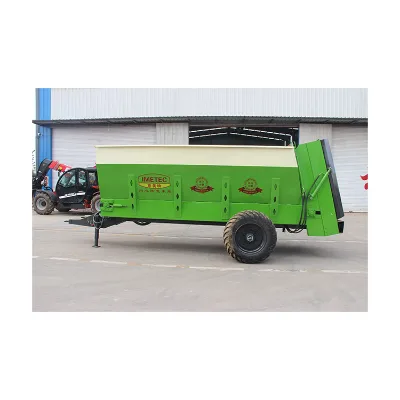
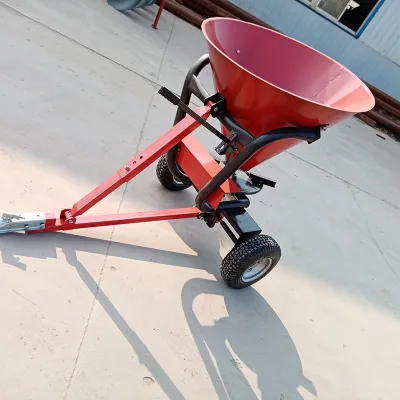
Tractor Fertilizer Spreader Farm Fertilizer Spreader Lime Fertilizer Spreader
$2801.04 - $4668.40
MOQ: 1 units


Tractor Mounted Stainless Steel Fertilizer Spreader for Farm Manure Spreading Machine
$2300.00 - $2500.00
MOQ: 1 Pieces

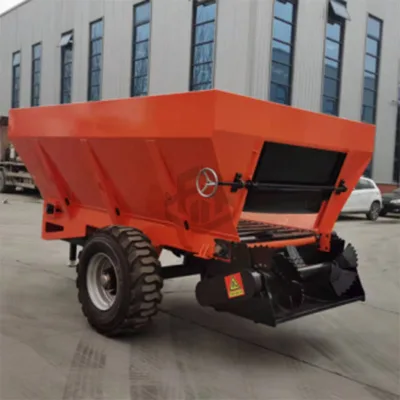

New Agricultural Machinery Walking Tractor Mounted Fertilizer Spreader
$4776.00 - $4880.00
MOQ: 1 Sets


Farm Tractor Mounted Fertilizer Spreader with Agricultural Equipment
$4200.00 - $5200.00
MOQ: 1 Pieces





Comprehensive Sourcing Guide
Strategic Sourcing Guide for Tractor-Mounted Broadcast Fertilizer Spreaders
Understanding the Core Technology and Operational Scope
The tractor-mounted broadcast fertilizer spreader represents a critical piece of mechanized agricultural equipment designed to enhance efficiency in modern farming operations. Unlike manual application methods, these machines utilize a tractor's power take-off (PTO) or hydraulic system to drive the spreading mechanism, ensuring consistent distribution of solid fertilizers across large fields. The primary operational mode observed in the current market is the broadcast seeder, which disperses material in a wide, fan-like pattern. This method is particularly effective for crops such as corn, rice, wheat, fruit, beans, and peanuts, as well as tubers and trees. The machinery is available in both semi-automatic and fully automated configurations, allowing buyers to select a level of mechanization that aligns with their specific labor constraints and field conditions.
A key technical distinction in this category is the ditching mode. Many units in the supply chain utilize a continuous ditching mechanism, which ensures a steady flow of fertilizer without interruption. This is vital for maintaining uniform nutrient application rates, which directly impacts crop yield and soil health. The power source for these units is almost exclusively the tractor, requiring the buyer to verify the compatibility between the tractor's horsepower and the spreader's requirements. Available power ranges typically span from 80 to 220 horsepower, indicating that these machines are built to handle a wide spectrum of farm sizes, from medium-sized family operations to large-scale industrial agriculture. The working width of the spreaders is a significant variable, with observed specifications ranging from 8 to 12 meters, and in some high-capacity configurations, up to 20 meters. This variability allows for customization based on the specific row spacing and field dimensions of the target crop.
Technical Specifications and Material Construction
When evaluating the technical specifications of a tractor-mounted broadcast fertilizer spreader, the material composition and structural integrity are paramount. The industry standard for these units often involves high-quality steel, with carbon steel being a frequently cited material for the frame and mechanical components. This choice of material ensures durability against the abrasive nature of solid fertilizers and the rigors of field operation. The construction is typically robust, designed to withstand heavy loads and continuous use. For instance, specific models have been noted with a weight of approximately 5000 kilograms, reflecting the substantial build required to handle large volumes of material.
The physical dimensions of the spreader are critical for logistics and storage. Buyers should expect single package sizes to be substantial, with dimensions such as 7000mm in length, 3000mm in width, and 3000mm in height. These dimensions influence the packaging requirements, which are often specified as iron boxes or frame boxes to protect the machinery during transit. The production capacity of these units is another vital specification, with some models capable of handling 6 to 24 cubic meters of material, depending on the configuration. The spread width is a direct function of the machine's design, with typical ranges falling between 8 and 12 meters, though wider options exist.
Furthermore, the customization of the spreader is a key feature available in the market. Buyers can often request specific colors to match their fleet or branding, and the machinery can be tailored to specific application needs. The models identified in the current supply landscape include designations such as DFC-12000, 2LFA-1, and 2LFS-1M, as well as the 9GPS-Solid State Double Churn. These model numbers often indicate specific variations in the spreading mechanism, such as double churn systems which may offer enhanced mixing and distribution capabilities. The condition of the equipment is another factor, with both new and used units available, though new units are generally preferred for their reliability and warranty coverage.
Compliance, Certification, and Quality Assurance
Navigating the compliance and certification landscape is essential for ensuring that the purchased fertilizer spreader meets international safety and quality standards. While specific certification statuses vary by manufacturer, the presence of ISO9001 certification is a notable indicator of a supplier's commitment to quality management systems. This certification suggests that the manufacturing process adheres to rigorous standards for consistency and quality control. Additionally, buyers should look for evidence of machinery test reports, which provide objective data on the performance and safety of the equipment before it leaves the factory. These reports are crucial for verifying that the spreader meets the claimed specifications regarding weight, spread width, and power requirements.
The standard for the machinery is often described as "high quality steel," but buyers must verify the specific grade and treatment of the steel used. This verification is necessary to ensure resistance to corrosion and wear, which are common issues in agricultural environments. The origin of the machinery is another compliance factor, with many units originating from Yucheng City in Shandong Province, China. This region is a known hub for agricultural machinery manufacturing, but buyers should confirm the specific place of origin to ensure transparency and traceability.
Quality assurance also extends to the after-sales service provided by the supplier. A reliable supplier should offer online support to assist with troubleshooting and maintenance issues. This support is critical for minimizing downtime during the planting season. The warranty period is another key compliance metric, with a standard offering of one year being common in the market. Buyers should carefully review the terms of the warranty to understand what components are covered and what conditions might void the coverage. Ensuring that the supplier provides a clear warranty and support structure is a vital step in mitigating long-term procurement risks.
Cost Drivers and Economic Considerations
The cost of a tractor-mounted broadcast fertilizer spreader is influenced by a complex array of factors, including the level of mechanization, material quality, and customization options. The observed price range in the market is vast, spanning from 2.6 to 7999 USD, which reflects the diversity of products available, from small-scale handheld units to large, heavy-duty industrial spreaders. This wide range underscores the importance of defining specific requirements before engaging with suppliers. The minimum order quantity (MOQ) also plays a significant role in cost dynamics, with observed ranges from 1 to 1000 units. For many buyers, an MOQ of 1 set is available, allowing for single-unit purchases, which is ideal for smaller farms or pilot projects.
The weight of the machinery, typically around 5000 kg, is a major cost driver due to the amount of raw material required and the logistics involved in shipping such heavy equipment. The dimensions of the unit, often exceeding 7 meters in length, further complicate shipping and handling, potentially increasing freight costs. Buyers should consider the total cost of ownership, which includes not only the purchase price but also maintenance, fuel consumption, and potential downtime. The power requirement of 80-220 hp is another economic factor, as it dictates the size and cost of the tractor needed to operate the spreader.
Customization options, such as specific colors or modified spreading widths, can also impact the final price. While the market offers a "best" price for standard models, bespoke configurations may incur additional costs. The selling units are typically single items, but bulk purchasing may offer economies of scale. Buyers should request detailed quotes that break down the cost of the machine, shipping, and any additional services like installation or training. Understanding these cost drivers is essential for budgeting and ensuring that the selected equipment provides a return on investment through improved efficiency and yield.
Typical Applications and Field Performance
The versatility of the tractor-mounted broadcast fertilizer spreader makes it suitable for a wide range of agricultural applications. The primary use cases include the application of solid manure and various types of granular fertilizers to crops such as corn, rice, wheat, fruit, beans, peanuts, tubers, and trees. The broadcast seeder mechanism is particularly effective for these crops, as it allows for rapid coverage of large areas. The specific application field is agriculture, and the machinery is designed to handle the diverse demands of different crop types.
The performance of the spreader is heavily dependent on the ditching mode and the consistency of the fertilizer flow. Continuous ditching ensures that the fertilizer is applied evenly, reducing the risk of nutrient deficiency or excess in specific areas of the field. The working width of 8 to 12 meters allows for efficient coverage, reducing the time required to fertilize a field. The high productivity of these machines is a key selling point, as they enable farmers to complete tasks faster than with manual or less mechanized methods.
The application of solid manure is another critical use case, with the spreader designed to handle the bulk and consistency of organic fertilizers. The double churn mechanism in some models, such as the 9GPS-Solid State Double Churn, enhances the mixing and distribution of these materials. The long service life of the machinery is a significant advantage, ensuring that the investment pays off over multiple growing seasons. Buyers should consider the specific needs of their crops and fields when selecting a spreader, as the optimal model will vary based on the type of fertilizer, the crop, and the field conditions.
Supplier Evaluation and Long-Term Procurement Strategy
Selecting the right supplier for a tractor-mounted broadcast fertilizer spreader requires a thorough evaluation of their capabilities, reputation, and support services. Buyers should prioritize suppliers who provide machinery test reports and have a history of delivering high-quality steel equipment. The origin of the machinery, particularly from established manufacturing hubs like Yucheng City, Shandong Province, can be an indicator of reliability, but it should not be the sole criterion. Buyers must verify the supplier's ability to meet specific customization requests and provide the necessary after-sales support.
The warranty and after-sales service are critical components of the procurement strategy. A one-year warranty is standard, but buyers should ensure that the supplier offers comprehensive coverage and responsive online support. The availability of spare parts and the ability to perform maintenance locally are also important factors. Buyers should inquire about the supplier's production capacity, which ranges from 6 to 24 cubic meters, to ensure they can meet demand during peak seasons.
Long-term procurement considerations include the scalability of the supplier's offerings and their ability to adapt to changing agricultural needs. As farming practices evolve, the demand for more efficient and environmentally friendly fertilization methods will likely increase. Suppliers who invest in research and development and offer innovative solutions will be better positioned to meet these future needs. Buyers should also consider the environmental impact of the machinery, looking for designs that minimize fertilizer runoff and maximize nutrient uptake. By focusing on these long-term factors, buyers can build a sustainable procurement strategy that supports the long-term success of their agricultural operations.
Quality Control and Inspection Protocols
Implementing rigorous quality control and inspection protocols is essential to ensure that the tractor-mounted broadcast fertilizer spreader meets the buyer's expectations and operational requirements. The inspection process should begin with a review of the supplier's documentation, including the machinery test reports and certification details. Buyers should verify that the equipment meets the specified standards for material quality, such as the use of high-quality steel and carbon steel components. The dimensions and weight of the unit should be measured to confirm they match the specifications provided, particularly the single package size and the overall weight of 5000 kg.
Visual inspection of the machinery is also crucial. Buyers should check for any signs of damage, corrosion, or poor workmanship. The condition of the spreader, whether new or used, should be clearly defined and verified. For new units, the warranty and after-sales support should be confirmed. For used units, a detailed inspection of the mechanical components, such as the spreading mechanism and the tractor mounting points, is necessary to ensure they are in good working order.
Functional testing is the final step in the quality control process. This involves operating the spreader to verify its performance, including the spread width, the consistency of the fertilizer flow, and the overall efficiency. Buyers should conduct these tests under conditions that mimic their actual field operations to ensure the equipment will perform as expected. By adhering to these quality control protocols, buyers can minimize the risk of receiving substandard equipment and ensure that their investment in a tractor-mounted broadcast fertilizer spreader delivers the desired results.
FAQs
What power source does the Tractor Mounted Broadcast Fertilizer Spreader require?
The machine requires a tractor as its power source, typically needing between 80 to 220 horsepower. This range accommodates various farm sizes from medium operations to large-scale industrial agriculture, ensuring compatibility with different tractor models.
Which applications are suitable for this broadcast fertilizer spreader?
This equipment is designed for corn, rice, wheat, fruit, beans, peanuts, tubers, and trees. It functions effectively as a broadcast seeder for solid manure and granular fertilizers across diverse agricultural fields.
Can I customize the color and specifications of the spreader?
Yes, customization is available including specific color requirements to match fleet branding. Buyers can also request modifications to the working width and other features to suit their specific field conditions and crop types.
What is the typical weight and material construction of the unit?
The spreader typically weighs around 5000 kilograms and is constructed from high-quality carbon steel. This robust material ensures durability against abrasive fertilizers and the rigors of continuous field operations.
How wide is the spread width for this fertilizer application equipment?
The spread width typically ranges from 8 to 12 meters, with some high-capacity configurations reaching up to 20 meters. This variability allows for efficient coverage of large fields while maintaining uniform nutrient application rates.
What warranty and after-sales support are provided for new units?
New units generally come with a one-year warranty and include online support for troubleshooting. Buyers should verify specific warranty terms to ensure coverage for components and understand conditions that might void the agreement.