Source Transmission Control Solenoid for Excavators, Construction, Flow Control
Find 30 Transmission Control Solenoid options for construction machinery parts, flow control, and excavator applications. Compare specifications including voltage, pressure, and port sizes from verified Chinese suppliers.
Key considerations
Products List

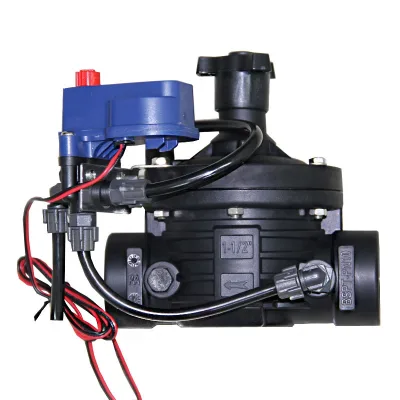


$100.00 - $400.00
MOQ: 1 Pieces

$100.00 - $400.00
MOQ: 1 Pieces

$100.00 - $400.00
MOQ: 1 Pieces

$100.00 - $400.00
MOQ: 1 Pieces


Comprehensive Sourcing Guide
Strategic Sourcing Guide for Transmission Control Solenoids
Understanding Technical Specifications and Variability
When sourcing transmission control solenoids, buyers must navigate a complex landscape of technical attributes that vary significantly across different product listings. The core keyword "Transmission Control Solenoid" encompasses a broad category of components, ranging from electric actuators to pneumatic valves, each serving distinct mechanical functions. Based on available market data, the actuator type for these components is frequently identified as electric, though pneumatic options also exist in the supply chain. This distinction is critical because the driving mechanism dictates the power requirements and integration complexity within the target machinery.
Electrical specifications are a primary area of verification. Buyers should expect to encounter a wide voltage range, including DC12V, DC24V, AC110V, AC220V, and AC24V. The specific voltage required is not universal; it depends entirely on the host vehicle or industrial equipment's electrical architecture. Furthermore, the working medium for these solenoids varies. While some units are designed for air, with a working pressure range of 0.15-0.8MPa, others may be configured for different fluid dynamics. The port size is another variable specification that requires precise matching. Observed data indicates port sizes ranging from M5 and 1/8" up to 1/4", 3/8", and 1/2". Selecting a solenoid with an incorrect port size can lead to immediate installation failure or leakage issues.
The application context also dictates the media the solenoid must handle. While some listings specify oil as the working medium, others indicate water or air. For transmission control specifically, the fluid is typically hydraulic oil, but the component must be compatible with the specific viscosity and chemical properties of the transmission fluid in the target application. The pressure rating is equally important; observed data points to medium pressure classifications, but the exact maximum operating pressure must be confirmed against the system's peak load requirements. Additionally, the drive type for the broader machinery often involves internal combustion or hydraulic transmission, which influences the solenoid's duty cycle and thermal management needs.
Compliance and Certification Verification
In the B2B procurement of industrial components, compliance with international standards and certifications is a non-negotiable aspect of supplier evaluation. The market data reveals that certifications such as CE and ISO are frequently cited by suppliers. Specifically, some listings mention a combination of CE and ISO certifications, while others reference specific standards like ISO9001:2008, CE, and SGS. It is vital for buyers to understand that the presence of these labels in a product description does not automatically guarantee that every unit in a shipment meets these standards. Instead, these should be treated as indicators of the supplier's claimed quality management systems.
Buyers must verify the validity of these certifications through direct communication with the supplier. The standard ISO 9001 is often referenced in the background of manufacturing processes, but specific product certifications like CE are required for market access in certain regions. When a listing mentions "CE, ISO," the buyer should request the specific certificate numbers and the issuing bodies to ensure authenticity. Furthermore, some suppliers list "Standard Packaging" or "International Standard Packing," which may imply adherence to shipping and handling standards, but this should not be confused with product safety certifications.
The geographical origin of the product also plays a role in compliance. A significant portion of the observed supply originates from China, with specific hubs in Zhejiang and Ningbo. While these regions are major manufacturing centers, the regulatory environment can vary. Buyers should ensure that the supplier can provide documentation proving that the solenoids meet the safety and environmental regulations of the destination country. For instance, if the equipment is destined for the European market, the CE marking must be supported by a Declaration of Conformity. Similarly, for automotive applications, specific industry standards beyond general ISO certifications may be required.
Cost Drivers and Pricing Dynamics
The pricing for transmission control solenoids exhibits a wide variance, with observed ranges spanning from $0.99 to $50,000. This extreme spread indicates that the cost is heavily influenced by factors beyond the basic component itself, such as the complexity of the model, the material composition, and the level of customization required. The minimum order quantity (MOQ) also fluctuates significantly, ranging from 1 unit to 500 units. This variability suggests that buyers can source small quantities for prototyping or replacement, but bulk orders may require adherence to higher MOQ thresholds to achieve competitive pricing.
Material composition is a primary driver of cost. Listings indicate the use of aluminum for certain components, which offers a balance of weight and durability. However, for high-pressure or high-temperature applications, other materials may be necessary, potentially increasing the unit price. Customization is another significant cost factor. The data confirms that customization is available, including logo customization and specific model adaptations. Customized parts, such as those with unique port sizes or voltage requirements, will inherently cost more than standard off-the-shelf items due to the setup and tooling costs involved.
The warranty and after-sales service provisions also influence the total cost of ownership. Observed data shows warranty periods ranging from 3 months to 12 months. A longer warranty period often correlates with a higher initial price but reduces the long-term risk for the buyer. Similarly, the availability of online after-sales service adds value to the procurement decision. Buyers should weigh the upfront cost against the potential savings from reduced downtime and support costs. The packing method, whether standard cartons, wooden boxes, or international standard packing, can also impact the final landed cost, especially for international shipments where packaging must meet specific freight requirements.
Typical Applications and Industry Segments
Transmission control solenoids are integral to a diverse array of machinery, with applications ranging from automotive to heavy construction equipment. The data highlights specific usage scenarios, including "Construction Machinery Parts" and "GM Excavator, Special Excavator." This indicates that these components are critical for the hydraulic systems of heavy-duty vehicles, where precise flow control is essential for operation. The "Bucket Capacity" of 0.5~1.0m³ mentioned in the context of excavators suggests that solenoids are used in machines of medium to large sizes, where the hydraulic power is substantial.
The type of machinery also dictates the solenoid's design. For crawler excavators, the solenoids must withstand high vibration and harsh environmental conditions. The "Drive Type" is often internal combustion, and the "Transmission" is hydraulic, requiring solenoids that can handle rapid pressure changes and high flow rates. The "Working Temperature" is noted as "Normal Temperature," but in practice, these components often operate in extreme conditions, necessitating robust thermal management. The "Usage" classification as "Flow Control" underscores the primary function of these solenoids: regulating the movement of hydraulic fluid to control the speed and force of mechanical actuators.
Beyond excavators, the versatility of these components is evident in their application to other industrial systems. The "Port Size" variations and "Voltage" options suggest that solenoids are adapted for various vehicle models and industrial machines. The "Model" numbers, such as 23013325, ZX400S-15, and 3V1, indicate a high degree of specificity, where each model is likely tailored to a particular transmission system or manufacturer's specifications. Buyers must match the solenoid model precisely to the equipment's requirements to ensure compatibility and optimal performance.
Supplier Evaluation and Selection Criteria
Selecting the right supplier for transmission control solenoids requires a rigorous evaluation process that goes beyond price comparison. The availability of customization, including logo customization and specific model adaptations, is a strong indicator of a supplier's flexibility and capability. Buyers should prioritize suppliers who demonstrate a clear understanding of the technical requirements, such as the specific port sizes (M5, 1/8", 1/4", etc.) and voltage ranges (DC12V to AC220V). The ability to provide "Online After-Sales" service is another critical factor, as it ensures that technical support is available for troubleshooting and maintenance issues.
The origin of the product is also a key consideration. With major manufacturing hubs in Zhejiang and Ningbo, China, buyers should verify the supplier's location and production capacity. A supplier located in a known industrial zone may have better access to raw materials and a more established supply chain. The "Condition" of the product is listed as "New," which is standard, but buyers should confirm that the products are not refurbished or reconditioned unless explicitly stated. The "Packing" method, whether standard cartons, wooden boxes, or international standard packing, should be evaluated to ensure the products arrive in pristine condition, especially for international shipments.
Certification status is a vital part of supplier evaluation. While many suppliers claim CE and ISO certifications, buyers must verify these claims through documentation. A supplier that can provide valid certificates and demonstrates a commitment to quality standards like ISO9001:2008 is more likely to deliver consistent product quality. The "Warranty" period, ranging from 3 to 12 months, is another metric for supplier confidence. A longer warranty suggests that the supplier stands behind their product and is confident in its durability. Buyers should also consider the "Lead Time" and "Loading Port" (e.g., Ningbo, Shanghai) when planning their procurement schedule, as these factors affect the overall delivery timeline.
Quality Control and Long-Term Procurement
Ensuring the quality of transmission control solenoids is paramount to the reliability of the machinery they serve. The "Working Pressure" range of 0.15-0.8MPa and "Working Medium" specifications must be strictly adhered to during the quality control process. Buyers should implement a rigorous inspection protocol that includes verifying the material composition, such as aluminum, and checking the port sizes and voltage ratings against the order specifications. The "Standard" of the product, whether it is ISO9001:2008 or other industry-specific standards, should be validated through third-party testing if necessary.
Long-term procurement considerations involve building a sustainable relationship with suppliers who can provide consistent quality and support. The "After-Sales Service" being "Online" is a positive indicator, but buyers should also assess the responsiveness and technical expertise of the support team. The "Warranty" period is a key factor in this relationship; a 12-month warranty offers more protection than a 3-month period, but the terms and conditions of the warranty must be clearly understood. Buyers should also consider the "Customization" capabilities of the supplier, as the ability to adapt products to specific needs can be crucial for long-term projects.
The "Condition" of the product being "New" is a baseline requirement, but buyers should also look for evidence of rigorous manufacturing processes. The "Packing" method should be robust enough to prevent damage during transit, especially for international shipments. The "Loading Port" and "Origin" information should be used to calculate logistics costs and delivery times accurately. Finally, buyers should maintain a clear record of all specifications, certifications, and warranty terms to ensure compliance and facilitate future reordering. By focusing on these quality control and long-term factors, buyers can secure a reliable supply of transmission control solenoids that meet their operational needs.
Comparative Analysis of Key Attributes
To facilitate a clearer understanding of the market landscape, the following table summarizes the key attributes observed in the supply of transmission control solenoids. This comparison highlights the variability in specifications and helps buyers identify the critical parameters for their specific needs.
| Attribute | Observed Range/Options | Critical Verification Point |
|---|---|---|
| Actuator Type | Electric, Pneumatic | Confirm compatibility with system power source. |
| Voltage | DC12V, DC24V, AC110V, AC220V, AC24V | Match exactly to vehicle/equipment electrical system. |
| Port Size | M5, 1/8", 1/4", 3/8", 1/2" | Ensure physical fit with existing hydraulic lines. |
| Working Pressure | 0.15-0.8MPa | Verify against system peak pressure requirements. |
| Working Medium | Air, Oil, Water | Confirm fluid compatibility to prevent corrosion or failure. |
| Certification | CE, ISO, ISO9001:2008, SGS | Request valid certificate numbers and issuing bodies. |
| Warranty | 3 Months, 12 Months | Understand terms and coverage limits. |
| Origin | China (Zhejiang, Ningbo) | Assess logistics and potential trade barriers. |
| Customization | Available (Logo, Model) | Confirm lead time and cost implications for custom orders. |
This table serves as a reference for buyers to quickly assess the diversity of the market and the specific requirements they must address during the sourcing process. By systematically evaluating these attributes, buyers can make informed decisions that align with their technical and operational needs.
FAQs
What certifications are available for transmission control solenoids?
CE and ISO certifications are available for these components. Some listings also reference ISO9001:2008 and SGS standards, but buyers must verify validity through direct supplier communication.
Which port sizes are offered for these solenoids?
Port sizes range from M5 and 1/8 up to 1/4, 3/8, and 1/2 inches. Selecting the correct size is critical to prevent installation failure or leakage in the system.
Can I customize the logo on these solenoids?
Yes, logo customization is available for these products. Buyers should confirm specific customization requirements with the supplier, as this may affect the unit price and lead time.
What is the warranty period for these solenoids?
Warranty periods range from 3 months to 12 months depending on the supplier. A longer warranty often correlates with higher initial costs but reduces long-term risk for the buyer.
Where are these solenoids manufactured?
Products originate from China, specifically from hubs in Zhejiang and Ningbo. Buyers should verify the specific origin and production capacity when evaluating potential suppliers for their orders.
What voltage options are available for these solenoids?
Voltage options include DC12V, DC24V, AC110V, AC220V, and AC24V. The specific voltage required depends entirely on the host vehicle or industrial equipment electrical architecture.