Source Transparent Clear Polycarbonate Granules for sheets, bottles, and automotive parts
Explore 30 listings for Transparent Clear Polycarbonate Granules suitable for injection molding, extrusion, and blow molding. Buyers can compare material grades, certifications, and delivery times from verified suppliers in China and Korea.
Key considerations
Products List


High-Quality Transparent PC Polycarbonate Granules for Plastic Production
$1850.00 - $2500.00
MOQ: 1 Tons


Premium Transparent Blue Polycarbonate Granules with Fireproof Properties
$3550.00 - $3600.00
MOQ: 15 Tons


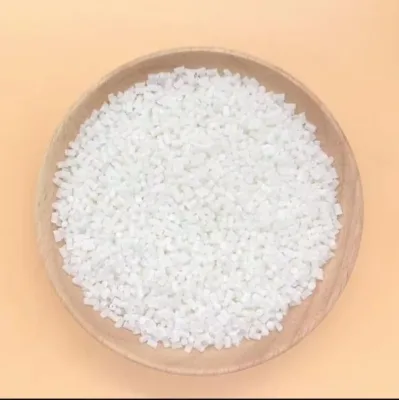


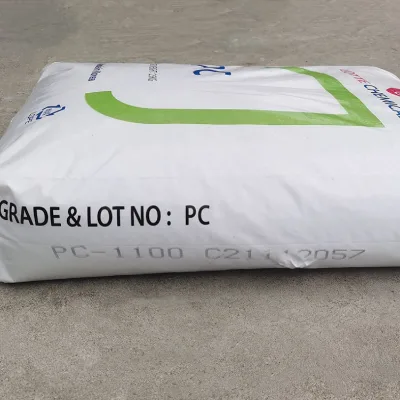
High Light Transmission Virgin Plastic Granules Polycarbonate PC Granules
$980.00 - $1500.00
MOQ: 1 Tons



Comprehensive Sourcing Guide
Strategic Sourcing Guide for Transparent Clear Polycarbonate Granules
Procuring Transparent Clear Polycarbonate Granules requires a disciplined approach that balances material performance, supply chain reliability, and strict adherence to technical specifications. For buyers in the B2B sector, the transition from raw material selection to final product manufacturing involves navigating a complex landscape of grades, processing methods, and quality assurance protocols. This guide outlines the essential factors for sourcing high-quality polycarbonate (PC) granules, drawing upon verified market data and standard industry practices to ensure a robust procurement strategy.
Technical Specifications and Material Grades
The foundation of successful sourcing lies in understanding the specific technical attributes of the polycarbonate granules. The core material is identified as Polycarbonate (PC), a thermoplastic plastic known for its exceptional impact resistance and heat resistance. In its raw granular form, the product is typically supplied as pellets or granules, which are essential for consistent feeding into injection molding, extrusion, or blow molding machinery.
Buyers must distinguish between different grades based on their intended processing method. The market offers specific grades categorized for injection molding, extrusion, and blow molding applications. For instance, certain grades are explicitly designated as "Injection" or "Extrusion Grade," with the latter being particularly relevant for manufacturing PC sheets. The physical shape of the granules is generally uniform, described as granular or pelletized, which ensures smooth flow through hoppers and extruders.
A critical technical variable is the presence of additives. While the base material is virgin or recycled polycarbonate, many suppliers offer modified grades. These modifications can include the addition of glass fiber, flame retardants, or conductive agents to enhance specific properties. Notably, carbon fiber content in reinforced grades can range significantly, with some specifications indicating a range of 5% to 60%. This variance directly impacts the mechanical strength, stiffness, and electrical properties of the final product. Buyers must verify the exact composition to ensure compatibility with their end-use requirements, particularly when transparency is a primary constraint, as high filler content can sometimes affect optical clarity.
Compliance, Certification, and Quality Standards
In the global plastics market, certification serves as a primary indicator of a supplier's commitment to quality management and product consistency. The most frequently observed certification for polycarbonate granules is ISO 9001:2015, which validates the supplier's quality management system. Additionally, some suppliers may hold ISO/GRS (Global Recycled Standard) certifications, which are crucial if the procurement strategy involves recycled content or sustainability goals.
Beyond general management certifications, buyers should demand specific product documentation. A Certificate of Analysis (COA) is a standard requirement for every batch of granules. The COA provides verified data on the physical and chemical properties of the material, ensuring that the batch meets the agreed-upon specifications. When sourcing, the standard for the product is often listed as "Plastic particles," but the specific compliance with international standards must be confirmed on a per-batch basis.
It is imperative to verify that the supplier can provide samples for testing before committing to large orders. Many suppliers offer free samples, allowing buyers to conduct internal quality checks or third-party laboratory tests. These tests should focus on key properties such as heat resistance, impact resistance, and mechanical strength. The presence of a "Virgin/Recycled" attribute in the product listing indicates that buyers must explicitly state their preference, as the performance characteristics and pricing can differ significantly between virgin and recycled materials.
Cost Drivers and Pricing Dynamics
The pricing of Transparent Clear Polycarbonate Granules is influenced by a complex interplay of raw material costs, processing complexity, and supply chain logistics. The observed price range in the market is extensive, spanning from $0.60 to $6,500 per unit, reflecting the diversity of grades and order volumes. This wide variance is not indicative of a single product but rather a spectrum ranging from basic commodity grades to highly specialized, engineered compounds.
Several factors drive these costs. First, the grade of the material is a primary determinant. Virgin polycarbonate typically commands a higher price than recycled variants due to the purity and consistency of the polymer chains. Second, the inclusion of additives such as glass fiber or carbon fiber increases the cost, as these materials require additional processing and raw material expenses. The carbon fiber content, which can range from 5% to 60%, is a significant cost driver, with higher percentages leading to exponential price increases.
Order volume also plays a critical role in pricing. Minimum Order Quantities (MOQ) vary widely, ranging from small batches of 25 kg to industrial-scale orders of 19 tons or more. Suppliers often offer tiered pricing structures where the unit cost decreases as the order volume increases. For instance, an MOQ of 25 kg might be suitable for prototyping, whereas a 15-ton or 19-ton MOQ is standard for mass production. Buyers should be aware that the shipping mark, such as "Keyuan," and the specific packaging requirements (e.g., 25 kg/bag or 1000 kg/bag) can also influence the final landed cost due to handling and logistics complexities.
Typical Applications and Processing Methods
The versatility of polycarbonate granules makes them suitable for a wide array of applications across various industries. The primary usage categories include general plastics, engineering plastics, and specialty plastics. The specific application is often dictated by the forming method and the grade selected.
Injection molding is the most common processing method for polycarbonate granules, particularly for producing complex, high-precision components. This method is ideal for items requiring high impact resistance and dimensional stability. Extrusion is another critical method, specifically utilized for making PC sheets, which are used in glazing, signage, and protective barriers. The "Extrusion Grade" designation found in product specifications is tailored for this process, ensuring the material flows correctly to form uniform sheets. Blow molding is also applicable, particularly for creating hollow containers or bottles, though this is less common for transparent optical applications compared to injection and extrusion.
The end-use applications are diverse. In the automotive industry, polycarbonate is used for headlamp lenses and interior components due to its heat and impact resistance. In construction, extruded PC sheets serve as transparent roofing and wall panels. In electronics, the material's electrical insulation properties and heat resistance make it suitable for housing components. Buyers must align their material selection with the specific forming method required for their product design, as using an injection-grade material for extrusion or vice versa can lead to processing failures and substandard products.
Supplier Evaluation and Logistics
Evaluating a supplier for polycarbonate granules requires a comprehensive assessment of their operational capacity and logistical capabilities. The production capacity of suppliers can vary significantly, with some facilities capable of producing up to 800 tons per month. This capacity metric is crucial for buyers planning large-scale production runs to ensure the supplier can meet demand without delays.
Geographic origin is another critical factor. The majority of polycarbonate granules in the market originate from China, with specific hubs like Xiamen being noted as points of origin. However, some specialized grades may be sourced from other regions, such as Korea. The origin affects lead times, shipping costs, and potential import tariffs. Buyers should verify the lead time, which typically ranges from 7 to 15 days or 1 to 2 weeks, depending on the supplier's current workload and inventory levels.
Packaging is a vital aspect of logistics to prevent contamination and moisture absorption, which can degrade the quality of polycarbonate. Common packaging methods include 25 kg bags, 1000 kg bags, or PP/PE woven bags and paper-plastic composite bags. These bags are often palletized for efficient shipping. The shipping mark, such as "Keyuan," helps in identifying the batch and origin during transit. Buyers should ensure that the packaging is robust enough to withstand international shipping and storage conditions, especially since polycarbonate is hygroscopic and requires protection from moisture.
Quality Control and Long-Term Procurement Considerations
Implementing a rigorous quality control (QC) protocol is essential for maintaining product consistency. Buyers should establish a clear QC plan that includes incoming material inspection, in-process monitoring, and final product testing. The verification of the COA is the first step, followed by physical testing of the granules for moisture content, melt flow index, and mechanical properties.
Long-term procurement considerations involve building a sustainable relationship with suppliers. This includes negotiating flexible MOQs, securing consistent pricing, and ensuring a reliable supply chain. The availability of customization is a key advantage, as many suppliers accept custom orders for specific grades or packaging requirements. Buyers should also consider the environmental impact of their sourcing, verifying if the supplier offers recycled options and holds relevant sustainability certifications.
Finally, buyers must remain vigilant regarding the potential for counterfeit or substandard materials. The market contains a mix of virgin and recycled materials, and the distinction must be clearly defined in contracts. By maintaining strict adherence to technical specifications, verifying certifications, and conducting regular quality audits, buyers can mitigate risks and ensure a steady supply of high-quality Transparent Clear Polycarbonate Granules for their manufacturing needs.
Summary of Key Sourcing Parameters
To facilitate quick reference during the procurement process, the following table summarizes the critical parameters observed in the market for Transparent Clear Polycarbonate Granules.
| Parameter | Typical Observation / Range | Verification Requirement |
|---|---|---|
| Material Type | Polycarbonate (PC) | Confirm Virgin vs. Recycled status |
| Form | Granules, Pellets | Verify particle size and shape uniformity |
| Processing Method | Injection, Extrusion, Blow Molding | Match grade to intended manufacturing process |
| Certifications | ISO 9001:2015, ISO/GRS | Request valid certificate copies |
| MOQ | 25 kg to 19 Tons | Negotiate based on production volume |
| Lead Time | 7-15 Days (1-2 Weeks) | Confirm current production schedule |
| Packaging | 25kg/Bag, 1000kg/Bag, Palletized | Ensure moisture-proof and damage-resistant |
| Origin | China (e.g., Xiamen), Korea | Verify country of origin for tariff purposes |
| Additives | Glass Fiber, Carbon Fiber (5-60%) | Specify exact percentage for performance needs |
| Documentation | COA, Sample Availability | Require COA for every batch |
By adhering to these guidelines and maintaining a focus on verified data, buyers can navigate the complexities of the polycarbonate market effectively, ensuring the acquisition of materials that meet both technical and commercial objectives.
FAQs
What certifications do Transparent Clear Polycarbonate Granules typically have?
Most suppliers provide ISO 9001:2015 certification to validate their quality management systems. Some vendors also hold ISO or GRS certifications if the material contains recycled content, ensuring compliance with sustainability goals.
How long is the delivery time for these granules?
Standard delivery times range from 7 to 15 days or one to two weeks depending on the supplier. This timeline assumes the order is placed with a factory capable of meeting the requested volume and packaging requirements.
Which minimum order quantities are available for purchase?
Minimum order quantities vary significantly from small batches of 25 kilograms to large industrial orders of 19 tons. Buyers should verify the specific MOQ with the manufacturer as it depends on whether the material is virgin or recycled.
Can suppliers provide samples for testing before bulk orders?
Yes, many suppliers offer free samples to allow buyers to verify material properties like heat and impact resistance. These samples enable internal quality checks or third-party laboratory testing before committing to a larger purchase.
What packaging options are used for shipping these granules?
Common packaging includes 25 kilogram bags, 1000 kilogram bags, or PP woven bags often palletized for shipping. The specific method depends on the supplier, with options like paper-plastic composite bags also available to prevent moisture absorption.
Which processing methods are supported by these polycarbonate grades?
The granules are designed for injection molding, extrusion, and blow molding applications. Specific grades exist for extrusion to make sheets, while others are optimized for injection molding complex components or blow molding hollow containers.