Source Transparent Cosmetic Plastic Jar for cosmetics, tea, and food
Find 30 Transparent Cosmetic Plastic Jar options from Chinese manufacturers. Buyers can compare capacities ranging from 3ml to 55ml, sealing types like screw caps, and customization features for cosmetics, tea, food, and chemical applications.
Key considerations
Products List


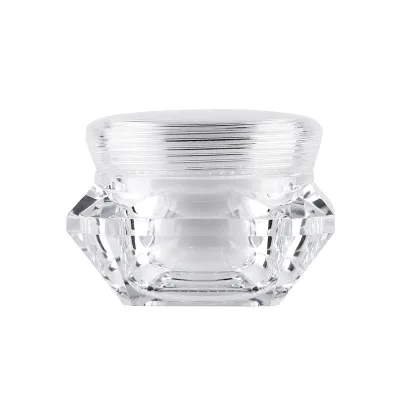


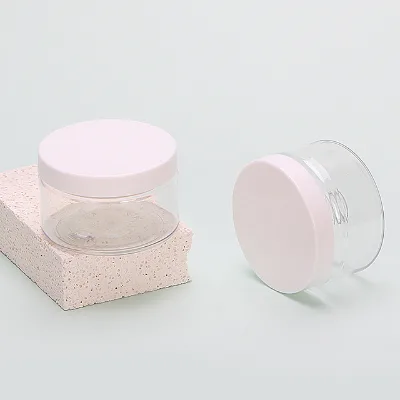
Plastic PET Container Jar With PP Lid for Cosmetic Cream and Food Packing 125ml
$0.15 - $0.20
MOQ: 10000 pieces


Comprehensive Sourcing Guide
Strategic Sourcing Guide for Transparent Cosmetic Plastic Jars
Understanding Product Specifications and Material Attributes
When sourcing transparent cosmetic plastic jars, buyers must first establish a clear understanding of the fundamental material attributes and physical specifications that define the product category. The core material for these containers is consistently identified as plastic, with specific variations in cap construction and jar composition. The cap material is frequently cited as ABS (Acrylonitrile Butadiene Styrene), which offers durability and a rigid structure suitable for sealing mechanisms. The jar body itself is often described simply as "plastic jar" or "jar," indicating a generic thermoplastic construction that allows for transparency.
Transparency is a critical visual attribute for cosmetic packaging, as it allows consumers to view the product volume and consistency. The observed market data indicates that "transparent" is a distinct color option available alongside generic "Color" listings. This transparency is not merely aesthetic; it serves a functional role in branding and shelf appeal. However, the specific thickness of the plastic jar is a variable specification that buyers must verify on a per-supplier basis. While one data point references "plastic jar" thickness generally, the exact microns or gauge required for structural integrity against the specific cosmetic formulation (e.g., heavy creams vs. light lotions) must be confirmed during the inquiry phase.
The physical dimensions of these jars vary significantly depending on the intended capacity. Observed specifications include a range of sizes, such as 29mm x 17mm, 36.8mm x 19.5mm, and larger formats reaching 71.5mm x 37.5mm or even 38.6mm x 102.4mm. Capacity is another primary differentiator, with listings showing options ranging from 3ml to 55ml, and specific volume markers like 10g or 15g for smaller sample jars. Buyers should not assume a single standard size applies to all transparent cosmetic plastic jars. Instead, the procurement strategy must involve selecting a model number, such as those designated by codes like PC-135, PC-147, or WL-PJ009, which correspond to specific dimensional profiles. The sealing type is equally critical, with the market offering both "Easy open end" and "Screw cap" options. The screw cap is the predominant mechanism for cosmetic jars, providing a secure seal that prevents leakage and oxidation of the product contents.
Compliance, Certification, and Regulatory Standards
Navigating the regulatory landscape is essential for importing cosmetic packaging, particularly when the product is intended for use in regions with strict safety standards. The supplied data highlights several certifications and standards that are relevant to the Transparent Cosmetic Plastic Jar category. The most frequently observed certification is ISO, with specific mentions of ISO 9001, which indicates a quality management system rather than a product-specific safety standard. Other certifications noted include CE, CIQ, and SGS. The presence of SGS and CE suggests that some suppliers in the market are capable of meeting European and international safety requirements, while CIQ points to Chinese Inspection and Quarantine standards.
It is important for buyers to distinguish between general company certifications and product-specific compliance. While ISO 9001 is a standard for the manufacturer's quality management processes, it does not automatically guarantee that the plastic material is food-grade or safe for direct cosmetic contact. Buyers must verify if the specific plastic resin used meets the requirements of the destination market, such as REACH regulations in Europe or FDA guidelines in the United States. Although REACH is mentioned in background knowledge, it should not be assumed as a fact for every listed product without explicit confirmation from the supplier.
The "Eco-Friendly" attribute is another significant compliance and marketing factor. Some listings explicitly state that the product is eco-friendly and recyclable. This claim requires verification against local recycling infrastructure and the specific type of plastic used (e.g., PET, PP, or PE). The "SGS" standard is also referenced in the context of product standards, suggesting that third-party testing may be available to validate material safety. However, buyers should not treat the mere mention of a standard as a guarantee of compliance for their specific application. Instead, the procurement process must include a request for current test reports and a declaration of conformity that matches the intended use of the jar, whether for cosmetics, tea, food, or chemical products.
Cost Drivers and Pricing Dynamics
The cost of transparent cosmetic plastic jars is influenced by a complex interplay of material costs, order volume, and customization requirements. The observed price range in the market is quite broad, spanning from $0 to $4.8 USD per unit. This wide variance is primarily driven by the capacity of the jar, the complexity of the mold, and the level of customization requested. Smaller jars, such as the 3ml or 5ml variants, naturally cost less than larger 55ml containers, but the price per unit can also fluctuate based on the thickness of the plastic and the quality of the transparency.
Order volume is a decisive factor in pricing. The Minimum Order Quantity (MOQ) ranges significantly, from as low as 100 units to as high as 30,000 units. A specific listing notes an MOQ of 12,000 pieces, which suggests that high-volume buyers may secure better unit economics, while smaller buyers might face higher per-unit costs or be limited to stock items. The "Small Orders: Accepted" attribute indicates that some suppliers are flexible, but this flexibility often comes with a premium price or stricter terms. Buyers should anticipate that customizing the jar with a client logo or specific color will increase the cost due to the setup fees for mold modifications or printing processes.
Additional cost drivers include packaging and logistics. The "Safe Export Pack" and "Layer Packed in Carton" options suggest that protective packaging is a standard consideration, but the specific cost of this packaging may be included in the unit price or charged separately. The origin location, primarily Ningbo and Yuyao in China, influences the FOB (Free on Board) terms, with Ningbo or Shanghai being the standard ports of shipment. Buyers must factor in freight costs, which vary based on the weight and volume of the shipment, as well as the lead time required for production. The "Customization: Available" attribute implies that bespoke designs will incur additional costs compared to standard off-the-shelf models.
Typical Applications and Functional Versatility
Transparent cosmetic plastic jars are designed for a diverse range of applications beyond just standard beauty products. The data indicates that these containers are versatile and can be used for cosmetics, tea, food, aerosol, and chemical products. This versatility makes them attractive to buyers in multiple industries who require a single source for various packaging needs. For the cosmetics sector, the jars are specifically noted as being "Used for Women," suggesting a focus on feminine beauty products like creams, lotions, and masks. The transparency of the jar allows for immediate visual identification of the product, which is a key selling point in the beauty industry.
In the food and beverage sector, the jars are suitable for tea and other food items. The "Eco-Friendly" and "recyclable" attributes are particularly relevant here, as consumers in the food industry are increasingly demanding sustainable packaging solutions. The capacity range, from small 3ml samples to larger 55ml containers, supports various product formats, including travel-sized samples, retail-ready jars, and bulk packaging. The "Small Package Tank" classification further suggests that these jars can be used for storing small quantities of liquid or semi-solid products in industrial or laboratory settings.
The functional design of the jar, including the screw cap and easy-open end options, ensures that the contents remain protected from contamination and leakage. This is crucial for products that are sensitive to air or moisture, such as certain cosmetics and chemicals. The "Client Logo: Customize" feature allows brands to create a unique identity for their products, making these jars suitable for private label manufacturing. Whether for a high-end cosmetic brand or a bulk chemical supplier, the transparent plastic jar offers a balance of functionality, aesthetics, and cost-effectiveness.
Supplier Evaluation and Sourcing Strategy
Evaluating suppliers for transparent cosmetic plastic jars requires a rigorous approach to ensure reliability and quality. The origin of the products is predominantly China, with specific hubs in Ningbo and Yuyao. Buyers should verify the supplier's location and production capabilities, as these regions are known for their manufacturing expertise in plastic packaging. The "OEM" (Original Equipment Manufacturer) brand name suggests that many suppliers are capable of producing private label goods, which is essential for buyers looking to create their own brand.
When evaluating a supplier, buyers should look for evidence of the certifications mentioned in the product data, such as ISO, CE, and SGS. It is crucial to request copies of these certificates and verify their validity with the issuing bodies. The "Customized" and "Customization: Available" attributes indicate that the supplier has the capacity for mold development and printing, but buyers must assess the lead time and cost implications of these services. The "Small Orders: Accepted" attribute is a positive indicator of flexibility, but buyers should confirm if this applies to custom orders or only to stock items.
Quality control is another critical aspect of supplier evaluation. Buyers should inquire about the supplier's internal quality assurance processes and whether they conduct random inspections before shipment. The "Safe Export Pack" and "Layer Packed in Carton" options suggest that the supplier is aware of the need for secure packaging, but buyers should specify their own packaging requirements to ensure the jars arrive in perfect condition. The "Fob: Ningbo or Shanghai" terms indicate that the supplier is experienced in international shipping, but buyers should clarify who is responsible for freight forwarding and insurance.
Quality Control and Long-Term Procurement Considerations
Ensuring consistent quality in transparent cosmetic plastic jars is paramount for maintaining brand reputation and product safety. Buyers should implement a robust quality control protocol that includes pre-production samples, in-process inspections, and final random inspections. The "Thickness: plastic jar" specification highlights the importance of verifying the wall thickness, as this affects the durability and appearance of the jar. Thinner walls may be more cost-effective but could be prone to cracking or deformation, especially when filled with heavy products.
Long-term procurement considerations involve building a sustainable relationship with the supplier. The "Customization: Available" and "Client Logo: Customize" features suggest that buyers may need to update their packaging designs periodically. A supplier that offers flexible customization and maintains consistent quality over time is essential for long-term success. Buyers should also consider the environmental impact of their packaging choices. The "Eco-Friendly" and "recyclable" attributes are becoming increasingly important, and buyers should ensure that their suppliers can provide materials that meet evolving sustainability standards.
Lead time is another critical factor in long-term procurement. The "Small Orders: Accepted" attribute suggests that some suppliers can accommodate urgent orders, but buyers should confirm the standard lead time for custom orders to avoid supply chain disruptions. The "MOQ" range indicates that buyers may need to plan their inventory carefully to meet minimum order requirements while avoiding excess stock. Finally, buyers should maintain open communication with their suppliers regarding any changes in regulations or market trends that could affect the sourcing of transparent cosmetic plastic jars. By staying informed and proactive, buyers can ensure a steady supply of high-quality packaging that meets their business needs.
FAQs
What sealing types are available for transparent cosmetic plastic jars?
The available sealing types include screw caps and easy open ends. These options provide secure containment for various cosmetic formulations while ensuring user-friendly access to the product contents inside the jar.
Can I customize the logo on these plastic cosmetic jars?
Yes, client logo customization is available for these products. Buyers can request specific branding on the jar surface, though this may involve additional setup costs and requires confirmation of the minimum order quantity.
Which certifications do these transparent plastic jars typically hold?
Common certifications include ISO, ISO 9001, CE, CIQ, and SGS. These standards indicate quality management systems and safety compliance, but buyers should verify specific test reports for their intended use cases like cosmetics or food.
What is the typical MOQ for ordering these cosmetic jars?
The minimum order quantity ranges from 100 to 30,000 units depending on the supplier. Some listings specify an MOQ of 12,000 pieces, while others accept small orders, affecting the unit price significantly.
How do the capacities and dimensions vary for these jars?
Capacities range from 3ml to 55ml with corresponding dimensions like 29mm x 17mm or 71.5mm x 37.5mm. Specific models such as PC-135 or WL-PJ009 correspond to distinct size profiles for different product volumes.
Where are these transparent cosmetic plastic jars manufactured?
The products originate from China, with specific production hubs in Ningbo and Yuyao. Shipping terms typically list Ningbo or Shanghai as the Free on Board ports for international logistics and delivery.