Source Triaxial Strong Motion Accelerograph for Building Vibration, Blasting, Monitoring
Find 30 Triaxial Strong Motion Accelerograph units from Chongqing, China, featuring 3-channel and 9-channel options with force balance or MEMS sensors. Buyers can compare specifications including 24-bit accuracy, ISO certifications, and software-adjustable trigger thresholds for seismic recording applications.
Key considerations
Products List


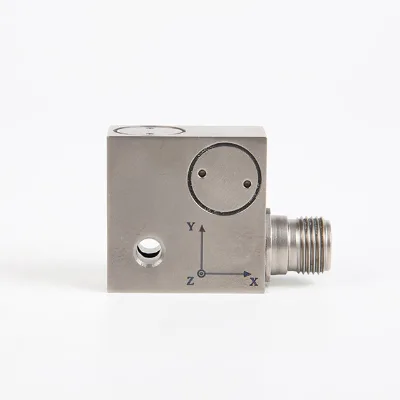
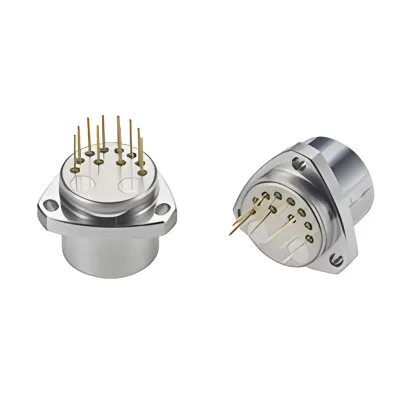
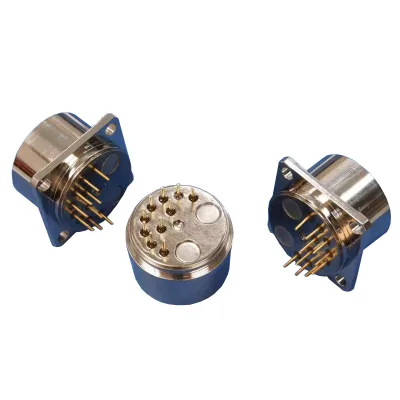
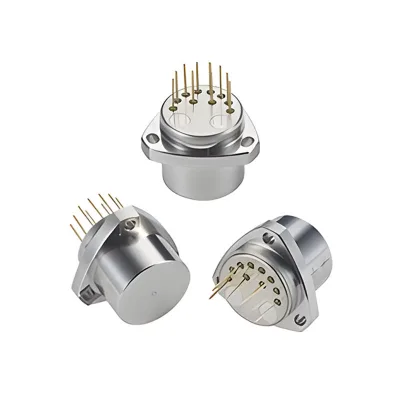


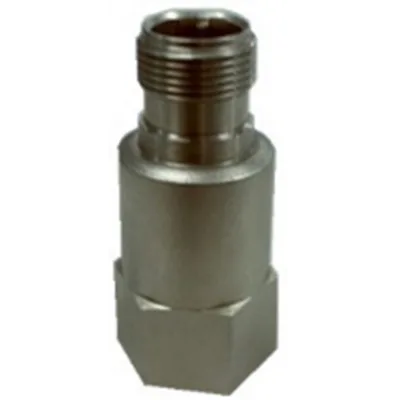
Strong Vibration and Shock Assistance Small Measurement Range Quartz Acceleroemter
$1100.00 - $1150.00
MOQ: 10 Pieces


Tri-axis RS485 output accelerometer sensor with magnetic base and cable
$240.00 - $280.00
MOQ: 2 Pieces
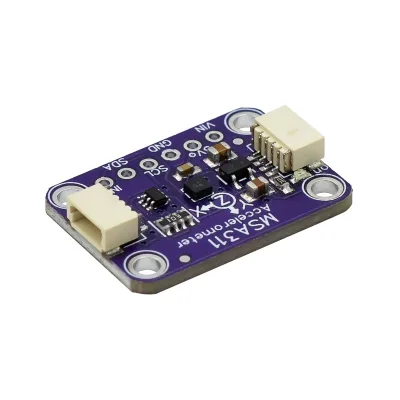

High-Accuracy Accelerometer - 0.1mg Stability for Subtle Motion Detection
$8757.00 - $9448.00
MOQ: 1 Pieces
Comprehensive Sourcing Guide
Strategic Sourcing Guide for Triaxial Strong Motion Accelerographs
Understanding Technical Specifications and Sensor Architecture
When sourcing a Triaxial Strong Motion Accelerograph, buyers must first distinguish between the specific sensor architectures and signal processing capabilities required for their seismic monitoring objectives. The core function of these devices is to record ground movement during strong motion events, such as earthquakes, blasting vibrations, and building oscillations. The supplied product data indicates a variety of sensor types available in the market, ranging from Force Balance Accelerometers to MEMS (Micro-Electro-Mechanical Systems) and Piezoelectric sensors. Each type offers distinct advantages depending on the frequency range and dynamic range requirements of the application.
For high-fidelity recording of strong ground motion, the dynamic range is a critical specification. Some observed units in the market offer a dynamic range of greater than or equal to 120dB, which is essential for capturing both weak background noise and intense peak ground acceleration without saturation. The signal configuration also varies; while some systems utilize single-ended inputs with an input impedance of 1mΩ, others may support different configurations. The resolution of the analog-to-digital conversion is equally vital. A 24-bit AD conversion accuracy is observed in certain models, providing a high level of detail in the recorded data. This high resolution allows for a step size as fine as 1 Gal, ensuring that even subtle ground movements are captured accurately.
The channel configuration is another primary differentiator. While the core keyword implies a triaxial (three-component) setup, the market data shows a mix of 3-channel and 9-channel systems. A 3-channel system typically measures acceleration along the X, Y, and Z axes, which is standard for determining the full vector of ground motion. However, 9-channel systems may offer expanded capabilities for more complex array deployments or multi-sensor integration. The frequency response is another key technical parameter, with some units covering a range from DC to 80Hz, suitable for capturing both low-frequency structural responses and higher-frequency seismic waves. Buyers should verify that the frequency range of the selected unit aligns with the specific structural or geological monitoring needs of their project.
Compliance, Certification, and Standard Verification
In the realm of seismic instrumentation, compliance with international standards and local regulations is non-negotiable. The procurement process must rigorously verify that the equipment meets the necessary quality and safety certifications. The observed market data highlights several certification statuses, including ISO, CE, and ISO9001. These certifications indicate that the manufacturer adheres to specific quality management systems and product safety standards. For instance, the ISO9001 standard ensures that the manufacturing process is consistent and controlled, which is crucial for the reliability of sensitive seismic sensors.
However, buyers must exercise caution when interpreting standard labels. While some product listings mention "2g wide range" or specific standard codes like "1 set," these often refer to packaging or internal classification rather than international regulatory compliance. The term "Seismic Accelerograph Recording" appears as a standard in some contexts, but this is likely a functional description rather than a formal certification body designation. Therefore, the procurement strategy should prioritize direct verification of the actual certification documents provided by the supplier. Buyers should request copies of the ISO and CE certificates to confirm their validity and scope.
Furthermore, the origin of the product plays a significant role in compliance. Many of the observed units originate from Chongqing, China, a known hub for industrial instrumentation. While this location suggests a mature supply chain, it also necessitates a thorough check of export compliance and adherence to the importing country's specific seismic monitoring regulations. The "IP Rating" is another area where verification is required. Some listings mention "IPMeasuring Shaft Quantities:Three," which appears to be a fragmented description. Buyers should explicitly request the correct IP rating (e.g., IP65 or IP67) to ensure the device can withstand the environmental conditions of the installation site, whether it is an indoor laboratory or an outdoor field deployment.
Cost Drivers and Pricing Structure Analysis
The pricing of triaxial strong motion accelerographs is influenced by a complex matrix of technical specifications, sensor quality, and customization requirements. The observed market data reveals a vast price range, spanning from $0.10 to $9,448. This extreme variance indicates that the "core keyword" covers a spectrum of products, from basic components or accessories to fully integrated, high-end recording systems. The lower end of the price spectrum likely corresponds to individual sensors, basic modules, or non-certified components, whereas the higher end reflects complete systems with advanced data logging, high dynamic range, and comprehensive after-sales support.
Several factors drive the cost of these instruments. First, the sensor type is a primary cost driver. Force Balance Accelerometers, known for their stability and low noise floor, typically command a higher price than standard MEMS or Piezoelectric sensors. Second, the resolution and bit depth of the analog-to-digital converter significantly impact the cost. A 24-bit system with a dynamic range of ≥120dB requires more sophisticated electronics and calibration, leading to a higher unit price. Third, customization plays a major role. The availability of customization options, such as specific trigger thresholds, software adjustments, or unique packing requirements, adds to the manufacturing complexity and cost.
The Minimum Order Quantity (MOQ) also affects the effective cost per unit. The observed MOQ range is between 1 and 10 units. For buyers requiring a single unit for a pilot project or a specific test, the cost per unit may be higher due to the lack of economies of scale. Conversely, bulk orders of 10 units or more may benefit from reduced per-unit pricing. Additionally, the packaging type, ranging from neutral packing to export cases, can influence the final price, especially for international shipments where robust packaging is necessary to prevent damage during transit. Buyers should request a detailed breakdown of costs to understand whether the price includes the sensor, the data logger, the software, and the necessary cabling.
Typical Applications and Deployment Scenarios
Triaxial strong motion accelerographs are deployed in a wide array of critical infrastructure and research applications. The primary function of these devices is to record ground motion, which is essential for earthquake engineering, structural health monitoring, and safety assessments. The observed product data highlights several specific use cases, including building vibration monitoring, blasting vibration analysis, and general vibration monitoring. In the context of building vibration, these accelerographs help engineers assess the structural integrity of buildings during seismic events or nearby construction activities.
Blasting vibration monitoring is another critical application. In mining and civil engineering projects, controlled explosions can cause significant ground motion that may damage nearby structures. Triaxial accelerographs provide the necessary data to ensure that blast-induced vibrations remain within safe limits. The ability to trigger based on software-adjustable thresholds allows these systems to record only relevant events, optimizing storage and data analysis. Furthermore, the devices are used for continuously monitoring and recording ground movement, which is vital for long-term seismic hazard assessment and geological research.
The "Strong Motion Equipment" category specifically targets scenarios where high-intensity ground shaking is expected. These systems are designed to capture the peak ground acceleration (PGA) and velocity (PGV) during strong earthquakes. The "Earthquake Trigger" parameter mentioned in the specifications indicates that the device can automatically initiate recording when a seismic event exceeds a predefined intensity level. This feature is crucial for capturing the most damaging parts of an earthquake without wasting storage on background noise. Whether the application is for a single building, a bridge, or a large-scale geological survey, the choice of accelerograph must align with the specific dynamic range and frequency response required for the task.
Supplier Evaluation and Quality Control Protocols
Evaluating suppliers of triaxial strong motion accelerographs requires a multi-faceted approach that goes beyond simple price comparison. Buyers should prioritize suppliers who demonstrate a clear commitment to quality control and after-sales support. The observed data confirms that after-sales service is available for many products, and a 1-year warranty is a common offering. However, the depth of this support should be verified. Does the warranty cover only the sensor, or does it include the data logger and software? What is the response time for technical support in the event of a failure?
Quality control protocols should be a central part of the supplier evaluation. Buyers should inquire about the manufacturer's calibration procedures and the traceability of their measurements. Since the accuracy of seismic data is paramount, the supplier must provide evidence of regular calibration against national or international standards. The "High Resolution: 1 Gal Step" observed in some products suggests a high level of precision, but this must be validated through independent testing or certification. Additionally, the production origin, such as Chongqing, China, should be cross-referenced with the supplier's reputation and history in the seismic instrumentation industry.
The customization capabilities of the supplier are also a key indicator of their technical competence. The ability to offer software-adjustable trigger thresholds and specific channel configurations suggests a flexible and responsive manufacturing process. Buyers should assess the supplier's ability to provide technical documentation, including user manuals, installation guides, and data analysis software. A supplier that offers comprehensive documentation and training is more likely to ensure the successful deployment and operation of the accelerograph. Finally, the packaging standards, such as the use of export cases or carton boxes, should be evaluated to ensure the product arrives in perfect condition.
Long-Term Procurement and Operational Considerations
Sourcing triaxial strong motion accelerographs is not just a one-time transaction but the beginning of a long-term operational relationship. Buyers must consider the lifecycle costs, including maintenance, software updates, and potential upgrades. The "1 Year" warranty observed in the market is a starting point, but buyers should negotiate extended warranty options or service contracts that cover the expected lifespan of the equipment. The availability of spare parts and the lead time for replacements are critical factors in maintaining continuous monitoring operations.
Data management is another long-term consideration. The digital output signal type observed in the market implies that the data must be processed and stored using compatible software. Buyers should ensure that the data format is open and compatible with their existing analysis tools. The "Software Adjustable" trigger threshold suggests that the system may require periodic reconfiguration as monitoring requirements change. Therefore, the supplier should provide robust software support and the ability to update firmware remotely or on-site.
Environmental durability is also a long-term factor. The IP rating and the choice of materials used in the construction of the accelerograph will determine its longevity in harsh environments. Buyers should verify the operating temperature range and the resistance to humidity, dust, and corrosion. For outdoor deployments, the robustness of the housing and the sealing of the connectors are essential to prevent data loss due to environmental damage. Finally, the scalability of the system should be considered. If the monitoring network needs to expand, the supplier should be able to provide additional units that are compatible with the existing infrastructure, ensuring a seamless integration of new sensors into the network.
FAQs
What sensor types are available for triaxial strong motion accelerographs?
Available sensor types include Force Balance Accelerometers, MEMS, and Piezoelectric sensors. Buyers should verify the specific type required for their frequency range and dynamic range needs, as options like 24-bit AD conversion accuracy are observed in certain models.
Can the trigger threshold be adjusted for seismic events?
Yes, the trigger threshold is software adjustable for these devices. This feature allows users to set specific intensity levels to initiate recording, ensuring that only relevant ground movement data is captured during strong motion events.
Which certifications should I look for in a seismic instrument?
Look for ISO, CE, and ISO9001 certifications to ensure quality and safety compliance. While some listings mention specific standards, buyers must request valid certificate copies to confirm the manufacturer adheres to international quality management systems.
How many channels do these accelerograph systems typically support?
Systems typically support 3 channels for triaxial measurement or 9 channels for expanded array deployments. The 3-channel configuration measures acceleration along X, Y, and Z axes, which is standard for determining the full vector of ground motion.
What is the typical warranty period for this equipment?
A 1-year warranty is commonly offered for these products. Buyers should verify if this warranty covers the sensor, data logger, and software, and confirm the response time for technical support in the event of a failure.
Where are these seismic accelerographs primarily manufactured?
Many units originate from Chongqing, China, a known hub for industrial instrumentation. Buyers should cross-reference this origin with the supplier's reputation and ensure adherence to the importing country's specific seismic monitoring regulations.
What is the dynamic range capability of these recording devices?
Some observed units offer a dynamic range of greater than or equal to 120dB. This high dynamic range is essential for capturing both weak background noise and intense peak ground acceleration without saturation during seismic events.