Source Trumpet Case for Saxophone, Violin, and Gun Protection
Compare 30 Trumpet Case options including waterproof, shockproof, and double-open designs for saxophone, violin, and hardware tools. Review materials like polyester and ABS, sizes, and customization features to find the right protection for your needs.
Key considerations
Products List


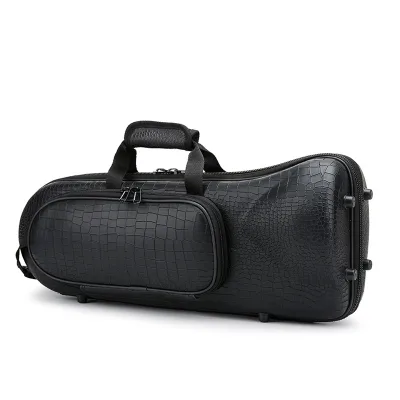
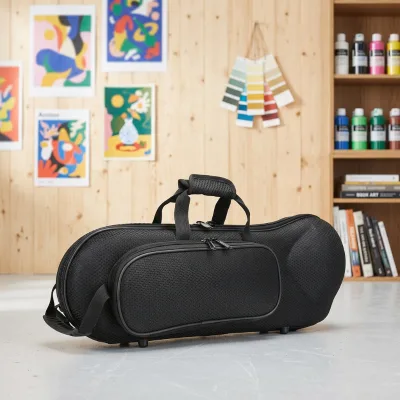
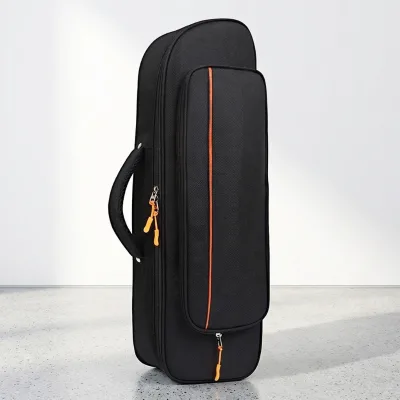
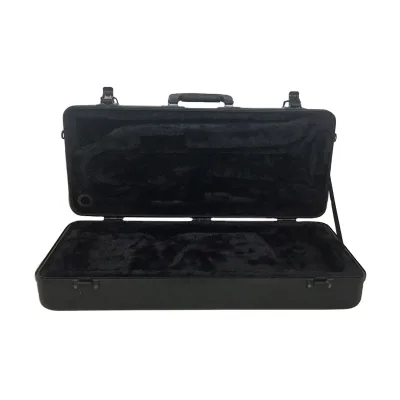
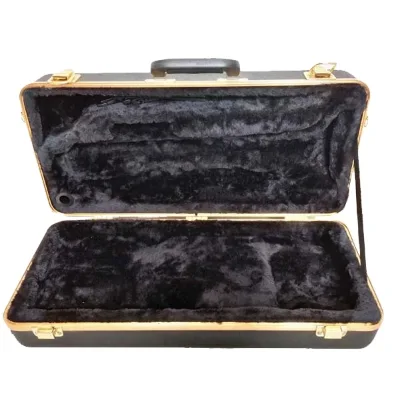
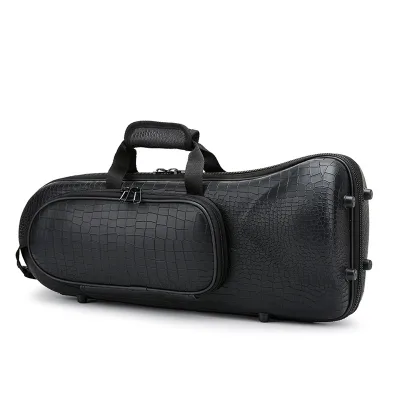


$34.00 - $38.50
MOQ: 10 Pieces


Waterproof Shockproof Plastic Protective Case for Musical Instrument Guitar Hard Case
$230.00 - $350.00
MOQ: 100 Pieces
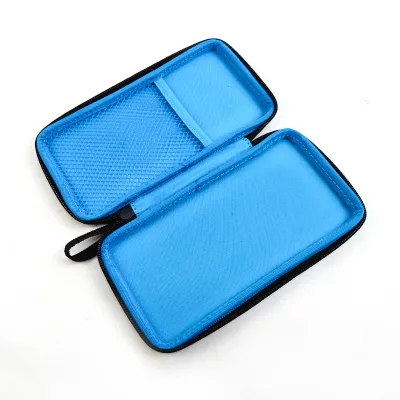
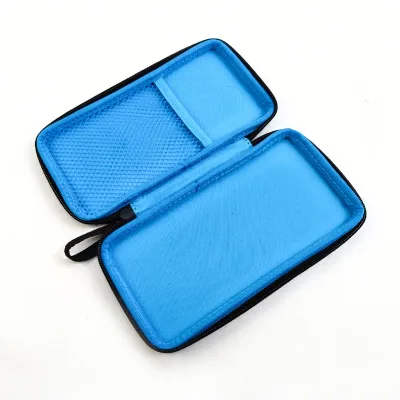
Comprehensive Sourcing Guide
Strategic Sourcing Guide for Trumpet Cases in the Global Market
Procuring musical instrument accessories, specifically trumpet cases, requires a nuanced understanding of the diverse manufacturing landscape. The market for these protective enclosures is characterized by a wide spectrum of materials, structural designs, and customization capabilities. Buyers must navigate a complex array of product attributes to ensure the selected case meets the specific demands of the instrument's fragility, the user's transport needs, and the logistical constraints of the supply chain. This guide synthesizes available product data to provide a disciplined framework for evaluating potential suppliers and specifications.
Technical Specifications and Material Composition
The foundation of a reliable Trumpet Case lies in its material composition and structural integrity. The supplied data indicates a significant divergence in material choices, ranging from rigid plastics to soft fabrics. One observed specification lists the material as Plastic, specifically identifying an ABS Case model (C-ABS). ABS (Acrylonitrile Butadiene Styrene) is a common engineering thermoplastic known for its impact resistance, making it a preferred choice for hard-shell cases that must withstand rough handling during transit. Conversely, other entries in the dataset highlight Polyester and Nylon as primary materials. These fabrics are often utilized in soft cases or semi-rigid configurations, offering flexibility and lighter weight.
A critical technical differentiator is the internal construction. The data references a Foambody structure, with specific mentions of Fabric foam bodies and Saxophone Case foam configurations. While saxophone cases are distinct from trumpet cases, the engineering principles of foam padding—designed to absorb shock and prevent instrument movement—are directly transferable. The presence of a Double Open feature in some listings suggests a design where the case can be opened from multiple sides, potentially facilitating easier access to the instrument or additional storage compartments. In contrast, Single Open variants offer a traditional clamshell or hinged access point.
The hardness of the case is another vital specification. The dataset includes entries for Soft hardness, which typically correlates with fabric-based cases, while the ABS plastic models imply a Hard exterior. Buyers must verify the specific hardness rating against their usage profile. For instance, a Soft case might be suitable for a professional musician carrying the instrument in a controlled environment, whereas a Hard ABS shell is essential for air travel or shipping where external compression is a risk. The Gross Weight of some units is noted as >1.5 kg, indicating that even "lightweight" fabric cases can have substantial mass due to padding and hardware, a factor that impacts shipping costs and user fatigue.
Design Features and Functional Attributes
Beyond raw materials, the functional design of the case dictates its utility. The data reveals a strong emphasis on Waterproof capabilities, with some products explicitly labeled as Waterproof while others are marked as Not Waterproof. This binary distinction is crucial for buyers operating in humid climates or those who transport instruments in vehicles exposed to the elements. A Waterproof case typically features sealed zippers and treated fabrics, whereas a Not Waterproof unit may rely on standard stitching and fabric treatments that repel light moisture but fail under heavy rain.
Storage and organization are further enhanced by specific features. Several listings mention a Pocket with with (indicating the presence of pockets), which is essential for storing mouthpieces, valve oil, cleaning cloths, and sheet music. The Double Shoulder strap style observed in the data suggests a design intended for balanced weight distribution, reducing strain on the carrier's shoulders during extended transport. Additionally, the Shockproof function is explicitly listed for certain models, reinforcing the need for internal cushioning that can withstand drops or impacts.
The Style of the case also varies, with observations ranging from Baritone Case and Violin Light Case to specific Trumpet configurations. While the dataset includes models for other brass and string instruments, the design principles of a Baritone Case (often larger and more robust) may inform the engineering of a heavy-duty Trumpet Case. The Size specifications vary from Large to 4/4 (a standard size designation in musical instruments) and Super Capacity. Buyers must ensure the internal dimensions match the specific trumpet model, as a 4/4 size implies a full-sized instrument, whereas smaller variants may not accommodate standard trumpets. The Suite Quantity of 10 Set suggests that some suppliers offer bulk packaging or sets, which may be relevant for educational institutions or rental companies.
Compliance, Certification, and Standards Verification
Navigating the regulatory landscape for musical instrument cases involves verifying material safety and manufacturing standards. The dataset provides a glimpse into the certification landscape, noting SGS as a standard for one product line. SGS is a globally recognized inspection, verification, testing, and certification company. The presence of an SGS standard implies that the product has undergone third-party testing for quality or safety, though the specific nature of the test (e.g., chemical content, fire resistance) must be confirmed with the supplier.
In contrast, other entries list customized as the standard or Foambody as a standard designation. This indicates a high degree of flexibility in manufacturing, where the product is tailored to the buyer's specific requirements rather than adhering to a rigid, pre-existing industry standard. The prod_standard field also includes Baritone case, which serves as a descriptive standard rather than a regulatory one.
For buyers concerned with environmental or safety compliance, the Made in China and China(Mainland) origins are consistent across the dataset. While this confirms the manufacturing location, it necessitates a deeper inquiry into local and international compliance. Buyers should request documentation regarding the Inside Material (e.g., Nylon) and the Foambody composition to ensure they meet specific regional regulations, such as REACH in Europe or CPSIA in the United States, particularly regarding flame retardancy and chemical leaching. The OEM (Original Equipment Manufacturer) brand attribute suggests that many suppliers offer white-labeling services, allowing buyers to apply their own branding, which requires clear agreements on intellectual property and quality control protocols.
Cost Drivers and Pricing Dynamics
The pricing structure for trumpet cases is influenced by a combination of material costs, customization levels, and order volume. The observed price range in the market spans from 1.3 to 350 USD, a variance that reflects the spectrum from basic fabric bags to high-end, custom-molded ABS shells. The MOQ (Minimum Order Quantity) ranges from 1 to 500, indicating that suppliers cater to both individual buyers and large-scale distributors.
Several factors drive the cost upward. The use of ABS plastic and SGS certified materials typically commands a higher price point compared to standard Polyester or Nylon fabrics. Customization is a significant cost driver; the prod_prop.Customization attribute is marked as Available, and the prod_standard is often customized. This implies that buyers requesting specific logos, colors (Colorful is noted in the data), or internal layouts will incur additional tooling and setup fees. The Logo Printing attribute is listed as Without Logo Printing for some items, suggesting that branding is an optional, value-added service.
Packaging also impacts the final cost. The data shows variations in prod_packing, ranging from 1PC (single piece) to Carton and Cartons. Bulk packaging in Cartons may reduce per-unit shipping costs but requires careful handling to prevent damage. The Normal packing option suggests a standard, cost-effective approach for non-custom orders. Buyers must weigh the trade-off between the initial unit price and the total landed cost, which includes packaging, shipping, and potential duties.
Supplier Evaluation and Quality Control Protocols
Evaluating a supplier for trumpet cases requires a rigorous assessment of their production capabilities and quality assurance processes. The prod_origin is consistently listed as Made in China or CHINA, which is a major manufacturing hub but requires careful vetting. Buyers should verify the supplier's capacity to handle the MOQ requirements, whether it is a single unit for a prototype or 500 units for a bulk order.
Quality control should focus on the Function and Usage attributes. The data mentions Usage for Gun Cases and Hardware Tools /Hand Tools, which, while not directly applicable to trumpets, indicates the supplier's experience in manufacturing rugged, protective cases. This cross-industry experience can be a positive indicator of durability, provided the internal dimensions and padding are adapted for musical instruments. The Bearing Capacity is noted as <2 kg for some items, which is a critical specification to verify against the weight of the trumpet and its accessories. A case with insufficient bearing capacity may fail under the weight of the instrument or during transport.
Buyers should request samples to test the Waterproof claims and the Shockproof functionality. The presence of Foambody cases suggests a focus on impact absorption, but the density and quality of the foam must be verified. Additionally, the Kind of case, such as Hand-Held, should be assessed for ergonomic comfort. The Style and Color options allow for customization, but the consistency of the Colorful finish across a batch must be ensured to maintain brand integrity.
Long-Term Procurement and Strategic Considerations
For long-term procurement, buyers must consider the scalability and adaptability of the supply chain. The OEM capability allows for brand building, but it requires a stable supplier relationship to maintain consistent quality over time. The Customization availability is a strategic asset, enabling buyers to differentiate their products in a competitive market. However, frequent changes in specifications can lead to production delays and increased costs.
The prod_packing consistency is also vital for logistics. Switching between 1PC and Carton packing can disrupt inventory management and shipping efficiency. Buyers should aim for a standardized packing method that aligns with their distribution channels. Furthermore, the Standard of the product, whether SGS certified or customized, should be clearly defined in the contract to avoid disputes regarding quality expectations.
Finally, the Usage of the case for Hardware Tools or Gun Cases in the supplier's portfolio suggests a robust manufacturing base. However, buyers must ensure that the specific design for a Trumpet Case is not a generic adaptation but a purpose-built solution. The Size specifications, such as Large or 4/4, must be precisely matched to the instrument to prevent damage. By focusing on these technical and strategic factors, buyers can secure a reliable supply of high-quality trumpet cases that meet the demands of the global market.
| Feature Category | Observed Variations in Data | Procurement Verification Point |
|---|---|---|
| Material | Polyester, Plastic (ABS), Nylon | Verify material grade and thickness for durability. |
| Protection | Waterproof, Not Waterproof, Shockproof | Test seal integrity and impact resistance via sample. |
| Structure | Foambody, Hard Shell, Soft Case | Confirm internal padding density and fit for specific trumpet model. |
| Customization | Logo Printing (With/Without), Colorful | Define branding requirements and minimums for custom runs. |
| Packing | 1PC, Carton, Cartons, Normal | Align packaging with logistics strategy to minimize damage. |
| Origin | Made in China, China(Mainland) | Verify supplier credentials and compliance with export regulations. |
| Standards | SGS, Customized, Foambody | Request specific test reports for claimed standards (e.g., SGS). |
| Capacity | <2 kg, >1.5 kg, Super Capacity | Ensure weight capacity matches instrument weight plus accessories. |
In conclusion, sourcing a Trumpet Case involves a detailed analysis of material properties, protective features, and supplier capabilities. By rigorously applying the verification points outlined above, buyers can mitigate risks and secure products that offer optimal protection and value. The diversity in the market, from basic fabric bags to advanced ABS shells, provides ample opportunity for strategic sourcing, provided that the buyer maintains a disciplined approach to specification and quality control.
FAQs
What materials are used for trumpet cases?
Trumpet cases are constructed from materials like plastic, polyester, and nylon. Some models feature ABS plastic for hard-shell protection, while others use fabric for lightweight soft cases with foam bodies for shock absorption.
Are trumpet cases waterproof?
Some trumpet cases are waterproof, while others are not waterproof. Buyers must verify specific product attributes as the market offers both sealed options for humid climates and standard fabric cases that repel light moisture.
Can I customize the logo on a case?
Customization is available for trumpet cases, including logo printing options. While some listings show without logo printing, many suppliers offer OEM services to apply custom branding and colors upon request.
What is the minimum order quantity for cases?
The minimum order quantity ranges from 1 to 500 units depending on the supplier. Individual buyers can source single pieces, while bulk orders may require higher volumes to access specific pricing tiers.
Which certifications do Trumpet Case manufacturers hold?
Some Trumpet Case products adhere to SGS standards, while others are customized without specific certifications. Buyers should request documentation to confirm if the materials meet safety or quality requirements for their region.
How much do trumpet cases cost?
Prices for trumpet cases range from 1.3 to 350 USD based on material and features. Basic fabric bags cost less, while high-end ABS hard cases with advanced shockproof features command higher prices.