Source Trumpet Phenolic Light Socket with Switch for Desk, Wall, and Office Lamps
Find and compare 30 Trumpet Phenolic Light Socket with Switch options rated for 250V and 2A. These Bakelite fixtures support B22 and E26 bulbs, featuring screw terminals and on/off switches for reliable desk, wall, and office lamp applications.
Key considerations
Products List


Single Switch Socket with Light
$0.76 - $0.78
MOQ: 3000 Pieces
WANSHUN ELECTRICAL & INTELLIGENT MANUFACTURE (GUANGDONG) CO., LTD.


Double Switch Socket with Light
$0.76 - $0.78
MOQ: 3000 Pieces
WANSHUN ELECTRICAL & INTELLIGENT MANUFACTURE (GUANGDONG) CO., LTD.


CB Certification Light Neon Wall Socket British Standard Electric Socket
$1.30 - $1.40
MOQ: 2000 Pieces


Comprehensive Sourcing Guide
Trumpet Phenolic Light Socket with Switch Sourcing Guide
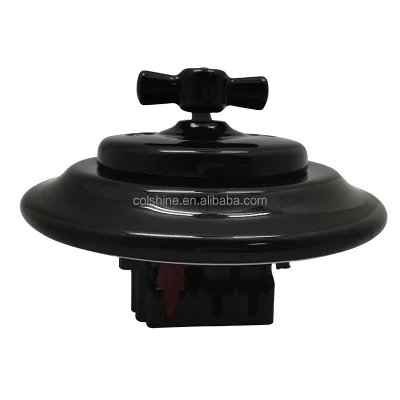
The Trumpet Phenolic Light Socket with Switch represents a specialized component designed for high-temperature environments where durability and electrical safety are paramount. These units typically feature a phenolic or bakelite body, a material chosen for its excellent thermal resistance and electrical insulation properties, allowing them to withstand the heat generated by incandescent and LED bulbs without deforming. The distinctive trumpet-shaped shell provides a robust housing that protects internal contacts while offering a classic aesthetic suitable for various lighting fixtures.
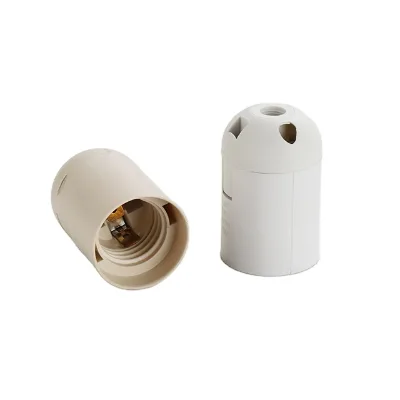
Procurement of these sockets requires a clear understanding of their specific interface styles, which often include bayonet bases or screw caps depending on the bulb type. Buyers must distinguish between models designed for B22 bayonet bulbs and those intended for E26 screw bases, as the internal threading and locking mechanisms differ significantly. The inclusion of an integrated switch adds a layer of convenience, allowing users to control the light source directly from the socket, a feature particularly valuable in desk lamps, wall lamps, and decorative fixtures where a separate wall switch is impractical.
Product Scope and Observed Listing Signals
The market for trumpet phenolic sockets displays a wide range of configurations, with observed listing prices varying between $0.12 and $7.00 USD, reflecting differences in material quality, switch mechanisms, and packaging volumes. Minimum Order Quantities (MOQs) are equally variable, ranging from 50 units for sample or small-batch orders up to 10,000 units for large-scale industrial procurement. This variance suggests that buyers should carefully evaluate their volume requirements against unit costs, as the per-unit price often decreases significantly with higher order quantities.
Product listings frequently highlight specific customization options, including color choices like black or white, and various cable types ranging from rigid to flexible 0.5-1.5mm² wires. The observed data indicates that some models are packaged in gift boxes for retail applications, while others are bulk-packed for industrial use. Buyers should verify the exact packing configuration, as some suppliers offer 1000 units per carton while others provide smaller 500-unit packs or 10-piece gift sets, which impacts logistics planning and storage requirements.
Technical Specifications to Verify
When evaluating technical specifications, the rated voltage and current are critical parameters that must align with the intended lighting application. The observed data confirms a standard rated voltage of 250V and a rated current of 2A, with some models supporting a rated power of up to 250W. It is essential to verify that the socket's thermal rating, often listed as T180°C, matches the heat output of the specific light source being used, particularly when dealing with high-wattage incandescent bulbs that generate significant heat.
The physical interface and installation method are equally important for ensuring a secure fit and reliable electrical connection. Buyers should confirm whether the product utilizes a bayonet base or a screw cap interface, as this dictates the compatible bulb type. Additionally, the terminal type, typically screw-in, and the cable finish, which is often stripped to 7-10mm or 11mm, must be compatible with the wiring harness of the final fixture. The installation method, described as a spiral screw, requires precise torque application to ensure the socket remains secure without damaging the phenolic body.
Compliance and Safety Documentation
Safety compliance is a non-negotiable aspect of sourcing electrical components, and the observed listings indicate that many trumpet phenolic sockets carry RoHS and CE certifications. These certifications suggest that the products meet specific environmental and safety standards regarding hazardous substances and electrical safety, which is crucial for exporting to markets in Europe and other regions with strict regulatory requirements. Buyers must request valid certification documents from suppliers to ensure that the specific batch of products being purchased adheres to these standards.
In addition to general certifications, the grounding status and IP rating should be verified to ensure the socket is suitable for the intended environment. Some models are described as having standard grounding, which is essential for safety in commercial, industrial, and residential applications where leakage currents could pose a risk. The IP rating, often noted as "With Switch" in the context of protection, indicates the level of ingress protection against dust and water, which is particularly relevant for applications in kitchens, bathrooms, or outdoor settings where moisture exposure is a concern.
Cost Drivers and Commercial Terms
The cost of trumpet phenolic sockets is driven primarily by the raw materials used, specifically the phenolic resin for the body and copper or phosphor bronze for the contact points. Variations in the metal alloy used for the contacts can significantly impact the price, as higher-grade materials offer better conductivity and corrosion resistance. Buyers should inquire about the specific metal composition to understand the cost structure, as the use of brass or phosphor bronze versus standard copper can influence both the price and the long-term reliability of the socket.
Commercial terms such as lead time and payment conditions are also significant factors in the total cost of ownership. While specific lead times are not universally standardized in the provided data, the wide range of MOQs suggests that suppliers may offer different pricing tiers based on order volume. Buyers should negotiate clear terms regarding production lead times, especially for customized orders involving specific colors or cable types, to avoid delays in their manufacturing schedules. Additionally, understanding the packaging details, such as whether items are packed in gift boxes or bulk cartons, can affect shipping costs and handling efficiency.
Supplier Qualification and Quality Control
Selecting a qualified supplier requires a thorough vetting process that goes beyond the basic product specifications listed on a catalog. Buyers should verify the supplier's origin, as the observed data indicates that many of these products originate from China, a major hub for electrical component manufacturing. It is advisable to request a factory audit or a detailed profile of the supplier's quality control processes to ensure consistent production standards and to mitigate the risk of receiving substandard goods.
Quality control measures should include rigorous testing of the socket's thermal resistance, electrical continuity, and mechanical durability. Buyers should ask for test reports that validate the rated temperature of T180°C and the rated current of 2A to ensure the product can handle the intended load without failure. Furthermore, inspecting the cable finish and terminal connections for consistency is vital, as poor stripping or loose screws can lead to electrical arcing or connection failures in the field. Establishing a clear quality agreement with the supplier before placing a large order is essential for maintaining product integrity.
Long-Term Procurement Checks
Sourcing trumpet phenolic sockets is not a one-time transaction but an ongoing relationship that requires regular performance monitoring. Buyers should implement a system for tracking the performance of the sockets in the field, paying close attention to any signs of overheating, discoloration, or contact degradation over time. This feedback loop is crucial for identifying potential quality issues early and for making informed decisions about future orders or supplier changes.
Long-term procurement also involves staying updated on changes in industry standards and regulations that may affect the product's compliance status. As environmental and safety standards evolve, suppliers may need to update their materials or manufacturing processes to remain compliant. Buyers should maintain open communication with their suppliers to ensure that any changes in the product design or certification status are communicated promptly, allowing for necessary adjustments in the supply chain to avoid disruptions.
FAQs
What is the rated voltage and current for this socket?
The rated voltage is 250V and the rated current is 2A. This ensures safe operation for standard lighting applications. These electrical limits define the maximum load the phenolic housing and copper contacts can handle without overheating or failure during continuous use.
Which light sources are compatible with this socket?
It supports B22 lamps, B22 incandescent lamps, and B22 LED bulbs. The bayonet base interface ensures a secure connection for these specific bulb types. This compatibility makes it suitable for various decorative and functional lighting setups requiring standard bayonet fittings.
Can I customize the color of the socket housing?
Yes, customization is available for the housing color. Options typically include black or white finishes to match different lamp designs. This flexibility allows buyers to select a color that aligns with their specific product aesthetics or branding requirements for desk or wall lamps.
What materials are used for the housing and contacts?
The housing is made of Bakelite or phenolic material, providing heat resistance up to T180°C. The contact material is copper, ensuring reliable electrical conductivity. This combination offers durability and safety for applications like chandeliers, office lamps, and decorative lighting fixtures.
What certifications does this product hold?
The product holds RoHS and CE certifications. These indicate compliance with environmental standards and European safety regulations. Buyers can rely on these certifications for sourcing into regulated markets, ensuring the components meet necessary quality and safety benchmarks for electrical accessories.
How is the cable connected to the socket?
The cable connects via screw-in type terminals using a spiral screw installation method. It accepts rigid or flexible cables with a cross-section of 0.5-1.5mm². The cable finish requires stripping 7-10mm for proper termination, ensuring a secure and stable electrical connection.