Source Universal Ceiling Light Mount Plate with Bubble Level for panel, chandelier, billboard
Compare 30 listings for a Universal Ceiling Light Mount Plate with Bubble Level designed for LED panel lights, chandeliers, and billboards. Buyers can evaluate specifications like load capacity, material, and certification from verified suppliers in Guangdong.
Key considerations
Products List
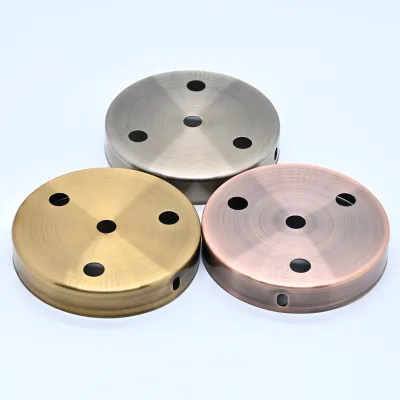


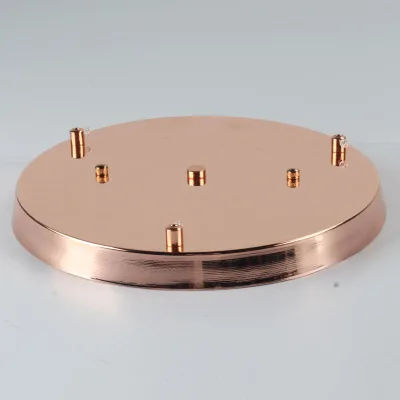


Stylish Copper Ceiling Plates: Secure & Beautiful Light Fixture Mounting
$0.23 - $0.30
MOQ: 100 Pieces


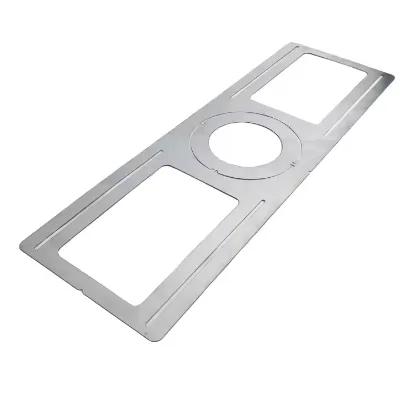
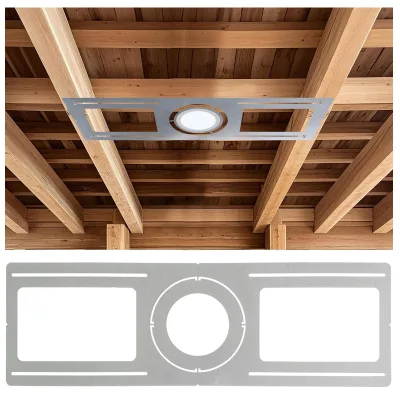
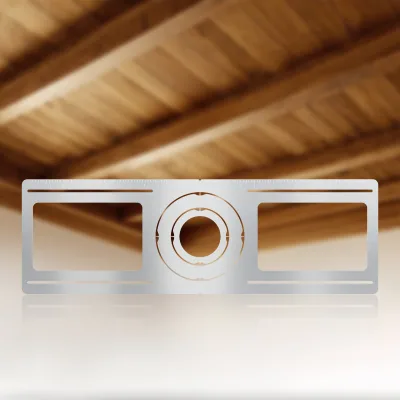
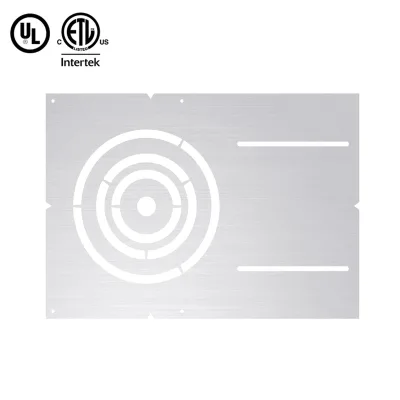
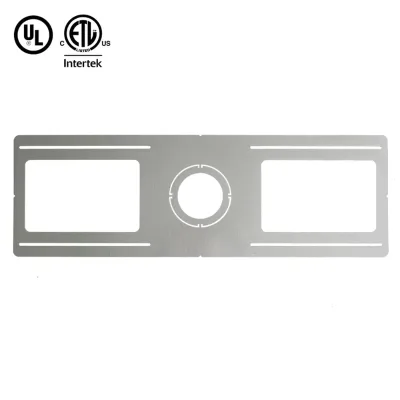


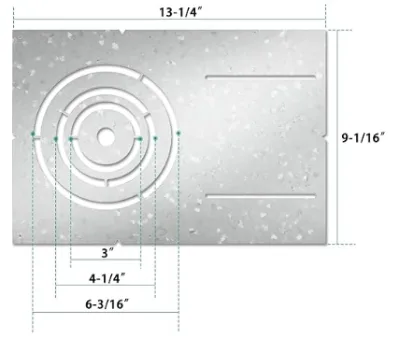
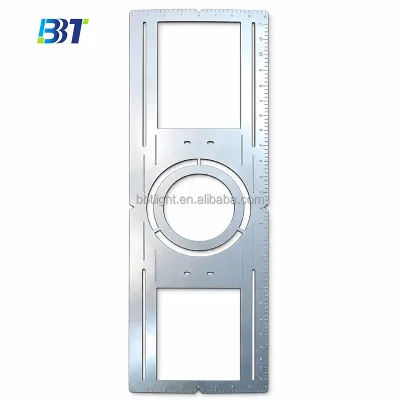
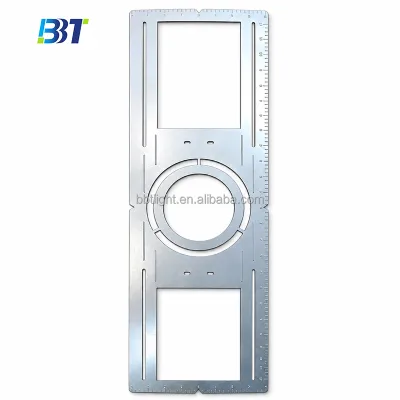
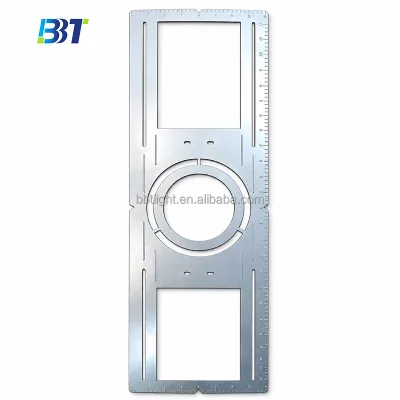
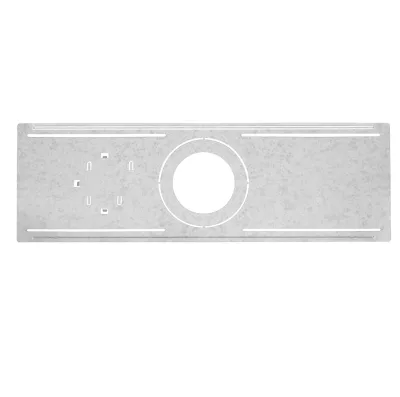

White Black Ceiling Mount MR16 GU10 Light Source Spot Down Ceiling Lamp
$0.89 - $0.98
MOQ: 1000 Pieces

Comprehensive Sourcing Guide
Universal Ceiling Light Mount Plate with Bubble Level Sourcing Guide
Sourcing ceiling light mount plates with integrated bubble levels requires a nuanced understanding of both mechanical fixation and electrical integration. These components serve as the critical interface between the structural ceiling and the lighting fixture, ensuring stability, alignment, and safety. For procurement professionals, the primary challenge lies in distinguishing between simple mechanical brackets and complex, integrated lighting solutions that combine structural support with electrical housing. The presence of a bubble level indicates a focus on precision installation, which is particularly valuable for large-format fixtures, chandeliers, or commercial LED panels where aesthetic alignment is paramount. Buyers must evaluate whether the mount plate is a standalone hardware item or part of a complete lighting assembly, as this distinction drastically affects pricing, certification requirements, and supply chain logistics.
The market for these components is diverse, ranging from basic iron or steel brackets to sophisticated brass or stainless steel units designed for high-end contemporary or European-style interiors. Observed product data suggests a wide variance in material composition, with options including galvanized steel, iron, and mixed-metal constructions. This variability impacts not only the aesthetic finish—available in white, black, rose gold, or gold—but also the load-bearing capacity and corrosion resistance. Procurement teams must align their material selection with the specific environmental conditions of the installation site, whether it be a dry indoor residential space or a humid commercial environment. Furthermore, the integration of a bubble level adds a layer of quality control to the manufacturing process, requiring suppliers to demonstrate precision in their molding or machining capabilities to ensure the level remains accurate over time and under load.
Product Scope and Observed Listing Signals
The current market landscape for universal ceiling mount plates reveals a significant divergence in product definitions, ranging from pure mechanical fixations to fully integrated LED lighting units. Listings indicate that some products are categorized strictly as "fixation" or "ceiling fixation" components, designed to support heavy loads such as LED chandeliers or billboards, with observed load capacities reaching up to 100KG. In contrast, other listings describe complete lighting solutions that include the mount plate as an integral part of the fixture, featuring integrated LED sockets, specific color temperatures like 4100K Neutral White, and defined power outputs. This ambiguity necessitates a rigorous clarification step during the inquiry phase, where buyers must explicitly define whether they are sourcing a hardware accessory or a finished lighting product. Misalignment in this definition can lead to significant discrepancies in compliance requirements, as a standalone metal bracket has different regulatory implications than a complete electrical device with a light source.
Observed listing signals also highlight a strong emphasis on customization and aesthetic versatility, which are key drivers in the B2B procurement of these items. Suppliers frequently offer OEM and ODM services, allowing buyers to tailor the shape, size, and finish of the mount plate to match specific design requirements. The observed data shows a range of shapes, including circular and square designs, with customizable dimensions that can accommodate various fixture footprints. Additionally, the availability of multiple color options, such as white, black, and metallic finishes, suggests that buyers should prioritize suppliers with robust surface treatment capabilities, such as powder coating or electroplating, to ensure color consistency and durability. The presence of "Modern simplism style" and "European" style descriptors indicates that aesthetic trends play a crucial role in product selection, requiring buyers to maintain close communication with suppliers regarding design specifications to avoid mismatches in final delivery.
Technical Specifications to Verify
When evaluating technical specifications, the material composition of the mount plate is the most critical factor influencing performance and longevity. Buyers must verify the base material, which can range from iron to brass, stainless steel, or galvanized steel, as each offers different levels of strength, weight, and corrosion resistance. For heavy-duty applications, such as supporting LED panels or chandeliers, the structural integrity of the material must be confirmed through engineering drawings or material test reports. The observed data indicates a product weight of approximately 0.5 kg for certain units, which provides a benchmark for density and material thickness. However, buyers should not assume that all mount plates share this weight, as larger or heavier-duty variants may require thicker gauge metals or reinforced internal structures. Verifying the exact material grade and thickness is essential to ensure that the mount plate can safely support the intended load without deformation or failure over time.
Electrical and dimensional specifications are equally important, particularly when the mount plate is part of an integrated lighting system. Buyers must confirm the input voltage compatibility, with observed values indicating AC 220V (±10%) for integrated units, and verify whether the product supports dimming functions, as some listings explicitly state "No" for dimmer support. The color temperature, typically observed at 4100K for neutral white applications, and the Color Rendering Index (Ra), noted at 60 in some listings, are key performance indicators that affect the quality of light output. Additionally, the physical dimensions of the mount plate, including single package sizes and overall footprint, must be verified to ensure compatibility with the ceiling structure and the lighting fixture. Buyers should also inquire about the working hours and lamp luminous efficiency, as these metrics provide insight into the expected lifespan and energy efficiency of the integrated lighting solution, ensuring that the product meets the desired operational standards.
Compliance and Safety Documentation
Compliance with international safety and environmental standards is non-negotiable for ceiling light mount plates, especially those that are integrated with electrical components. The observed data highlights several key certifications, including CE, RoHS, VDE, and ISO, which indicate adherence to European and international safety, electromagnetic compatibility, and hazardous substance restrictions. For buyers targeting markets in Europe or other regions with strict regulatory frameworks, verifying the validity and scope of these certifications is crucial. It is important to note that certification status can vary between different product models and suppliers, so buyers must request current certification documents for the specific SKU being procured. Additionally, the presence of GS marks suggests compliance with German safety standards, which can be a valuable indicator of high-quality manufacturing practices. Buyers should ensure that the certification covers not just the electrical components but also the structural integrity of the mount plate, particularly if it is designed to support significant loads.
Environmental and material compliance is another critical aspect of the documentation review process. RoHS certification, frequently observed in the listings, ensures that the mount plate and any integrated components are free from specific hazardous substances, such as lead, mercury, and cadmium. This is particularly relevant for buyers who need to meet corporate sustainability goals or comply with environmental regulations in their target markets. Buyers should also verify the material safety data sheets (MSDS) for any coatings or finishes used on the mount plate, such as powder coating or electroplating, to ensure they do not contain harmful volatile organic compounds (VOCs). Furthermore, for products claiming specific performance metrics, such as working hours or luminous efficiency, buyers should request test reports from accredited laboratories to validate these claims. This due diligence helps mitigate the risk of non-compliance and ensures that the procured products meet all necessary legal and ethical standards.
Cost Drivers and Commercial Terms
The cost of universal ceiling light mount plates is influenced by a complex interplay of material costs, manufacturing complexity, and commercial terms. The choice of base material, such as brass versus galvanized steel, significantly impacts the unit price, with precious metals commanding a premium due to their durability and aesthetic appeal. Additionally, the inclusion of a bubble level and the precision required for its integration add to the manufacturing cost, as it necessitates tighter tolerances and quality control measures. Buyers should also consider the impact of customization on pricing, as OEM and ODM services often involve setup fees and minimum order quantities (MOQs) that can vary widely. Observed MOQs range from 1 to 1000 pieces, indicating that suppliers may offer flexible terms for smaller orders but require larger volumes for customized or high-specification products. Understanding these cost drivers allows buyers to negotiate more effectively and align their procurement strategy with their budget constraints.
Commercial terms, including payment methods and shipping arrangements, also play a significant role in the total cost of ownership. Observed payment methods include PayPal and T/T (Telegraphic Transfer), which offer varying levels of security and convenience for international transactions. Buyers should evaluate the payment terms in the context of their risk management policies, considering factors such as credit terms, advance payments, and escrow services. Additionally, the shipping cost and lead time are critical components of the commercial equation, especially for bulky or heavy items like ceiling mount plates. The observed single package size of 10x10x5 cm and a gross weight of 0.5 kg provide a baseline for calculating freight costs, but buyers should confirm these details for each specific order, as dimensions and weights can vary based on packaging and product configuration. Negotiating favorable shipping terms, such as FOB or CIF, can help optimize the overall procurement cost and ensure timely delivery to the project site.
Supplier Qualification and Quality Control
Supplier qualification is a foundational step in ensuring the reliability and consistency of universal ceiling light mount plate supplies. Buyers should prioritize suppliers with a proven track record in manufacturing lighting fixtures and hardware, as evidenced by their certifications, production capacity, and quality management systems. The observed data indicates that many suppliers are located in Guangdong, China, a region known for its robust manufacturing ecosystem and expertise in lighting products. However, geographic location alone is not a guarantee of quality, so buyers must conduct thorough due diligence, including factory audits and sample evaluations. It is essential to verify the supplier's ability to meet specific technical requirements, such as load-bearing capacity and material specifications, through rigorous testing and inspection protocols. Suppliers who offer free samples, with the buyer covering freight costs, provide an opportunity to assess product quality firsthand before committing to a larger order.
Quality control measures should be integrated into the procurement process to minimize the risk of defects and ensure product consistency. Buyers should establish clear quality standards and inspection criteria, covering aspects such as material thickness, surface finish, dimensional accuracy, and the functionality of the bubble level. Regular in-process inspections and final random inspections (FRI) can help identify and rectify issues before shipment. Additionally, buyers should require suppliers to provide detailed quality reports, including test results for load-bearing capacity, corrosion resistance, and electrical safety (if applicable). Establishing a strong relationship with the supplier through clear communication and mutual expectations can also enhance quality control, as it encourages collaborative problem-solving and continuous improvement. By implementing a comprehensive quality control strategy, buyers can mitigate risks and ensure that the procured mount plates meet their performance and aesthetic requirements.
Long-Term Procurement Checks
Long-term procurement success depends on the ability to monitor and adapt to changes in product performance, supplier reliability, and market dynamics. Buyers should establish a system for tracking key performance indicators (KPIs) related to the mount plates, such as defect rates, delivery times, and customer feedback. Regular reviews of these metrics can help identify potential issues early, allowing for proactive corrective actions. Additionally, buyers should maintain open lines of communication with suppliers to stay informed about any changes in materials, manufacturing processes, or compliance requirements. This ongoing dialogue can facilitate continuous improvement and ensure that the procured products remain aligned with evolving project needs and regulatory standards. By fostering a collaborative relationship with suppliers, buyers can leverage their expertise to optimize product design and performance, ultimately enhancing the value of the procurement.
Furthermore, buyers should periodically reassess their supplier base to ensure it remains competitive and resilient. This may involve benchmarking against alternative suppliers, exploring new technologies or materials, and evaluating the financial stability of current partners. The observed warranty periods of 2 to 3 years provide a baseline for product durability, but buyers should verify whether these warranties are backed by robust
FAQs
What certifications do the ceiling light mounts have?
The mounts carry CE, RoHS, ISO, VDE, and GS certifications. These standards ensure safety and compliance for international markets, allowing use in LED panel lights and chandeliers without additional testing requirements.
How much is the minimum order quantity for these mounts?
The minimum order quantity is 100 pieces per item. Buyers can request samples free of charge but must cover freight costs, making it feasible to test quality before committing to larger bulk orders.
Which materials are used to construct the mounting plates?
Manufacturers use brass, stainless steel, galvanized steel, and iron for construction. These durable materials support loads up to 100KG and ensure long-term stability for various lighting applications like billboards and chandeliers.
Can I customize the color and size of the mount?
Customization is available for both color and size specifications. Buyers can choose from white, black, rose gold, or gold finishes, and request specific dimensions to match their unique lighting design requirements.
What is the warranty period for the ceiling light fixtures?
The warranty period ranges from 2 to 3 years depending on the specific model. This coverage protects against manufacturing defects, ensuring reliability for projects requiring long-term performance and reduced maintenance costs.
How do I pay for the universal ceiling light mount orders?
Accepted payment methods include PayPal and Telegraphic Transfer. These secure options facilitate smooth transactions for international buyers, supporting both small sample orders and large-scale procurement contracts efficiently.