Source Unlocked Compatible UV Printheads for Printers
Find 30 Unlocked Compatible UV Printhead options for UV flatbed, roll-to-roll, and digital printing applications. Compare models like TX800, XP600, and i3200 from various origins to identify suitable replacements for your printing machinery needs; compare the available evidence and request quotations based on your requirements.
Key considerations
Products List


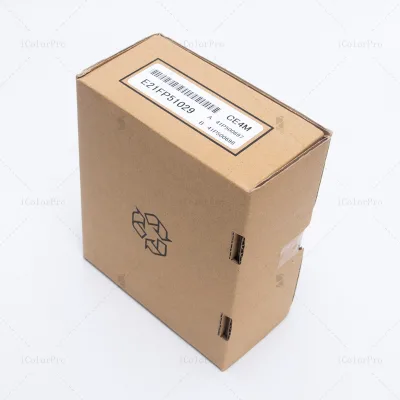


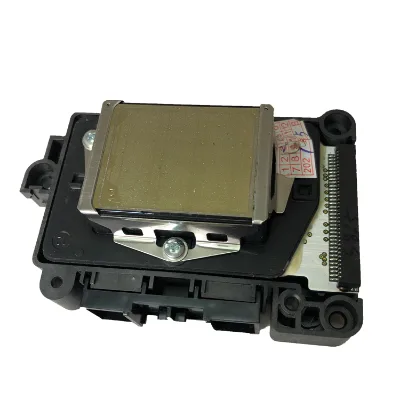


UV Inkjet Printhead I3200-U1 Compatible Print Head 4720 3200 Printheads for UV Printers
$985.00 - $1285.00
MOQ: 1 Pieces

Original UV Printer Heads I3200 U1 Printheads for UV Dtf Printing Machine
$985.00 - $1285.00
MOQ: 1 Pieces


High-Quality Original New Dx7 F189010 Unlocked Inkjet Printhead for Inkjet Printer
$495.00 - $1155.00
MOQ: 1 Pieces


Printhead Replacement F1860100030 Eco Solvent Printer Unlocked Dx5 Head
$1058.00 - $1068.00
MOQ: 1 Pieces


100% New and Original Unlocked Dx5 Printhead C14fa26002 Print Head Price
$1058.00 - $1068.00
MOQ: 1 Pieces

Comprehensive Sourcing Guide
Unlocked Compatible UV Printhead Sourcing Guide
Procuring unlocked compatible UV printheads requires a precise understanding of the specific printer architecture and ink chemistry to ensure operational compatibility. Buyers must verify that the selected unit matches the exact model number of their existing printing machinery, such as the TX800, XP600, or i3200 series, to prevent mechanical misalignment or electrical failure. The market offers various configurations, including those designed for UV flatbed and roll-to-roll applications, necessitating a careful review of the product's stated usage before finalizing any purchase order.
The availability of these components often varies significantly between suppliers, with some listing items as original stock while others may offer refurbished or alternative units. It is critical to confirm the condition status, such as "New Original" or "Good," as this directly impacts the expected lifespan and print quality consistency. Buyers should also scrutinize the packaging details, ensuring the item arrives in a protective carton or box that maintains the integrity of the delicate nozzle array during transit.
Product Scope and Observed Listing Signals
The current market listings for unlocked compatible UV printheads display a wide price range, reflecting differences in brand origin, model generation, and condition status. Observed data indicates prices can range from approximately 79 to 17,300 USD, a variance driven by factors such as the specific printhead technology, whether it is a thermal transfer type, and the inclusion of original manufacturer branding like Toshiba. This broad spectrum suggests that buyers must carefully evaluate the cost against the specific performance requirements of their production line rather than assuming a higher price guarantees superior compatibility.
Listing signals also reveal diverse minimum order quantities, typically ranging from one piece to three units, which allows for flexible procurement strategies for small workshops or large industrial facilities. Many suppliers indicate that customization is available, offering a pathway to tailor the printhead to specific ink types, such as pigment or DTF inks, though this requires explicit confirmation of the supplier's capabilities. Buyers should note that while some listings claim a weight of 60g or 0.5kg, these figures may vary based on the specific model and packaging, requiring verification against the actual product specifications provided.
Technical Specifications to Verify
Technical verification begins with confirming the exact model number and physical dimensions to ensure a perfect fit within the printer carriage. The supplied data highlights specific models like the Fa96001, F1080, and CE4M, alongside standard dimensions such as 84.9 x 57.2 x 42.6 mm, which are essential for mechanical integration. Buyers must cross-reference these measurements with their printer's manual to avoid installation errors that could lead to costly downtime or damage to the print head assembly.
Ink compatibility and nozzle configuration are equally critical technical parameters that determine the final print quality and operational efficiency. The listings mention applicability for various ink types, including pigment and DTF inks, and specify usage for UV flatbed and roll-to-roll printers. It is imperative to validate that the printhead's nozzle count and firing frequency align with the desired print resolution and speed, as mismatches here can result in banding, color inconsistency, or reduced throughput in high-volume production environments.
Compliance and Safety Documentation
Ensuring compliance with international safety and quality standards is a fundamental step in the procurement of industrial printing components. The observed listings frequently cite certifications such as CE, ISO, and RoHS, which indicate adherence to specific regulatory frameworks regarding electrical safety and hazardous substance restrictions. Buyers should request valid certification documents from the supplier to confirm that the printheads meet the necessary safety requirements for operation within their specific geographic region and industry sector.
Beyond general certifications, specific documentation regarding the product's origin and manufacturing standards provides additional assurance of quality and reliability. The data indicates origins from both Japan and China, suggesting that buyers must verify the manufacturing location to understand the quality control processes employed. While some listings mention ISO 9001, this should be treated as a verification point rather than an automatic guarantee, requiring the buyer to confirm that the specific batch of printheads was produced under these certified management systems.
Cost Drivers and Commercial Terms
The total cost of ownership for unlocked compatible UV printheads is influenced by several commercial factors beyond the unit price, including shipping methods and lead times. Listings show delivery options via DHL, UPS, TNT, and FedEx, with lead times typically ranging from 3 to 7 workdays, which can significantly impact project timelines and inventory planning. Buyers should calculate the total landed cost by factoring in these shipping variables, as expedited delivery options may be necessary to maintain production schedules but will increase the overall expenditure.
Payment terms and warranty conditions also play a pivotal role in the financial risk assessment of the procurement process. The observed data indicates that payment is often required via T/T, and warranty coverage is frequently listed as unavailable, which places the burden of quality assurance entirely on the buyer. This lack of warranty support necessitates a thorough pre-purchase inspection and testing protocol, as any defects discovered after installation will likely result in a total loss of the investment without recourse for replacement or refund.
Supplier Qualification and Quality Control
Supplier qualification requires a rigorous assessment of their ability to provide genuine or high-quality compatible components that meet strict performance standards. Buyers should prioritize suppliers who explicitly state that their products are "100% Original" or "New Original," as this distinction often correlates with better reliability and longer operational life. It is essential to verify the supplier's track record in handling sensitive electronic components, ensuring they have the necessary expertise to prevent damage during packaging and shipping.
Quality control measures must be established to validate the condition and functionality of the printheads upon receipt. The listings mention various weight specifications, such as 0.15kg net weight or 0.5kg gross weight, which can serve as a quick check for packaging integrity and component authenticity. Buyers should implement a receiving protocol that includes visual inspections for physical damage and functional tests to confirm that the nozzle array is free from clogs or defects before integrating the unit into the production line.
Long-Term Procurement Checks
Establishing a long-term procurement strategy involves regular monitoring of supplier performance and product consistency to ensure ongoing operational stability. Buyers should maintain a log of lead times, delivery accuracy, and product performance to identify any trends that might indicate a decline in quality or reliability. This data-driven approach allows for proactive adjustments to the supply chain, ensuring that the production line is not disrupted by unexpected component failures or delays in restocking.
Continuous verification of product specifications and compatibility is necessary as printer models and ink technologies evolve over time. The market for unlocked compatible UV printheads is dynamic, with new models like the I3200 and 4720 emerging alongside older standards. Buyers must stay informed about these developments and regularly update their technical requirements to ensure that their procurement decisions remain aligned with the latest industry standards and the specific needs of their printing applications.
FAQs
How can I verify an Unlocked Compatible UV Printhead is original before ordering?
Ask for the model number, status notation such as New Original, and clear product photos before ordering. Many listings state 100 percent original status and available stock, so confirm these details in writing. Requesting the packing details, such as carton or box packaging, and the stated origin helps you cross-check the listing against your expectations.
What ink types work with these unlocked compatible uv printheads?
Listed printheads are used with pigment ink and DTF ink in UV applications, and some models serve UV flatbed printers. Always confirm ink compatibility for your specific model before purchase, since ink chemistry affects nozzle life and print quality. Matching the ink type to the printhead specification prevents clogging and premature failure.
Which printer models do these printheads fit?
Listed models include TX800, TX820, XP600, I3200, and 4720 printheads, with applications covering inkjet printers, UV flatbed printers, and UV roll to roll printers. Check the model number in the listing against your printer's service manual before ordering. Compatibility depends on the exact board and carriage configuration of your machine.
Can I order a single Unlocked Compatible UV Printhead as a sample?
Yes, the listed MOQ is one piece, so you can order a single unit to test before committing to volume. Minimum order quantities across listings range from one to three pieces. Ordering a sample first lets you verify print quality and fitment, then scale up once the printhead performs as expected in your printer.
What are the typical lead time and shipping options?
Listed lead times range from three to five days, with delivery in three to seven workdays depending on the listing. Shipping is available through DHL, UPS, TNT, and FedEx, and some suppliers also offer express, air, or sea shipping. Confirm the exact lead time and carrier with the supplier, since stock status can affect dispatch speed.
How should an Unlocked Compatible UV Printhead be packed for shipping?
Listings describe carton, box, and carton box packing, with some items sold as a single unit. Printheads are sensitive components, so confirm that protective inner packaging is included and that the gross weight, around 0.2 kilograms for some models, matches expectations. Good packing reduces the risk of nozzle damage during international transit.
What certifications do suppliers of these printheads hold?
Listed products reference CE, ISO, and RoHS certification, though certification applies to individual listings rather than every product. Ask the supplier to provide the relevant certificates for the specific model you intend to buy before payment. Verifying documentation protects you when importing printheads into markets with compliance requirements.
Can these printheads be customized for specific printing applications?
Customization is listed as available, so you can discuss modifications with the supplier for your UV flatbed or roll to roll application. Provide your printer model, required printhead specification such as TX800 or XP600, and quantity. Custom requests may extend the three to five day lead time, so confirm the revised schedule before placing the order.