Source Universe Series 3D Crystal Ball for Souvenir, Home Decoration, and Holiday Gifts
Explore 30 listings for the Universe Series 3D Crystal Ball to compare specifications like size, material, and customization options. Buyers can evaluate artificial crystal balls with features such as 3D laser engraving and various packaging styles for business or personal use.
Key considerations
Products List

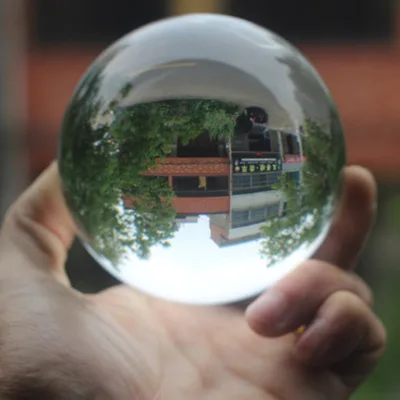


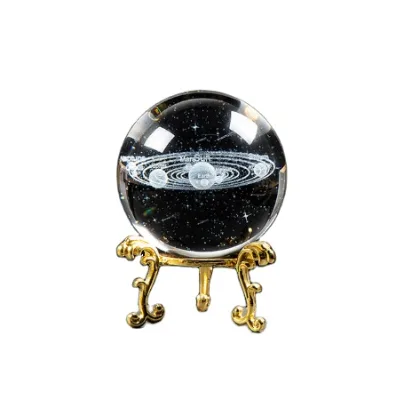

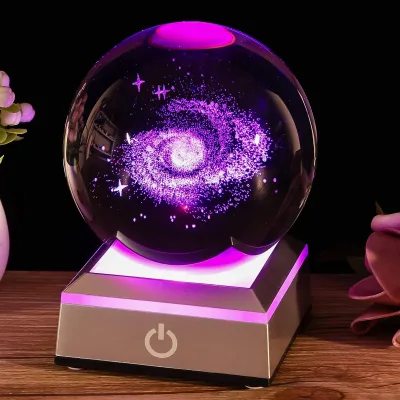
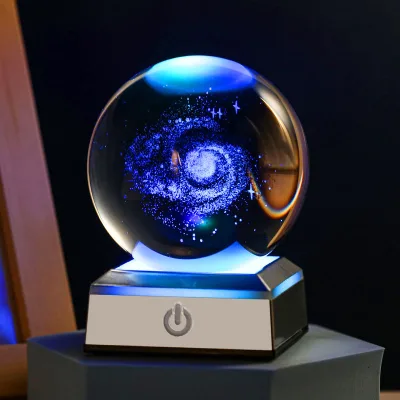

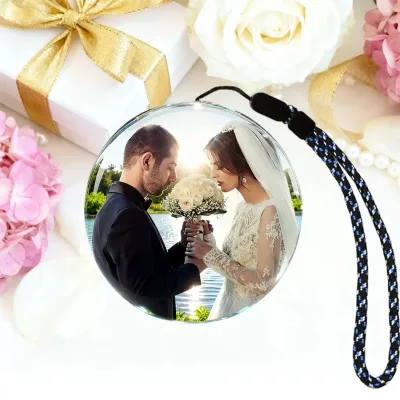

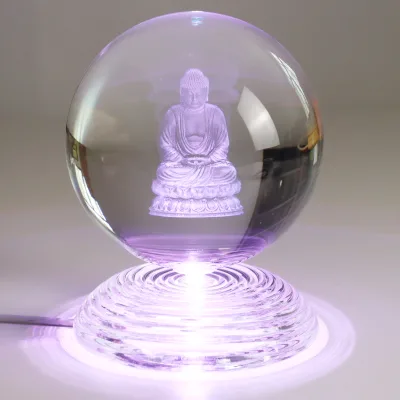
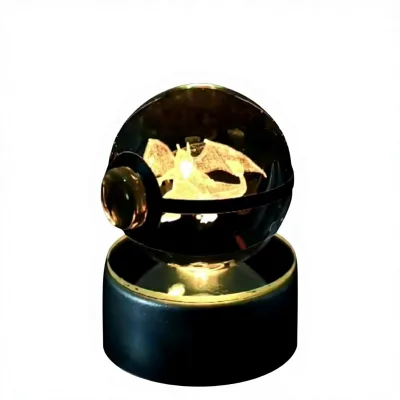
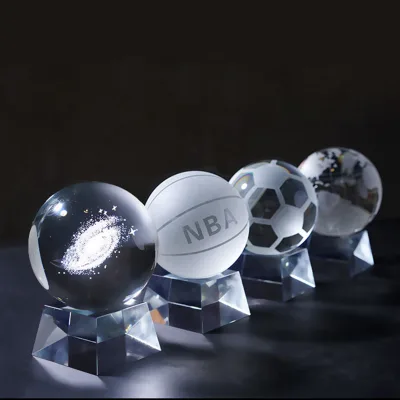
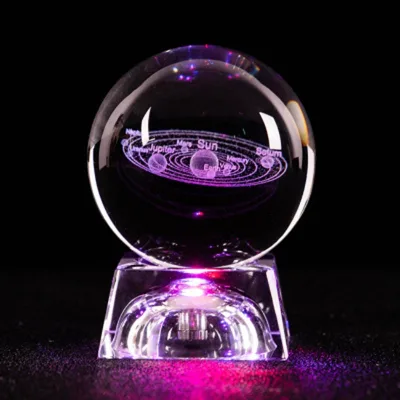
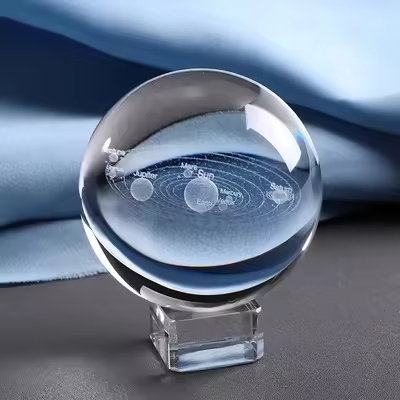
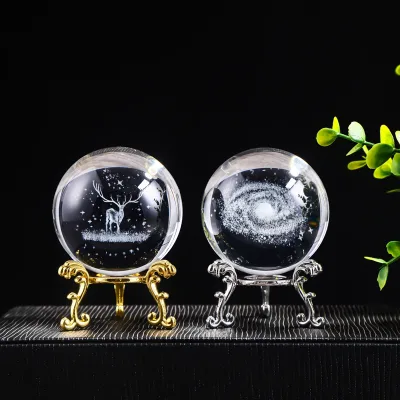
Comprehensive Sourcing Guide
Strategic Sourcing Guide for Universe Series 3D Crystal Ball Procurement
Understanding Product Attributes and Technical Specifications
When evaluating the Universe Series 3D Crystal Ball category, buyers must first distinguish between the physical construction and the functional capabilities of the items listed in the market. The core material for these decorative and promotional items is consistently identified as artificial crystal. This material choice is critical for achieving the desired optical clarity and weight characteristics associated with high-end souvenirs and gifts. The manufacturing technique applied to this artificial crystal is primarily polishing, which ensures a smooth, transparent finish that enhances light refraction.
The optical properties of these products are defined by their clarity and transparency. Market observations indicate that the clarity is rated as "Transparent," and the material is explicitly described as "Artificial Crystal." This transparency is essential for the internal laser engraving process often used to create the "universe" or 3D effect within the sphere. The size specifications for these crystal balls vary significantly across different models, ranging from compact dimensions of 30mm up to larger spheres of 1000mm. Specific model numbers such as LSCB-006, LSCB-009, and LS041B correspond to distinct size profiles, including standard increments like 50mm, 60mm, 70mm, 80mm, 90mm, 100mm, 110mm, 120mm, 130mm, 150mm, and 320mm. Buyers should verify the exact diameter required for their specific application, as the visual impact changes drastically between a 50mm desk ornament and a 320mm centerpiece.
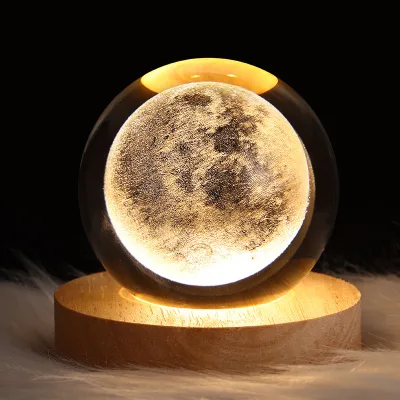
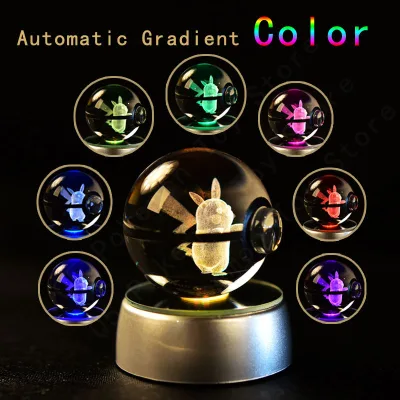
Beyond the sphere itself, some variations in the product line include integrated lighting systems. For instance, certain configurations feature a wooden lamp body with a 24V voltage requirement and a 5W power rating. These units are designed as USB-powered devices, utilizing an electric power source. The lighting functionality in these specific models is characterized by a "Changeable" or "Changing" emitting color, allowing for dynamic visual effects. The switch mechanism for these illuminated versions is typically a pullswitch. It is important to note that not all 3D crystal balls include these electronic components; many are purely decorative glass or crystal spheres intended for engraving only. The distinction between a standalone crystal ball and an illuminated lamp unit is a primary factor in defining the product scope.
Compliance, Certification, and Safety Standards
In the realm of B2B procurement, verifying compliance with international safety and environmental standards is non-negotiable. For the Universe Series 3D Crystal Ball category, the supply chain data indicates that products often carry RoHS and CE certifications. RoHS (Restriction of Hazardous Substances) compliance is particularly relevant for any unit containing electronic components, such as the 24V USB-lit variants, ensuring that hazardous materials like lead and mercury are absent from the manufacturing process. The CE marking indicates conformity with health, safety, and environmental protection standards for products sold within the European Economic Area.
Buyers must treat these certifications as observations of specific product batches rather than universal guarantees for every item in the category. When sourcing, it is imperative to request current certification documentation for the specific model and batch being purchased. While the general product line is associated with these marks, the absence of a specific certification on a non-electronic crystal sphere does not necessarily imply non-compliance, but the presence of electronics makes these checks mandatory. Additionally, the products originate from manufacturing hubs in China, specifically regions like Fuzhou and Zhejiang. Sourcing from these locations requires a heightened focus on verifying that the export documentation accurately reflects the certifications claimed.
For buyers targeting markets with strict environmental regulations, the presence of RoHS and CE is a baseline requirement. However, buyers should also consider local standards that may exceed these baseline certifications. For example, if the product is intended for use in schools or public spaces, additional fire safety ratings or impact resistance tests might be necessary. The standard packaging for these items often includes a "Safe Box" or "Safe Packing" designation, which implies a level of protection during transit, but this should be verified against the specific fragility of the crystal material. The "Simple White Box" or "Gift Box" options also suggest different levels of retail readiness, which may influence the final compliance requirements for the end-user market.
Cost Drivers and Pricing Dynamics
The pricing structure for universe series 3D crystal balls is influenced by a complex interplay of material costs, customization complexity, and order volume. The observed price range in the market spans from $0.50 to $3,500 USD. This wide disparity is not arbitrary but reflects the significant differences in size, functionality, and customization depth. A basic 30mm artificial crystal sphere with no lighting or complex engraving will sit at the lower end of this spectrum, while a large, custom-engraved, illuminated unit with a wooden base will command a premium price.
Material costs are a primary driver. The use of high-quality artificial crystal, polished to a high degree of transparency, incurs a base cost that scales with the volume of material used. Larger diameters, such as the 320mm or 1000mm options, require significantly more raw material and more precise polishing techniques, directly impacting the unit price. Furthermore, the inclusion of electronic components, such as the 24V USB power system and the changing color LED technology, adds a substantial cost layer. These electronic assemblies require quality control testing and specific packaging to prevent damage, further increasing the final price.
Customization is another major cost variable. The ability to add a customer logo via sandblasting, 3D laser engraving, or printing is a standard service offered, but the complexity of the design and the number of units ordered affect the unit cost. The minimum order quantity (MOQ) for these customized items is typically 50 pieces, though some listings indicate a range of 1 to 3000 units. Buyers should be aware that smaller orders near the MOQ may carry a higher per-unit cost due to setup fees for laser engraving or printing plates. Conversely, larger orders benefit from economies of scale, potentially bringing the price closer to the lower end of the observed range.
Typical Applications and Usage Scenarios
The versatility of the Universe Series 3D Crystal Ball makes it suitable for a diverse array of applications, ranging from corporate gifting to personal decoration. The product attributes explicitly list usage scenarios including souvenirs, home decoration, holiday gifts, business gifts, and art & collection. This breadth of application allows buyers to target multiple market segments with a single product line.
In the corporate sector, these items are frequently utilized as business gifts or promotional souvenirs. The ability to customize the surface with a company logo through 3D laser engraving or sandblasting makes them ideal for client appreciation events, employee recognition awards, or conference giveaways. The "Hand Made" style attribute found in some models adds a touch of exclusivity that is highly valued in high-end corporate gifting. For home decoration, the changing color feature in illuminated versions provides a modern aesthetic that fits well with contemporary interior design trends. The wooden lamp body and modern style align with current preferences for warm, ambient lighting.
Holiday gifts and seasonal promotions also represent a significant market segment. The "Changing" or "Clear" color options allow these products to be marketed as festive items, particularly during winter holidays or special occasions. The "Set" configuration, such as an 8-piece set, is particularly useful for bulk gifting or as part of a larger promotional campaign. For art and collection enthusiasts, the high clarity and polished technique of the artificial crystal make these spheres desirable as standalone decorative pieces or as canvases for intricate laser art. The specific models like LS024 set or LSCB-013 are often tailored to these niche markets, offering unique sizes and configurations that appeal to collectors.
Supplier Evaluation and Sourcing Strategy
When evaluating potential suppliers for universe series 3D crystal balls, buyers should focus on several key criteria beyond just price. The origin of the product is a critical factor, with major manufacturing hubs identified in Fuzhou and Zhejiang, China. These regions have established supply chains for glass and crystal processing, but buyers must verify the specific capabilities of the supplier within these regions. A supplier's ability to handle both the crystal polishing and the electronic assembly for illuminated models is a key differentiator.
Customization capabilities are another vital area of assessment. The market data indicates that suppliers offer various logo application methods, including sandblasting, 3D laser engraving, and printing. Buyers should request samples to evaluate the precision and quality of these engraving techniques. The depth and clarity of the 3D laser engraving are particularly important for the "universe" effect, as poor engraving can result in a blurry or indistinct image. Additionally, the availability of customization options should be confirmed, as some suppliers may have limitations on the complexity of designs or the types of materials they can work with.
Payment and shipping terms are also essential components of the supplier evaluation process. Standard payment methods observed include T/T (Telegraphic Transfer), Western Union, and Paypal. Buyers should negotiate terms that protect their interests, such as partial payments before and after production. Shipping options vary from air freight to sea transport or courier services, depending on the urgency and volume of the order. The lead time and packaging standards, such as "Safe Packing" or "Gift Box," should be clearly defined in the contract to ensure the products arrive in pristine condition.
Quality Control and Long-Term Procurement Considerations
Implementing a robust quality control (QC) protocol is essential for maintaining the integrity of the Universe Series 3D Crystal Ball supply chain. Given the fragility of the artificial crystal and the precision required for laser engraving, QC should begin at the raw material stage. Buyers should verify the clarity and transparency of the crystal before production begins. During the manufacturing process, inspections should focus on the polishing quality to ensure there are no scratches or imperfections that could detract from the visual appeal.
For illuminated models, electrical safety testing is paramount. Since these units operate on 24V and use USB power sources, they must be tested for electrical safety, heat dissipation, and the functionality of the changing color feature. The IP33 rating observed in some listings suggests a level of protection against water and dust, but buyers should confirm that this rating is maintained throughout the production run. Packaging integrity is also a critical QC point. The use of "Safe Box" or "Safe Packing" methods must be verified to prevent breakage during transit.
Long-term procurement considerations involve building a sustainable relationship with suppliers who can consistently deliver high-quality products. Buyers should establish clear specifications for size, material, and customization to avoid misunderstandings. Regular audits of the supplier's production facilities can help ensure that quality standards are maintained over time. Additionally, buyers should consider the scalability of the supplier's operations to handle increasing order volumes without compromising quality. The ability to provide consistent lead times and reliable shipping is crucial for maintaining inventory levels and meeting customer demand. By focusing on these long-term factors, buyers can secure a reliable supply of universe series 3D crystal balls that meet their specific business needs.
Comparative Analysis of Product Models
To assist buyers in making informed decisions, the following table summarizes key differences between common models in the Universe Series 3D Crystal Ball category. This comparison highlights variations in size, material, and functionality that influence procurement choices.
| Feature | Model LSCB-006 | Model LSCB-009 | Model LS041B | Model BAL-29 |
|---|---|---|---|---|
| Primary Material | Artificial Crystal | Artificial Crystal | Artificial Crystal | Artificial Crystal |
| Size Range | 30mm - 1000mm | 50mm - 150mm | 320mm | Varies |
| Lighting | No (Decorative) | Yes (USB, 24V) | No (Decorative) | No (Decorative) |
| Color Feature | Clear/Transparent | Changing | Clear/Transparent | Clear/Transparent |
| Logo Customization | No | Yes (Laser/Print) | Yes (Laser/Print) | Yes (Laser/Print) |
| Packing | Simple White Box | Gift Box | Safe Packing | Safe Box |
| Origin | Zhejiang, China | Fuzhou, China | China | China |
| MOQ | 50 PCS | 50 PCS | 50 PCS | 50 PCS |
This table illustrates that while the core material remains consistent, the functional differences between models are significant. Buyers should select the model that best aligns with their specific application, whether it requires a large, non-illuminated centerpiece or a smaller, illuminated unit with dynamic lighting. The variation in packaging and origin also suggests that buyers should tailor their logistics and compliance checks to the specific model they are sourcing. By understanding these distinctions, buyers can optimize their procurement strategy to achieve the best balance of cost, quality, and functionality.
FAQs
What certifications do universe series 3d crystal balls typically hold?
Many units carry RoHS and CE certifications to ensure safety and environmental compliance. These marks are particularly relevant for illuminated models with electronic components, though buyers should verify specific batch documentation before purchase.
Which customization options are available for the crystal ball logo?
Suppliers offer logo application via sandblasting, 3D laser engraving, or printing techniques. Customization is available for most models, but the specific method depends on the design complexity and the ordered quantity.
How large can the universe series 3d crystal balls be?
Sizes range from compact 30mm spheres up to large 1000mm diameter options. Specific models include standard increments like 50mm, 60mm, and 320mm, allowing buyers to select the exact diameter for their needs.
Can I find illuminated versions with changing colors?
Yes, certain configurations feature a changeable emitting color with a 24V voltage requirement. These units often include a wooden lamp body, USB power source, and a pullswitch for operation.
What is the minimum order quantity for these products?
The typical minimum order quantity is 50 pieces for customized items. Some listings indicate a broader range starting from one unit, but bulk orders usually benefit from economies of scale.
Where are these products manufactured and shipped from?
Products originate from manufacturing hubs in Fuzhou and Zhejiang, China. Shipping is available via air, sea, or courier services depending on the urgency and volume of the order.
What material is used to construct the crystal balls?
The core material is consistently identified as artificial crystal with a polished finish. This material provides high transparency and clarity, which is essential for the internal laser engraving process.