Find Unlocked Dual SIM Phone Options for Travel, Retail, and Resale
Browse an Unlocked Dual SIM Phone selection of 30 listings spanning used and global-version smartphones with varying storage, RAM, and network support. Compare specs, grades, colors, and MOQs across suppliers to match your resale or distribution needs before requesting quotes.
Key considerations
Products List
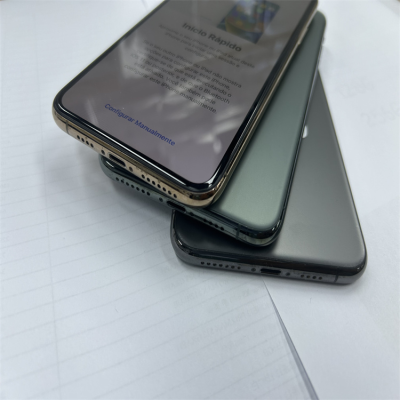
5G Dual SIM Dual Camera Cellphone WiFi Hotspot GPS Smartphone Unlocked(Renewed)
$163.07 - $356.71
MOQ: 1 Minimum
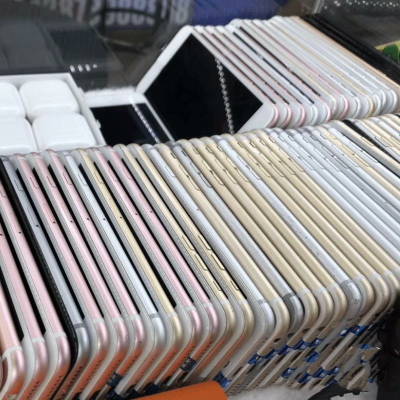
4G Unlocked Smartphone Cell Phone Phone 6s Unlocked 4G LTE Unlocked for All Carriers
$75.00 - $150.00
MOQ: 1 Minimum


Mobile Phone Second-Hand Phone S7 with GSM and LTE Cellular Mobile Phone
$49.00 - $53.00
MOQ: 2 Pieces

Original Second Hand Used Mobile Phone for A12 Smart Cellphone Refurbished
$60.00 - $62.00
MOQ: 2 Pieces


Comprehensive Sourcing Guide
Unlocked Dual SIM Phone Sourcing Guide
Sourcing unlocked dual SIM phones requires a nuanced understanding of the global mobile device market, where terminology often masks significant technical and regulatory differences. Buyers must distinguish between devices that are truly carrier-unlocked and those that are merely SIM-free, as the former allows for network switching across regions while the latter may be restricted to specific bands or software ecosystems. The core keyword "Unlocked Dual SIM Phone" suggests a device capable of accepting two active SIM cards without being tied to a single mobile network operator, a feature highly valued by travelers, businesses with international operations, and consumers seeking to separate personal and professional communications. However, the supply chain for these devices is fragmented, ranging from brand-new flagship models to refurbished units and specialized feature phones, each presenting distinct procurement risks and opportunities.
The procurement landscape is further complicated by the diversity of product attributes listed in current marketplaces, which often conflate different device categories under similar keywords. For instance, listings may describe high-end smartphones with advanced connectivity features alongside basic dial phones with external antennas, both potentially marketed under broad terms that obscure their true capabilities. Buyers must therefore exercise rigorous due diligence to ensure that the devices they source meet their specific operational requirements, whether those involve high-speed data connectivity, long battery life, or ruggedized hardware. This guide provides a structured approach to navigating these complexities, focusing on verification of technical specifications, compliance documentation, and supplier reliability to mitigate the risks associated with cross-border electronics procurement.
Product Scope and Observed Listing Signals
The current market for unlocked dual SIM phones exhibits a wide variance in product types, ranging from sophisticated smartphones to basic feature phones, which necessitates careful categorization during the sourcing process. Observed listing signals indicate the presence of devices labeled as "Mobile Phone" or "Original Mobile Phone," with model numbers such as "12 Pro," "15," and "6S," suggesting a mix of modern smartphone architectures and older or generic designs. These listings often highlight attributes like "Multi-language support" and "Global Version," which are critical for international deployment, yet they may also include contradictory specifications, such as devices described as having "Capacitive Screen" touch technology alongside those explicitly marked as "Without Touch Screen." This disparity underscores the importance of verifying the actual product form factor, as the term "dual SIM" can apply to both high-end iOS and Android devices and simpler GSM/WCDMA handsets.
Furthermore, the observed data reveals significant variation in hardware configurations, including screen sizes ranging from 2.4-inch color TFT displays to 6.5-inch HD screens, and storage capacities spanning from 32 GB to 512 GB. Buyers should note that some listings describe devices with "AA+ (Almost new)" grades, indicating refurbished or used inventory, while others imply new condition through terms like "Original Mobile Phone." The presence of features such as "Waterproof," "Quick Charge," and "Beauty Camera" in some listings contrasts with basic functionalities like "DTMF Dial" and "External TNC Antenna" in others, highlighting the need to align product selection with specific use cases. Whether the requirement is for a high-performance smartphone with LTE and 5G capabilities or a ruggedized device with external antenna support, the buyer must scrutinize the detailed attribute lists to avoid mismatches between expectation and delivery.
Technical Specifications to Verify
Verifying the technical specifications of unlocked dual SIM phones is paramount to ensuring compatibility with target networks and operational environments. Buyers must confirm the cellular band support, as devices listed with "GSM/WCDMA/CDMA/CDMA2000" or "LTE, 5 G" connectivity may not function optimally in all regions due to varying frequency allocations. It is essential to cross-reference the device's supported bands with the local carrier infrastructure to prevent connectivity issues, especially for devices marketed as "Global Version." Additionally, the operating system, whether "IOS" or other platforms, must be verified to ensure software updates and app compatibility, particularly for devices intended for enterprise use where security patches and management tools are critical. The presence of "Dual SIM Card" functionality should be confirmed as active dual standby or dual active, depending on the user's need for simultaneous voice and data services.
Other critical technical parameters include battery capacity, RAM, and storage configuration, which directly impact device performance and longevity. Listings indicating battery capacities between 4000-4999mAh suggest a focus on extended usage, which is beneficial for field operations or travel, while RAM configurations of 4G or 6G influence multitasking capabilities. Buyers should also verify the screen resolution and touch screen type, as "HD" resolution and "Capacitive Screen" technology are standard for modern smartphones but may differ in basic models. Furthermore, the inclusion of accessories such as "Telephone Cords" or specific plug types (UK, AU, US, EU) must be confirmed to ensure seamless integration into existing infrastructure, and the device's ability to support "Voice Mail" and "Handsfree" functions should be validated for customer service or remote work applications.
Compliance and Safety Documentation
Compliance with regional safety and electromagnetic compatibility standards is a non-negotiable aspect of sourcing mobile phones, particularly when importing devices from different manufacturing origins. Buyers must ensure that suppliers provide valid certification documents, such as CE, FCC, or RoHS compliance certificates, which verify that the devices meet the electrical safety and environmental regulations of the destination market. Given that the observed listings indicate a place of origin in China, it is crucial to verify that the exported devices adhere to the specific import requirements of the target country, including radio frequency exposure limits and battery safety standards. The absence of such documentation can lead to customs delays, product seizures, or legal liabilities, making it essential to request and validate these certificates before finalizing any purchase order.
In addition to regulatory compliance, buyers should assess the device's labeling and packaging for accurate information regarding model numbers, serial numbers, and warranty terms. Devices marketed as "Customized" or "Non-Customized" may have varying levels of pre-installed software or hardware modifications, which can affect their compliance status and functionality. It is advisable to request sample units for independent testing to verify that the physical device matches the provided documentation and that it operates within the specified technical parameters. Furthermore, buyers should inquire about the device's software licensing and any potential restrictions on firmware updates, as locked or modified software can compromise security and long-term usability, especially for devices intended for enterprise deployment.
Cost Drivers and Commercial Terms
The cost of unlocked dual SIM phones is influenced by a multitude of factors, including the device's condition, technical specifications, and the volume of the order. Observed price ranges in the market span from $10 to $1237, reflecting the vast difference between basic feature phones and high-end smartphones with advanced features like 5G connectivity and large storage capacities. Buyers should be aware that lower prices may correlate with refurbished or used grades, such as "AA+ (Almost new)," which can offer cost savings but may come with reduced warranty coverage or shorter remaining battery life. Conversely, higher-priced items likely represent new, original devices with full manufacturer warranties and the latest software versions, providing greater reliability and support for critical business operations.
Minimum Order Quantities (MOQ) and payment terms also play a significant role in the total cost of ownership, with observed MOQs ranging from 1 to 1000 units. For small-scale procurement, buyers may face higher per-unit costs due to the lack of volume discounts, while larger orders can leverage economies of scale to reduce expenses. It is important to negotiate clear commercial terms regarding shipping, insurance, and return policies, as these can significantly impact the overall cost. Buyers should also consider the potential costs associated with customs duties and taxes, which vary by country and can add a substantial burden to the final price. Establishing a transparent pricing structure and understanding the total landed cost is essential for accurate budgeting and profitability analysis.
Supplier Qualification and Quality Control
Selecting a reliable supplier is critical to ensuring the quality and consistency of unlocked dual SIM phones, particularly given the diversity of products available in the market. Buyers should conduct thorough due diligence on potential suppliers, verifying their business licenses, manufacturing capabilities, and track record in the electronics industry. It is advisable to request references from previous clients and to review feedback on platforms where the supplier operates, looking for patterns of positive experiences regarding product quality, communication, and after-sales support. Suppliers who offer "Customization" services may provide additional value, but buyers must ensure that these services are managed with strict quality control measures to maintain product integrity.
Quality control processes should be clearly defined and agreed upon before placing orders, including inspection protocols for incoming goods and testing procedures for functionality and durability. Buyers should consider implementing third-party inspection services to verify that the delivered devices match the agreed specifications and are free from defects. This is particularly important for devices with complex features like "Dual SIM Card" functionality, "Waterproof" ratings, and "Quick Charge" capabilities, which require rigorous testing to ensure performance. Establishing a clear quality assurance framework helps to minimize the risk of receiving substandard products and ensures that the procurement process aligns with the buyer's operational standards and customer expectations.
Long-Term Procurement Checks
Long-term procurement success depends on establishing ongoing relationships with suppliers and continuously monitoring product performance and market trends. Buyers should implement a system for tracking device performance in the field, collecting feedback from end-users to identify any recurring issues or areas for improvement. This data can be used to negotiate better terms with suppliers, request improvements in product design, or adjust procurement strategies based on actual usage patterns. Additionally, buyers should stay informed about changes in regulatory requirements and technology standards, such as updates to cellular network protocols or software security mandates, to ensure that their inventory remains compliant and relevant.
Regular audits of supplier performance and product quality are essential to maintaining high standards and mitigating risks over time. Buyers should schedule periodic reviews with their suppliers to discuss performance metrics, address any concerns, and explore opportunities for collaboration or innovation. This proactive approach helps to build a resilient supply chain that can adapt to changing market conditions and technological advancements. By focusing on long-term partnership and continuous improvement, buyers can ensure that their procurement of unlocked dual SIM phones remains cost-effective, reliable, and aligned with their strategic business objectives.
FAQs
What does an Unlocked Dual SIM Phone support for cellular networks?
Most listed models support GSM, WCDMA, CDMA, and CDMA2000, with 4G, 5G, and WiFi connectivity noted across the catalog. Coverage varies by model, so buyers should confirm band compatibility for their region before ordering. Single SIM variants are also listed, so verify the SIM configuration in the product specifications rather than assuming every unit supports two SIM cards.
How can I choose storage capacity for a used Unlocked Dual SIM Phone?
Listed options include 32 GB, 64 GB, 128 GB, and 256 GB, with some models offering up to 512 GB. Storage is usually paired with a given RAM level, such as 4 GB or 6 GB. For business resale, mid-tier capacities like 128 GB tend to balance cost and demand. Confirm available configurations with the supplier before placing an order, since grading and capacity often affect price.
Which condition grade should I expect when buying used smartphones?
Listings in this category commonly use AA+ grade, described as almost new. This means devices show minimal cosmetic wear and are fully functional, but they are not brand-new sealed units. Buyers should ask for a grading scale, sample photos, and battery health details per batch. Grades can vary between units within one lot, so inspection terms should be agreed before shipment.
Can I order multiple colors of the same phone model in one shipment?
Yes, suppliers generally can mix colors within an order, and listed color options include silver, gold, rose gold, black, and shiny black. Mixed-color orders may require meeting the stated minimum order quantity for each model. Confirm availability of each color before payment, because popular shades can be out of stock. Ask the supplier to label boxes by color for easier receiving and resale.
How does the plug type work for phone accessories in this category?
Some listings include accessories with UK, AU, US, or EU plug options, and a few specify UK only. Buyers should state the plug standard needed for their destination market at the inquiry stage. If chargers are not required, some suppliers can reduce the order price. Verify which accessories ship with each unit, since used phone bundles often vary between batches and listings.
What is the typical screen and battery specification for these phones?
Listed models include screens around 6 to 6.5 inches with HD resolution, capacitive touch screens, and battery capacity in the 4000 to 4999 mAh range. Feature sets mentioned include quick charge, waterproofing, and beauty camera functions on some units. Specifications differ between models, so request a spec sheet for each listing and confirm operating system version and processor details before purchase.
Can suppliers provide customization for dial phones in this catalog?
Yes, at least one listed dial phone type notes that customization is available. This covers options such as branding or configuration changes, though the scope and cost depend on the supplier and order volume. Buyers interested in customization should request a quotation based on their MOQ and artwork. Non-customized units are also available for buyers needing standard configurations with faster processing.
How do minimum order quantities work for unlocked dual sim phones?
MOQs in this category range widely, from single-unit orders for sample or evaluation purchases up to 1000 units for wholesale lots. Single-item selling units are common for used smartphones, allowing small trial orders. Larger quantities typically unlock better per-unit pricing and more consistent grading across the lot. Confirm each supplier's MOQ, since it varies by model, condition, and whether the units are new or refurbished.