Source Unprocessed Vietnamese Feather Hair Extensions for salons, events, and daily wear
Compare 30 listings for Unprocessed Vietnamese Feather Hair Extensions featuring Remy virgin hair, hand-tied wefts, and customizable lengths. Buyers can review specifications including texture, density, and shipping options from verified suppliers.
Key considerations
Products List


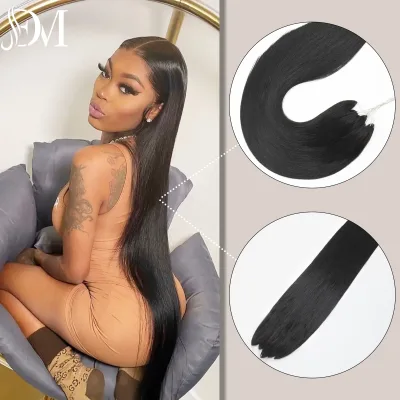
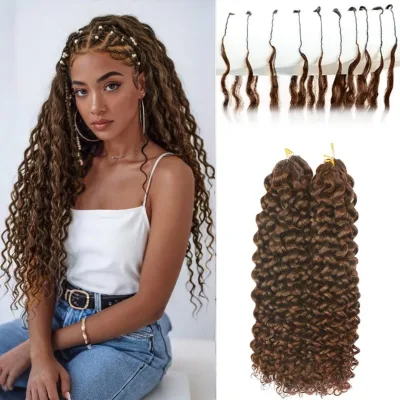
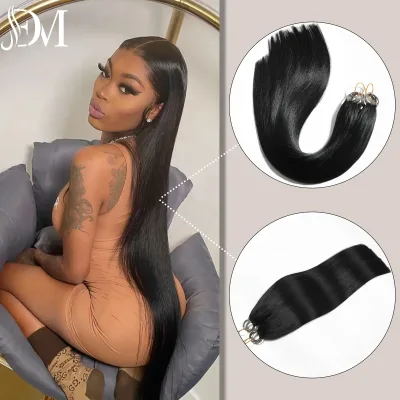


Comprehensive Sourcing Guide
Strategic Sourcing Framework for Unprocessed Virgin Hair Extensions
The global market for human hair extensions has evolved into a complex ecosystem where provenance, processing methods, and technical specifications define value. Buyers searching for "Unprocessed Vietnamese Feather Hair Extensions" must navigate a landscape where terminology often conflates distinct product categories. While the specific keyword suggests a niche variant of Vietnamese hair, the available market data indicates a broader inventory of unprocessed virgin hair, primarily sourced from regions like China and Vietnam, with specific technical attributes such as "100% Raw Unprocessed Virgin Hair" and "Remy Hair" being the critical differentiators. This guide provides a disciplined approach to sourcing, focusing on verifying the integrity of the supply chain, understanding the technical constraints of unprocessed hair, and establishing robust quality control protocols.
Technical Specifications and Material Integrity
The foundation of any successful procurement strategy for human hair extensions lies in the precise definition of material attributes. When evaluating products described as "unprocessed," the buyer must verify that the hair has not undergone chemical treatments that alter the cuticle structure. The supply data confirms that high-grade options are often categorized as "100% Raw Unprocessed Virgin Hair" and "100% Human Remy Virgin Hair." These terms imply that the cuticles are aligned in the same direction, a prerequisite for minimizing tangling and shedding.
A critical technical specification to scrutinize is the hair grade. Market listings frequently reference grades such as "12A" or "Virgin Hair," which serve as internal classification systems rather than universal standards. Buyers should request detailed specifications regarding the "longest hair ratio," as data suggests ratios of ">=45%" or ">=50%" are common benchmarks for premium wefts. Additionally, the texture and density are paramount. The "Hand Tied" technique is a preferred method for creating seamless wefts, offering a natural look that mimics the scalp. Buyers should verify if the product offers "Silky Straight Wave," "French Curl," or "Spring Curl" textures, ensuring the style matches the intended application.
Furthermore, the physical dimensions of the hair must align with project requirements. Specifications often list lengths ranging from "12"-30"" with specific stretched lengths like "16 Inches, 18 in, 20 Inches, 22", 24"". The weight of individual bundles is another vital metric, with standard ranges observed between "90-100g." The "Hair End" quality is equally important; terms like "Thick Healthy Ends" and "double drawn, full ends" indicate that the hair has been processed to ensure uniform thickness from root to tip, preventing the "feathered" or thin appearance that plagues lower-quality extensions.
Compliance, Certification, and Regulatory Standards
In the international trade of human hair, compliance is not merely a formality but a safeguard against ethical and legal pitfalls. While specific certification statuses like "ISO 9001:2015" or "CE" are sometimes referenced in general industry knowledge, buyers must treat these as claims to be verified rather than guaranteed attributes of every listed product. The absence of explicit certification data in the provided context necessitates a proactive verification strategy.
Buyers should prioritize suppliers who can provide clear documentation regarding the origin of the hair. The data indicates origins such as "Xuchang" and "Shandong, China," regions known for significant hair processing. However, for a product specifically labeled as "Vietnamese," the buyer must demand proof of origin that distinguishes the hair from Chinese-sourced alternatives, as the two markets have distinct reputations regarding quality and processing methods. The HS Code "6704200000" is the standard classification for human hair extensions, and ensuring the supplier utilizes this code correctly is essential for customs clearance and duty calculation.
Regarding safety and ethical standards, the term "Virgin Hair" implies the hair has not been chemically treated, but it does not automatically guarantee ethical sourcing. Buyers should inquire about the supplier's policies on labor practices and the transparency of their supply chain. While the provided data mentions "100% Virgin Hair" and "Can be dyed," it does not explicitly confirm compliance with specific international labor standards. Therefore, the procurement process must include a request for a supplier's code of conduct or third-party audit reports to ensure the hair was sourced ethically.
Cost Drivers and Pricing Dynamics
Understanding the cost structure of unprocessed hair extensions is essential for budgeting and negotiating. The observed price range in the market spans from $0.57 to $268, a variance that reflects differences in hair grade, length, weight, and the complexity of the manufacturing process. Several factors drive these costs. First, the "Hair Grade" is a primary determinant; "12A" or "Top Grade Superior Human Hair" commands a premium over lower grades. Second, the "Length" directly impacts price, with longer hair (e.g., 24"-30") requiring more raw material and often commanding higher prices per gram.
The "Technics" used in manufacturing also influence cost. "Hand Tied" wefts are generally more expensive than machine-made wefts due to the labor-intensive nature of the process. Additionally, the "Hair Density" options, which range from 150% to 250%, affect the amount of raw hair required per bundle. Higher density options require more hair, increasing the material cost. The "Customization" aspect, including "Customized Color" and "Customized Texture," adds another layer of cost, as these processes require additional labor and time.
Buyers should also consider the "MOQ" (Minimum Order Quantity) as a cost driver. While some suppliers offer an MOQ of "1 Piece," larger orders often benefit from economies of scale. The "Lead Time" of "1-7 Days" suggests a responsive supply chain, but rush orders or customizations may incur additional fees. Payment terms such as "Paypal," "TT," "Western Union," and "Money Gram" are standard, but the choice of payment method can impact transaction costs and security.
Typical Applications and Product Versatility
The versatility of unprocessed virgin hair extensions makes them suitable for a wide range of applications. The "Hand Tied weft" design is particularly advantageous for creating natural-looking hairlines and seamless blends, making it ideal for high-end salon applications and custom wig construction. The "Silky Straight Wave" and other texture options allow for diverse styling possibilities, catering to clients seeking a specific aesthetic.
The ability to "be dyed" and the availability of "All Colors" as suitable dying options make these extensions highly adaptable. This characteristic is crucial for stylists who need to match the extensions to the client's natural hair color or create custom color gradients. The "Thick Healthy Ends" ensure that the extensions can withstand repeated styling, including heat application, without significant damage, provided the user follows proper care instructions.
Furthermore, the "Capacity" of suppliers, noted as "100000/Month," indicates that the market can support large-scale commercial projects. This scalability is beneficial for businesses looking to stock a wide variety of products or fulfill large orders for international clients. The "Express" packing method and shipping options via "DHL," "UPS," "FedEx," "EMS," and "TNT" ensure that products can be delivered quickly and securely to global destinations, supporting just-in-time inventory models.
Supplier Evaluation and Vetting Process
Evaluating potential suppliers requires a rigorous due diligence process. Buyers should prioritize suppliers who provide transparent information about their "Original" location and "Place of Origin." While the data mentions "Xuchang" and "Shandong, China," buyers seeking "Vietnamese" hair must verify if the supplier has direct access to Vietnamese hair or if they are rebranding Chinese hair. The "Brand Name" "Dailmei" is mentioned in the context, but buyers should not rely on a single brand and should instead evaluate the supplier's overall portfolio.
Key evaluation criteria include the supplier's ability to provide samples, their response time, and their willingness to answer technical questions. The "Advantage" of "Shedding.no Tangle.soft.shiny" should be verified through physical inspection of samples rather than relying solely on marketing claims. Buyers should also assess the supplier's "Customization" capabilities, ensuring they can meet specific requirements for length, density, and color.
The "Payment" methods offered, such as "Paypal," "TT," "Western Union," and "Money Gram," should be evaluated for security and convenience. Buyers should prefer suppliers who offer secure payment gateways and clear terms of service. Additionally, the "Lead Time" of "1-7 Days" should be confirmed in writing to ensure it aligns with project deadlines.
Quality Control and Long-Term Procurement Strategy
Establishing a robust quality control (QC) protocol is essential for maintaining product consistency. Buyers should implement a multi-stage QC process, starting with sample verification, followed by pre-shipment inspections, and post-arrival checks. The "Hair quality" described as "Top Grade Superior Human Hair" must be validated against specific metrics such as "longest hair ratio," "weight," and "texture."
For long-term procurement, building a strategic partnership with a reliable supplier is crucial. This involves negotiating favorable terms for volume discounts, ensuring consistent supply, and establishing clear communication channels for addressing any quality issues. The "Capacity" of "100000/Month" suggests that suppliers can handle large orders, but buyers should ensure that quality does not compromise as volume increases.
Buyers should also consider the "Shipping" logistics, selecting carriers that offer tracking and insurance to mitigate the risk of loss or damage. The "prod_packing" method, described as "Express," should be evaluated for its ability to protect the hair during transit. Finally, buyers should stay informed about market trends and regulatory changes that may impact the sourcing of human hair extensions, ensuring their procurement strategy remains compliant and competitive.
Comparative Analysis of Product Attributes
To facilitate decision-making, the following table summarizes key product attributes observed in the market, highlighting the variations buyers may encounter.
| Attribute | Observed Range/Option | Verification Requirement |
|---|---|---|
| Material | 100% Raw Unprocessed Virgin Hair, Remy Hair | Request cuticle alignment test |
| Grade | 12A, Virgin Hair | Ask for grading criteria definition |
| Length | 12"-30", Stretched 16"-24" | Measure actual length upon receipt |
| Density | 150%, 180%, 200%, 250% | Verify weight per bundle |
| Texture | Silky Straight Wave, French Curl, Spring Curl | Inspect sample for texture consistency |
| Origin | China (Xuchang, Shandong), Vietnam (Claimed) | Demand proof of origin documentation |
| MOQ | 1 Piece to 100 | Confirm order minimums |
| Lead Time | 1-7 Days | Confirm in writing for custom orders |
| Customization | Available (Color, Texture, Length) | Review sample of customized product |
This structured approach ensures that buyers can navigate the complexities of the human hair extension market with confidence, focusing on verified facts and rigorous quality standards. By adhering to these guidelines, procurement professionals can secure high-quality, unprocessed hair extensions that meet the demands of their clients while maintaining ethical and operational integrity.
FAQs
What is the material quality of these extensions?
The extensions are made from 100% Raw Unprocessed Virgin Hair and Remy Hair. This ensures cuticles are aligned to prevent tangling and shedding while maintaining a soft, shiny texture suitable for dyeing.
Which hair lengths are available for purchase?
Available lengths range from 12 to 30 inches with specific stretched options like 16, 18, 20, 22, and 24 inches. Buyers can contact the supplier for additional sizes beyond this standard range.
Can the hair be dyed to different colors?
Yes, the 100% Virgin Hair can be dyed to all colors. The product features thick, healthy ends that allow for customization while maintaining the integrity of the raw unprocessed material.
What is the minimum order quantity required?
The minimum order quantity is one piece per item. This low entry point allows buyers to test the quality of the hand-tied wefts before committing to larger bulk orders.
How long does it take to receive the order?
The standard lead time is between 1 to 7 days for processing. Shipping is handled via express carriers like DHL, UPS, or FedEx to ensure timely delivery to global destinations.
What customization options are available for buyers?
Customization is available for texture, color, and specific product specifications. Buyers can request customized textures and colors to match their specific styling needs or brand requirements.
Which hair density options can be selected?
Buyers can select from densities of 150%, 180%, 200%, and 250%. These options allow for varying levels of volume while ensuring the hair remains double-drawn with full ends.