Source Vertical Cnc Milling Machine for Metal Parts
Find 30 Vertical Cnc Milling Machine options from China suppliers. Compare models like TC-1690 and XK5040 with features such as CNC control, CE certification, and linear control for metal hardware and tool manufacturing; compare the available evidence and request quotations based on your requirements.
Updated
Key considerations
Products List


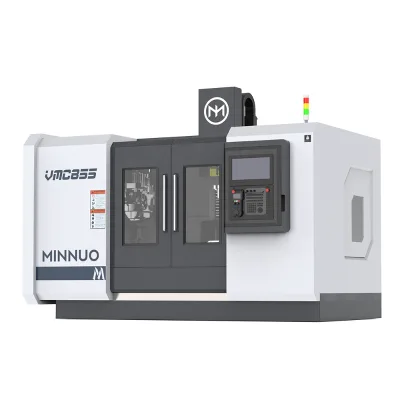
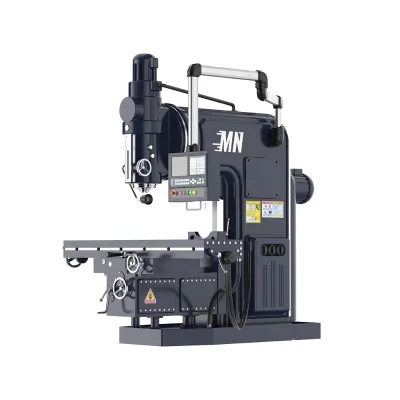
Direct Sales Low Noise Cnc Milling Machine Cost with Fast Delivery
$12064.477 - $13638.1045
MOQ: 1 pieces
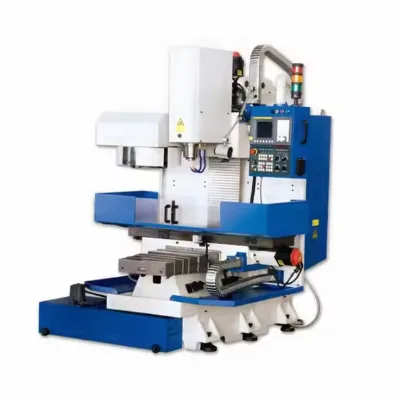
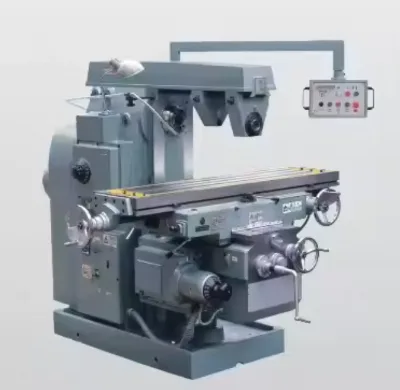


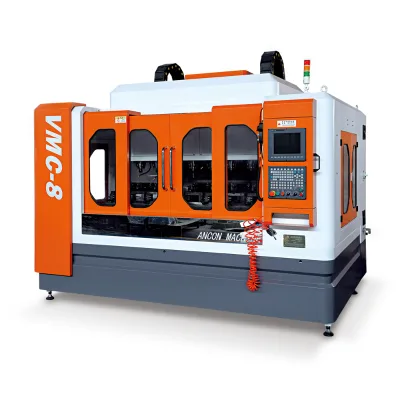


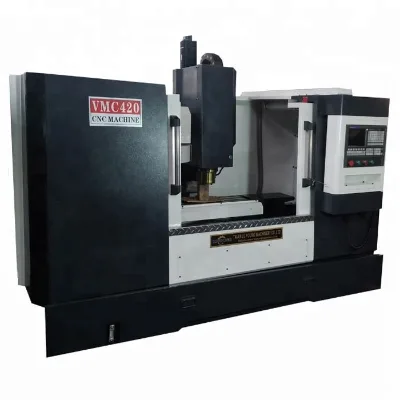
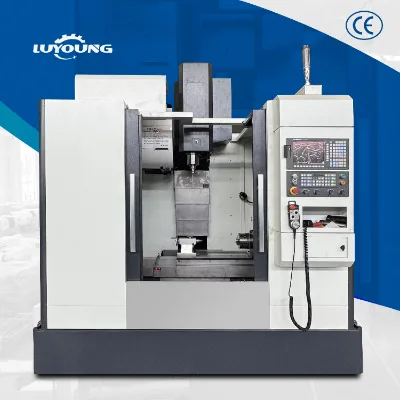
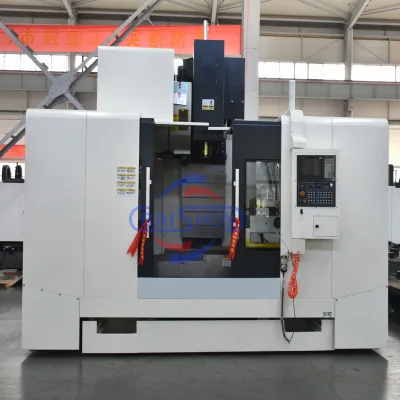

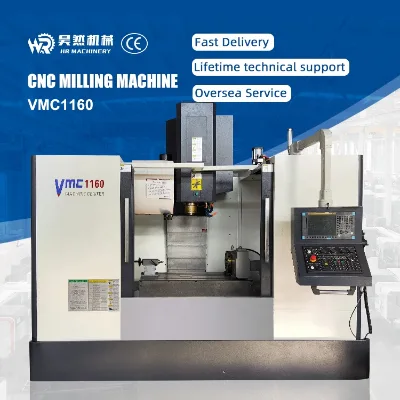
Vmc1160 Vertical Machining Center China Hot Sale Vertical Cnc Milling Machine
$22792.2182 - $23413.8242
MOQ: 1 sets


Comprehensive Sourcing Guide
Vertical Cnc Milling Machine Sourcing Guide
Procuring vertical CNC milling machines requires a disciplined approach to aligning technical capabilities with specific manufacturing needs. Buyers must evaluate the machine’s structural integrity, control system precision, and spindle performance to ensure it meets production demands. The observed market includes high-end tools with linear control and closed-loop systems, indicating a focus on accuracy and repeatability. Understanding these core attributes helps in selecting equipment that minimizes downtime and maximizes output quality for metalworking applications.
This guide outlines the critical verification steps for sourcing vertical CNC mills, focusing on technical specifications, compliance, and supplier qualification. By examining observed listing signals such as table size, spindle taper, and automatic grade, buyers can filter options effectively. The following sections provide a structured framework for evaluating potential suppliers, ensuring that the selected machinery aligns with operational goals while adhering to safety and quality standards. This methodical approach reduces procurement risk and supports long-term manufacturing efficiency.
Product Scope and Observed Listing Signals
The current market for vertical CNC milling machines displays a wide range of configurations, from knee-and-column designs to bed-type structures. Observed listings indicate a focus on metal-cutting applications, with specific models like the TC-1690 and XK series highlighting distinct structural differences. Buyers should note the presence of both automatic and manual grade options, which significantly impact operational workflow and labor requirements. The availability of customization suggests that suppliers can tailor machines to specific production environments, allowing for greater flexibility in procurement decisions.
Listing signals also reveal variations in spindle performance and table capacity, which are critical for heavy-duty machining tasks. For instance, some units feature a table size of 1800*900mm with a max load of 1000kg, suitable for large components. Spindle speeds up to 8000rpm and taper types like Bt50 are common indicators of high-performance capabilities. These observed attributes help buyers assess whether a machine can handle their specific material types and part geometries, ensuring that the selected equipment matches their production volume and precision requirements.
Technical Specifications to Verify
Verifying technical specifications is essential to ensure the machine meets operational demands. Buyers should confirm the controlling mode, with CNC being the standard for high-precision tasks, though some listings mention artificial control for specific applications. The movement method, typically linear control, ensures accurate positioning, while the precision rating, often noted as ±0.004mm, indicates the machine’s capability for tight tolerances. It is crucial to verify the spindle motor power, which ranges from 11-15kw, to ensure sufficient torque for various cutting operations.
Additionally, the milling cutter type and structure should be evaluated based on the intended application. Indexable type cutters are common for general machining, while overall welding tooth structures may be used for specific heavy-duty tasks. The layout, whether vertical or horizontal, affects chip evacuation and workspace accessibility. Buyers must also check the hole diameter capacity, with some machines supporting holes under 50mm, to ensure compatibility with their drilling needs. These technical details directly influence the machine’s versatility and efficiency in a production environment.
Compliance and Safety Documentation
Compliance with international standards is a non-negotiable aspect of sourcing industrial machinery. Buyers must verify that the equipment holds relevant certifications, such as CE, ISO, and GS, which indicate adherence to safety and quality regulations. These certifications are critical for ensuring that the machine operates safely within the workplace and meets legal requirements in the destination country. Documentation should include detailed safety manuals and compliance certificates, which provide evidence of rigorous testing and quality control during manufacturing.
Furthermore, buyers should request evidence of conformity to specific standards, such as the 415033003250 dimension standard or the 7124 standard, which may relate to structural integrity or operational parameters. Ensuring that the supplier provides comprehensive safety documentation helps mitigate risks associated with machine operation. This includes emergency stop procedures, guard interlocks, and noise level assessments. Proper compliance documentation not only protects the buyer from legal liabilities but also ensures a safer working environment for operators.
Cost Drivers and Commercial Terms
Understanding the cost drivers associated with vertical CNC milling machines is vital for budgeting and negotiation. The observed price range of 390-121428.58 USD reflects significant variations based on specifications, brand, and customization options. Buyers should analyze the components that contribute to higher costs, such as advanced control systems, larger table sizes, and higher spindle speeds. Additionally, the MOQ of 1 suggests flexibility for small-scale procurement, but bulk orders may offer different commercial terms.
Commercial terms also include packaging and shipping considerations, with options ranging from wooden packing to container shipping. The origin of the machine, often Dongguan, Guangdong, China, influences logistics costs and lead times. Buyers should negotiate clear terms regarding installation, training, and after-sales support, which can significantly impact the total cost of ownership. Understanding these factors allows for more accurate cost comparisons and helps in selecting a supplier that offers the best value for the required specifications.
Supplier Qualification and Quality Control
Supplier qualification is a critical step in ensuring the reliability and longevity of the purchased machinery. Buyers should assess the supplier’s manufacturing capabilities, including their use of CNC/MNC processes and their adherence to quality control standards. Verification of the supplier’s track record in producing high-end CNC machine tools is essential, as is their ability to provide consistent quality across batches. Requesting references or case studies from previous clients can provide insights into the supplier’s reliability and customer service.
Quality control measures should include pre-shipment inspections and testing protocols to verify that the machine meets the specified performance criteria. Buyers should inquire about the supplier’s warranty policies and the availability of spare parts, which are crucial for maintaining operational continuity. Additionally, evaluating the supplier’s commitment to continuous improvement and innovation can indicate their ability to support future upgrades or modifications. A qualified supplier will provide transparent information about their quality assurance processes, ensuring that the buyer receives a product that meets their expectations.
Long-Term Procurement Checks
Long-term procurement checks focus on the sustainability and supportability of the purchased machinery. Buyers should establish a maintenance schedule and verify the availability of technical support and training programs. Ensuring that the supplier offers comprehensive training for operators and maintenance staff is crucial for maximizing the machine’s lifespan and performance. Regular maintenance checks should be planned to address wear and tear, preventing unexpected downtime and costly repairs.
Furthermore, buyers should monitor the supplier’s reputation for providing timely updates and upgrades to the machine’s software and hardware. This ensures that the equipment remains competitive and capable of handling evolving production demands. Establishing a strong relationship with the supplier can facilitate easier access to support services and potential future purchases. By focusing on long-term support and maintenance, buyers can protect their investment and ensure consistent production quality over the machine’s operational life.
FAQs
What certifications do these vertical CNC milling machines have?
These machines hold CE and ISO CE, GS certifications. They are designed for metal cutting and forming applications. The equipment meets high-end classification standards for industrial use. Buyers can verify these credentials before placing orders for new units.
Which table specifications are available for these CNC machines?
Available table sizes include 1800 by 900 millimeters with a maximum load capacity of 1000 kilograms. The bed type structure supports heavy-duty operations. These dimensions accommodate large metal workpieces effectively for precision manufacturing tasks.
Can I customize the Vertical Cnc Milling Machine for my needs?
Customization is available for these vertical CNC milling machines. Buyers can request specific adjustments to meet unique production requirements. The closed-loop control system ensures accuracy during the customized manufacturing process.
What spindle specifications are included in these vertical CNC models?
The spindle features a BT50 taper with speeds reaching 8000 RPM. Motor power ranges from 11 to 15 kilowatts for robust performance. These specifications support efficient metal cutting and high-precision machining operations.
How is the positioning accuracy defined for these CNC machines?
Positioning accuracy is specified at plus or minus 0.004 millimeters. This precision level ensures high-quality results for hardware and tool applications. The linear control movement method contributes to consistent dimensional stability.
Where are these vertical CNC milling machines manufactured?
These machines originate from Dongguan, Guangdong, China. The production facilities adhere to international standards for quality. Buyers can expect reliable manufacturing processes for new equipment delivery.
What packaging methods are used for shipping these CNC machines?
Packaging options include wooden packing, cases, and pallets depending on the model. Container shipping is also available for larger units. These methods ensure safe transport of the heavy machinery to global destinations.