Source Wall-Mounted Art Gallery Far-Infrared Heater for Hotels
Find 30 wall-mounted art gallery far-infrared heater options for hotels, commercial spaces, and home furnishings. Compare features like carbon crystal heating, digital control, and adjustable thermostats to select the right unit for your indoor application needs; compare the available evidence and request quotations based on your requirements.
Updated
Key considerations
Products List


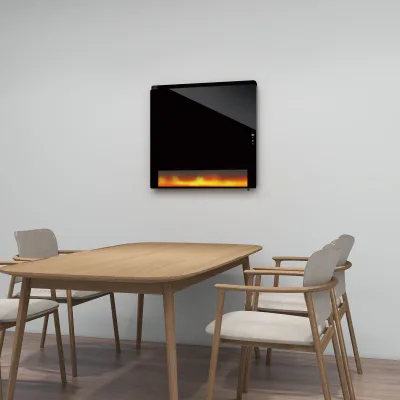


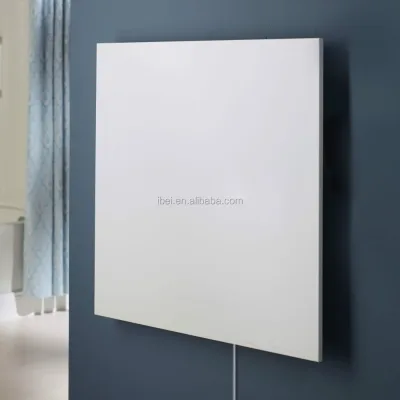
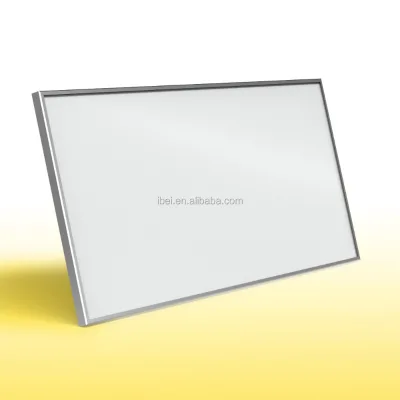
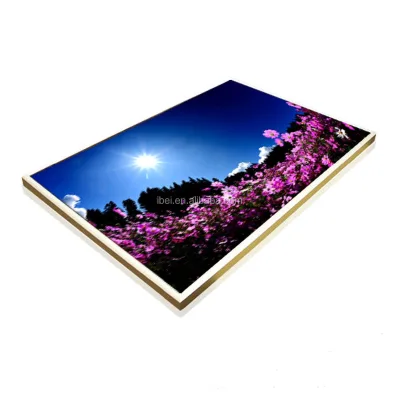
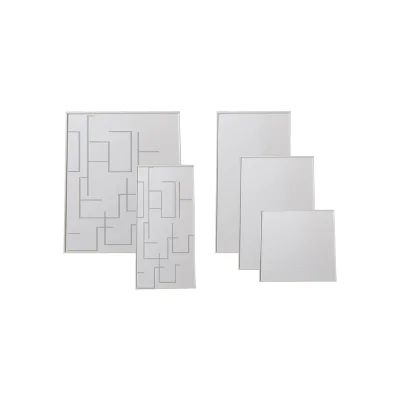

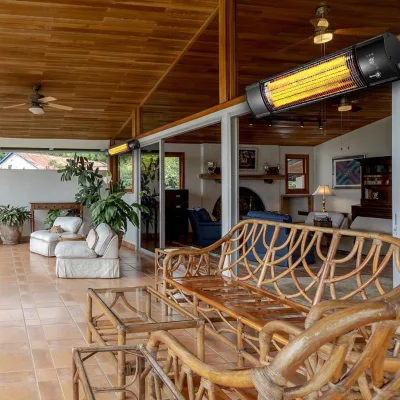
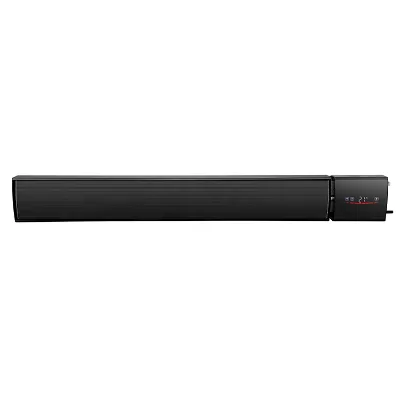
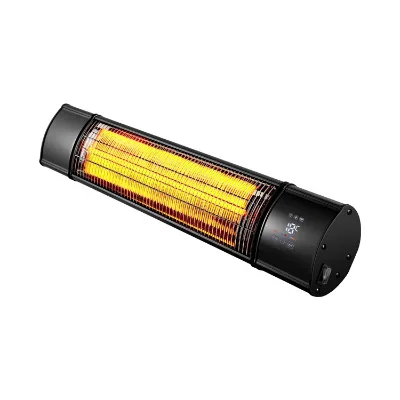
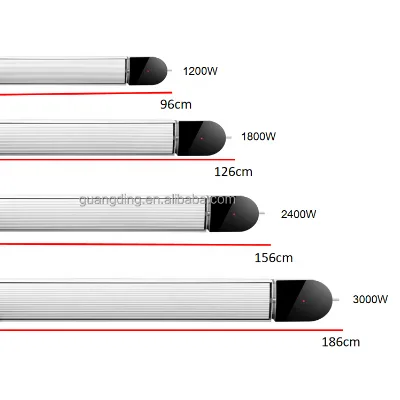
Waterproof Infrared Bathroom Ceiling Heater for Shower Hot Yoga Room
$54.6444 - $60.8304
MOQ: 200 pieces
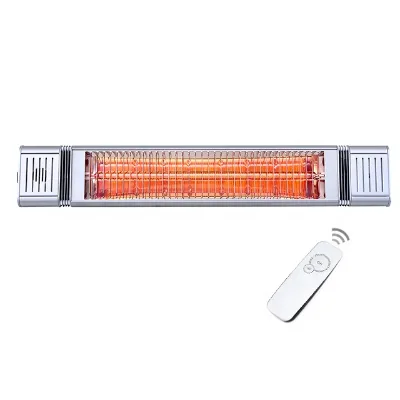
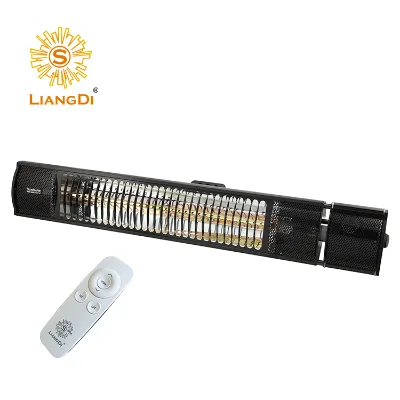
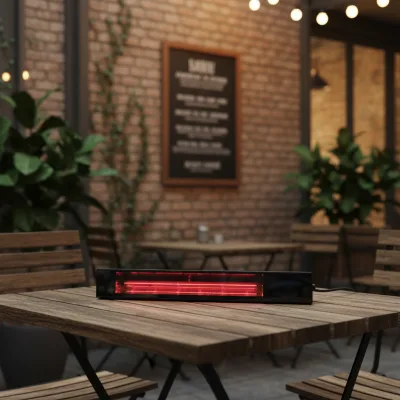
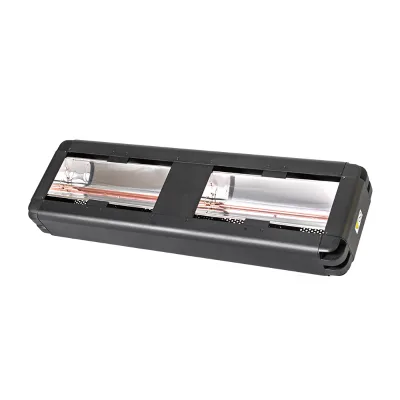
6000 Watts Electric Infrared Warehouse Heating Industrial Heaters Remote Controlled Heaters
$200.00 - $210.00
MOQ: 200 pieces
Comprehensive Sourcing Guide
Wall-Mounted Art Gallery Far-Infrared Heater Sourcing Guide
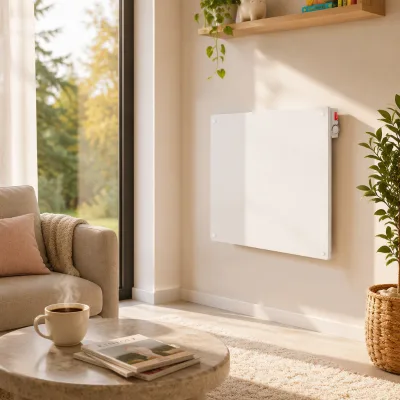
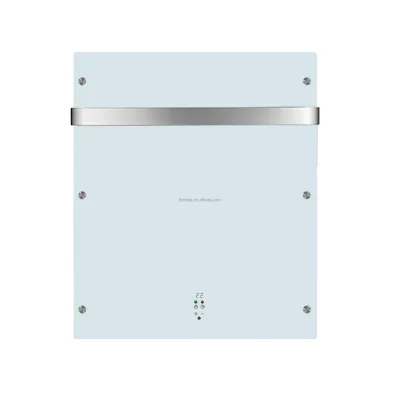
Sourcing wall-mounted art gallery far-infrared heaters requires a careful balance between aesthetic integration and functional performance. These units are designed to provide targeted warmth without compromising the visual appeal of commercial or residential spaces. Buyers must prioritize devices that offer precise temperature control and energy efficiency to maintain optimal conditions for both occupants and sensitive materials. The market offers various configurations, including digital controls and remote operation, allowing for tailored installation in diverse environments.
Procurement decisions should focus on verifying the specific heating element technology and mounting requirements. Carbon crystal heating elements are commonly observed in current listings, offering rapid heat distribution and durability. It is essential to confirm the power supply method and ensure compatibility with existing electrical infrastructure. Additionally, understanding the application area coverage helps in selecting the correct wattage for the intended space, ensuring effective heating without excessive energy consumption.
Product Scope and Observed Listing Signals
The current market for wall-mounted far-infrared heaters presents a wide range of options, with observed prices varying significantly from low-cost units to premium models. Listings indicate a minimum order quantity (MOQ) range that typically starts at one unit, facilitating small-scale testing or initial procurement. Buyers should note that product attributes such as control type and function vary, with some units offering manual control while others provide digital or remote control capabilities. This diversity allows for customization based on specific user preferences and operational needs.
Observed specifications reveal a focus on indoor applications, with heating powers ranging from under 1000W to over 2500W. The external dimensions and mounting types are critical factors, with wall-mounted designs being prevalent to save floor space. Features like overheat protection, multiple heat settings, and adjustable thermostats are common, enhancing safety and user comfort. Buyers must carefully review these attributes to ensure the selected heater meets the specific thermal and operational requirements of their project.
Technical Specifications to Verify
When evaluating technical specifications, buyers should prioritize the heating power and its correlation with the application area. Units with heating powers between 1500W and 1999W are suitable for medium-sized spaces, while lower wattage options may be appropriate for smaller rooms. It is crucial to verify the external dimensions and mounting type to ensure seamless integration into the wall structure. Additionally, the presence of features like adjustable thermostats and energy-saving modes can significantly impact long-term operational efficiency and user satisfaction.
The type of heating element and ventilation design are also key technical considerations. Carbon crystal elements are noted for their efficiency and durability, providing consistent heat output. Buyers should confirm whether the unit includes ventilation features, as this can affect heat distribution and safety. Furthermore, the control type, whether digital, manual, or remote, should align with the user's convenience and the specific operational environment. Verifying these details ensures that the selected heater performs optimally in its intended setting.
Compliance and Safety Documentation
Compliance with safety standards is paramount when sourcing electrical heating devices. Buyers must ensure that the heaters meet relevant regional safety certifications, such as CE, to guarantee adherence to strict electrical and thermal safety regulations. Documentation should include test reports for overheat protection and electrical insulation, verifying that the units can operate safely under various conditions. It is essential to request these documents from suppliers to mitigate risks associated with electrical failures or overheating.
Additionally, buyers should verify the product's origin and manufacturing standards to ensure quality control. Products originating from established manufacturing regions often adhere to higher production standards, reducing the likelihood of defects. Suppliers should provide clear information on the materials used, such as aluminum back materials, which contribute to heat dissipation and durability. Ensuring that all compliance and safety documentation is complete and up-to-date is crucial for maintaining a safe and reliable heating solution.
Cost Drivers and Commercial Terms
Cost drivers for wall-mounted far-infrared heaters include the heating power, control features, and material quality. Higher wattage units and those with advanced digital controls typically command higher prices due to increased complexity and component costs. Buyers should also consider the packaging and shipping terms, as these can impact the total landed cost. Understanding the MOQ and pricing tiers is essential for budgeting, especially for large-scale procurement projects where volume discounts may apply.
Commercial terms such as lead times and after-sales service availability are critical factors in the procurement process. Buyers should clarify the expected delivery schedule to align with project timelines and ensure that the heaters are available when needed. Additionally, the availability of after-sales support, including warranty and maintenance services, can influence the long-term value of the purchase. Negotiating favorable terms and clarifying responsibilities for repairs or replacements can help mitigate potential risks and ensure a smooth procurement experience.
Supplier Qualification and Quality Control
Supplier qualification involves assessing the manufacturer's reputation, production capacity, and quality control processes. Buyers should request information on the supplier's experience in manufacturing far-infrared heaters and their track record in the industry. Verifying the supplier's ability to provide consistent quality and meet delivery deadlines is essential for maintaining project timelines. Additionally, buyers should inquire about the supplier's quality control measures, including testing procedures and inspection protocols, to ensure product reliability.
Quality control checks should include visual inspections, functional tests, and safety verifications. Buyers may consider conducting third-party inspections or requesting sample units for evaluation before placing large orders. It is also important to establish clear communication channels with the supplier to address any issues promptly. Building a strong relationship with a reliable supplier can lead to better pricing, improved service, and ongoing support, ensuring a successful procurement outcome.
Long-Term Procurement Checks
Long-term procurement checks involve monitoring the performance and durability of the installed heaters. Buyers should establish a maintenance schedule to inspect the units regularly, ensuring that all components, such as thermostats and heating elements, are functioning correctly. Tracking energy consumption and user feedback can provide insights into the heater's efficiency and effectiveness over time. This data can inform future procurement decisions and help identify any recurring issues that need to be addressed.
Additionally, buyers should stay informed about advancements in far-infrared heating technology and market trends. Regularly reviewing supplier performance and product updates can help maintain a competitive edge and ensure access to the latest innovations. Building a database of reliable suppliers and maintaining open lines of communication can facilitate smoother future procurement processes. By proactively managing the procurement lifecycle, buyers can optimize costs, enhance performance, and ensure the long-term success of their heating solutions.
FAQs
What heating power options are available for wall-mounted art gallery far-infrared heaters?
These heaters offer a wide range of heating power options to suit different needs. Available specifications include models rated at 500W, 1000W, 1200W, 2500W, and 3000W. This variety allows buyers to select the precise wattage required for their specific space, ensuring efficient energy use and appropriate thermal output for various indoor environments.
Can wall-mounted art gallery far-infrared heaters be customized for specific projects?
Yes, customization is available for these units to meet specific project requirements. Buyers can request tailored solutions that align with their unique design or functional needs. This flexibility ensures that the heating panels integrate seamlessly into different settings, whether for commercial hospitality venues or private residential spaces, providing a personalized heating experience.
What control types are supported by these wall-mounted far-infrared heaters?
These heaters support multiple control types to enhance user convenience and comfort. Options include remote control, manual control, and digital control interfaces. This variety allows users to choose the most suitable method for adjusting temperature and settings, ensuring easy operation and precise management of the heating environment in both home and commercial applications.
What safety features are included in these wall-mounted art gallery far-infrared heaters?
These heaters include essential safety features such as overheat protection and adjustable thermostats. The adjustable thermostat allows for precise temperature regulation, while overheat protection prevents dangerous temperature spikes. These features ensure safe operation in indoor environments, providing peace of mind for users in hotels, homes, and commercial spaces by maintaining stable and controlled heating conditions.
What is the typical application area for these wall-mounted far-infrared heaters?
The typical application area for these heaters ranges from 20 to 49 square meters. Specific models are designed for areas between 22-25m² or 25-30m², depending on the heating power. This coverage makes them suitable for medium-sized rooms in hotels, home furnishings, and commercial settings, ensuring effective and even heat distribution across the designated space.
What material is used for the back of these wall-mounted far-infrared heaters?
The back material of these heaters is constructed from aluminum. This choice of material contributes to the durability and heat dissipation properties of the unit. Aluminum provides a robust and lightweight structure, supporting the wall-mounted design while ensuring efficient thermal performance and longevity in various indoor applications, including hotels and commercial spaces.